
Quantifying Sacrificial Additive Depletion Kinetics in Commercial Lithium Pouch Cells
Sacrificial additive depletion in commercial pouch cells follows pseudo-first-order kinetics, triggering gas evolution and rapid impedance rise when exhausted.
Sacrificial additive depletion in commercial pouch cells follows pseudo-first-order kinetics, triggering gas evolution and rapid impedance rise when exhausted.
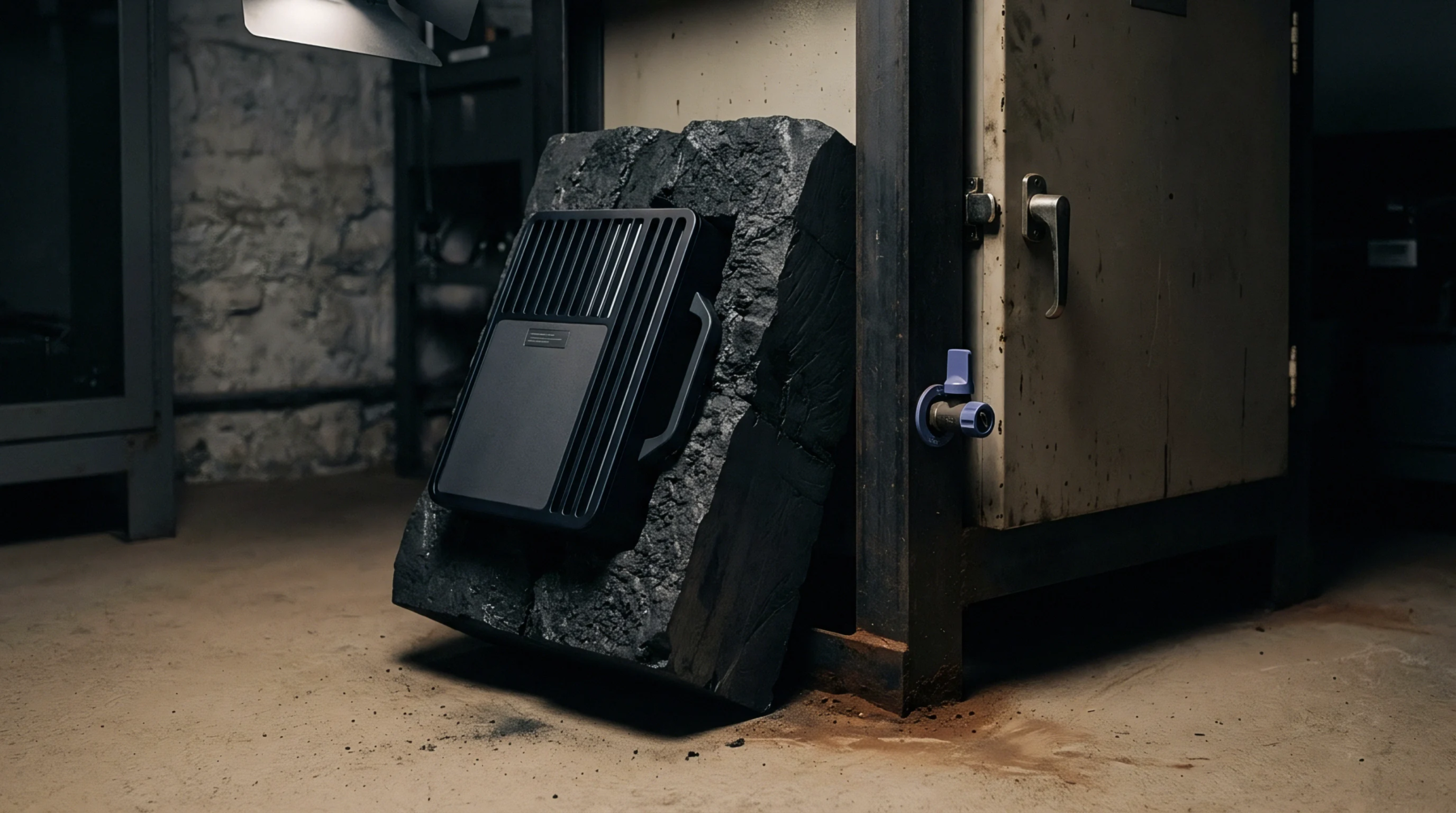
Multi temperature thermal soak schedules isolate micro shorts and establish valid cell voltage decay dossiers prior to volume cell procurement.

Micro leak rates above 1.0e-6 mbar L/s drive moisture ingress and hydrofluoric acid formation, degrading lithium ion cell capacity and triggering transport failure.

Combined high voltage and thermal stress drives exponential electrolyte salt consumption, causing localized concentration starvation and sudden capacity cliff drops.

Isothermal swelling protocols isolate pure electrochemical lattice expansion from thermal artifacts to deliver precise thickness limits for module engineering.

Structured silicon alloy kinetics depend on managing stress-driven diffusion back-pressure and silicide matrix creep under external mechanical stack confinement.

Controlled stack pressure suppresses terminal crystalline phase transitions in silicon alloy anodes, doubling cell cycle life through mechanical containment.

Irreversible stack expansion is governed by solid interphase plastic creep and electrolyte breakdown, requiring elastomeric foam buffers to hold stack pressure under 0.8 MPa.

Calculated worst-case and RSS mechanical stack tolerances govern inter-cell compression, housing deflection, bolt torque retention, and production assembly yield

Accurate lithium ion stack compression modeling pairs non-linear hyperelastic foam contact elements with spring-calibrated end-plate boundary displacement constraints.

Subzero fast charging forces severe SEI fracture and lithium plating, creating internal short risks that invalidate standard UN 38.3 safety credentials.

Fast charging requires negative electrode potential monitoring above zero volts against lithium reference to prevent cell degradation and thermal risks.

Foam compression set collapses baseline clamping force, shifting planar pressure to rigid edges, elevating thermal impedance, and risking tab fatigue.

Dynamic shear transfer and compressive creep thin ultra-thin separators below five microns, increasing pinhole shorting risk and impedance under stack expansion.

Sacrificial sodium additives offset initial hard carbon capacity loss to increase sodium-ion cell energy density and reduce landed cost per kilowatt-hour.

Initial lithiation drives permanent and reversible solid-state cell thickness expansion requiring continuous Servo-regulated platen pressure during formation.

High-voltage cathode operation drives surface oxygen loss and rock-salt phase layer growth, raising charge resistance and requiring strict surface coating audits.
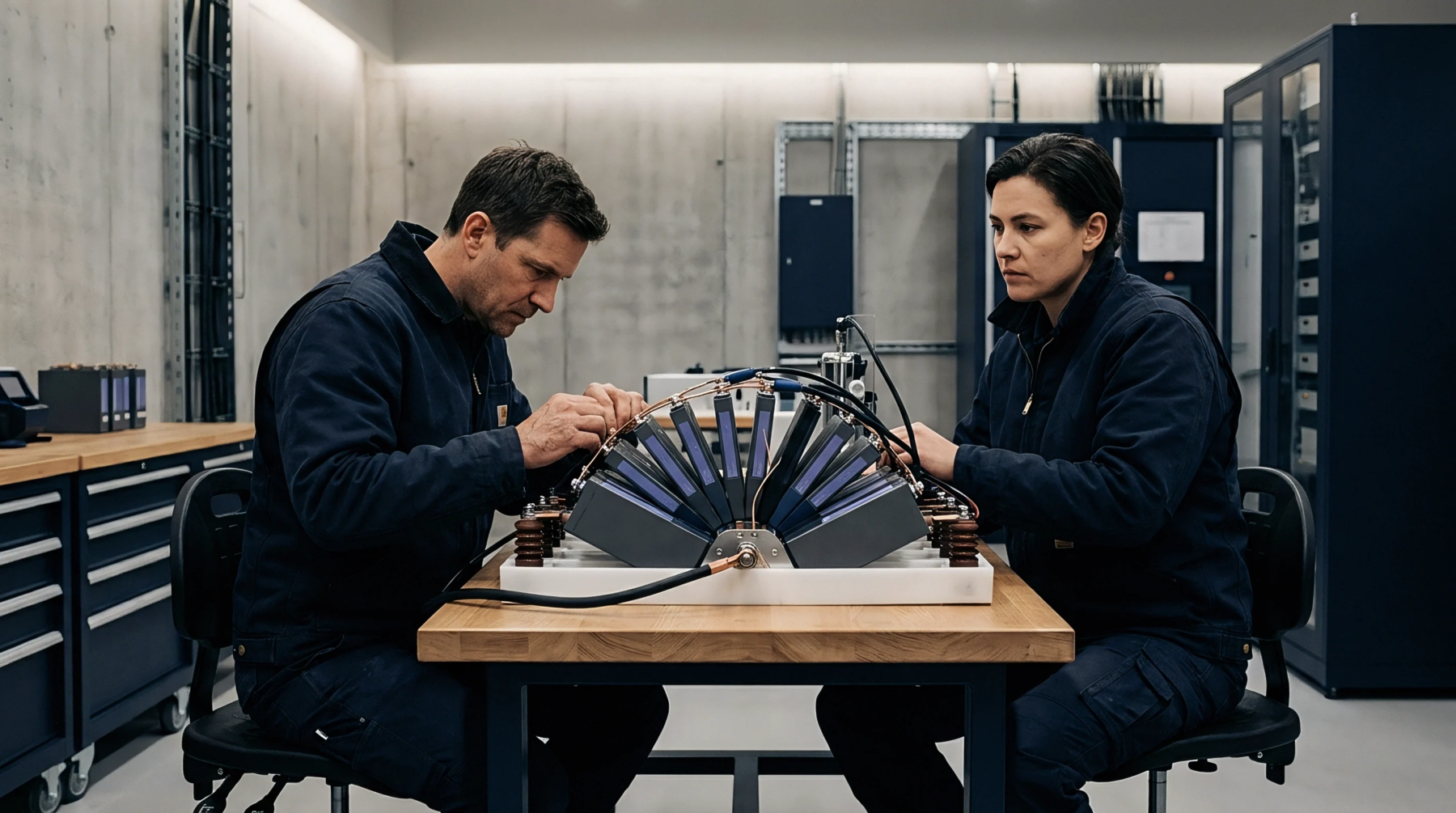
Cold climate warranty enforcement requires temperature-normalized 25°C thermal recovery soaking and cryptographic BMS logging to substantiate degradation claims.

Transporting lithium cells safely obligates buyers to match rigorous electrochemical characterization with enforceable contractual transport riders.

Liability follows the Incoterm risk transfer point unless dangerous goods misdeclaration or unseaworthiness invalidates carrier and insurance protections.
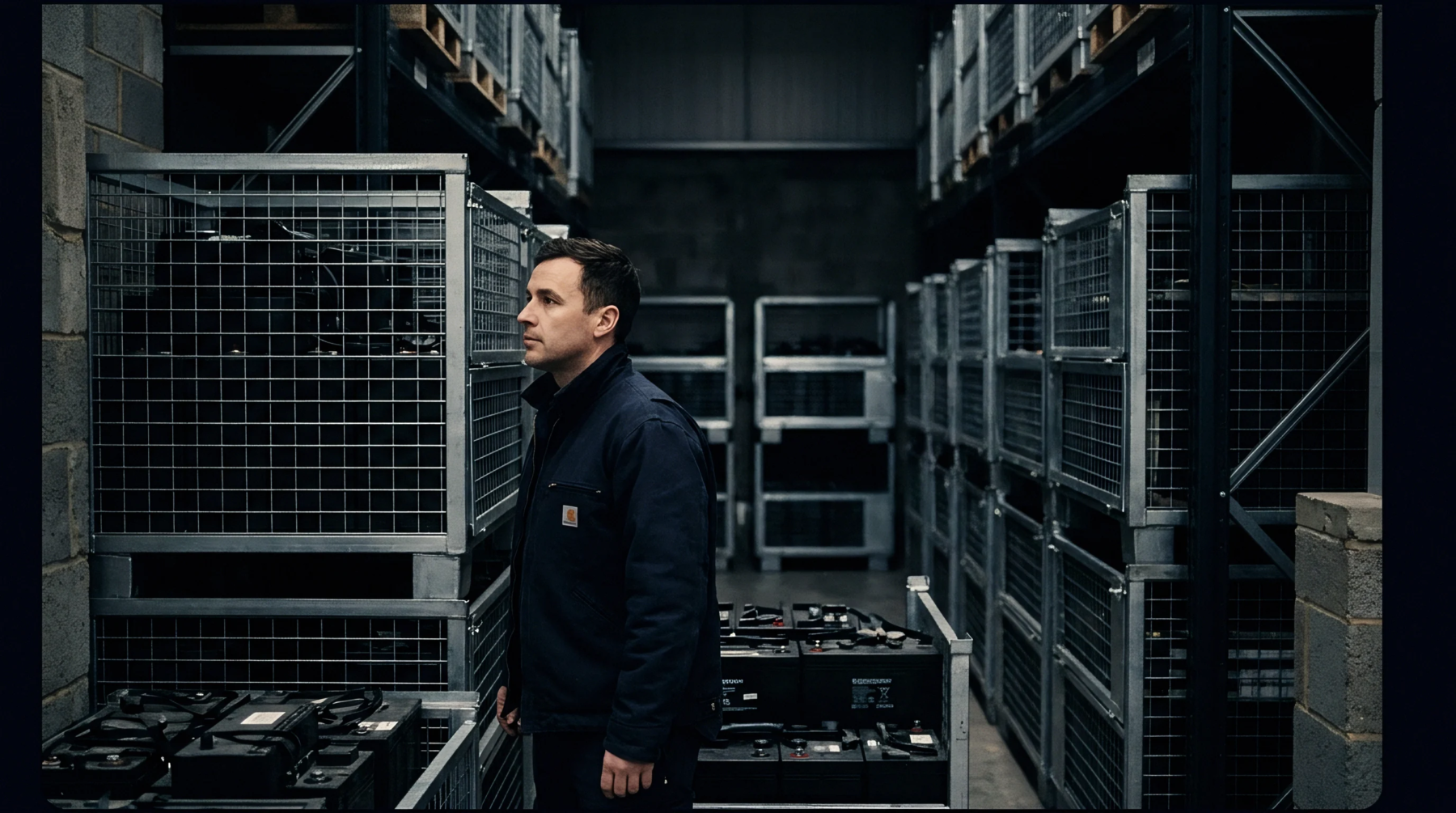
Datasheet shelf life claims hide permanent capacity loss and resistance growth; real storage stability demands dock impedance screening and temperature tracking.
Expertise is a utility, not a secret. sentiention™ publishes its working knowledge as open reference: intelligence layer covering the materials it sources, the markets it enters, and the reference that serves both.