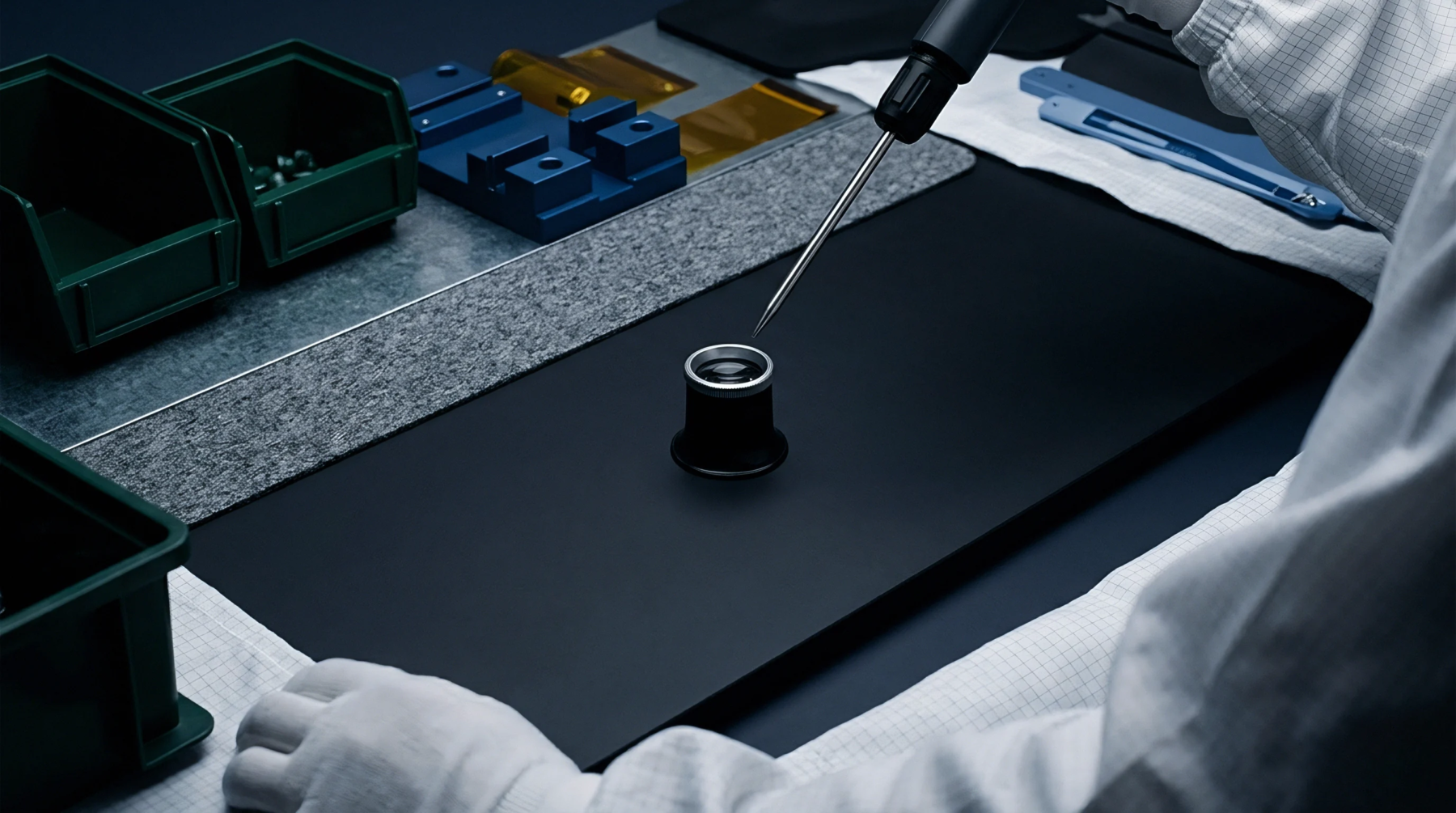
Carbide Nucleation Kinetics in Atomized Tool Steels
Gas atomization quenches tool steel droplets to suppress primary eutectic carbides, shifting nucleation to solid-state precipitation during consolidation.
Gas atomization quenches tool steel droplets to suppress primary eutectic carbides, shifting nucleation to solid-state precipitation during consolidation.

Quantifying carbide alignment via stereological orientation tensors identifies directional fracture risks before machining precision tool steel components.

Rapid droplet solidification dynamics dictate grain size, microsegregation, and sphericity in battery powder synthesis, setting tap density and yield.

Transverse mechanical anisotropy in consolidated enclosure steels reduces transverse bend angles and impact energy, demanding transverse-orientated batch testing.
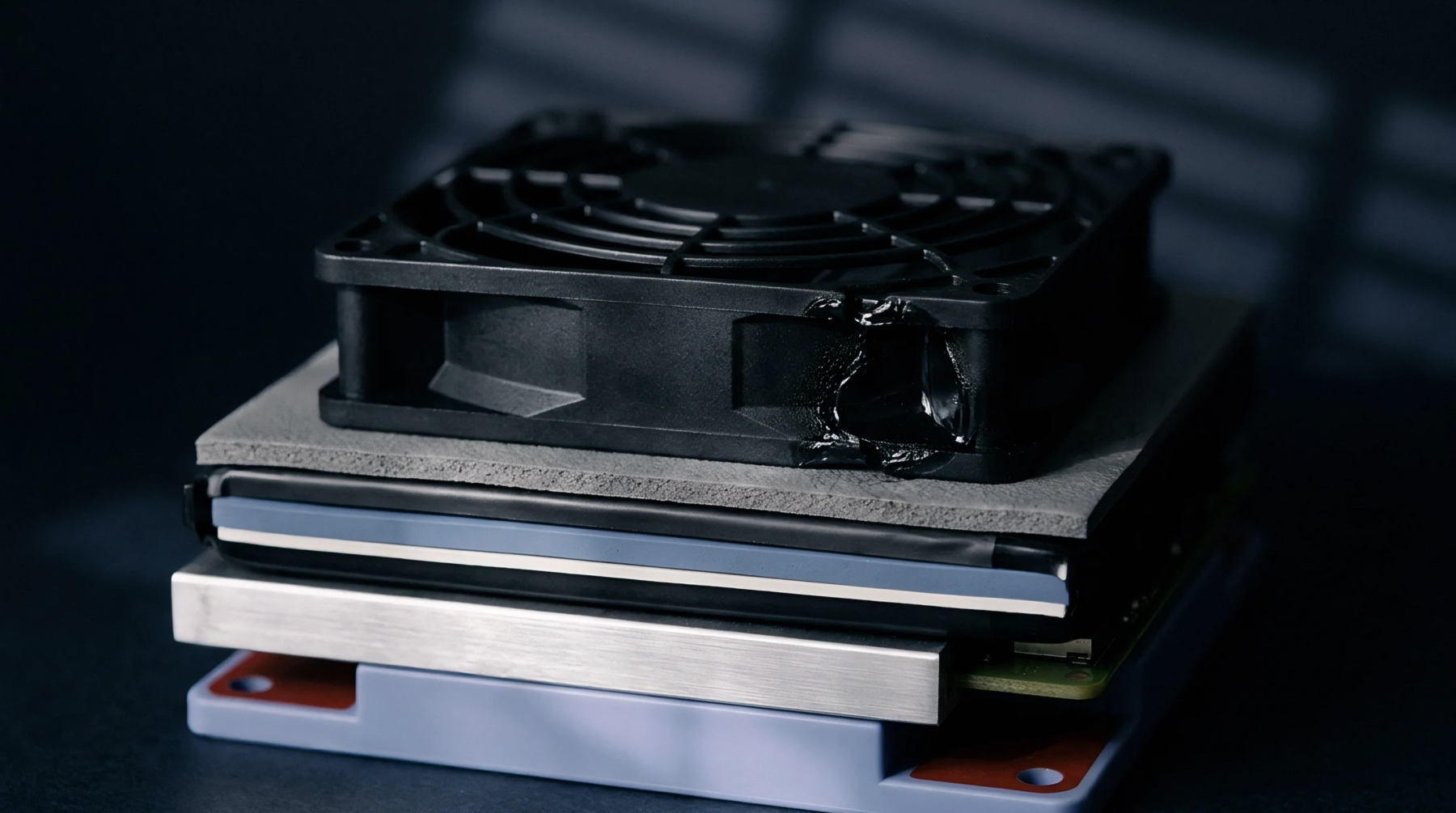
Gas-atomized tool steel solidification kinetics suppress coarse primary carbides, enabling sub-micron MC distributions that eliminate slitting blade micro-chipping.
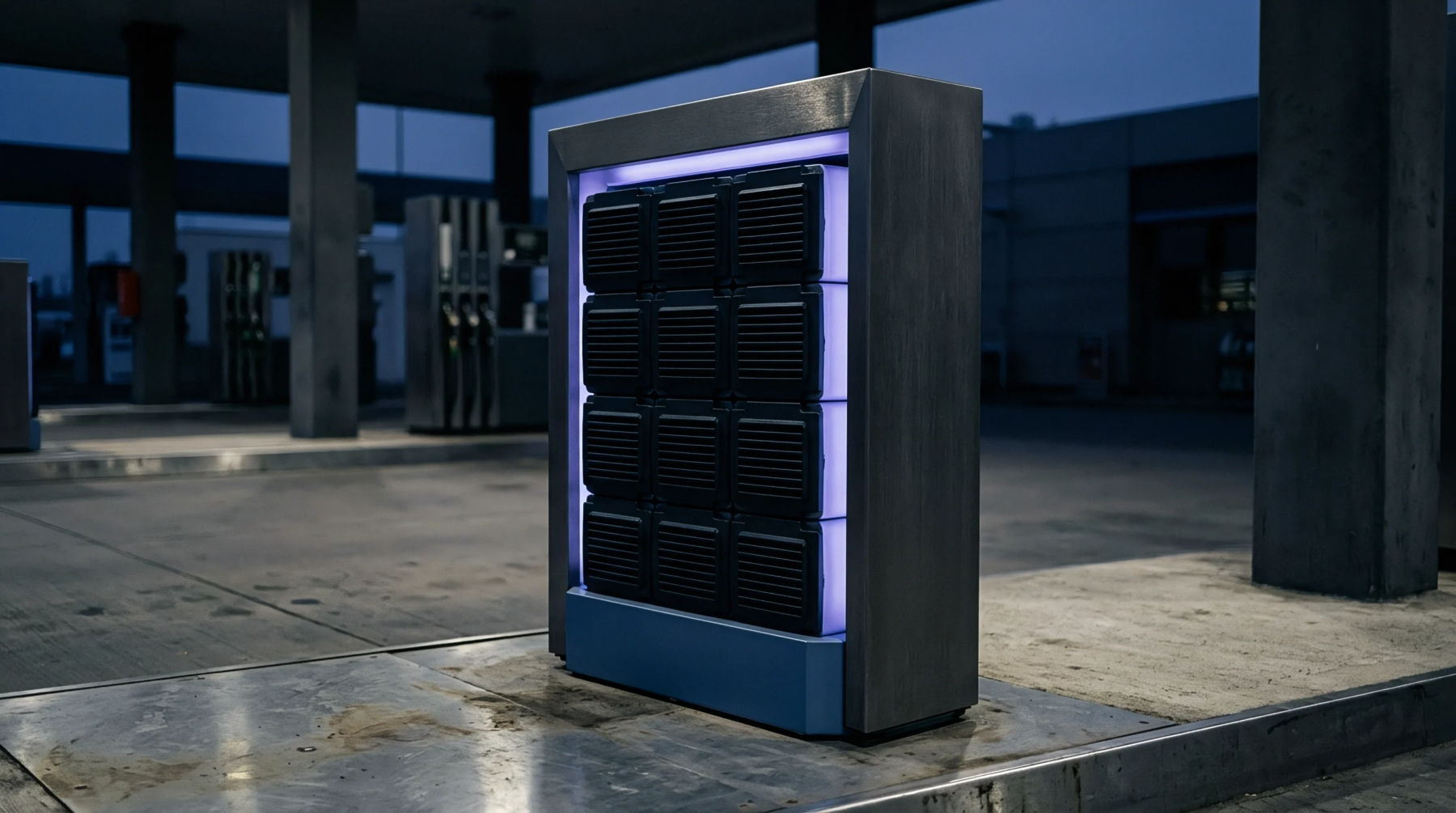
Quantifying carbide banding limits requires stereological ASTM E1268 rating of core cross-sections to cap anisotropy indices below 1.30 for tool steel billets.
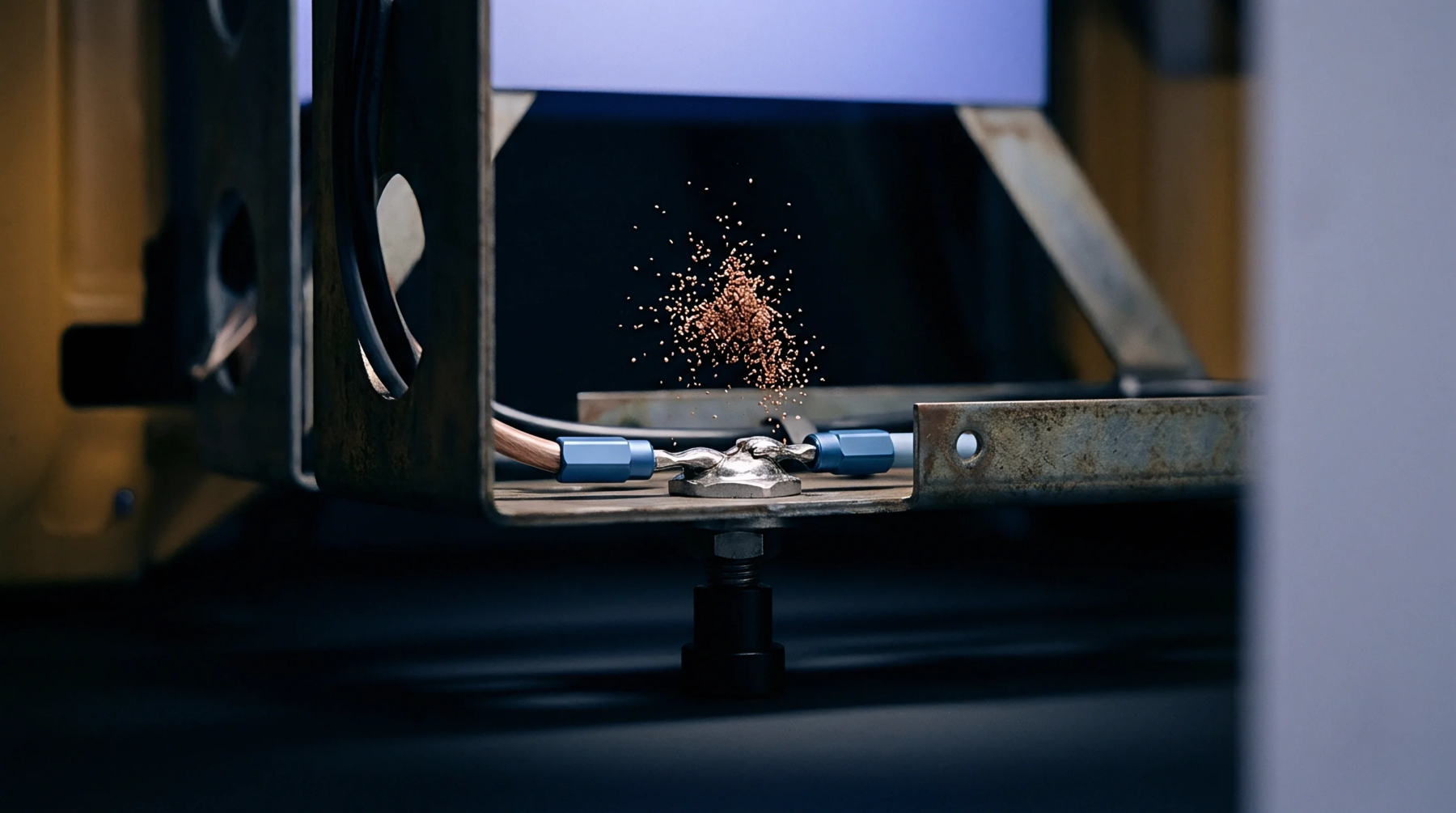
Carbide nucleation kinetics during inert gas atomization are controlled by droplet cooling rates between 10,000 and 1,000,000 K/s, dictating PM steel toughness.
Expertise is a utility, not a secret. sentiention™ publishes its working knowledge as open reference: intelligence layer covering the materials it sources, the markets it enters, and the reference that serves both.