Meaning
Permanent structural alteration represents the state where a solid material fails to revert to its original shape after an applied load drops to zero. Through plastic deformation, internal dislocations migrate across crystalline lattices beyond the point of elastic recovery. This threshold marks the transition from temporary displacement to lasting geometric change within a metallic or polymeric component.
Failure Margin
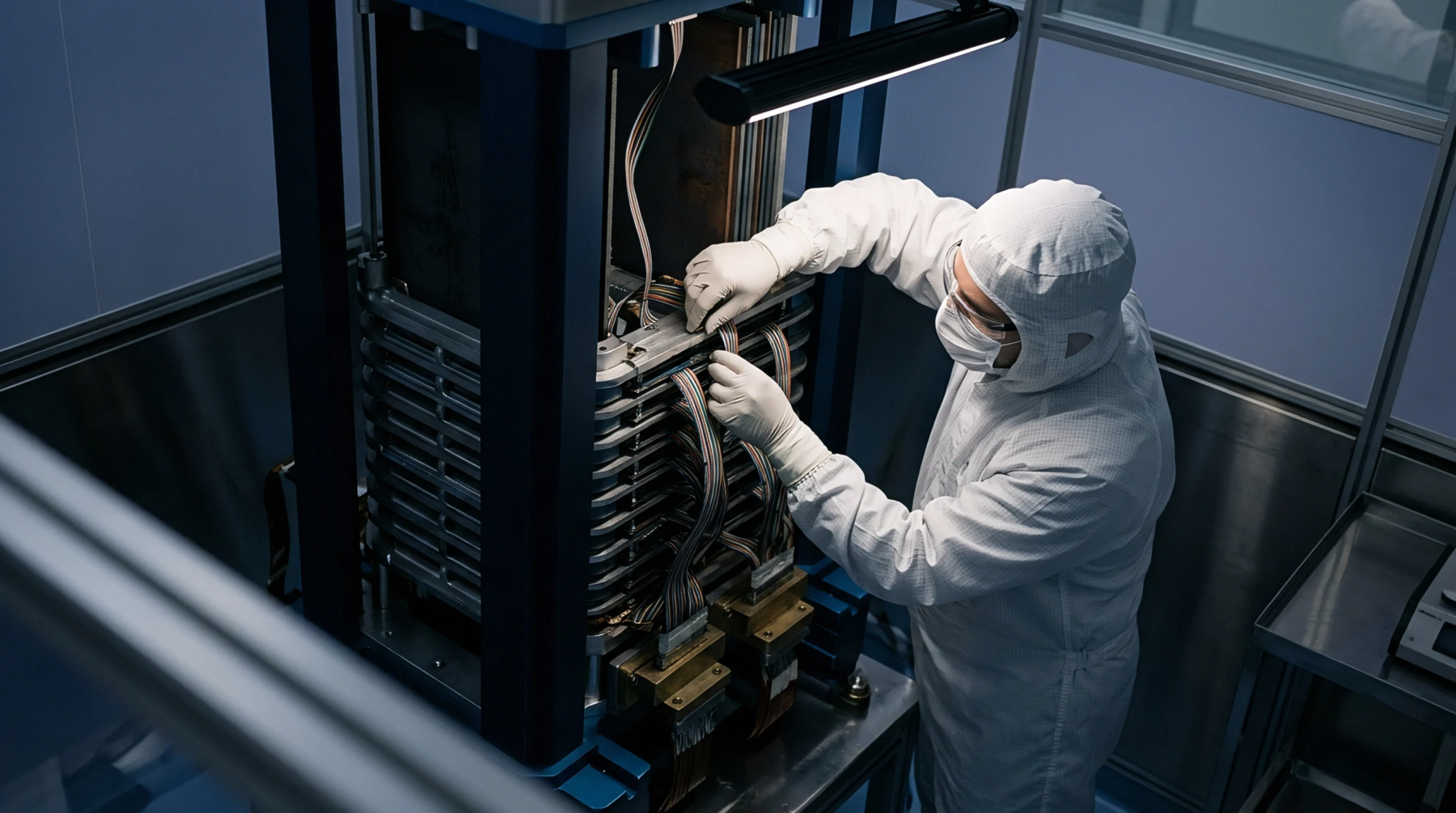
Components under thermal or mechanical stress reach a critical limit defined by the yield point. Engineers track this boundary to prevent permanent distortion in structural housings or battery casings. Exceeding this limit results in a shape change that compromises the fit of sealed enclosures or the alignment of internal connection hardware.
Material Mechanism
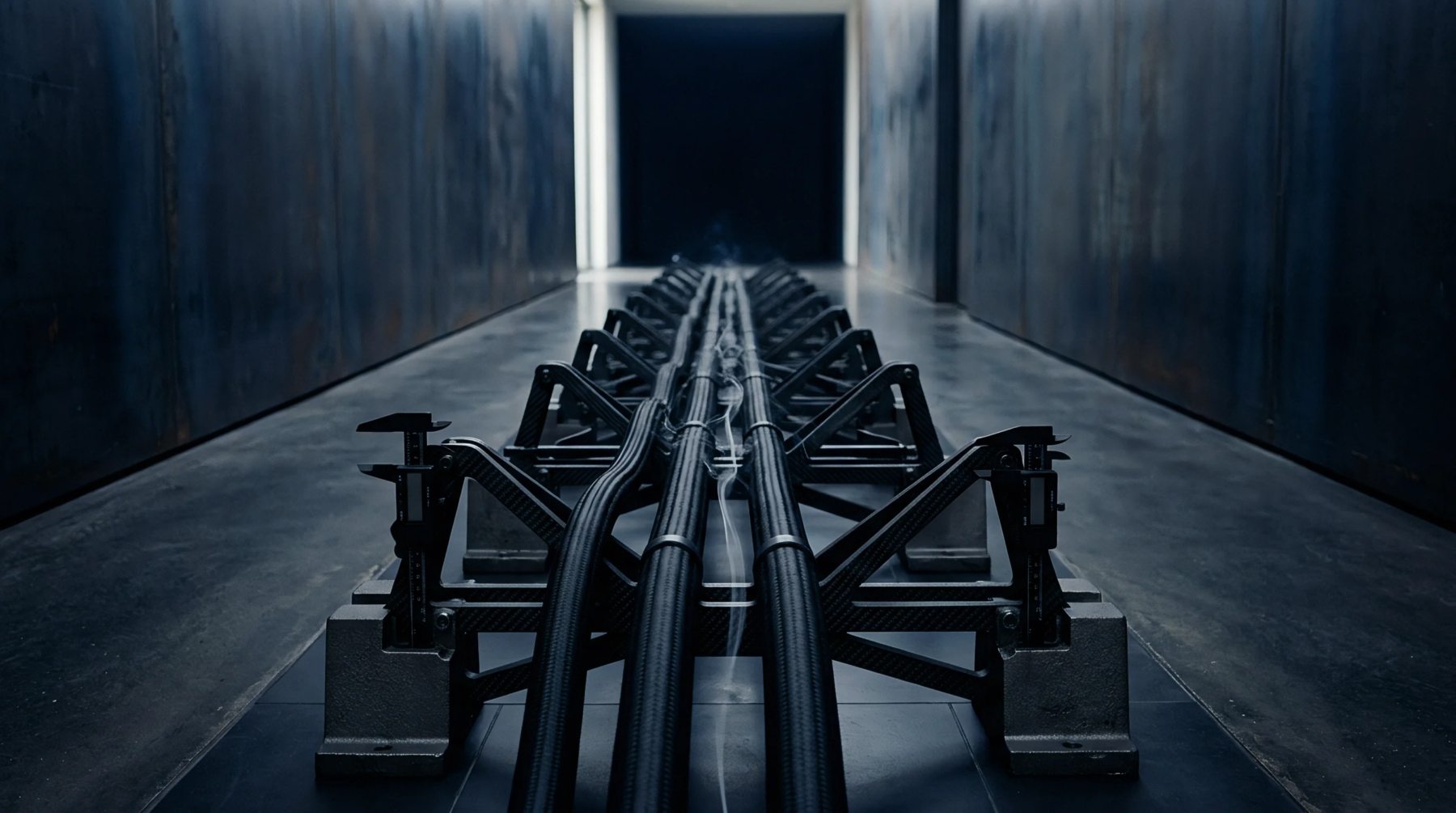
Molecular bonds or metallic grains rearrange during the application of force sufficient to overcome atomic lattice constraints. This movement allows the structure to accommodate the applied force while sacrificing original dimensions. Subsequent cooling or stress removal leaves the geometry permanently shifted rather than returning to the initial coordinate state.
Stress Resistance
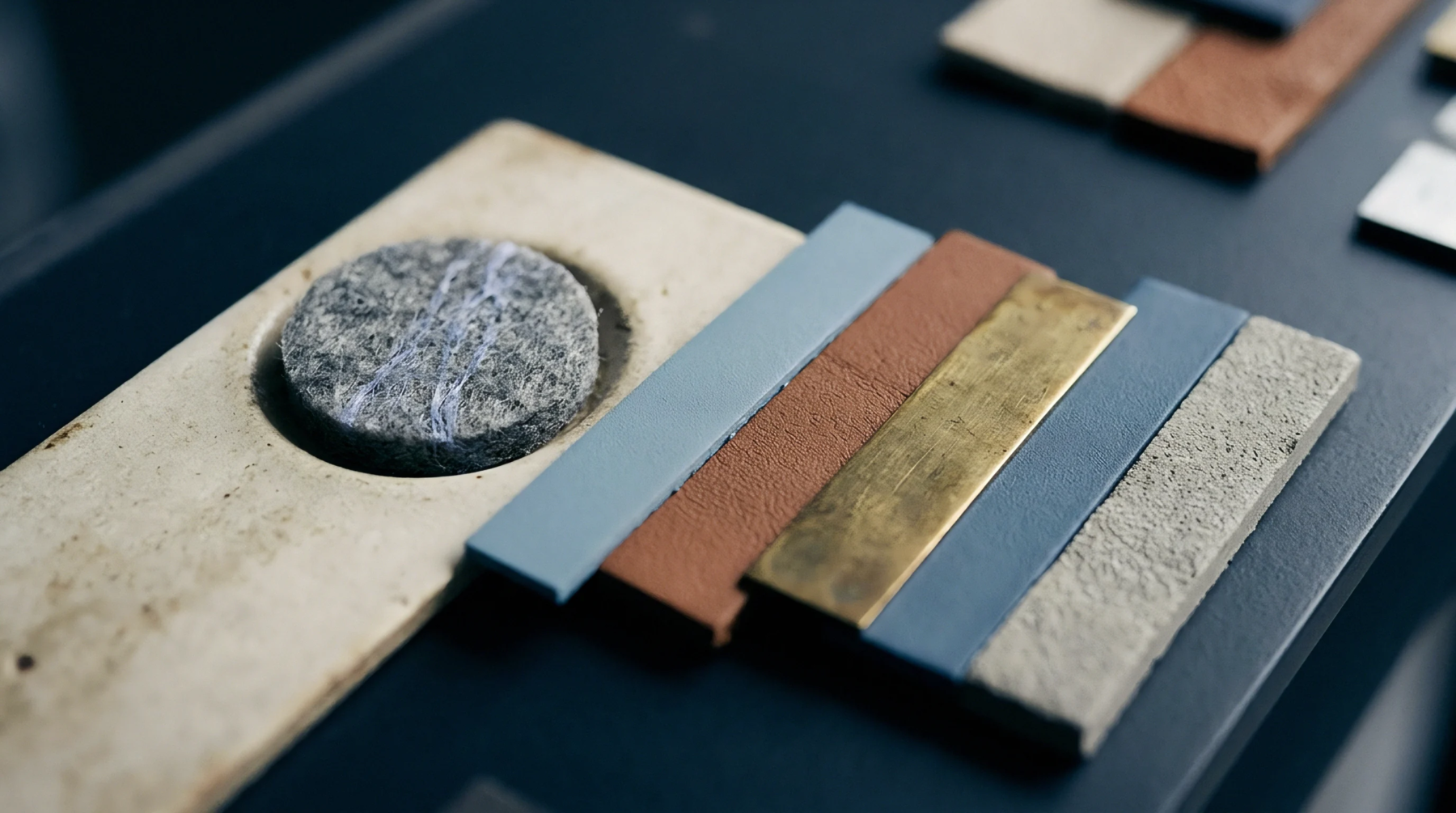
Manufacturers select base alloys for specific yield strengths to manage the risk of unwanted distortion during operation or assembly. High resistance ensures that the geometry remains stable despite vibrations or temperature fluctuations occurring within the field. Design tolerances rely upon maintaining stress levels below the onset of this permanent physical transition to ensure long-term product integrity.