Meaning
Advanced refining processes that melt a consumable steel electrode through a pool of active slag to produce a highly clean and homogeneous ingot are essential for manufacturing high-integrity materials. Electroslag remelting utilizes electrical current passed through a conductive slag to generate the heat needed to melt the steel droplets, which are purified as they pass through the chemical bath. This process removes non-metallic inclusions, reduces the sulfur content, and minimizes alloy segregation during solidification.
The resulting ingots exhibit superior microstructural uniformity, improved toughness, and more isotropic properties compared to conventionally cast steels. Sourcing teams specify this refining method when purchasing tool steels, aerospace components, and other materials that must operate under extreme stresses.
Refining Mechanism
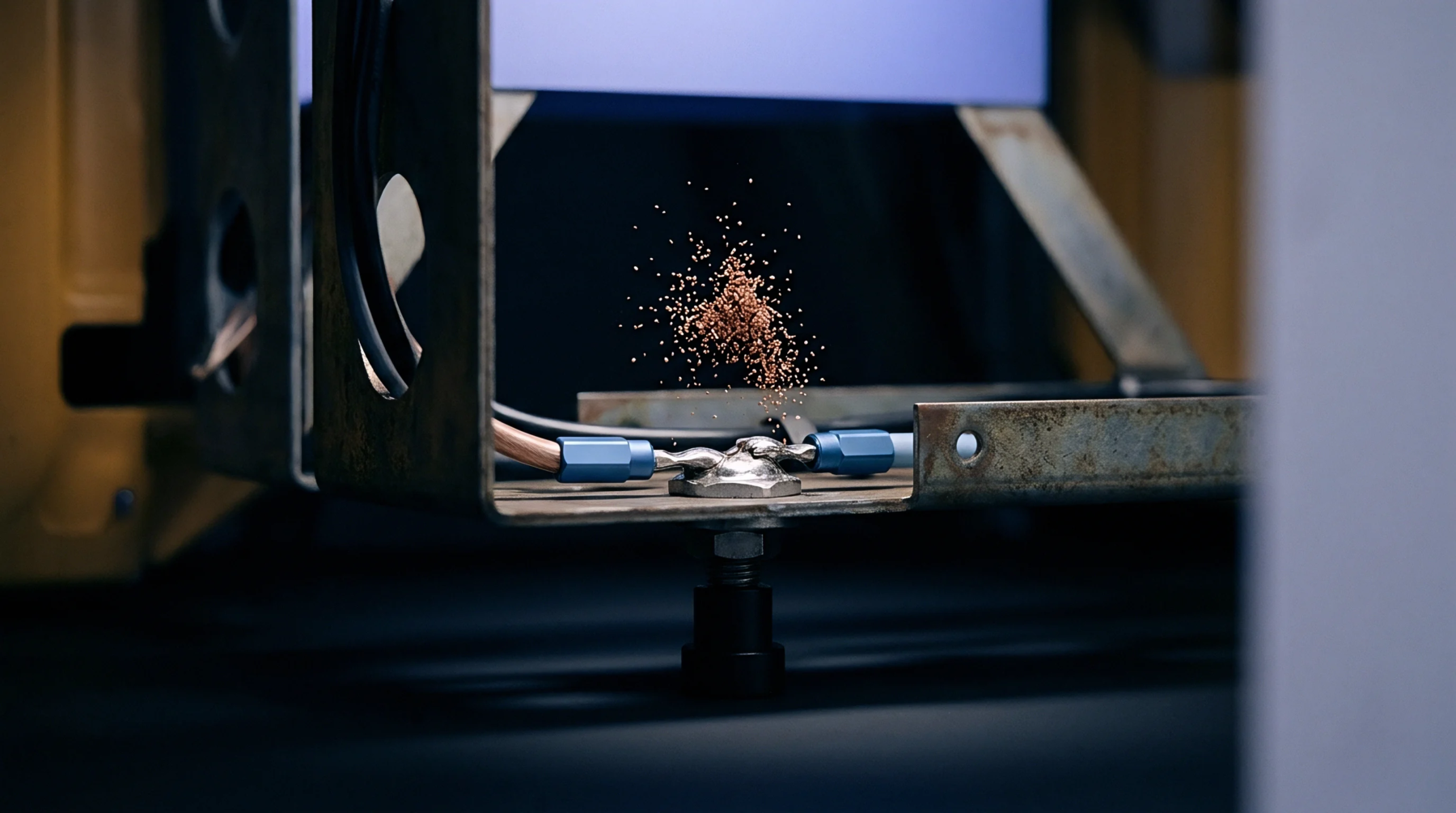
Process chemistry in electroslag remelting relies on the interaction between the molten metal droplets and the superheated, molten slag. As the steel electrode melts, droplets form at its tip and fall through the slag, which acts as a highly effective filter that traps oxides, silicates, and other undesirable elements. This chemical reaction occurs continuously in a water-cooled copper mold, which promotes rapid and directional solidification of the newly forming ingot.
The controlled, bottom-up solidification prevents the formation of large dendritic structures and center-line segregation, resulting in a highly uniform chemical distribution throughout the entire volume of the steel.
Mechanical Benefits
Materials processed through electroslag remelting exhibit a significant improvement in mechanical properties, particularly transverse toughness, fatigue resistance, and ductility. The reduction in the size and quantity of non-metallic inclusions eliminates the initiation sites for fatigue cracks and microstructural failures. This makes the refined steel highly reliable for complex machining and high-wear tooling applications where surface finish and internal integrity are paramount.
Additionally, the improved isotropic behavior ensures that the material performs consistently in all directions, reducing the risk of premature component failure under complex stress states.
Supplier Selection
Procurement of materials produced by electroslag remelting requires sourcing teams to evaluate the capabilities and quality systems of specialized steel mills. This refining process adds significant cost to the raw material, so its use must be justified by the performance requirements of the final application. Buyers must verify that the supplier’s remelting facilities are certified and capable of maintaining precise control over chemistry, slag composition, and melt rates.
Including electroslag remelting as a mandatory requirement in the purchasing specifications ensures that only the highest quality, cleanest steels are used for critical structural and tooling components.