Meaning
Ceramic particles or oxide compounds trapped within a metal matrix originate from chemical reactions or external contamination during the casting process. Manufacturers monitor non metallic inclusions to prevent structural weak points that initiate fatigue cracking under high stress loads. These foreign bodies disrupt the homogeneity of the alloy and reduce the ductility of the finished component.
Purity Assessment
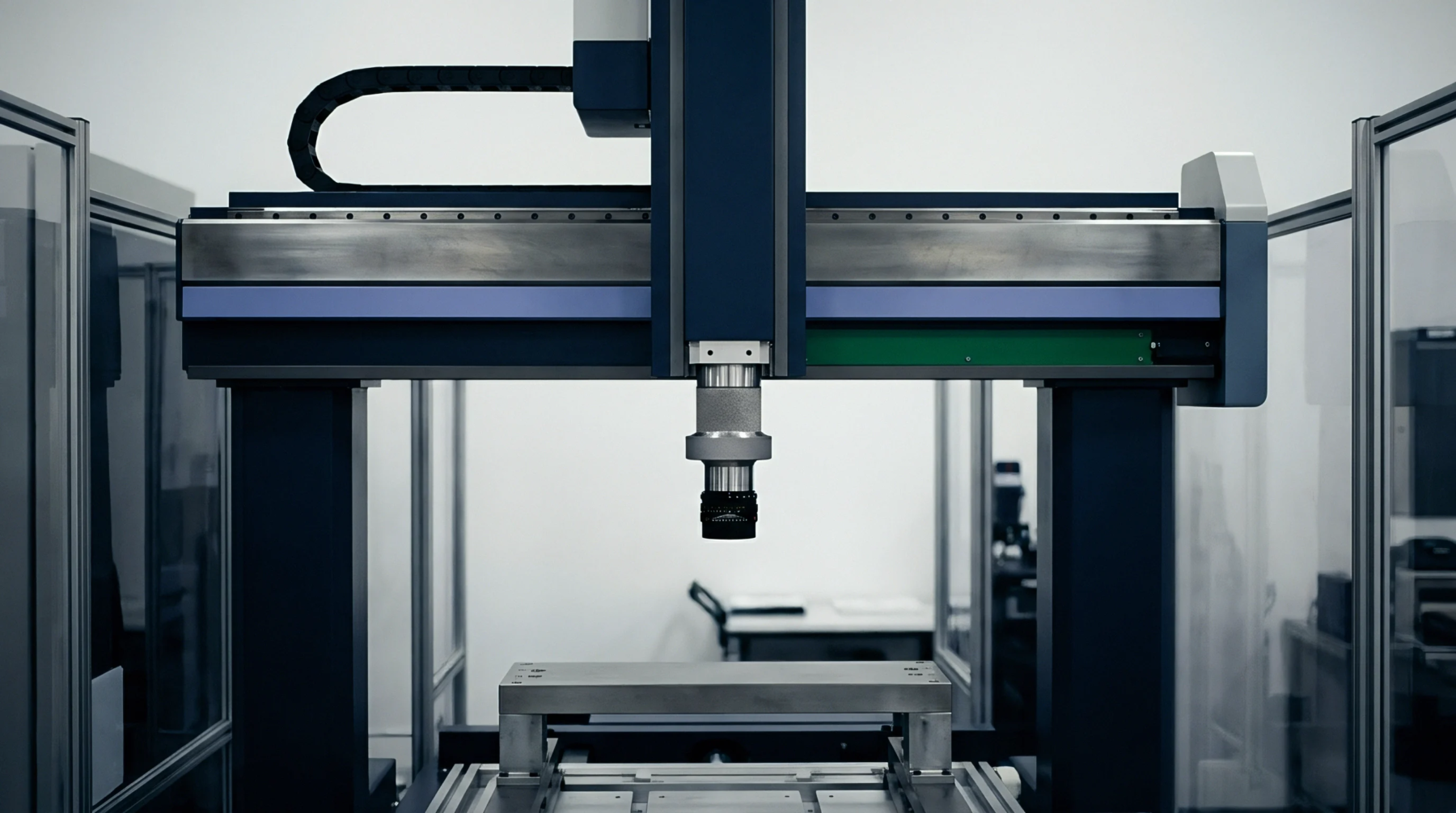
Laboratory methods identify the distribution and size of these particles through microscopic examination or ultrasonic scanning. Metallurgists compare the captured image data against standardized reference charts to grade the cleanliness level of the material. Heavy concentrations of alumina or silicate compounds indicate inadequate melt treatment or refractory erosion.
Frequent cleaning of the molten bath remains the primary technical response to minimize the presence of such anomalies.
Performance Impact
Mechanical failure occurs when these internal defects localize strain and concentrate stress within the crystal structure. Hard oxides cause tool wear during machining operations or damage cutting edges prematurely. Structural applications require strict limits on inclusion size because large particles significantly decrease the impact toughness of steel alloys.
Consistent monitoring of these impurities ensures the reliability of parts intended for high pressure hydraulic or aerospace systems.
Material Control
Production standards dictate the permitted volume of these particles by evaluating the source of oxygen and sulfur within the smelting furnace. Vacuum degassing processes draw out gases that would otherwise facilitate the formation of deleterious oxides in the solidifying metal. Precise regulation of the pouring temperature prevents excessive scouring of the furnace lining which adds further debris to the liquid melt.
Controlling the chemistry of the slag remains the most effective method for managing the final count of non metallic inclusions within industrial steel grades.