Meaning
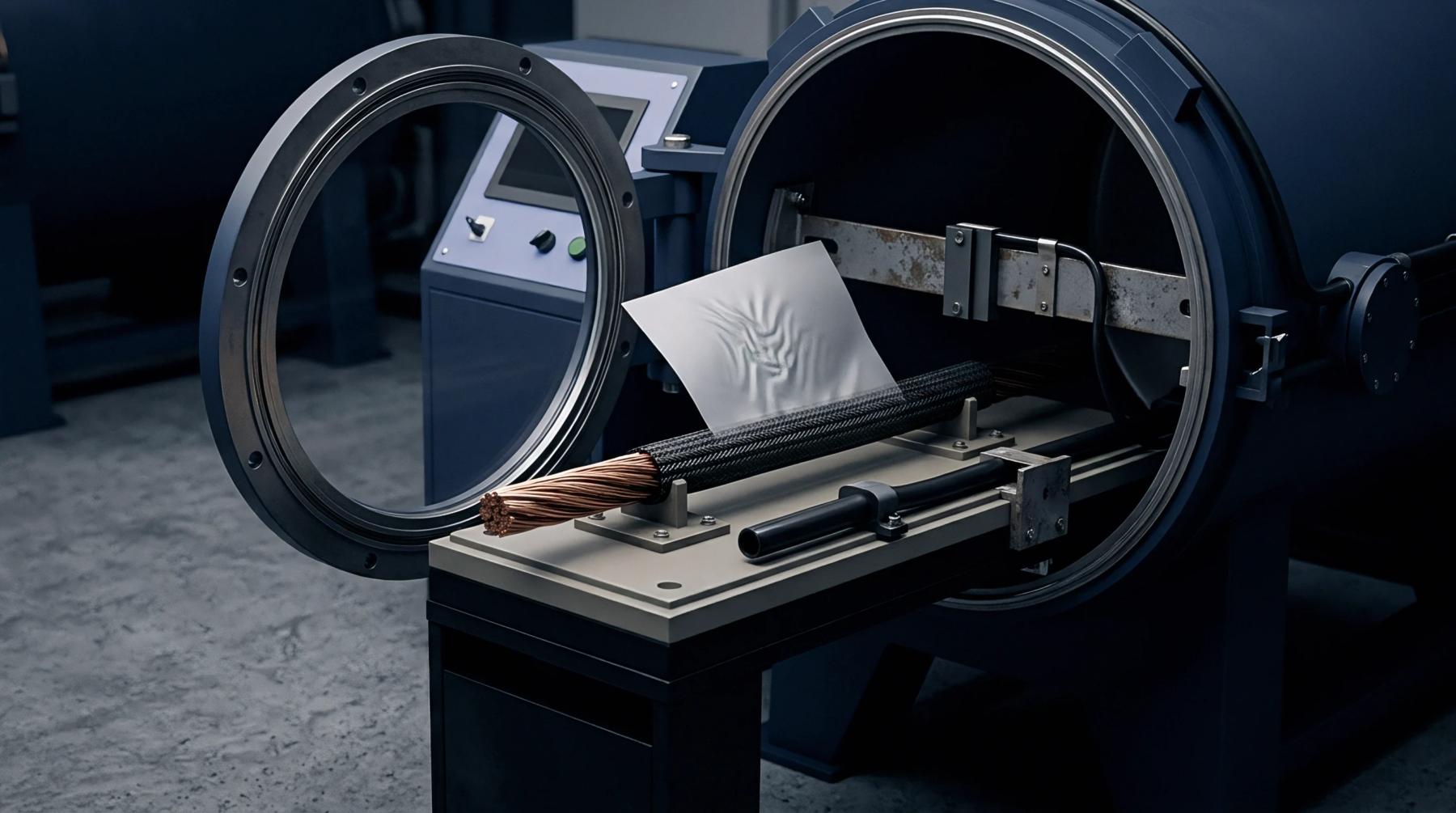
Removal or breaking of the naturally occurring passivation layer on aluminum surfaces is a prerequisite for achieving strong brazed or welded joints. During battery plate brazing, oxide disruption is achieved using chemical fluxes or mechanical scrubbing to allow the filler metal to wet the base aluminum. Without this step, the molten alloy cannot bond with the metal.
Joint Process
Oxide films on aluminum have a much higher melting point than the underlying metal. Sourcing managers verify that the brazing process includes either a vacuum cycle or a controlled atmosphere with nitrogen to prevent re-oxidation. This step ensures that oxide disruption happens efficiently.
If the layer is not broken, the molten alloy will sit on top of the oxide as separate droplets rather than spreading smoothly.
Structural Consequence
Poor disruption of the oxide layer results in dry joints that leak coolant. These weak joints cannot withstand the mechanical vibrations of an electric vehicle. Sourcing teams reject batches that show incomplete bonding under microscopic inspection.
Quality Monitoring
Monitoring the dew point inside the brazing furnace is a reliable way to check that conditions are dry enough for the flux to work. Moist air prevents the chemical action needed to break the oxide layer.