Quantifying Sodium Oxide Outgassing Mechanics during Pouch Cell Initial Formation Charging
Sodium oxide outgassing reaches 18.7 mL/Ah during formation, requiring 0.25 MPa mechanical clamping and precise vacuum extraction to prevent pouch delamination.
Initial formation cycles in sodium-ion pouch cells release between 4.2 and 18.7 milliliters of gas per ampere-hour of rated capacity under standard 0.05C galvanostatic charging at 25 degrees Celsius. Layered metal oxides (such as O3-type NaNi1/3Fe1/3Mn1/3O2 and P2-type Na2/3Fe1/2Mn1/2O2) show substantial first-cycle irreversible capacity loss, transferring excess sodium ions toward hard carbon anodes while liberating volatile species at high potentials. When cell pouches swell prematurely during the first charge plateau above 3.80 volts versus Na/Na+, the resulting gas pocket separates the electrode stack, inducing severe current density hotspots and localized sodium plating.
Electrode stacks under inadequate mechanical restraint develop non-uniform interfacial contact within the first ninety minutes of current delivery. Gas bubbles forced between the separator and active material act as electrical insulators. Local current density spikes along the perimeter of these bubbles, elevating polarization and accelerating electrolyte consumption.
The gas pocket expansion rate dictates whether the cell maintains nominal active area contact throughout the high-voltage plateau.
Pouch cells charged at 0.05C release 14.2 milliliters of total gas per ampere-hour before the cell reaches 4.00 volts versus Na/Na+.
Differential pressure accumulation inside sealed aluminum laminated film envelopes changes depending on ambient chamber temperature and external mechanical clamping. Formation setups without external compression yield an uneven solid electrolyte interphase (SEI) layer on hard carbon anodes. The resulting impedance increase permanently degrades capacity retention.
Formation Gas Generation Metrics across Cathode Variants
Direct gas volume generation was measured across three distinct sodium transition metal oxide chemistries during 0.05C constant-current formation to 4.20 volts. Analysis isolates gas evolution volumes alongside irreversible capacity loss percentages across fifty-ampere-hour commercial pouch formats.
| Cathode Chemistry | Specific Capacity (mAh/g) | First Cycle Loss (%) | Gas Volume (mL/Ah) | Dominant Gas Species | Impedance Rise (mΩ) |
|---|---|---|---|---|---|
| O3-NaNi1/3Fe1/3Mn1/3O2 | 128.5 | 21.4 | 16.8 | CO2, CO, CH4 | 3.42 |
| P2-Na2/3Ni1/3Mn2/3O2 | 141.2 | 14.8 | 8.6 | CO2, O2 | 1.85 |
| P2-Na0.67Fe0.5Mn0.5O2 | 152.0 | 28.6 | 18.7 | CO2, CO, H2 | 4.15 |
| NFPP-Na3V2(PO4)2F3 | 118.0 | 8.2 | 4.2 | CO, C2H4 | 0.92 |
Improper degassing bag sizing causes burst seals or channel delamination during high-volume production, creating uncontained moisture ingress and scrap rates exceeding fourteen percent across cell lots.
Lattice
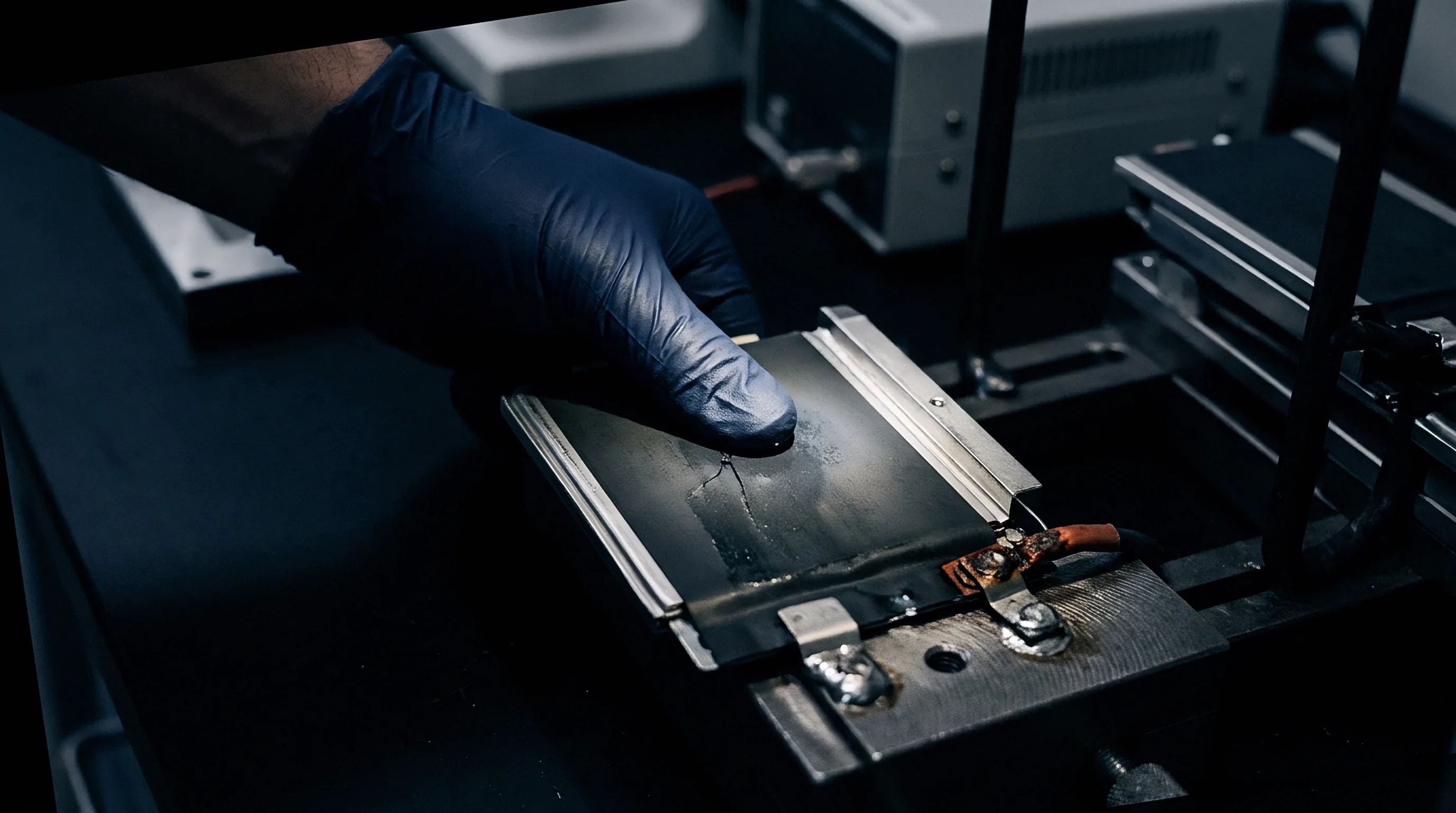
Structural oxygen extraction from sodium transition metal oxide crystallites triggers aggressive electrolyte oxidation above 3.95 volts. In O3-type layered lattices, deep de-sodiation creates thermodynamic instability in the transition metal slab. Peroxo-like species (O2)n- form within the crystal framework, escaping into the liquid electrolyte phase as singlet oxygen or molecular O2.
This active oxygen strips protons from alkyl carbonate solvents, precipitating dense carbon dioxide cascades.
Differential electrochemical mass spectrometry shows that gas discharge depends on potential, shifting as sodium extraction exceeds 0.55 formula units. Below 3.60 volts, gas generation stems primarily from native surface carbonate impurities (Na2CO3 and NaHCO3) washing off cathode particles into solution. Above 3.85 volts, bulk lattice oxygen loss dominates the outgassing spectrum.
Surface carbonate decomposition terminates below 3.65 volts while bulk oxygen extraction accelerates steeply beyond 3.90 volts versus Na/Na+.
Exposed transition metal sites (particularly Ni4+ and Mn4+) catalyze solvent breakdown by lowering the required activation energy. Ethylene carbonate (EC) and propylene carbonate (PC) solvents decompose into carbon monoxide, carbon dioxide, and light hydrocarbons. Hard carbon anodes simultaneously generate hydrogen via residual surface moisture reduction and ethylene from cyclic carbonate reduction.
Outgassing Mechanisms and Chemical Pathways
Primary chemical pathways split according to the operating potential window during formation charge.
- Surface Carbonate Hydrolysis cleans residual sodium salt coatings off active particles below 3.50 volts, liberating carbon dioxide without structural crystal degradation.
- Bulk Lattice Oxygen Expulsion occurs when severe de-sodiation triggers transition metal migration, releasing reactive oxygen radicals directly into carbonate solvents.
- Anodic Solvent Reduction produces ethylene, methane, and hydrogen gas alongside the precipitation of sodium alkyl carbonates and sodium fluoride on hard carbon surfaces.
- Electrolyte Salt Decomposition generates phosphoryl fluorides and gaseous fluoro-organics when sodium hexafluorophosphate encounters trace water contaminants at elevated temperatures.
Moisture content inside pristine active material powders accelerates these parasitic loops. Increasing cathode moisture from 80 ppm to 450 ppm doubles aggregate hydrogen and carbon monoxide generation during the initial two hours of current application.
Gas Component Distribution across Charge Potentials
Inline mass spectrometry profiles the instantaneous concentration of evolved gases during galvanostatic charging of NaNi1/3Fe1/3Mn1/3O2 pouch cells from open circuit potential to 4.15 volts.
| Potential Window (V vs Na/Na+) | Carbon Dioxide (%) | Carbon Monoxide (%) | Hydrogen (%) | Hydrocarbons (%) | Oxygen (%) |
|---|---|---|---|---|---|
| 2.00 to 3.20 | 84.2 | 4.1 | 9.8 | 1.9 | 0.0 |
| 3.20 to 3.80 | 52.6 | 21.3 | 12.4 | 11.2 | 2.5 |
| 3.80 to 4.15 | 68.4 | 14.2 | 4.1 | 3.8 | 9.5 |
The exact electronic trigger driving structural lattice collapse under commercial high-rate charging regimes remains open to debate across academic and industrial laboratories.
Torque
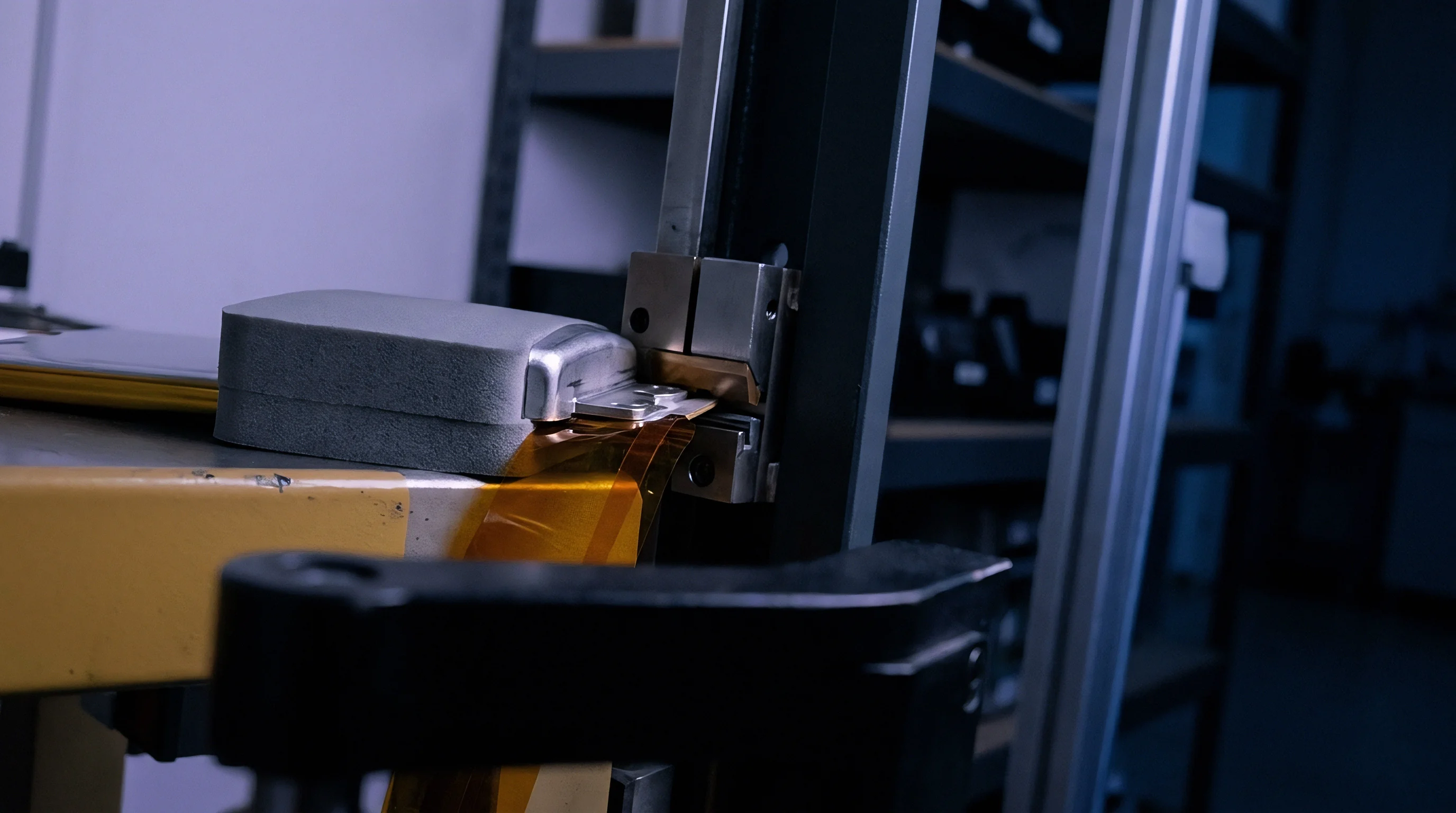
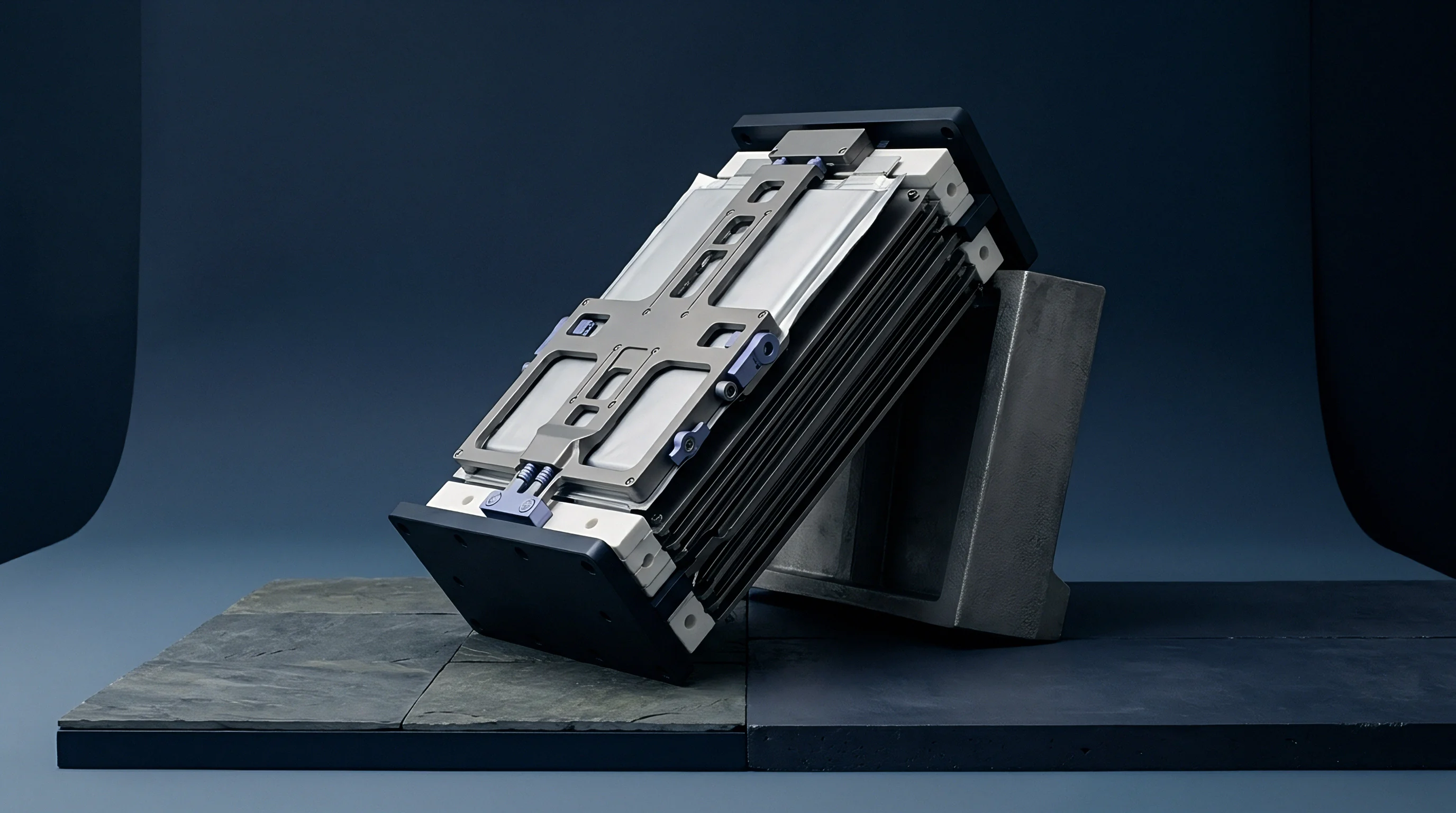
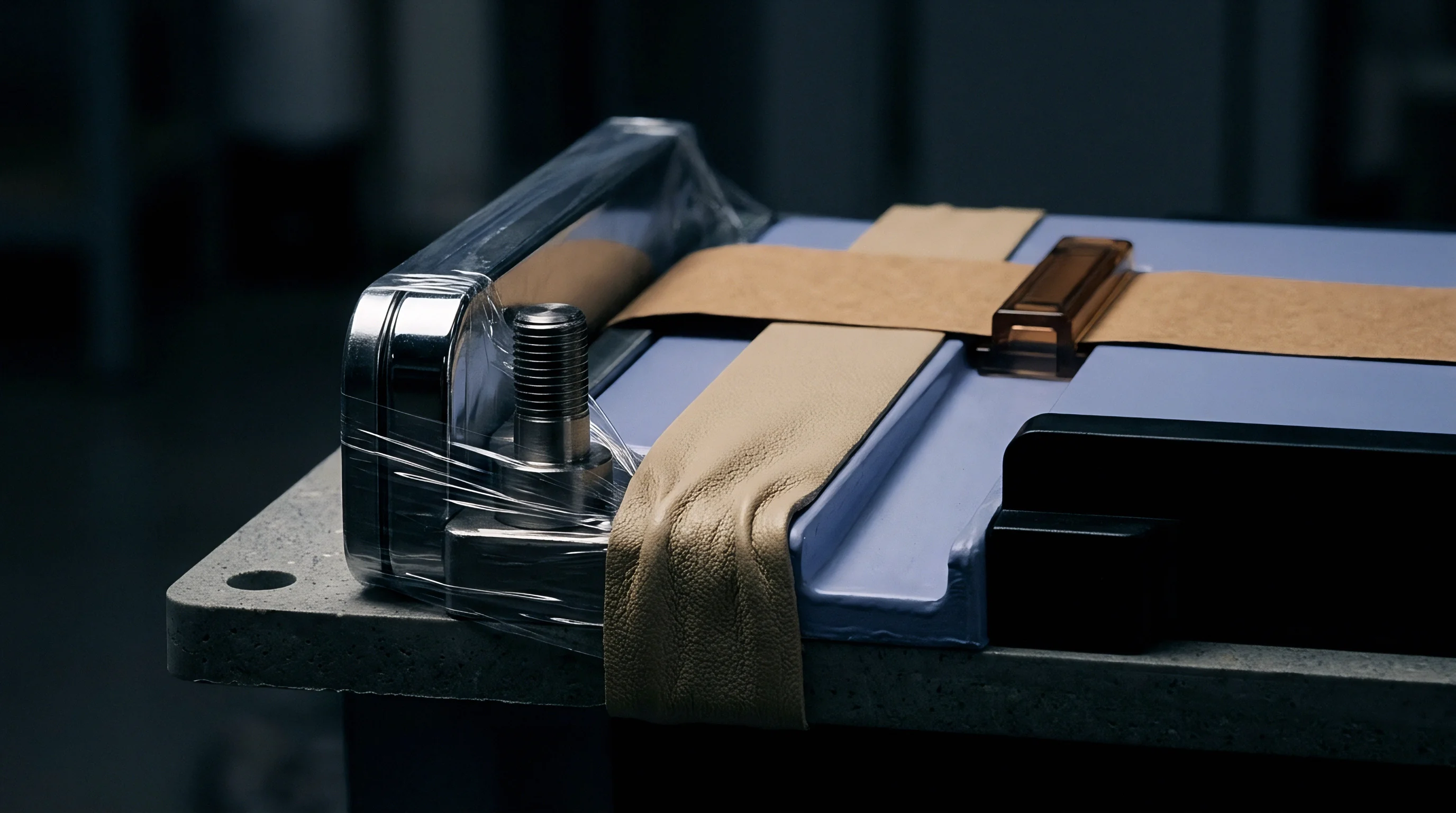
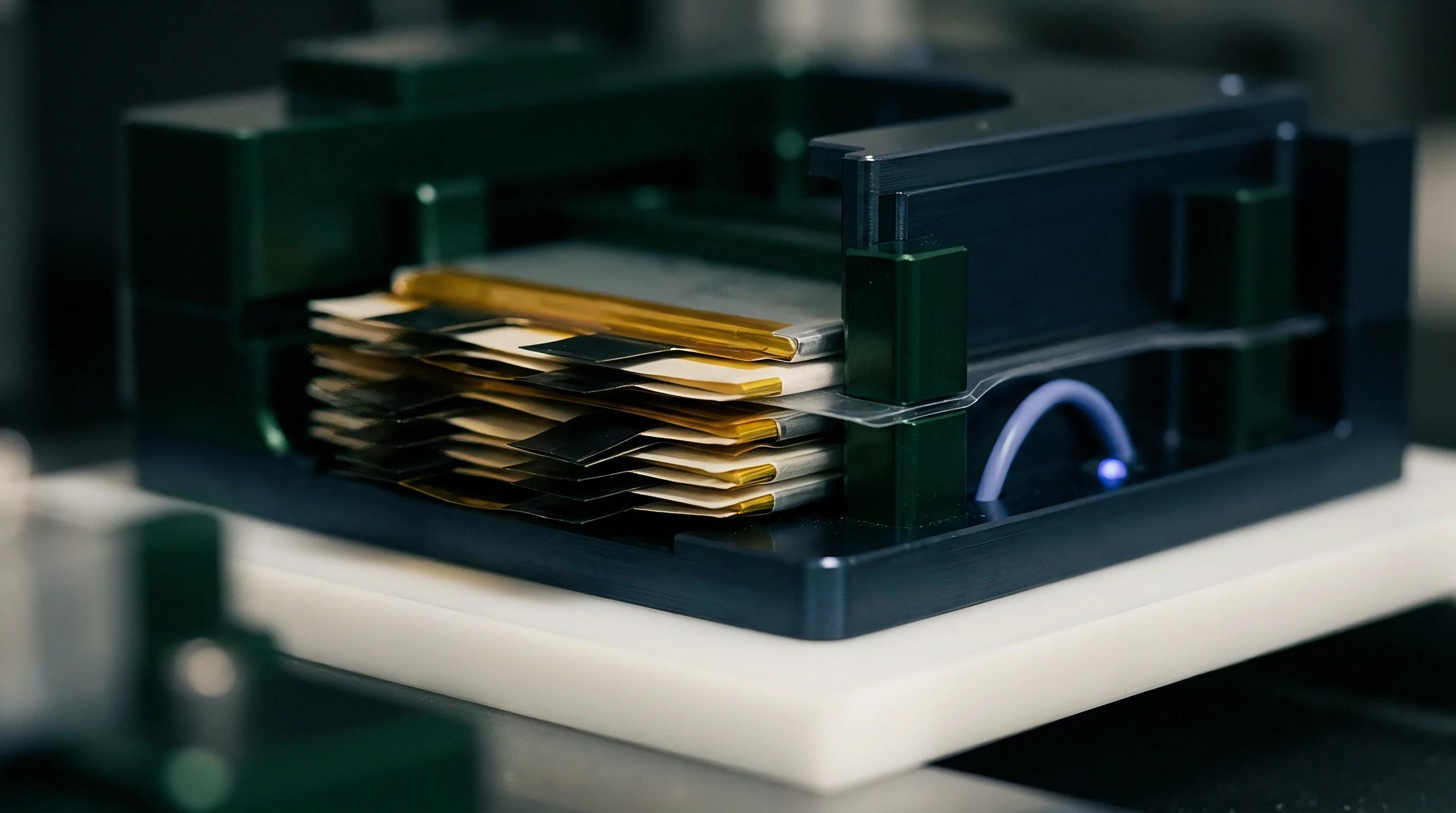
Pouch cell mechanical clamping during formation dictates interphase uniformity. Applying controlled uniaxial pressure prevents outgassing pockets from isolating active material sectors. Rigid steel plates fixed with calibrated springs exert continuous normal force across the pouch surface.
Without sufficient clamping, gas pockets pool in central active areas, forcing ionic currents into the cell edges.
Uniform mechanical constraint expels gas bubbles toward the dedicated collector pouch bag. Pressure levels between 0.15 MPa and 0.35 MPa minimize internal resistance without crushing microporous polyethylene or polypropylene separators. Clamping pressures exceeding 0.60 MPa induce local separator creep, causing micro-shorts along edge folds where active material particles experience mechanical point loading.
Clamping fixtures maintaining 0.25 MPa normal force reduce cell-to-cell direct-current resistance variation by forty-six percent across ninety-six-cell production lots.
How Does Rest Time Influence Gas Dissolution?
Holding cells under uniform pressure during intermediary formation rest stages permits volatile solvent vapors to recondense while non-condensable gases migrate out of the active stack. A twelve-hour open-circuit rest at forty percent state of charge stabilizes electrolyte wetting across high-tortuosity hard carbon anodes. Gas saturation inside the liquid phase reaches equilibrium, facilitating complete evacuation during final vacuum sealing.
Variations in pouch restraint pressure change the resulting pore architecture. The table below details interfacial impedance and thickness changes across fifty-ampere-hour sodium-ion pouch cells subjected to graduated mechanical loads during initial formation.
| Plate Pressure (MPa) | Retained Capacity (%) | Initial DC-IR (mΩ) | Gas Bag Volume (mL) | Separator Thickness Loss (%) | Delamination Risk |
|---|---|---|---|---|---|
| 0.00 (Unconstrained) | 88.4 | 4.82 | 125 | 0.0 | Severe |
| 0.10 | 94.2 | 2.95 | 460 | 1.2 | Moderate |
| 0.25 | 98.6 | 1.88 | 580 | 2.8 | Negligible |
| 0.50 | 97.1 | 1.94 | 595 | 8.4 | Low |
| 0.80 | 91.5 | 2.62 | 610 | 19.5 | High (Micro-shorts) |
Automated formation jigs can accommodate initial cell thickness variance without requiring calibrated spring tensioners or load cells.
Sensor
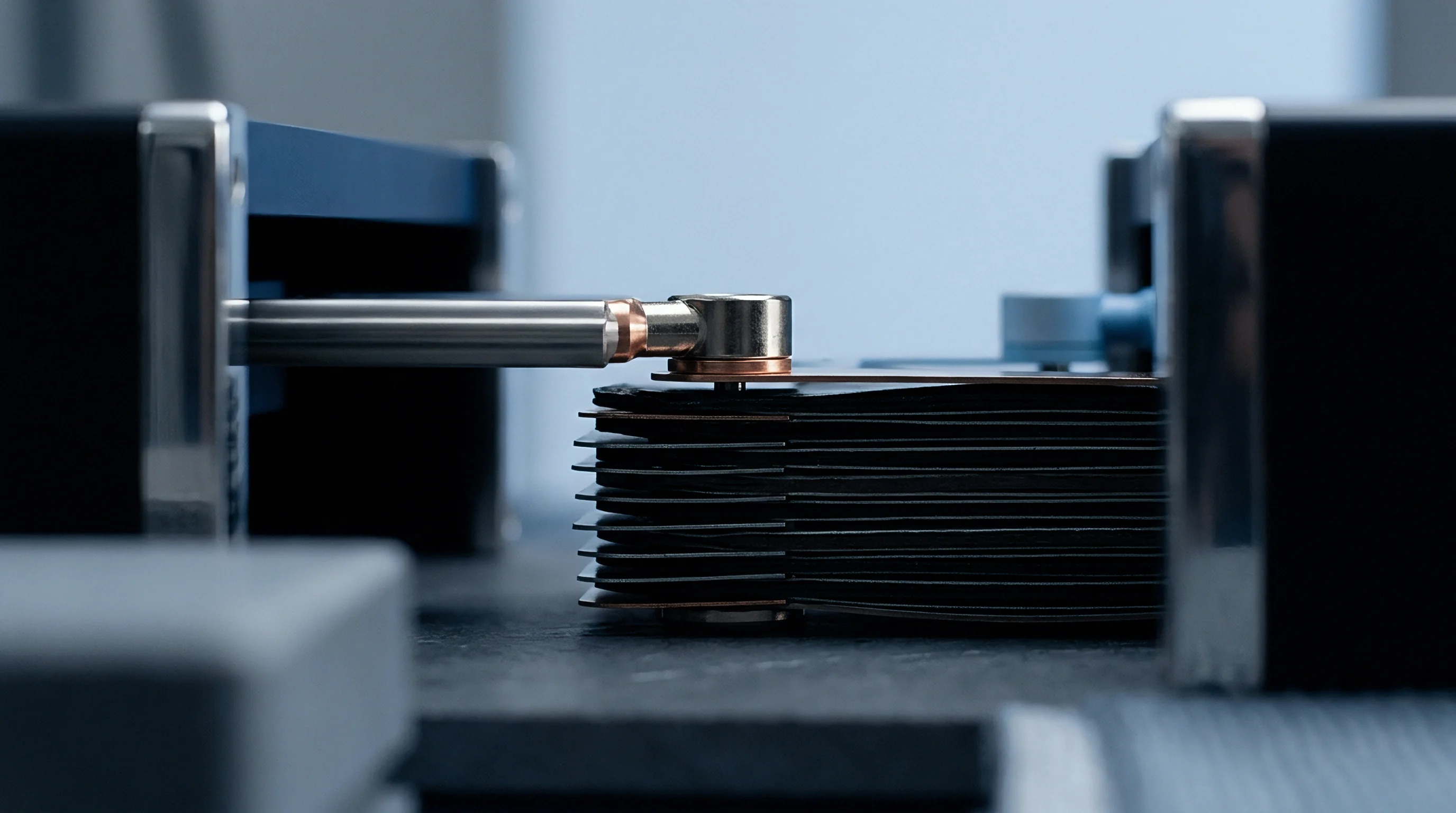
Continuous Archimedes immersion balance tracking provides real-time resolution of pouch volume changes during electrochemical activation. A cell suspended in an inert fluorocarbon liquid yields precise buoyancy measurements corresponding directly to internal gas generation. Load cells positioned beneath formation compression plates capture concurrent mechanical strain as gas generation forces the stack apart.
Pressure transducers connected to gas manifold nozzles quantify pressure buildup within unsealed formation bags. The conversion from internal buoyancy displacement to molar gas volume follows ideal gas formulations modified for local vapor pressure equilibrium. Combining mass spectrometry data with buoyancy changes yields individual partial pressures for carbon monoxide, carbon dioxide, oxygen, and volatile hydrocarbon components.
Formation Protocol Execution and Sampling Gates
Precision gas monitoring requires a strict sequence of electrochemical and physical inspection steps.
- Pre-test buoyancy measurement establishes dry cell tare displacement in non-conductive perfluoropolyether fluid at exactly 25.0 degrees Celsius.
- Stage-one charging at 0.02C up to 2.20 volts extracts initial moisture and decomposes electrolyte impurities while tracking displacement every sixty seconds.
- Stage-two constant current charging at 0.05C to 3.80 volts passes through the primary SEI formation window under constant 0.25 MPa plate load.
- High-voltage soak at 4.10 volts tracks oxygen outgassing rates until current drops below 0.01C or incremental gas evolution reaches plateau status.
- Post-formation degassing chamber extracts gas into a mass spectrometer while measuring final pouch volume under 0.08 MPa vacuum seal.
Inline gas analysis distinguishes benign solvent vapor pressure from irreversible gas evolution. When cells experience thermal excursions above 45 degrees Celsius inside the formation chamber, solvent vapor pressure can account for thirty percent of total observed pouch volume expansion. True electrochemical gas remains inside the gas collection bag upon cooling to ambient baseline.
A stable baseline displacement reading guarantees that electrochemical reactions have finished before pouch piercing and final vacuum sealing commence.
Settlement
Commercial contracts for high-capacity sodium-ion pouch cells must explicitly establish acceptable formation gas allowances and residual internal pouch vacuum specifications. Standard procurement agreements frequently omit degassing parameters, leaving buyers vulnerable to secondary outgassing that manifests weeks after delivery. Secondary swelling occurs when residual lattice oxygen reacts sluggishly with electrolyte solvents during post-formation storage or early field cycling.
Procurement documents must define maximum allowable post-puncture internal pouch gas volumes. An incoming shipment batch containing unevacuated carbon dioxide pockets will suffer accelerated capacity fade and impedance growth within the first three hundred cycles. Verifying vacuum integrity before module assembly eliminates field warranty liabilities caused by delaminated pouch envelopes.
Degassing Quality Verification Parameters
Incoming cell dossiers demand strict verification across four physical and chemical metrics.
- Residual Free Gas Volume must remain below 0.05 milliliters per ampere-hour following final vacuum heat sealing and subsequent high-temperature aging.
- Pouch Seal Sealant Creep cannot exceed 0.2 millimeters after continuous exposure to 60 degrees Celsius and ninety percent relative humidity for twenty-one days.
- Secondary Swelling Ratio after forty-eight hours of 45-degree storage must show less than 1.5 percent pouch thickness growth.
- Electrolyte Solvent Loss during vacuum extraction is held under 0.25 grams per cell to preserve cathode wetting balance.
Section 8.3 of standard procurement framework agreements mandates that any manufacturing lot exhibiting residual free gas exceeding 0.10 milliliters per ampere-hour triggers mandatory 100-percent batch rejection and immediate supplier root-cause audit.