Meaning
Mechanical failure point defined by the internal force required to cause a permanent rupture in a pressurized vessel or battery casing. Engineers use burst pressure to establish the ultimate strength of a container under extreme overload conditions. This figure identifies the absolute limit where the material tensile strength is exceeded and the structure ceases to contain its contents.
Safety Factor
Design margins typically set the operating pressure at a small fraction of the measured limit to prevent accidental discharge. When the burst pressure of a battery cell is ten bar, the vent might be calibrated to release at three bar to ensure controlled gas escape. This gap provides a buffer against pressure spikes during thermal runaway events.
Rupture Mechanism
Ductile materials often undergo plastic deformation and swelling before the actual breach occurs. Determination of burst pressure involves a destructive test where hydraulic fluid or gas increases the internal load until the housing splits. Brittle materials fail without warning through rapid crack propagation across the surface.
Compliance Test
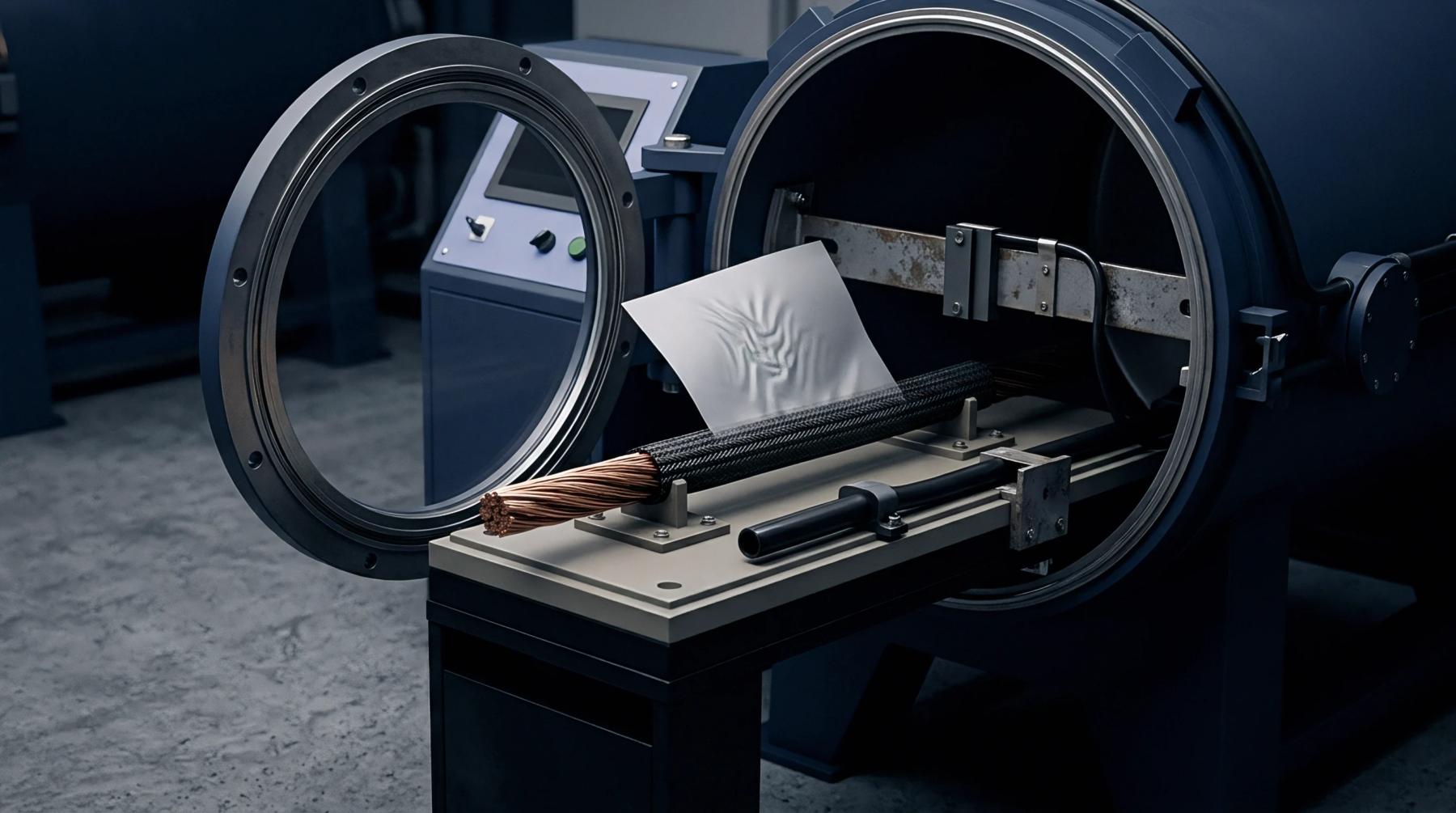
Regulatory standards for transport require that containers survive specific pressure levels without leaking. Validation of burst pressure occurs in a shielded chamber to protect personnel from high-velocity debris. The test confirms that the manufacturing process produces housings capable of withstanding peak internal stresses during a short-circuit event.
Documented results from these tests form part of the safety data sheet for lithium-ion modules. Successful testing proves the structural integrity of the cell enclosure under catastrophic internal conditions.