Meaning
The mechanical piercing of non-conductive surface corrosion during electrical testing ensures direct metal-to-metal contact. Achieving reliable oxide layer penetration is essential when measuring the resistance of aluminum and copper battery terminals. This action prevents false high-impedance readings that would cause acceptable cells to be rejected.
Mechanical Mechanism
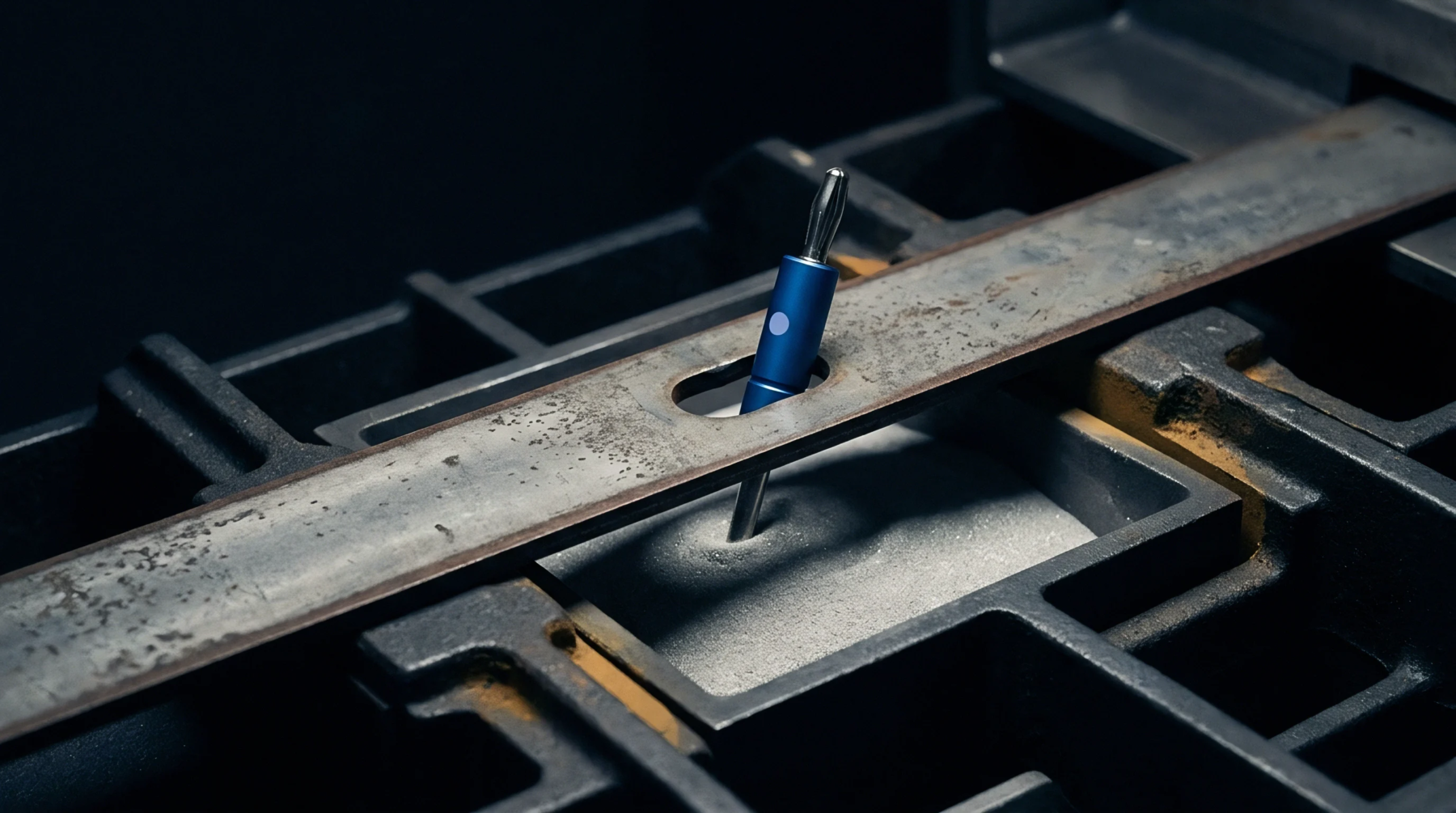
Sharp, spring-loaded test pins with crown or spear tips cut through the hard outer oxide layer as they compress. The mechanical design of the probe forces the tip to twist or scrub across the surface. This motion exposes the fresh, highly conductive metal beneath the corrosion.
Surface Material
Aluminum terminals develop a thin, protective oxide layer almost instantly when exposed to air. Standard flat probes cannot bypass this insulating barrier, resulting in erratic resistance measurements. Utilizing aggressive pin geometries solves this problem by ensuring direct contact.
Tooling Procurement
Sourcing agents select pin materials and plating options that maintain their sharpness over hundreds of thousands of duty cycles. Tips made of hardened steel or coated with rhodium provide the best wear resistance against tough oxides. Although these premium pins have a higher unit cost, they reduce the frequency of line stops for pin replacement.
The resulting improvement in continuous uptime lowers the overall operating expense of the testing department.