Meaning
Concentration metrics that express the proportion of one substance or defect within a million units of another establish the threshold for material purity and manufacturing quality. Sourcing agreements for battery materials specify parts per million limits for critical contaminants like iron or moisture in the electrolyte. Maintaining these low contamination levels is necessary to prevent premature cell degradation and self-discharge.
Defect Measurement
Quality assurance programs also use parts per million to track the frequency of cell failures during mass production. For example, a premier production line might target a failure rate below ten ppm for critical defects. This level of precision requires automated optical and electrical testing at multiple stages of the manufacturing process.
Sourcing Impact
Purchasing managers use these strict purity standards to differentiate between tier-one and tier-two material suppliers. While a slightly higher moisture content in the electrolyte might be cheaper to buy, it creates hydrofluoric acid when it reacts with lithium salts. This chemical reaction eats away at the cathode material, which accelerates capacity loss and shortens the operational lifespan of the final battery pack.
Process Control
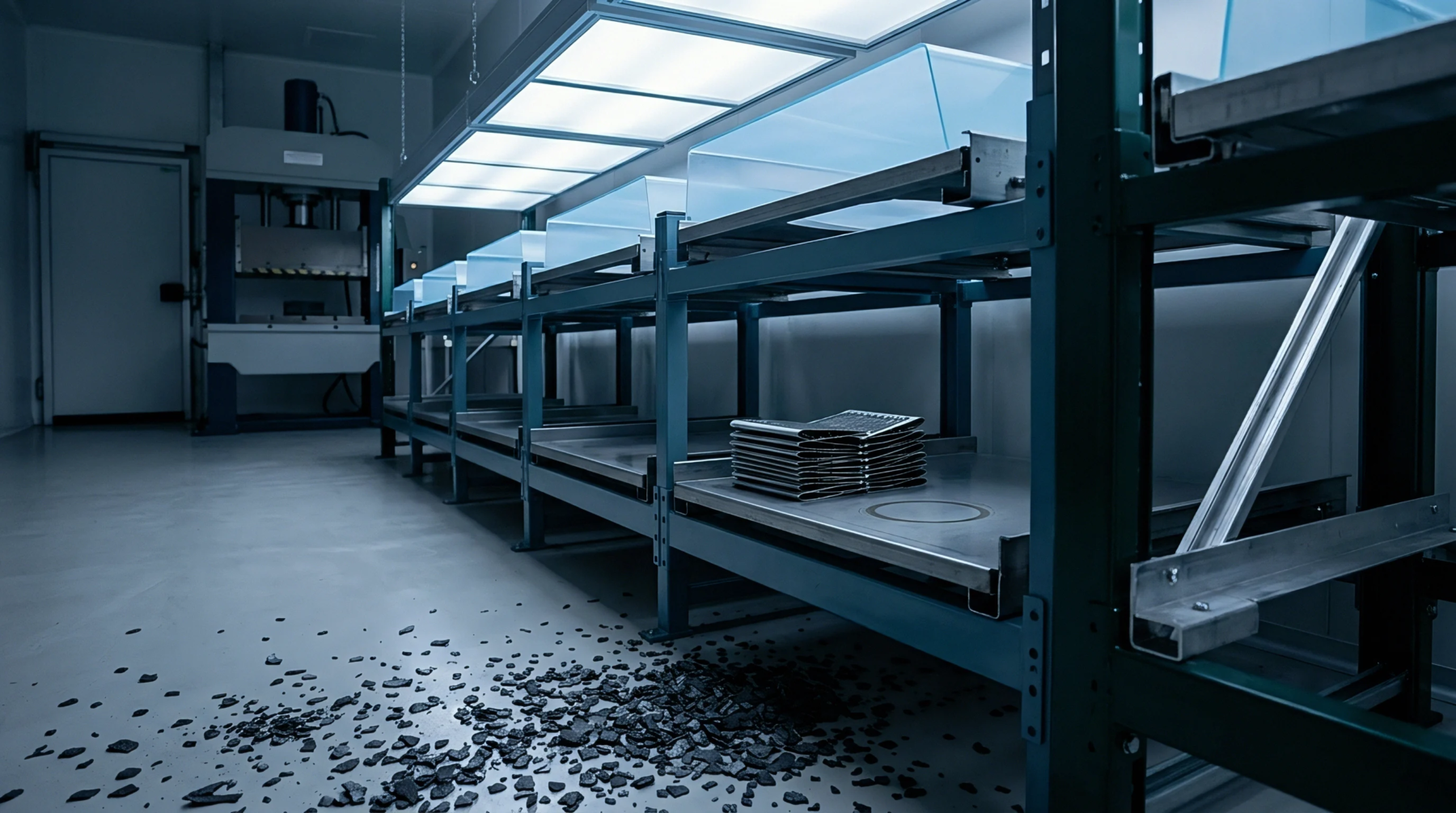
Achieving single-digit concentrations of impurities requires specialized cleanroom facilities with advanced filtration systems. Continuous monitoring of air quality and chemical composition is essential to ensure that contaminants do not exceed the agreed limits during long production runs.