Meaning
Phosphorus oxyfluoride functions as a reactive inorganic gas commonly produced through the partial hydrolysis of phosphorus oxytrichloride or by the reaction of phosphorus pentachloride with arsenic trifluoride. The chemical compound phosphoryl fluoride acts as an intermediate in the synthesis of specialized organophosphorus materials and flame retardant additives. It displays high sensitivity to moisture, undergoing rapid decomposition into hydrogen fluoride and phosphoric acid when exposed to water vapor.
Electrochemical Reactivity
Electrolyte formulations in advanced lithium ion batteries occasionally utilize this species as a stabilizing additive to enhance surface film characteristics on carbonaceous anodes. It influences the composition of the solid electrolyte interphase by incorporating inorganic fluorine components into the passivating layer. Such structural changes reduce the internal resistance of the battery cell over successive charge cycles.
This substance also manages the degradation of lithium salts during elevated temperature storage by scavenging moisture and preventing the formation of deleterious acidic species.
Production Mechanism
Chemical synthesis involves the systematic replacement of chlorine atoms with fluorine within a phosphorus based precursor. Controlling the reaction rate requires precise temperature management because the process generates significant exothermic energy that triggers rapid pressure increases. Industrial handling protocols dictate the use of corrosion resistant materials like Monel or stainless steel alloys to withstand the aggressive nature of the fluorinated byproduct.
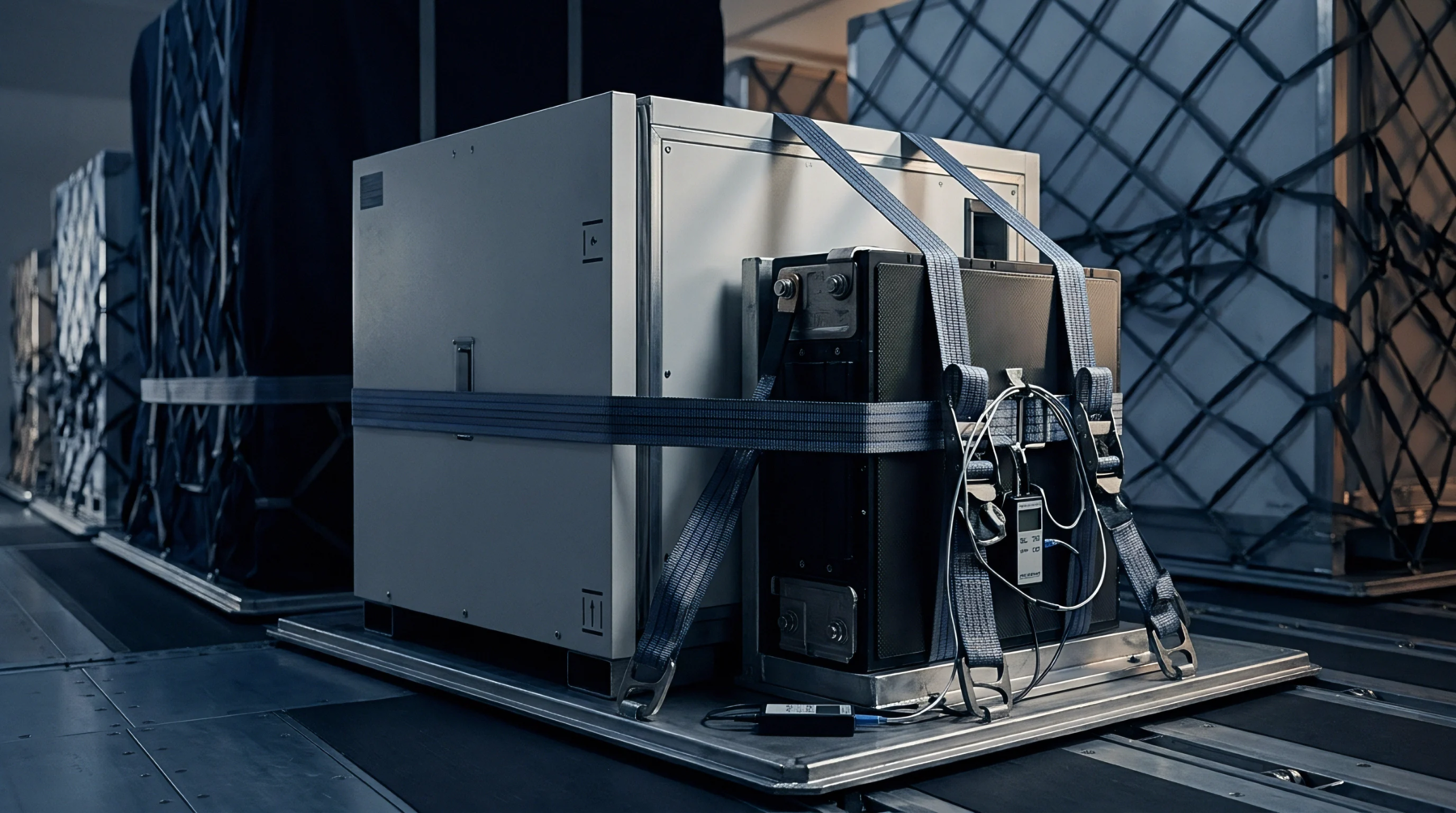
Closed loop pressure vessels maintain the containment of the gas during transport and storage phases to prevent environmental contamination.
Handling Requirement
Safety standards categorize the gas as highly toxic and corrosive, demanding stringent atmospheric monitoring and containment procedures for personnel protection. Storage containers remain under negative pressure within secondary vaults to ensure that leaks do not reach the external environment. Dedicated ventilation systems equipped with alkaline scrubbers neutralize unintended releases before discharge into the atmosphere.
Proper operational containment minimizes the risk of respiratory harm or structural equipment damage.