
Anode Overpotential Monitoring in Commercial Lithium Ion Fast Charging Applications
Active anode potential tracking prevents metallic lithium plating, extending cell life and enabling safe 15-minute fast charging in high-power battery packs.
Active anode potential tracking prevents metallic lithium plating, extending cell life and enabling safe 15-minute fast charging in high-power battery packs.

Subzero cell performance depends on lowering desolvation activation energy through modified solvation sheath chemistry to prevent low-temperature anode plating.

Mechanical reference alignment in swelling test channels requires frame compliance compensation and invar sensor arms to eliminate micrometer displacement errors.

Advanced cathode interphase diagnostics combine cryogenic vacuum spectroscopy with operando gas analysis to prevent high-voltage capacity fade and regulatory transport rejections.

Dynamic pressure between 4.0 and 6.0 MPa prevents interfacial vacancy voids in sulfide electrolytes, shifting cell failure liability to pack-level tooling.

Maintaining 5 MPa stack pressure suppresses lithium void growth during high-rate stripping while active spring packs prevent separator fracture.

Non-equilibrium phase partitioning in multi-component alloy anodes is predicted using coupled phase-field flux equations to bound interfacial diffusion speeds.

Subzero charging forces graphite anode potential below zero volts against lithium, driving metallic plating over intercalation and causing rapid battery capacity loss.
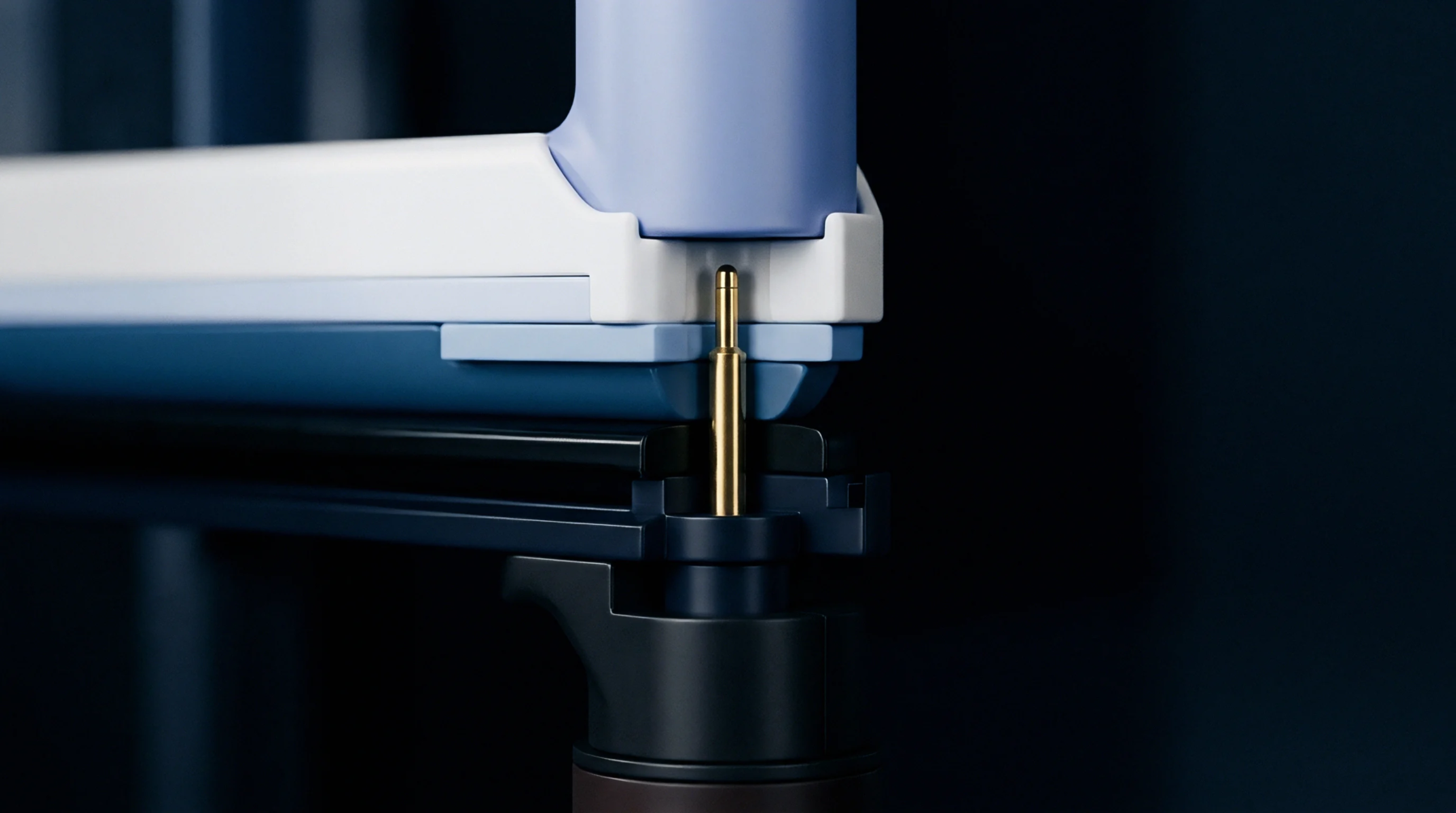
Solid state spring plate allowances absorb 10 to 18 percent cell volumetric strain while bounding contact pressure between 1.0 and 4.0 MPa across cell life.

Prismatic cell initial mechanical preload limits must balance interfacial contact impedance suppression at 0.15 to 0.35 MPa against EOL structural frame stress.
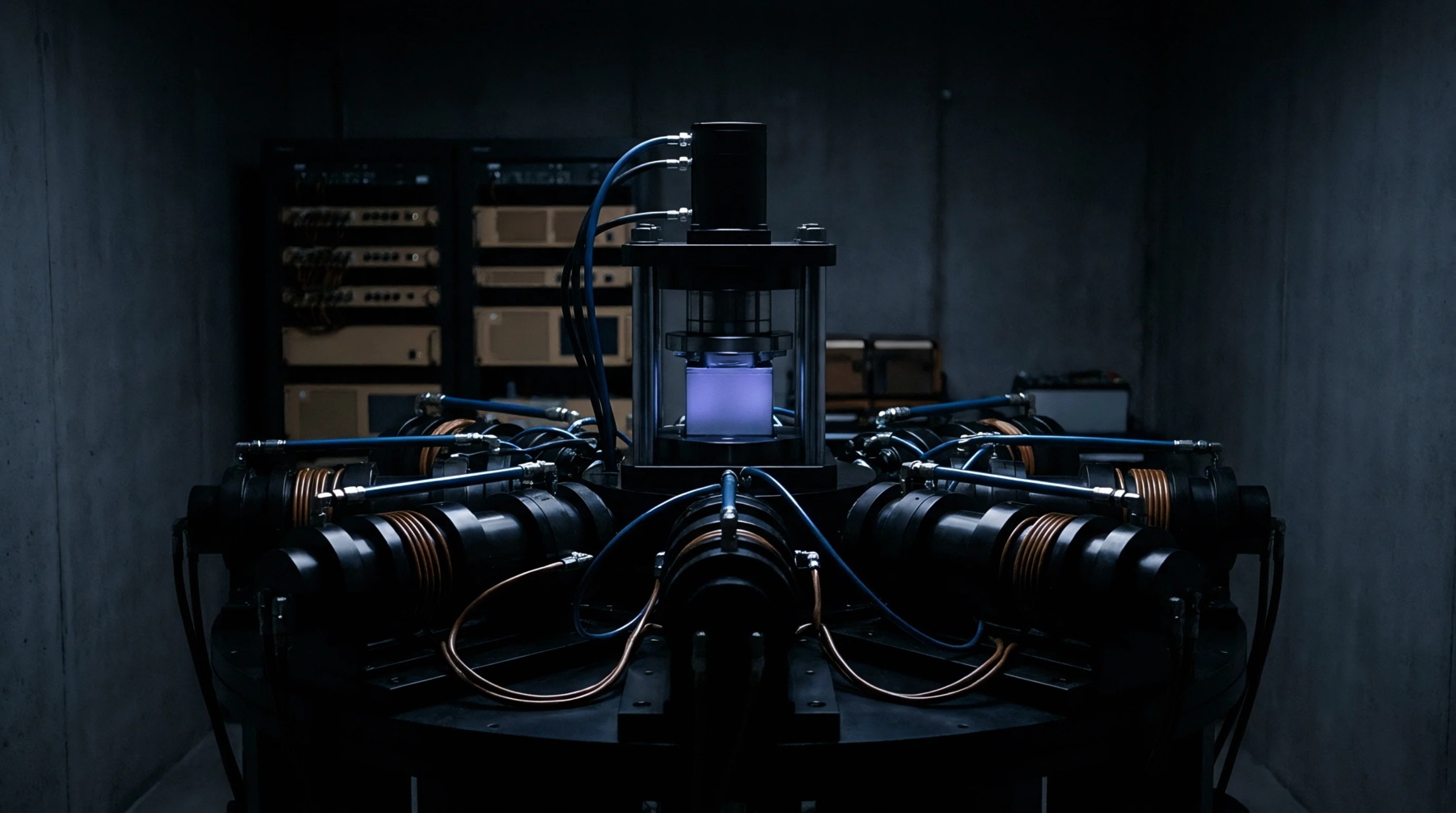
Dynamic fast-charge swelling pressure in structural cell-to-pack enclosures requires bounded preloads to suppress lithium plating without crushing separators.

Dynamic impedance matching and symmetrical busbar resistance prevent destructive circulating currents and accelerated capacity fade in parallel cell strings.
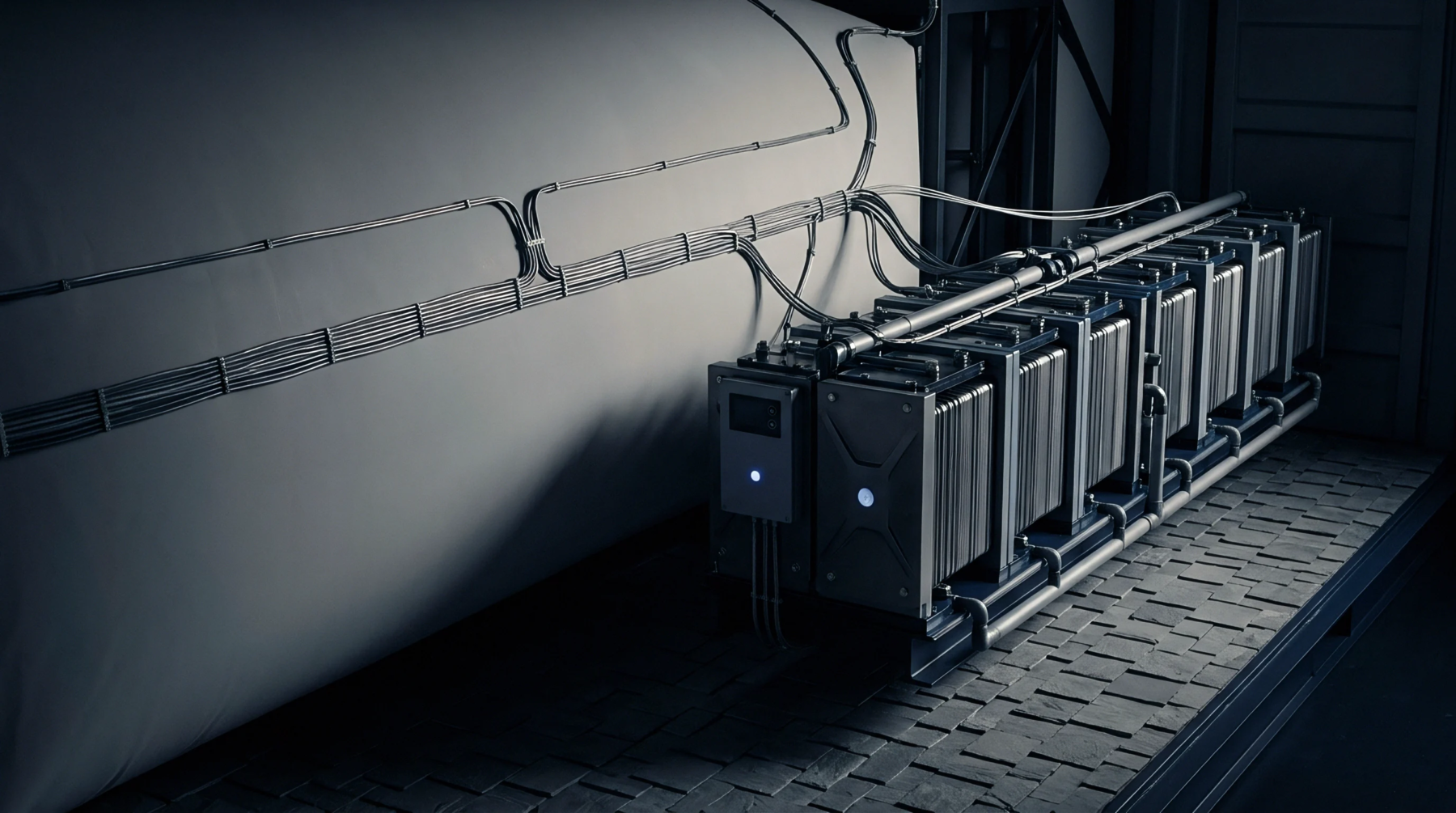
Sub-zero battery warranty claims require high-frequency relaxation telemetry and differential voltage analysis to isolate operational cold charging from manufacturing cell defects.

Automotive incoming cell acceptance requires four-wire Kelvin 1 kHz AC impedance screening combined with statistical Cpk thresholding at strict thermal equilibrium.

Fix format, compression pads, NRE tooling costs, and BMS regulatory boundaries before signing supply contracts to avoid costly re-tooling and unhedged liability.
Expertise is a utility, not a secret. sentiention™ publishes its working knowledge as open reference: intelligence layer covering the materials it sources, the markets it enters, and the reference that serves both.