
Quantifying Metal Migration and Solid Electrolyte Interphase Degradation at Anodes
Quantifying transition metal migration and anode interphase decay determines actual lifetime cell energy throughput and prevents premature system replacement.
Quantifying transition metal migration and anode interphase decay determines actual lifetime cell energy throughput and prevents premature system replacement.

Sub-zero charging forces irreversible metallic lithium plating on graphite, demanding precise dQ/dV diagnostics and rigorous telemetry logging to enforce warranty remedies.

GC-SIM calibration for battery permeation quantifies trace solvent leaks, proving cell hermetic containment to satisfy transport regulations and warranty specs.

Thick silicon-graphite anodes charged below freezing suffer acute diffusion choke and lithium plating forcing current derating below zero point zero five C.
Electrolyte desolvation barriers and tortuosity-induced salt depletion starve inner anode pores during fast charging, triggering destructive lithium plating.

Operando acoustics and dQ/dV resolve additive boundaries down to 0.2 wt% before catastrophic gassing and rapid impedance growth compromise warranty life.
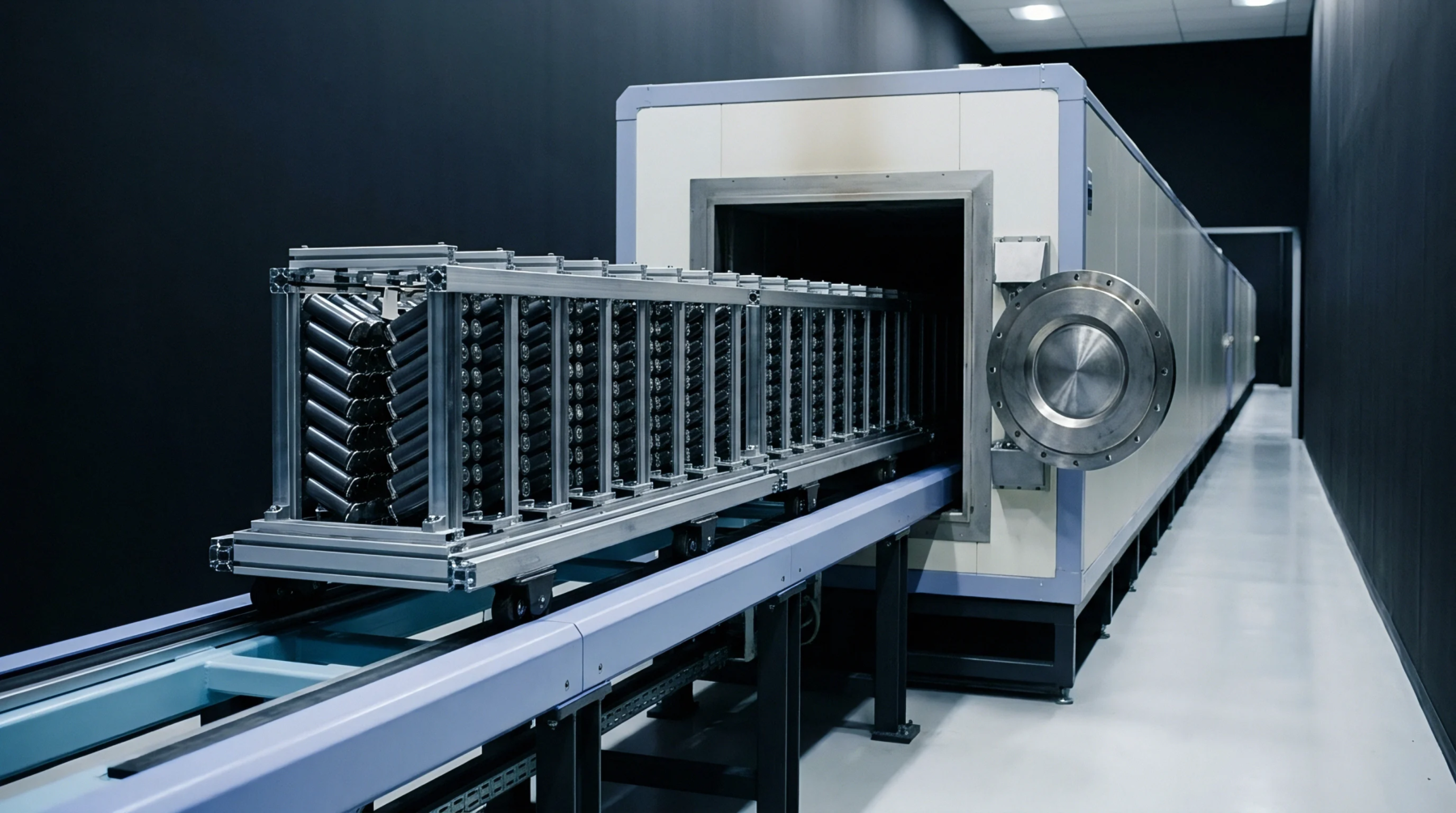
Fluoroethylene carbonate consumption scales directly with active silicon surface area and volume swing, requiring precise dosage to prevent rollover failure.
High rate lithiation suppresses crystalline Li15Si4 formation while steep diffusion gradients amplify mechanical fracture and interfacial SEI growth in silicon.
Hard carbon anode selection balances d002 spacing above 0.37 nm, BET area under 3 m2/g, and calender density below 1.05 g/cm3 to secure 88% initial efficiency.
Expertise is a utility, not a secret. sentiention™ publishes its working knowledge as open reference: intelligence layer covering the materials it sources, the markets it enters, and the reference that serves both.