Meaning
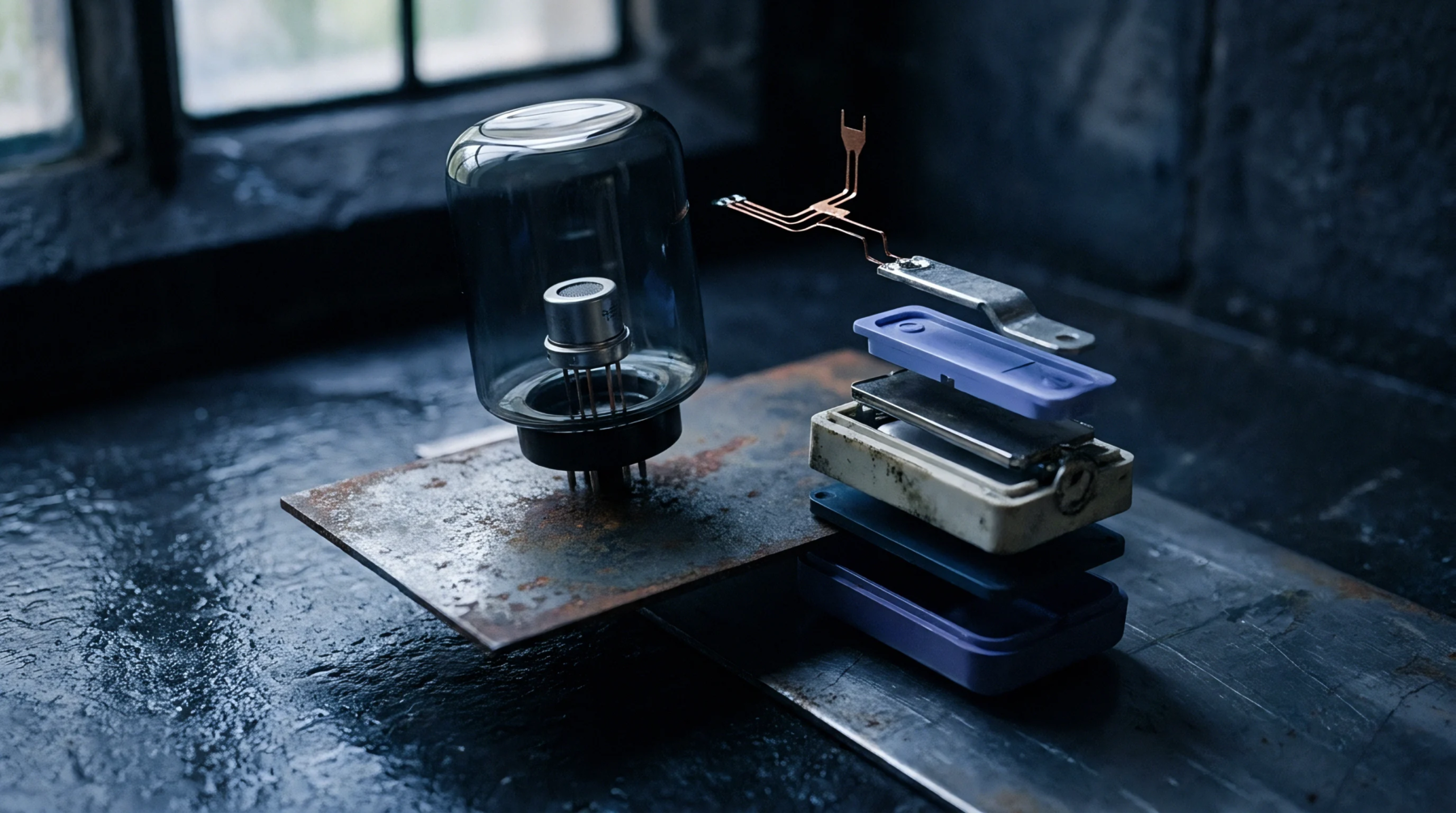
Mechanical components under continuous or cyclic stress can undergo irreversible deformation once the applied force exceeds their elastic threshold. Experiencing plastic strain in the clamping brackets of a battery pack can lead to structural failure. This change indicates that the stresses have permanently altered the material.
Structural Consequence
When the holding brackets of a module deform permanently, they no longer apply the required compression to the cells. This loss of physical support allows the cells to expand further, which accelerates electrochemical degradation. Furthermore, plastic strain in the copper busbars can create severe electrical contact issues and increase resistance, resulting in dangerous localized heating during high current charging or discharging cycles.
Material Limit
Engineers must select materials with a high yield strength to prevent this permanent deformation. Steel and advanced aluminum alloys are common choices because they remain elastic under the expected swelling pressures of the cells. Sourcing teams analyze these material properties to ensure the pack enclosure meets the target lifetime of the vehicle.
Testing Procedure
Hardness and elongation tests are conducted on the metal plates to verify their resistance to permanent deformation. Designers apply cyclic forces to the module to measure the onset of plastic strain under extreme operating conditions. This empirical data ensures that the battery module survives the mechanical shocks and vibration experienced during vehicle use.