Meaning
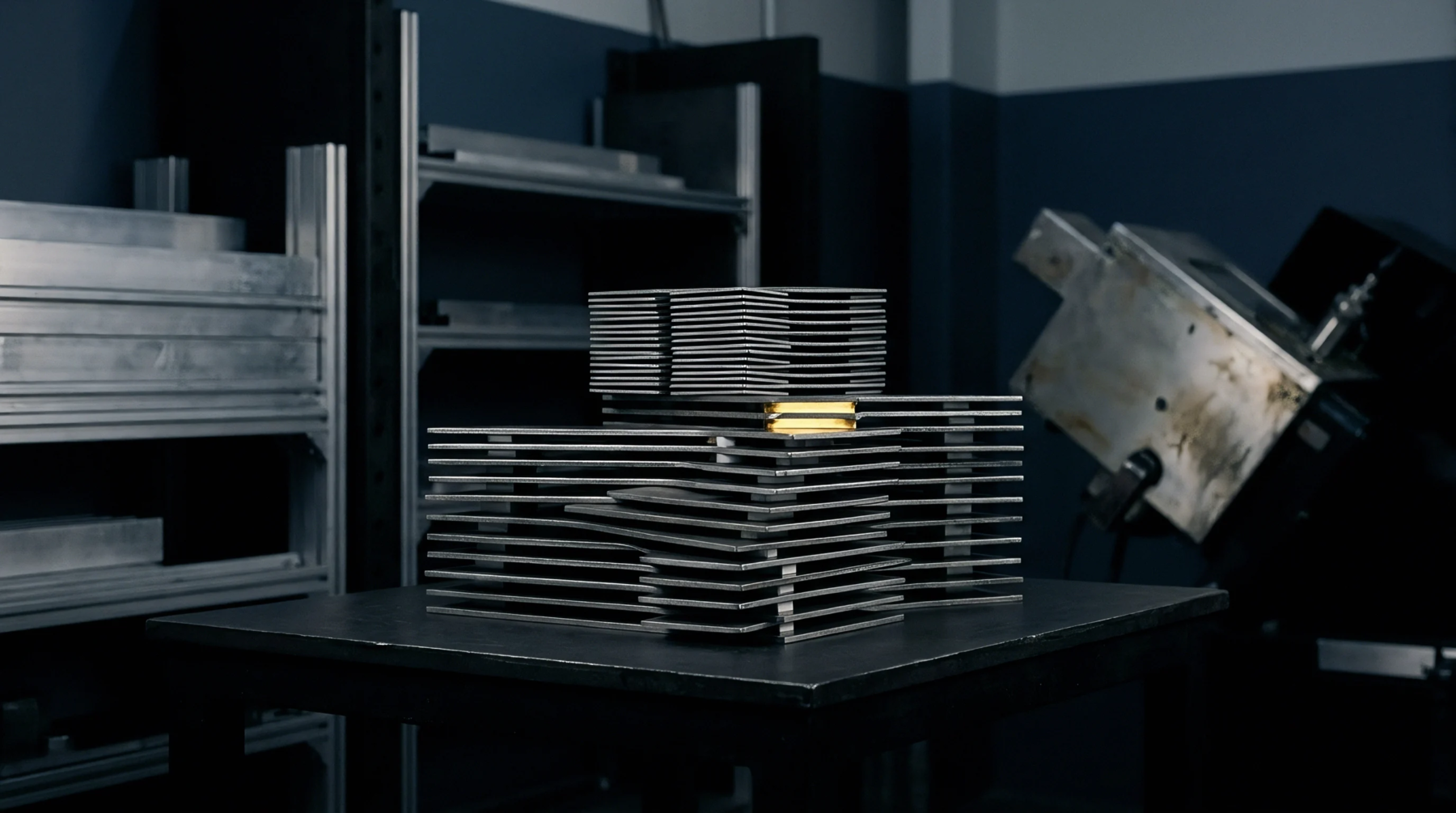
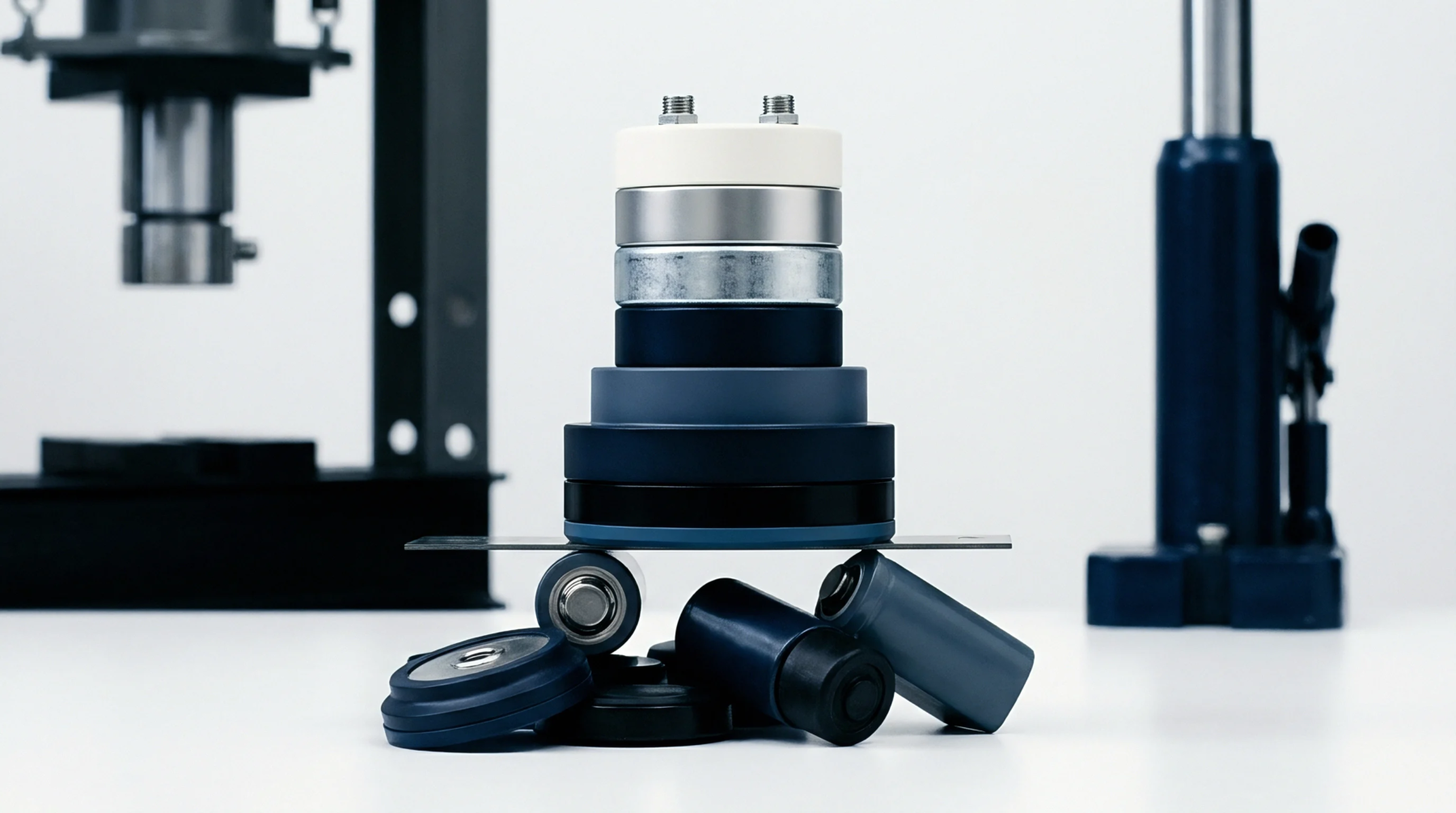
Dimensional expansion across metallic casing walls occurs as internal electrode rolls expand from lithium insertion and gas accumulation during cycling. Metallic flat faces deform outward under internal mechanical pressure, altering physical dimensions and module fitment tolerances. Tracking prismatic cell swelling provides necessary data for sizing compression gaps and designing module containment structures in high voltage battery systems.
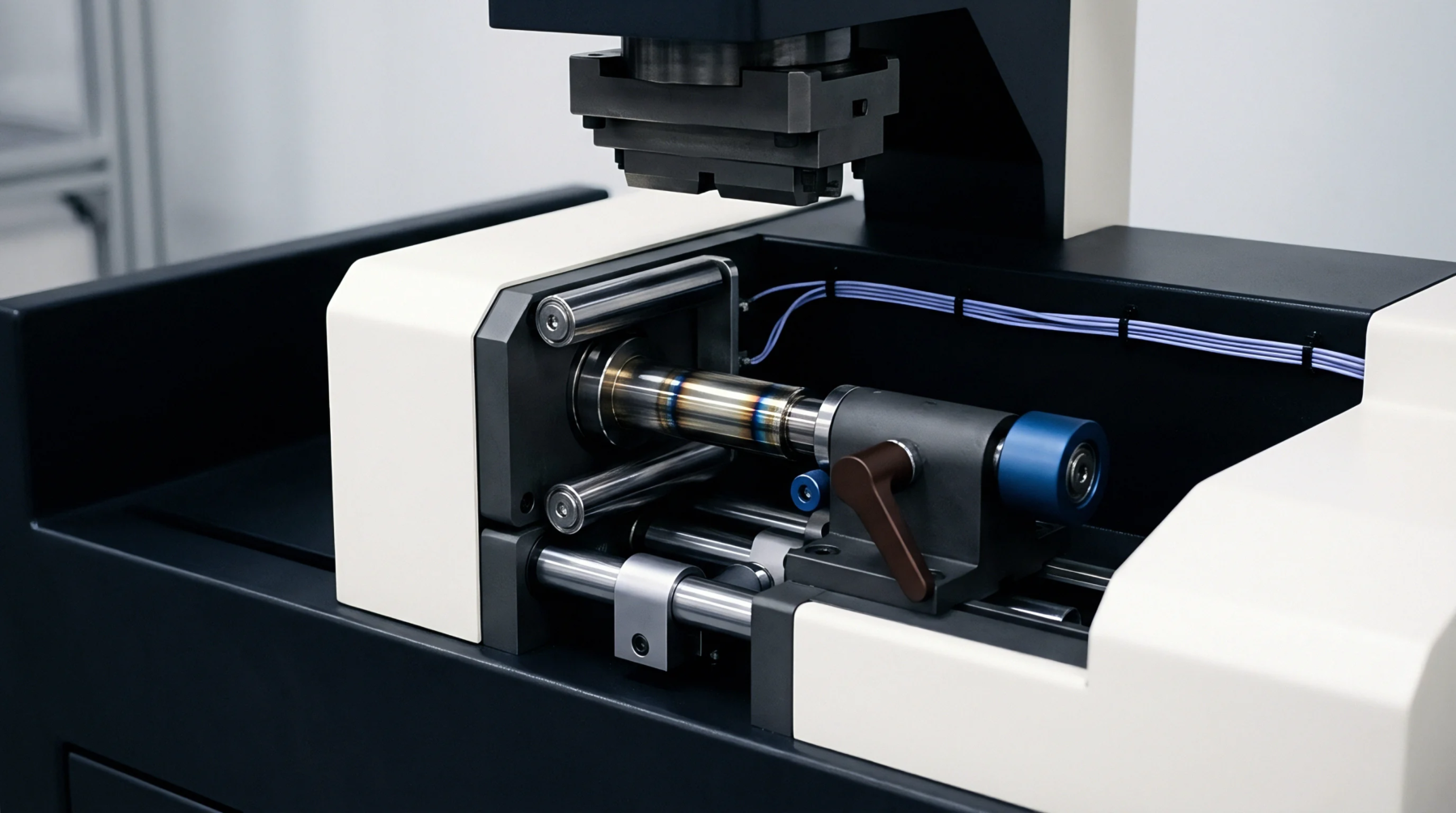
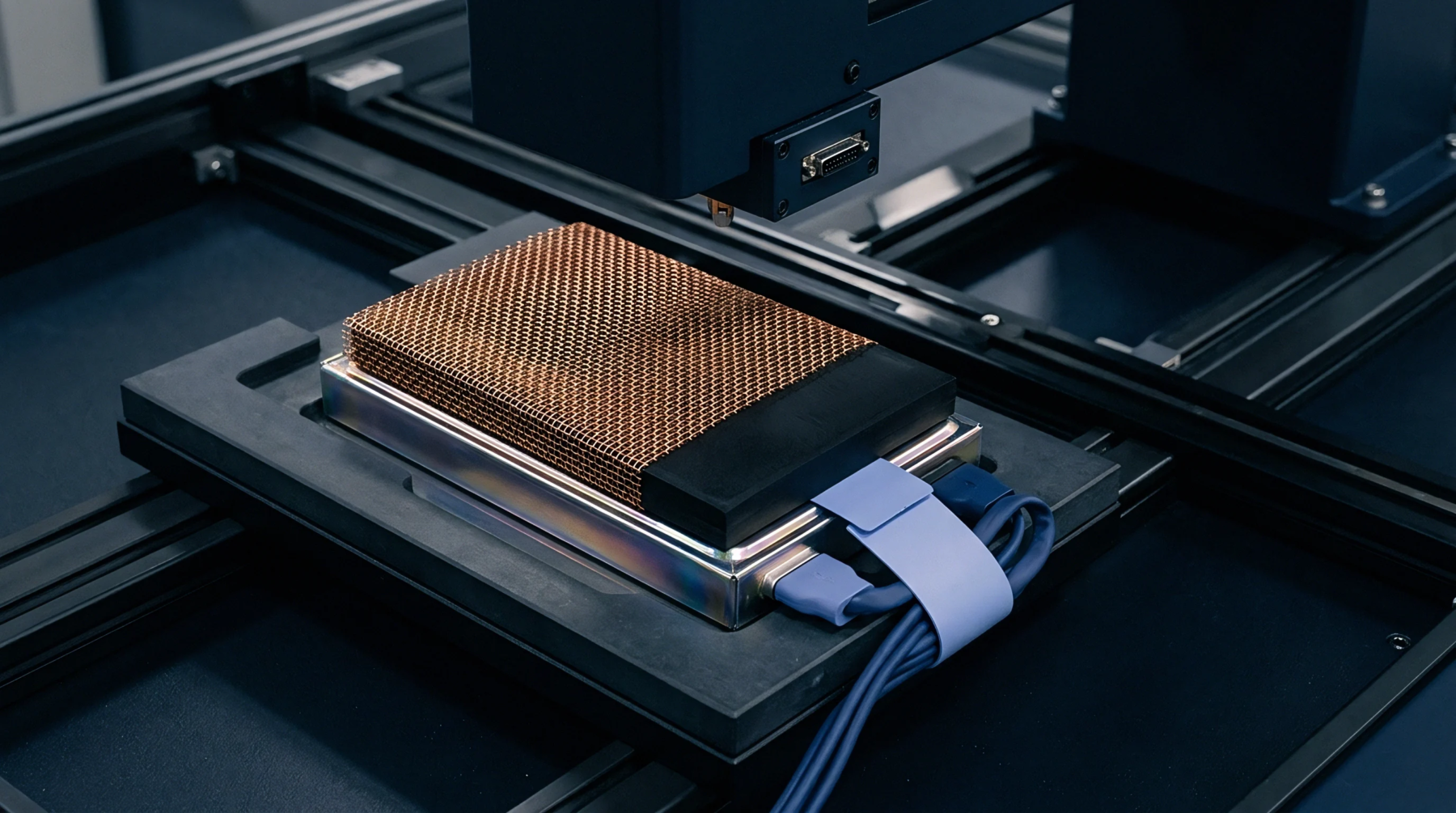
Reversible swelling arises from electrode lattice volume changes during charge and discharge steps. Irreversible swelling results from solid electrolyte interphase growth and parasitic electrolyte degradation reactions over time. Optical profiling and laser displacement sensors quantify wall deflection across varying state of charge levels and ambient temperatures.
The boundary of this measurement covers external case deformation under normal operational parameters and excludes case rupture from internal overpressure venting events.
Case Wall Deflection
Aluminum or steel outer walls flex outward in response to mechanical pressure exerted by expanding internal jelly rolls or stacked electrodes. In prismatic cell swelling, maximum outward deflection occurs at the geometric center of the broad side faces where structural stiffness is lowest. Flexing causes structural stress concentrations along welded case seams and corner joints, increasing risk of weld seam fatigue cracking over time.
External mechanical support plates suppress face bowing to maintain physical alignment within module frames.
Internal Pressure Distribution
Swelling pressure compresses internal separator layers unevenly, creating higher stress at the center of electrode sheets than near casing edges. Uncontrolled prismatic cell swelling forces liquid electrolyte toward outer casing margins, leaving central electrode regions partially dry. Non-uniform electrolyte distribution increases local current density variations, accelerating localized degradation and lithium plating risks.
External preloads counter face bowing to preserve uniform electrolyte distribution across electrode surfaces.
Module Structural Integration
Module end plates and tie rod assemblies restrain broad face expansion to preserve dimensional stability within vehicle battery compartments. Managing prismatic cell swelling prevents mechanical interference with adjacent cooling plates and maintains stable electrical contact across rigid busbar interconnects.