Meaning
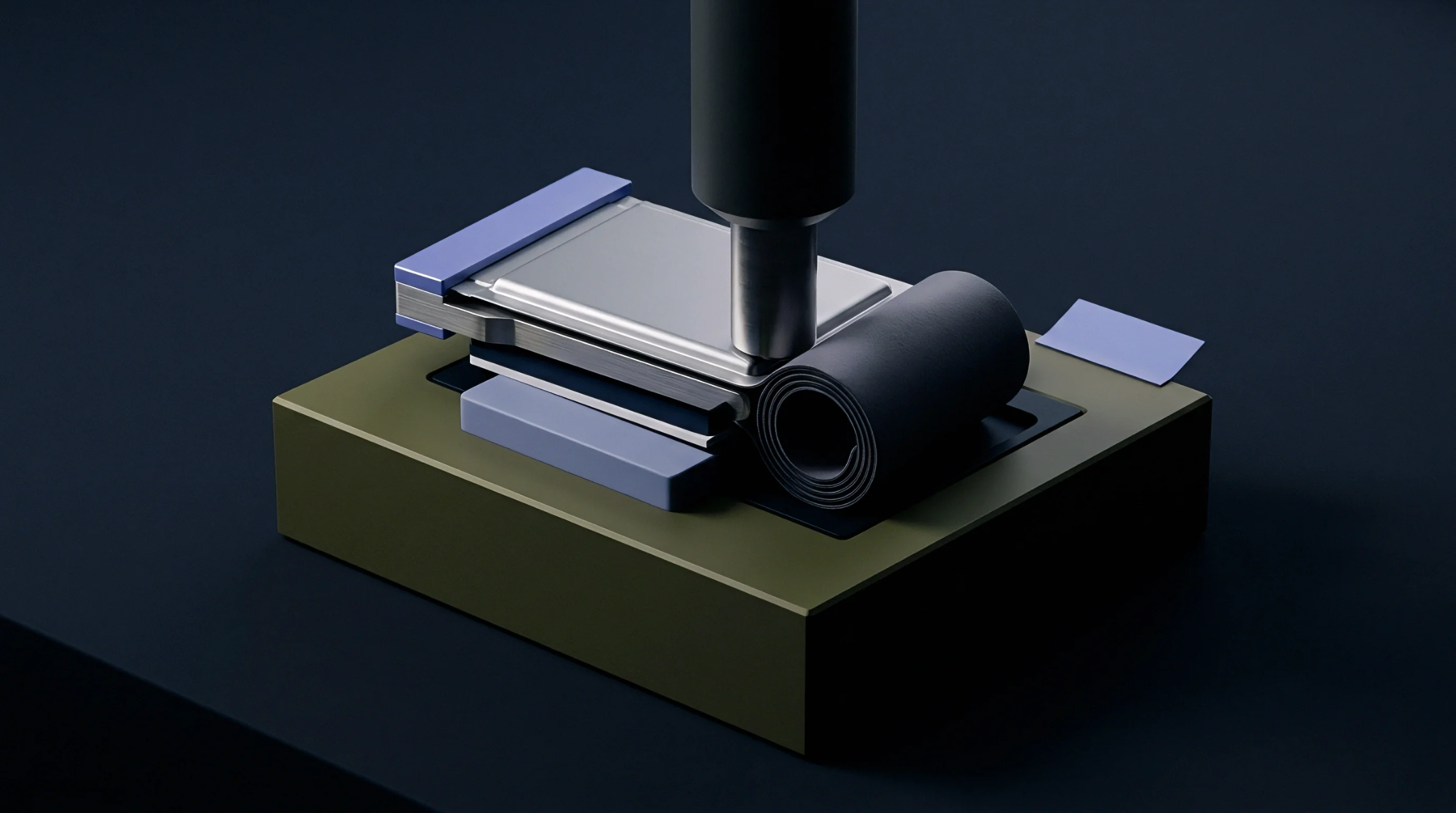
Laser metal deposition establishes a permanent metallic union between the terminal busbar and the structural housing of a large format prismatic lithium ion cell. The prismatic top plate weld secures the current carrying collector to the container lid while maintaining a hermetic boundary against atmospheric moisture ingress. Electrical resistance across this joint governs internal thermal generation during high discharge cycles in heavy duty traction applications.
Mechanical integrity along the weld seam prevents electrolyte leakage under sustained vibrational stress typical of commercial transport operations. Manufacturing specifications dictate precise beam positioning to avoid thermal degradation of the internal jelly roll assembly located directly beneath the lid structure.
Current Conduction
High amperage transmission relies on metallurgical continuity established by the weld geometry across dissimilar metal interfaces typically combining copper and aluminium transition metals. Electrical current flows from the internal electrode stack through the collector tab into the top plate assembly without encountering high resistance localized bottlenecks. Voltage drop measurements across the joint quantify the electrical efficiency achieved during final assembly line production testing.
Thermal imaging during rated continuous discharge verifies that resistive heating remains below acceptable safety thresholds established for the cell format.
Joint Metallurgy
Laser parameter optimization prevents brittle intermetallic compound formation between copper and aluminium alloys within the fusion zone. Metallurgical cross section analysis verifies adequate penetration depth without excessive porosity or micro cracking along the transition boundary. Solidification cracking risks increase when beam energy density fluctuates beyond narrow tolerance bands during high speed automated production runs.
Protective inert gas shielding prevents oxidation of the molten pool during the short duration thermal cycle.
Inspection Protocol
Automated optical inspection systems evaluate surface profile uniformity and dimensional continuity along the entire perimeter of the joint. Acoustic monitoring sensors detect subsurface anomalies and micro fissures in real time during the laser firing sequence. Destructive tensile testing of sample coupons drawn from active production lots confirms that mechanical shear strength exceeds the minimum load rating specified for the housing design.
Helium leak detection methods verify hermetic seal integrity before the cell advances to final formation charging stages.