Meaning
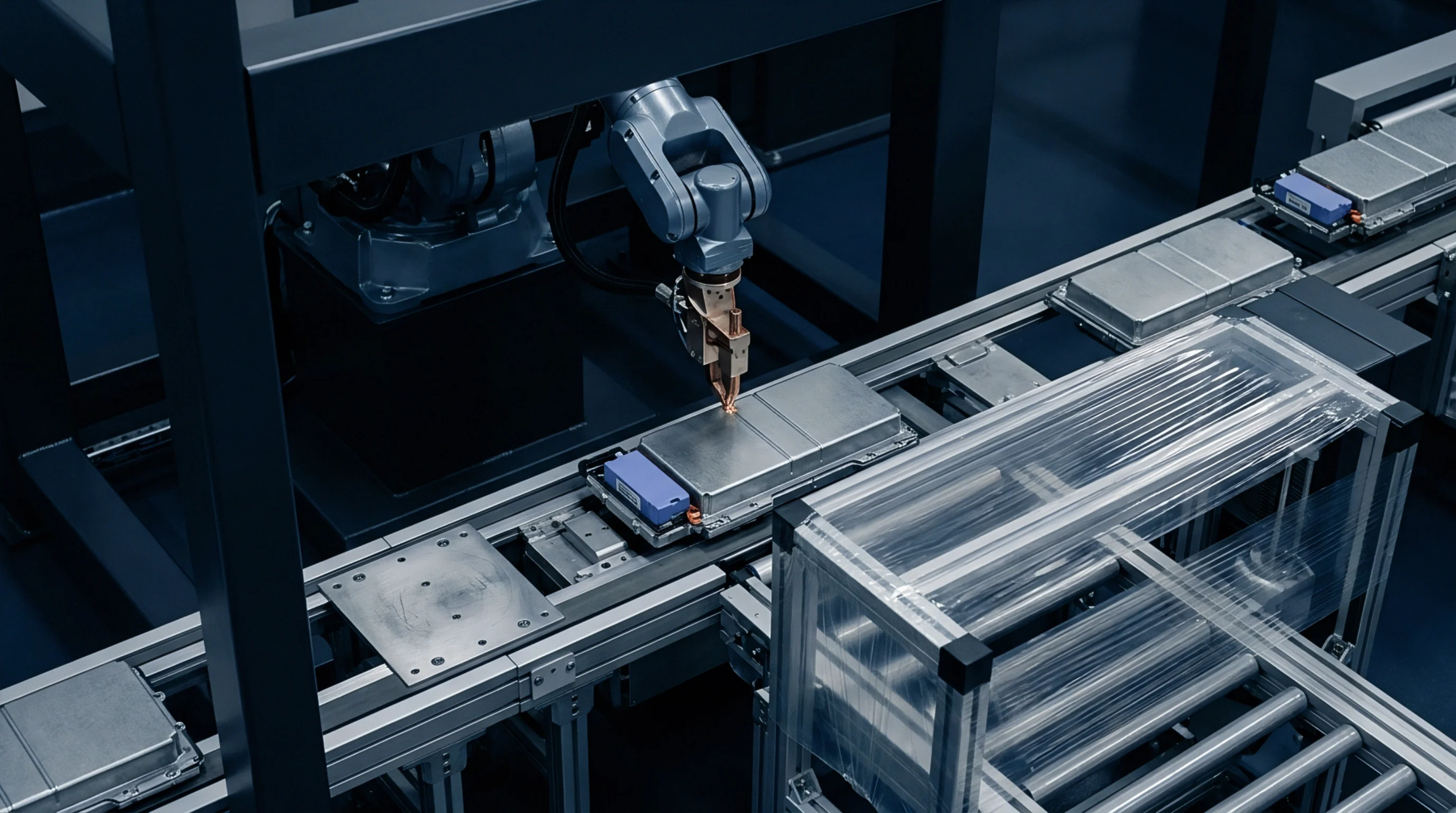
Mechanical adhesion quantification assesses the force required to separate two bonded surfaces by pulling them apart at a set angle. Pry-peel testing employs a standardized probe or lever to initiate separation at the interface of a thin film or adhesive layer. Engineers utilize this destructive evaluation to verify the structural integrity of bonds against shear and tensile forces.
Such measurements identify potential weaknesses in lamination or coating processes.
Force Distribution
Internal bond energy determines the resistance encountered during the removal of the substrate. This pry-peel testing methodology subjects the interface to a concentrated load that tracks the propagation of the fracture line. Operators observe the peak resistance values to confirm that the material meets minimum performance specifications.
Variations in substrate roughness or application pressure directly alter the recorded separation force. Stable adhesion requires a uniform energy distribution across the entire contact surface.
Surface Interface
Environmental conditions influence the chemical stability of the bond during the separation process. Temperature fluctuations during pry-peel testing change the viscoelastic behavior of adhesives, which causes divergence in the calculated bond strength. Humidity levels also degrade the interface if moisture ingress occurs before the evaluation begins.
High bond values suggest proper surface preparation or sufficient curing time, while low values point to contamination or improper application techniques. Reliable data depends on maintaining consistent environmental parameters during the entire procedure.
Procedural Protocol
Adhesion assessment follows a strict sequence to ensure data repeatability across different laboratory environments. Technicians first calibrate the measurement equipment to establish a baseline for the force sensors. They then execute the pry-peel testing cycle at a constant velocity to minimize the impact of kinetic energy on the final reading.
Recording the transition from static friction to dynamic separation provides a comprehensive view of the failure mode. Accurate control over the speed of the separation stroke remains the primary factor for achieving verifiable consistency in quality control reports.