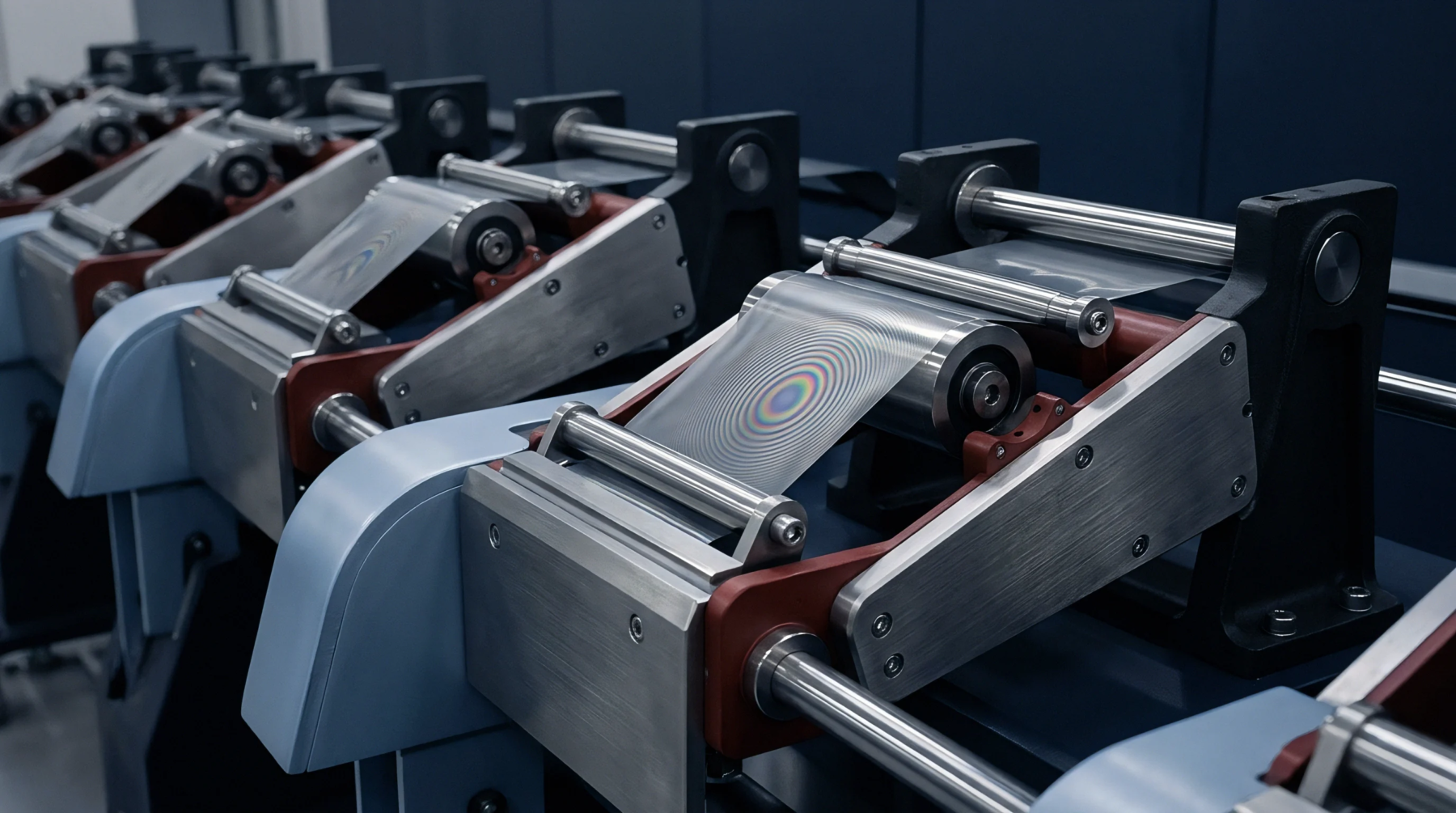
Grading Games in the Secondary Cell Market
Secondary cell sorting games artificially elevate capacity ratings via thermal and discharge rate manipulation, requiring strict incoming testing to avoid severe pack failure.
Secondary cell sourcing defines the procurement protocol where an original equipment manufacturer obtains battery modules from a third party provider rather than from an in-house manufacturing division. This secondary cell sourcing model governs the integration of external energy storage hardware into finished vehicle or stationary grid assemblies. It applies exclusively to the contractual purchase of finished electrochemical units that meet predefined voltage, capacity and chemistry specifications.
The boundary for this definition rests at the point of delivery to the assembly line, stopping where internal testing or pack integration commences. Buyers employ this practice to manage supply chain volume requirements while bypassing the capital intensive necessity of domestic gigafactory production during periods of sudden market demand surges.
Organizations apply secondary cell sourcing as a mechanism to balance regional production deficits by importing verified hardware from validated global suppliers. Contracts for this activity specify the performance tolerance and chemical composition required for compatibility with proprietary battery management software. When external manufacturers supply these units, the procurement department verifies certification documents such as transport safety compliance and thermal stability testing records.
These documents provide the legal assurance that the delivered units conform to the requested safety benchmarks before installation occurs. Because third party vendors operate distinct production lines, the sourcing team enforces strict quality audits to minimize variance in electrolyte purity and electrode alignment. This oversight prevents the introduction of low density cells that would otherwise reduce the energy output or the cycle life of the finalized battery pack assembly.
Logistics managers utilize secondary cell sourcing to maintain continuous assembly operations when internal primary production lines face maintenance pauses or material shortages. This secondary cell sourcing arrangement provides a buffer against operational interruptions because multiple regional suppliers hold inventory ready for immediate shipment. Each incoming shipment undergoes rigorous verification at the facility gate to confirm the state of health and voltage consistency across all batches.
If the variance between individual units exceeds the tolerance threshold, the receiving team rejects the entire batch to prevent downstream faults. The mechanism relies on consistent data exchange between the buyer and the vendor regarding cell serial numbers and manufacturing timestamps. Such transparency allows the integration team to group units with similar performance profiles into single modules to maximize the reliability of the output current.
Engineering teams select partners for secondary cell sourcing based on the proven electrochemical performance and the scale of the facility capacity owned by the vendor. This qualification process requires the supplier to demonstrate consistency in the assembly of cathode and anode layers through destructive testing and long term environmental simulation. Potential vendors submit sample batches that undergo cycling tests under extreme temperature fluctuations to measure capacity degradation patterns.
Only vendors that maintain stable performance metrics over three hundred charge cycles receive approval for high volume supply contracts. The sourcing agreement includes penalty clauses for the delivery of hardware that fails to match the electrical signature of the reference sample provided during the initial audit. Secondary cell sourcing represents the most effective technical solution for managing the variable output of battery hardware in volatile market environments.
Secondary cell sorting games artificially elevate capacity ratings via thermal and discharge rate manipulation, requiring strict incoming testing to avoid severe pack failure.
Expertise is a utility, not a secret. sentiention™ publishes its working knowledge as open reference: intelligence layer covering the materials it sources, the markets it enters, and the reference that serves both.