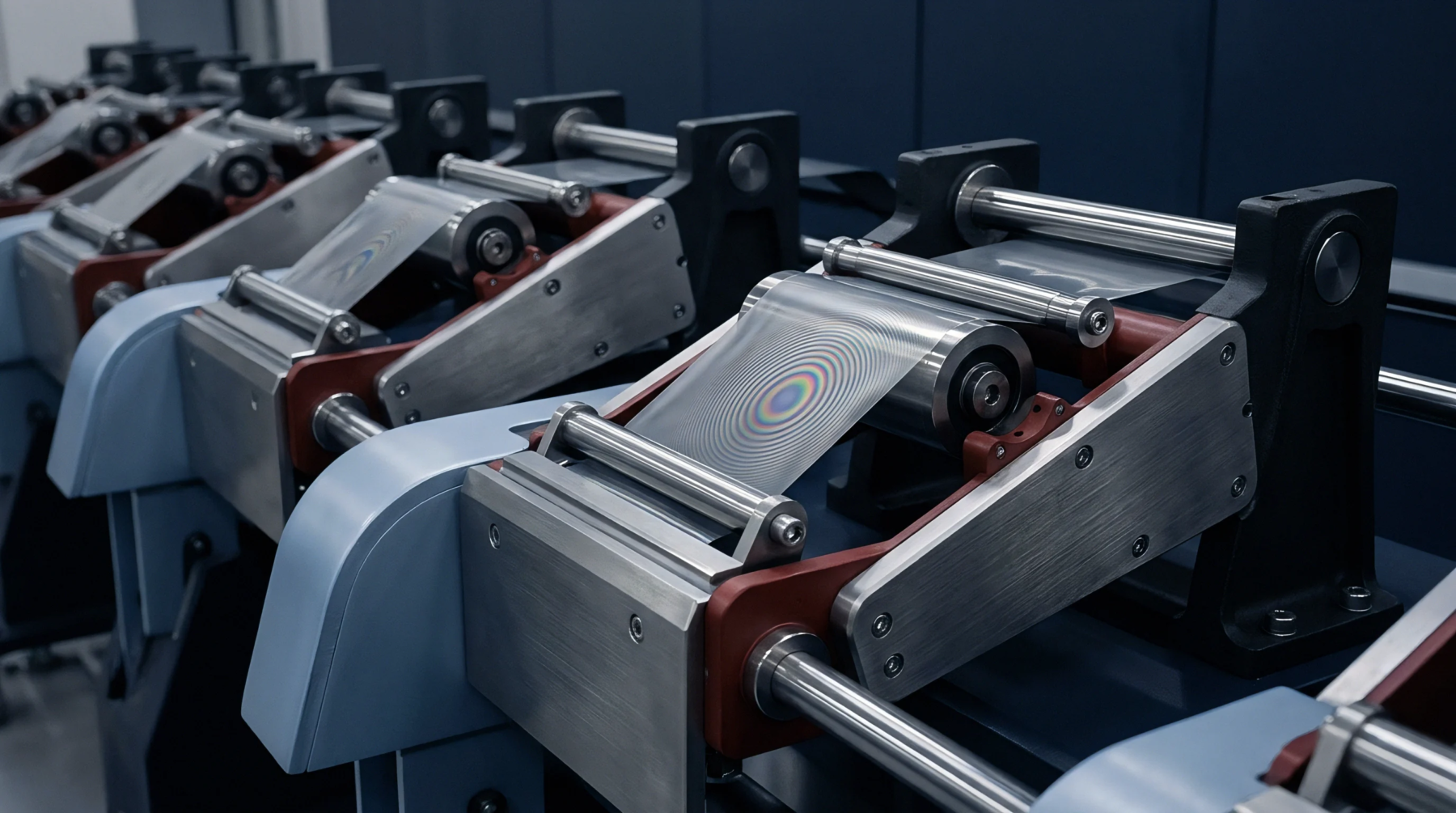
Grading Games in the Secondary Cell Market
Secondary cell sorting games artificially elevate capacity ratings via thermal and discharge rate manipulation, requiring strict incoming testing to avoid severe pack failure.
Battery warranty reserve liability is an accounting provision recognized on a balance sheet to cover anticipated future costs associated with fixing or replacing defective energy storage products under contractual performance guarantees. Accountants calculate the figure by multiplying historical failure rates by the estimated cost of field service interventions and material replacements over the multi-year duration of the sales agreement. The obligation stops applying once the stated guarantee period expires or when the specific customer claim is fully settled through repair, replacement or cash compensation.
This liability dictates the liquidity buffer a manufacturer must maintain to absorb unexpected quality defects in large commercial deployments.
Actuaries determine the monetary scale of battery warranty reserve liability by analyzing historical degradation curves, factory defect logs and return merchandise authorizations from operational field fleets. Field data feeds statistical algorithms that project how many installed units will fail prematurely due to internal short circuits, separator anomalies or thermal management failures. Engineers provide test bench metrics showing cycling endurance limits under harsh ambient temperatures, which adjusts the predicted failure distribution upward for tropical installations.
Financial controllers review these actuarial models quarterly, adjusting the provision upward when manufacturing defect rates rise or downward when cell chemistry stabilizes. Procurement teams rely on the resulting financial provision when negotiating supply chain contracts with tier one cathode material suppliers, demanding indemnification clauses that mirror the duration of the underlying customer commitments.
Corporate treasurers manage battery warranty reserve liability as a current or noncurrent liability depending on when the expected remediation expenses will materialize over the operating cycle. Auditors inspect the supporting documentation during annual reviews, verifying that the statistical models align with actual historical claims paid out to commercial clients. Manufacturing executives monitor the metric because an expanding liability directly reduces net income and signals underlying quality control deficiencies on the factory floor.
Insurance underwriters examine the same financial ledger when quoting product liability policies for gigawatt-scale production facilities, pricing their premiums against the historical accuracy of the reserve calculations. Credit rating agencies factor the size of the provision into their solvency assessments, penalizing firms whose provisioning ratios fall below industry averages for heavy industrial equipment manufacturers.
Commercial negotiations hinge on the duration and scope of battery warranty reserve liability because buyers demand robust financial backing for promised energy throughput and capacity retention figures. Legal counsel drafts specific remedy clauses that define the exact threshold of degradation required to trigger a valid replacement claim under the supply agreement. Quality assurance directors translate these contractual thresholds into internal manufacturing tolerances, ensuring that outgoing cells exceed the minimum electrochemical performance standards promised to the end user.
Corporate accountants track actual cash outflows against the established reserve balance, recording adjustments whenever field data deviates from the original actuarial projections. This balancing act determines the true profitability of large energy storage sales by exposing the hidden costs of early field failures before cash actually leaves the business.
Secondary cell sorting games artificially elevate capacity ratings via thermal and discharge rate manipulation, requiring strict incoming testing to avoid severe pack failure.
Expertise is a utility, not a secret. sentiention™ publishes its working knowledge as open reference: intelligence layer covering the materials it sources, the markets it enters, and the reference that serves both.