Meaning
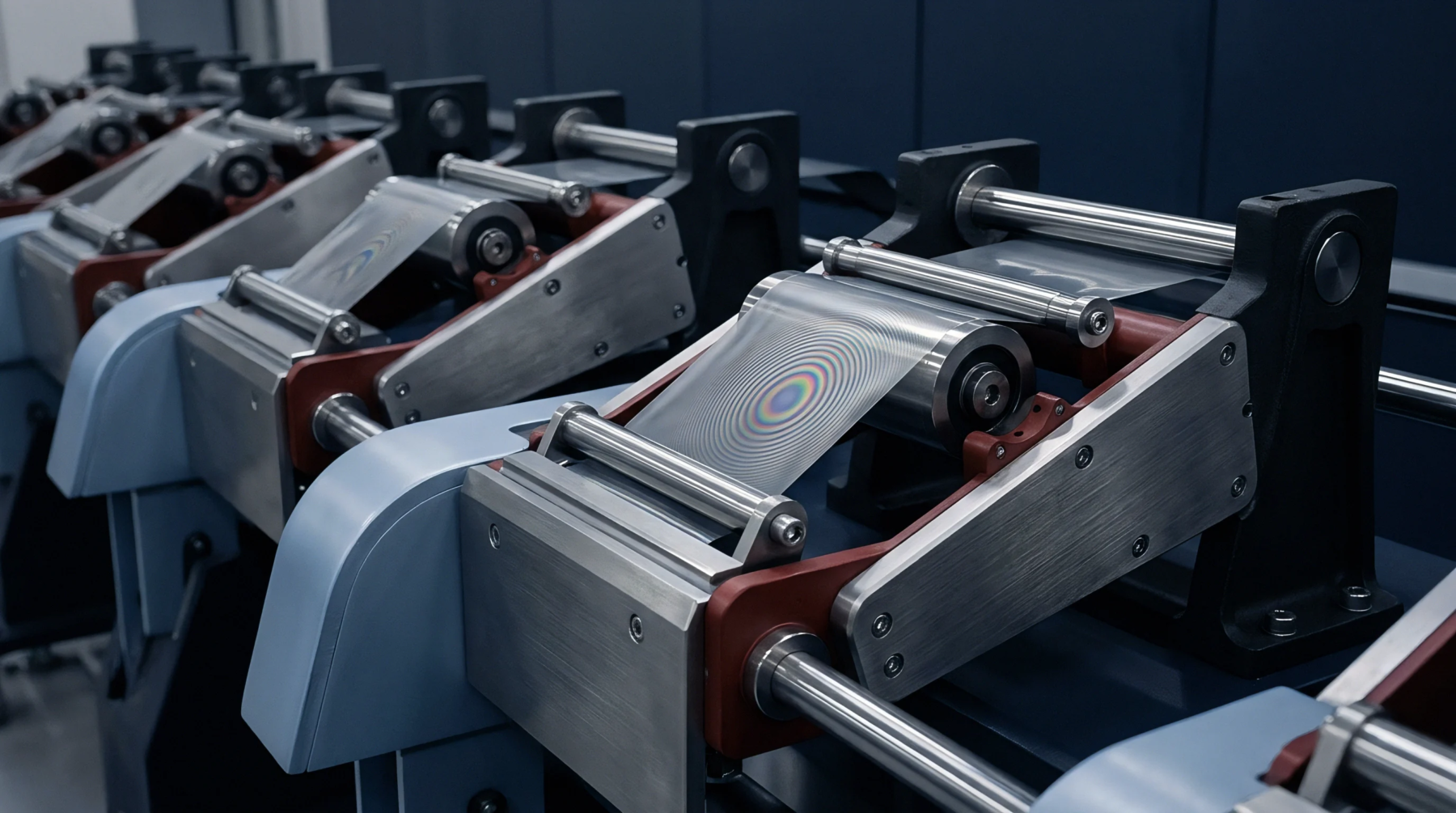
Final hermetic closure of pouch cells performed after the extraction of formation gases represents the ultimate seal of the battery package. Applying a secondary vacuum seal ensures that the cell contains no internal pressure and remains isolated from the external atmosphere. This step is completed under vacuum to draw the pouch material tight against the electrode stack.
Long-term cell survival depends on this boundary.
Process Mechanics
Heated sealing bars squeeze and melt the polymer layers along the designated border of the trimmed pouch. Before this occurs, the secondary vacuum seal requires the cell to be positioned in an evacuated chamber. The machine cuts off the gas pocket and applies the final seal.
This process requires precise control of temperature and duration to avoid defects.
Cell Protection
Exclusion of moisture and oxygen is necessary to prevent the decomposition of the lithium salt. A high-quality secondary vacuum seal prevents the slow ingress of atmospheric humidity over years of operation. Trace water ingress causes hydrofluoric acid to form inside the cell.
This contamination degrades the positive and negative electrodes.
Production Speed
Manufacturing throughput relies on highly reliable automated rotary or linear sealing stations. Chambers performing the secondary vacuum seal are designed for rapid evacuation and sealing cycles.