Meaning
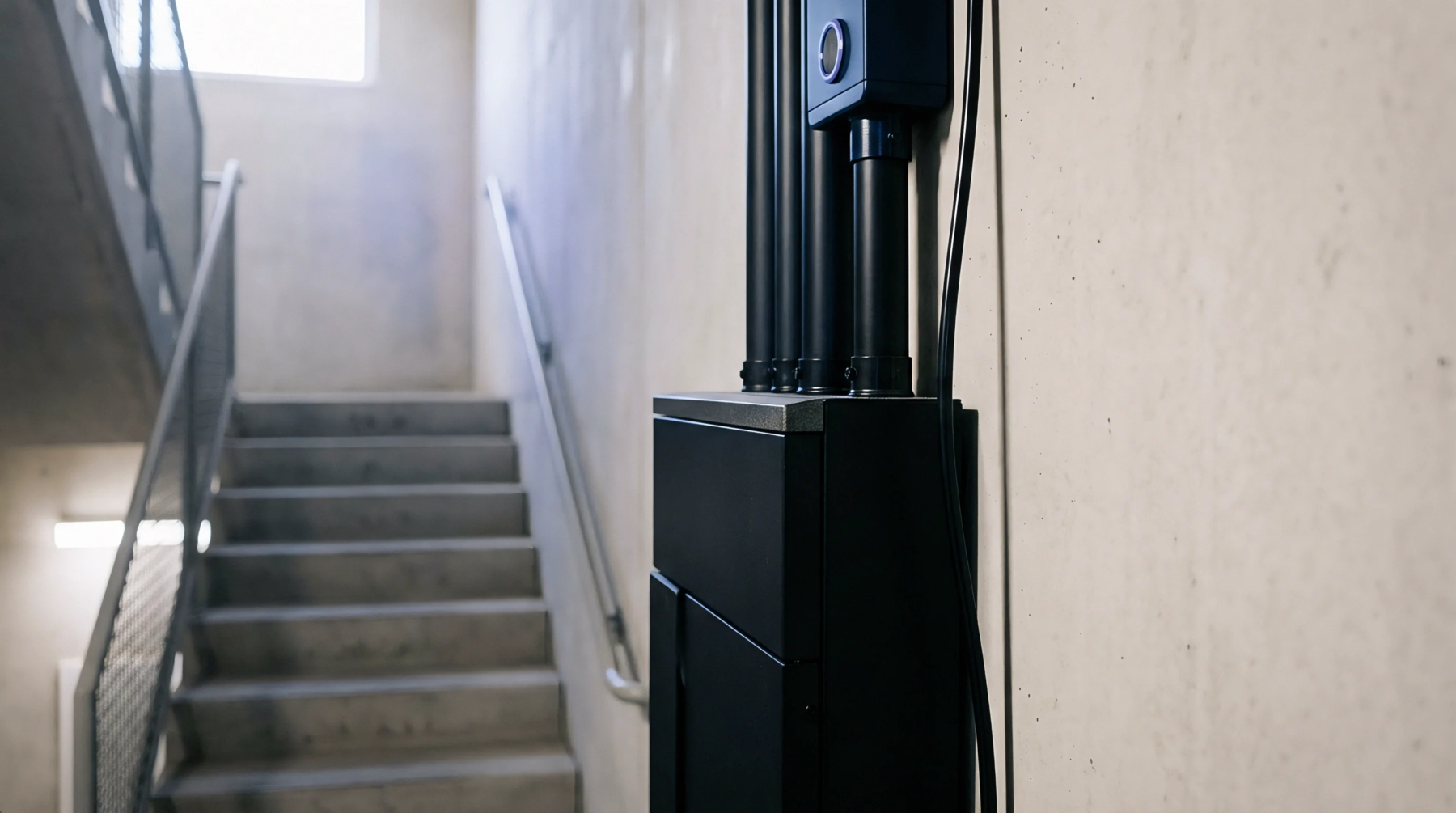
Fixed electrochemical energy storage installations provide peak shaving and emergency backup power to building infrastructure or utility distribution networks. The term stationary storage battery systems describes broad configurations of permanently installed cells, battery management systems and power conversion equipment tied to physical structures. Electric utilities and facility managers deploy these assets to stabilize local grids and manage commercial energy costs.
The category stops applying to mobile electric vehicle battery packs, temporary portable power units or unattached off-grid consumer devices.
Asset Integration
Electrical interconnections tie internal direct-current architecture to site power distribution panels through bi-directional inverters. Operating stationary storage battery systems requires synchronized communication between local battery management electronics and central facility controllers. Engineering designs ensure safe voltage matching during grid charging and discharging cycles.
Grid Stabilization
Rapid discharge capabilities support frequency regulation and voltage support during utility grid supply fluctuations. Commercial facilities utilize stationary storage battery systems to reduce peak demand charges by supplying stored energy during high-tariff operational windows. Revenue generation relies on fast response times to utility dispatch signals.
Containment Mandate
Building codes require spill control provisions and active fire suppression systems for indoor installations. Standardized testing for stationary storage battery systems verifies thermal containment under sustained internal short-circuit conditions. Regulatory sign-off depends on achieving complete compliance with structural fire safety codes.