Meaning
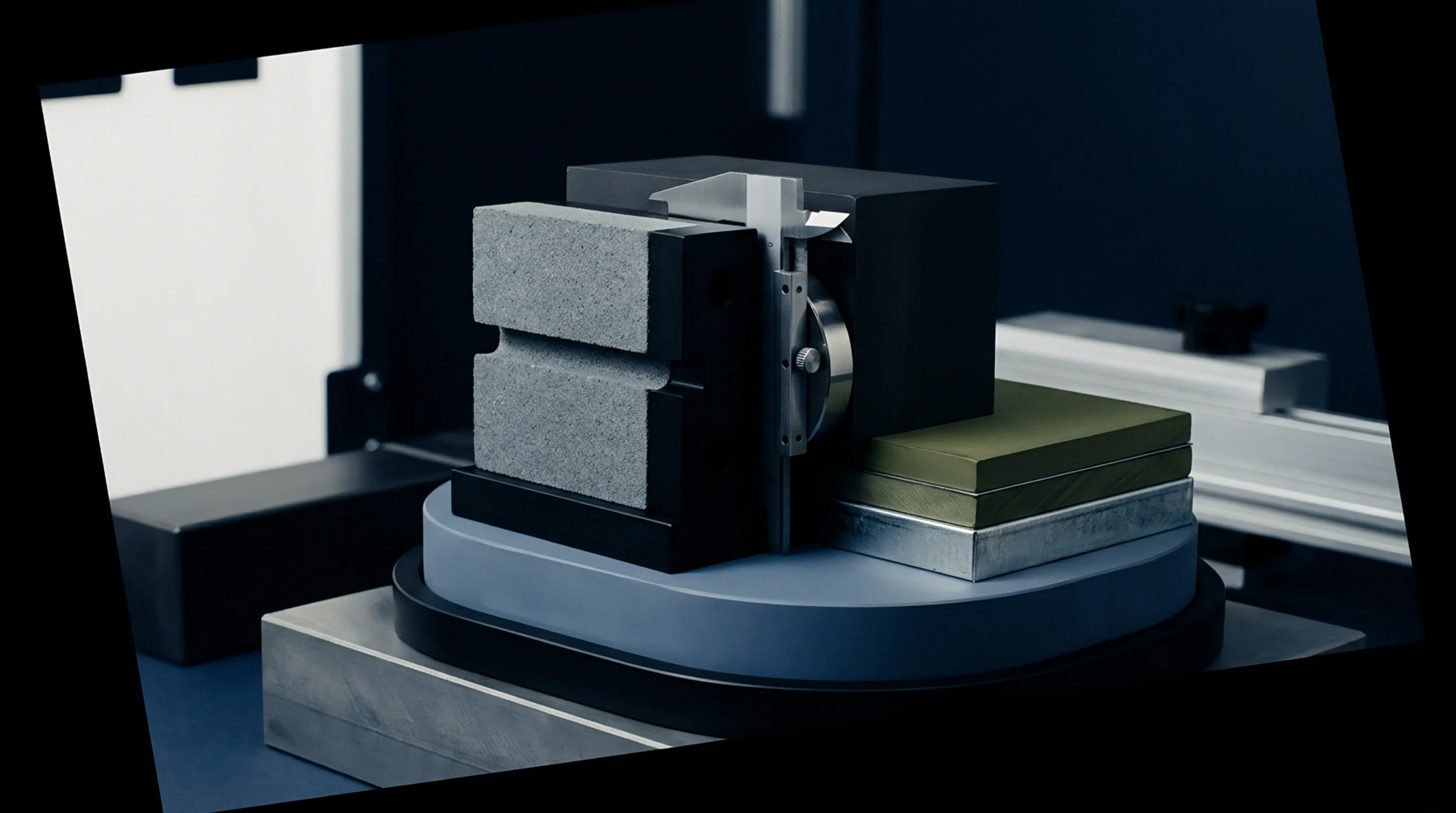
Physical deformation occurring when active materials swell within the current-carrying metal foils during lithium-ion insertion and extraction stresses the mechanical integrity of the cell electrodes. While the active materials themselves undergo volume changes, the resulting force also causes substrate expansion in the copper and aluminum foils that support them. This expansion can lead to the cracking of the active layer or the delamination of the coating from the current collector.
Managing these mechanical changes is a key focus of cell structural design.
Mechanical Fatigue
Repetitive substrate expansion during cycling leads to the accumulation of plastic deformation in the metallic foils. This fatigue can cause micro-tears in the current collectors, which increases the internal resistance and can eventually lead to a complete loss of electrical contact. Manufacturers use high-tensile-strength foils or alloyed substrates to resist these mechanical stresses.
This choice of material extends the operating life of the cells under high-stress conditions.
Strain Measurement
Monitoring the physical changes in the electrode stack during testing provides valuable data for mechanical design models. Load cells and strain gauges can track the force exerted by the swelling cells.
Pack Compression
Module housings are designed with pre-load springs or foam spacers to accommodate the expansion of the cells. Proper compression prevents the cells from shifting or suffering from localized high-pressure areas.