Four Wire Kelvin Sensing Principles in Low Impedance Battery Testing
Four-wire Kelvin sensing isolates drive current from potential sensing, eliminating lead and contact resistance errors in sub-milliohm battery impedance tests.
Four-wire Kelvin sensing isolates drive current from potential sensing, eliminating lead and contact resistance errors in sub-milliohm battery impedance tests.

Inbound cell receiving mandates thermal quarantine, UN 38.3 documentation verification, four-wire impedance sampling, and strict AQL defect thresholding.
Compressive creep and viscoelastic stress relaxation in thermal interface materials drop contact pressure, triggering thermal impedance spikes across battery plates.
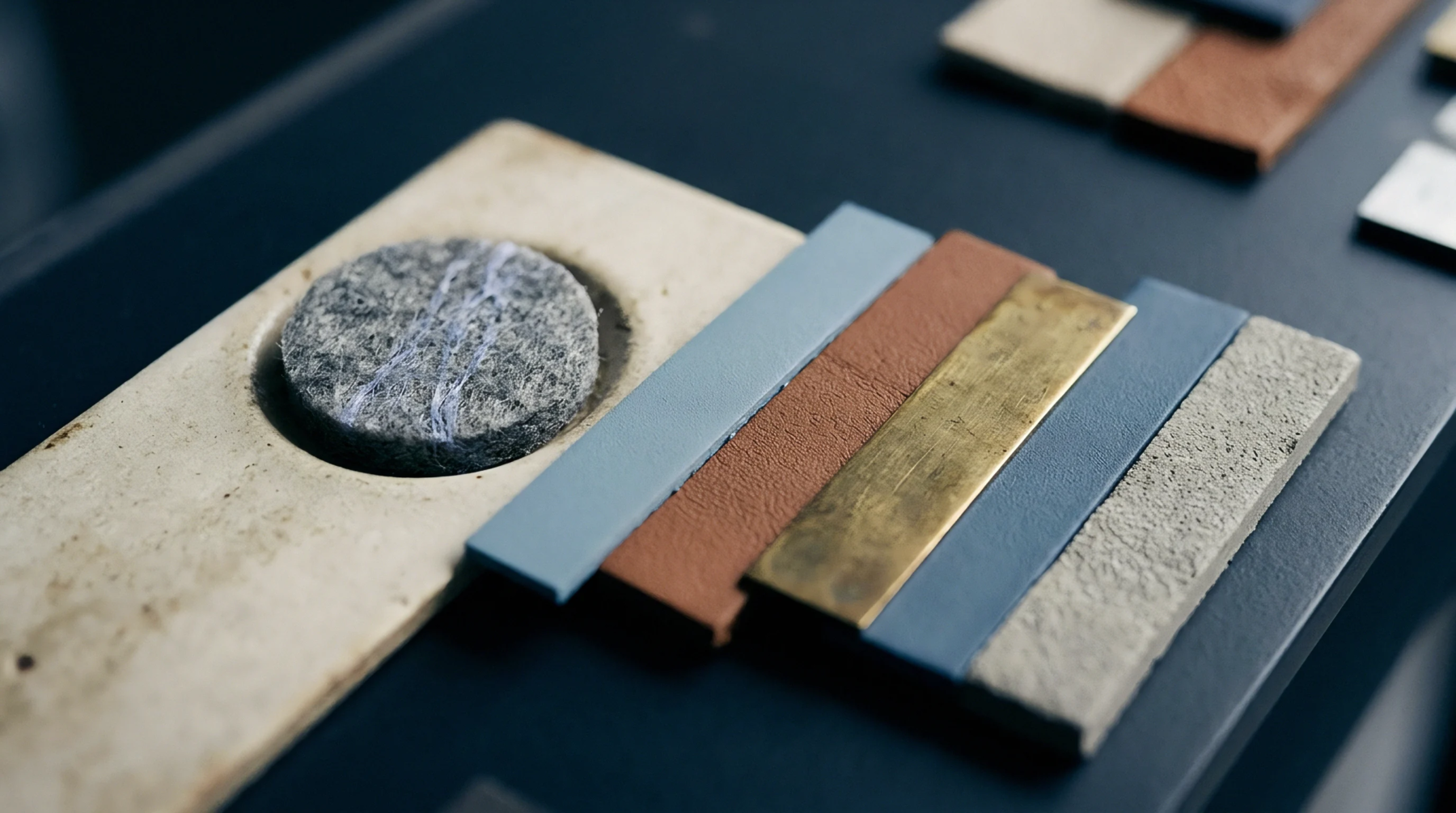
Matching material compliance to prismatic swell while controlling bond line thickness dictates thermal impedance, voltage isolation, and pack yield.
High current density ultrasonic sonotrodes degrade through coupled thermomigration and intermetallic embrittlement, requiring strict wear-limit replacement protocols.
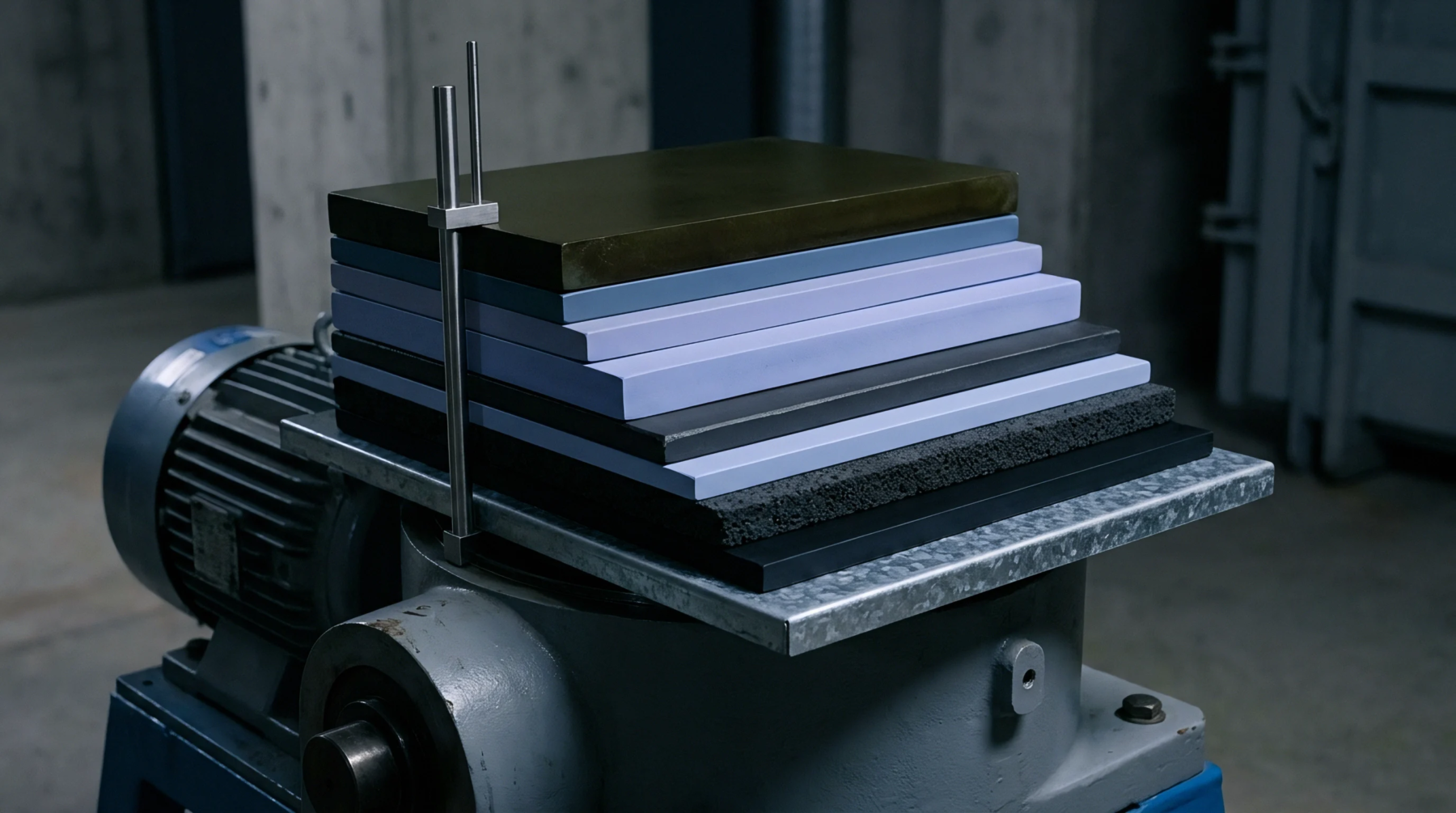
Quantifying interface thickness variances across pack thermal layers prevents localized hot spots, cell degradation splits, and unallocated warranty exposure.
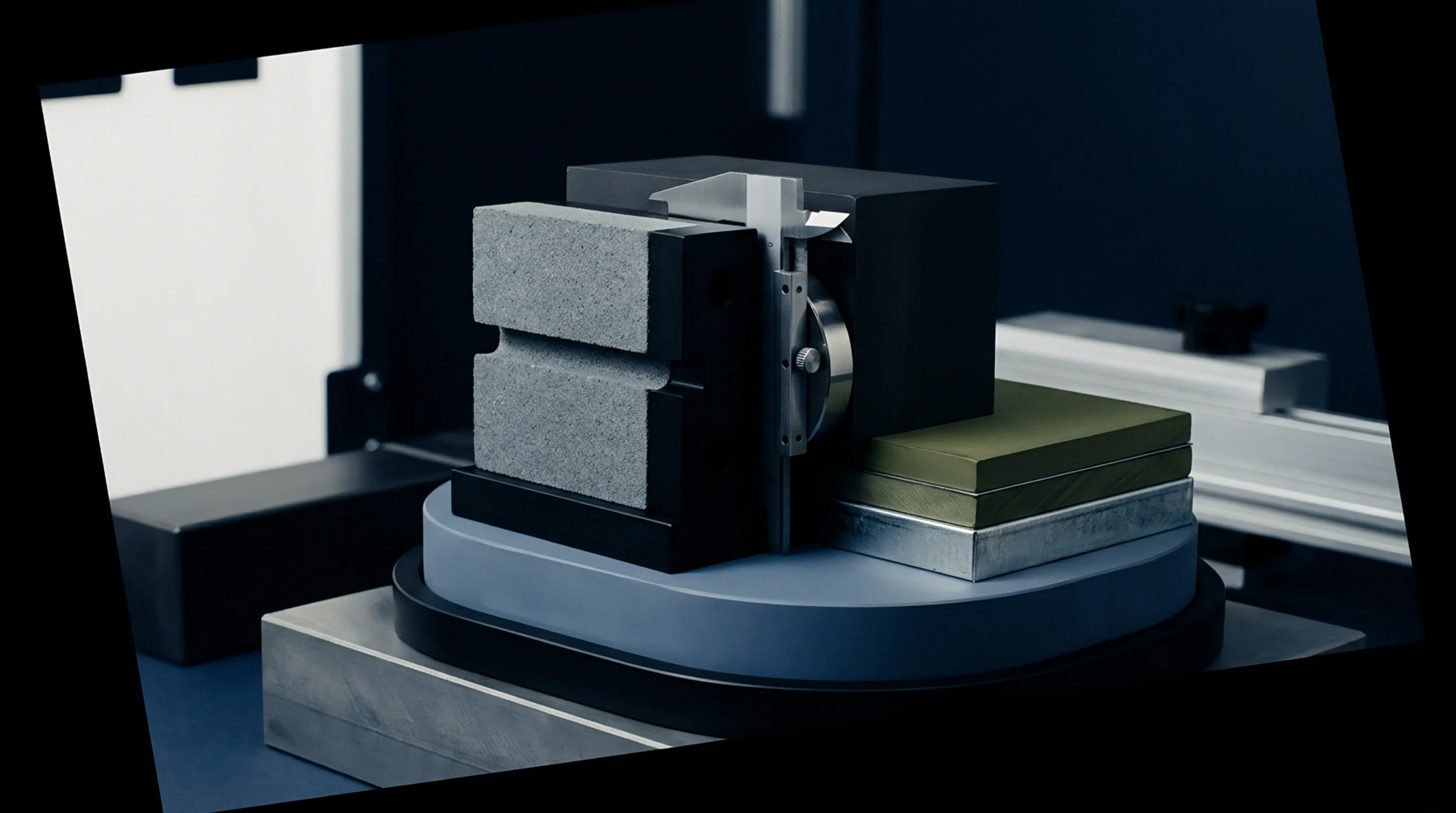
Real-time fixture thermal drift compensation eliminates cell sorting errors by isolating thermomechanical trace expansion from true battery impedance shifts.
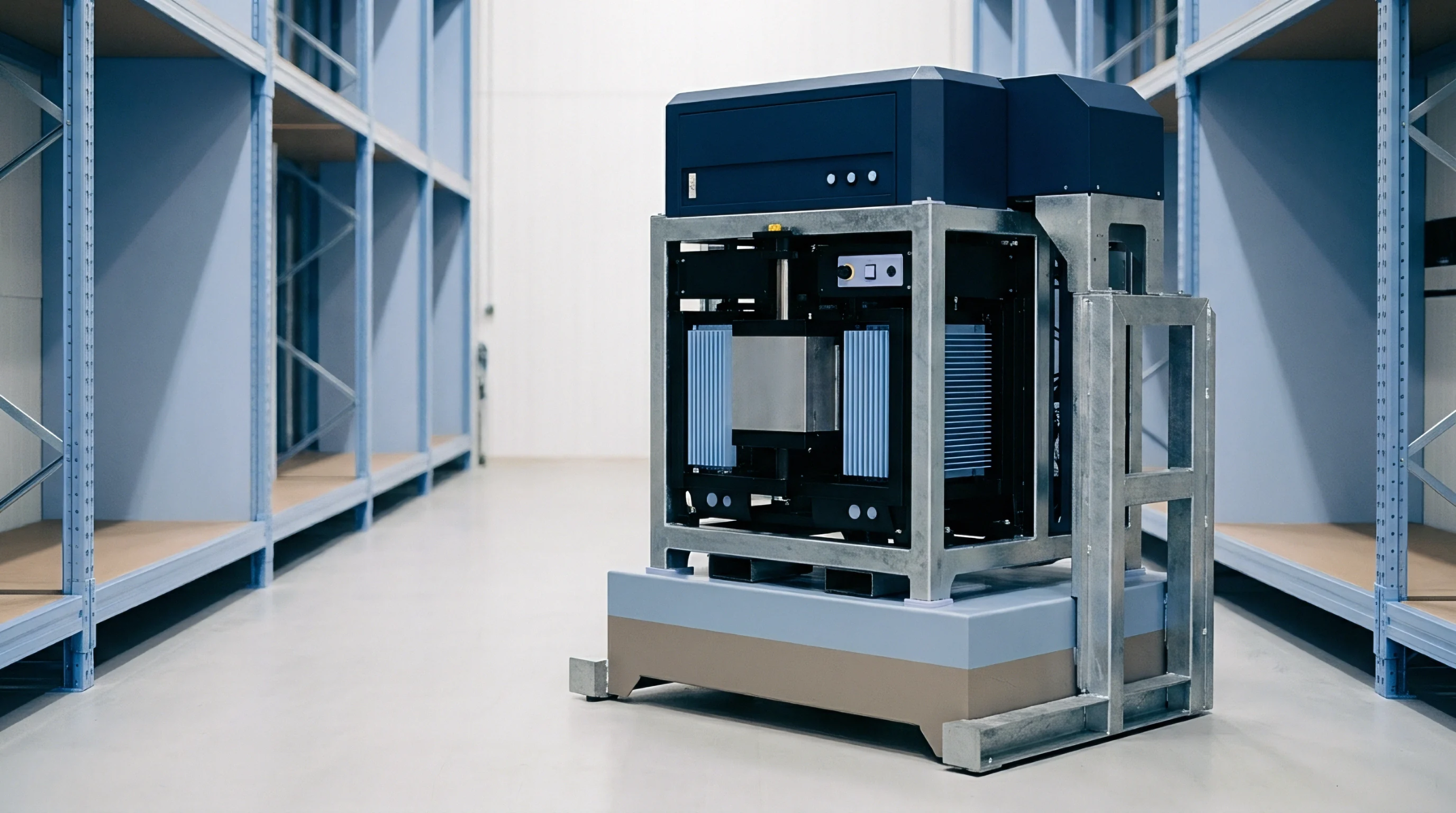
Quantifying high-voltage cathode interfacial impedance via DRT spectroscopy isolates charge-transfer growth to establish batch quality rejection limits.

Active isothermal terminal calibration eliminates contact heat injection during high-current cell testing, preventing false capacity and cycle life data.
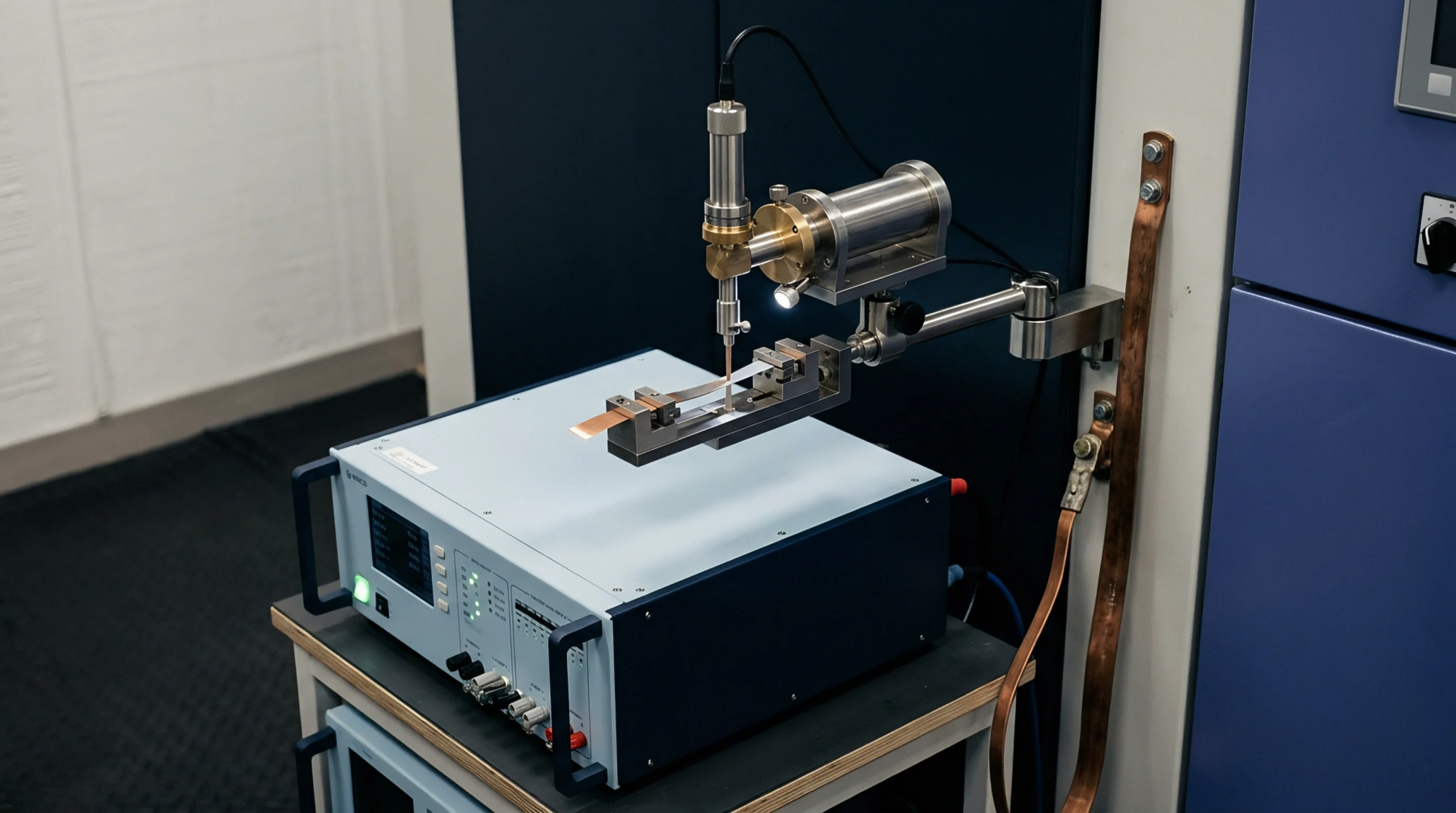
Automated test fixtures require active thermal compensation, continuous artifact calibration, and scheduled pogo pin renewal to maintain micro-ohm accuracy.

Prismatic cell spatial thermal gradients stem from anisotropic heat path resistance and tab current crowding, accelerating localized lithium plating and capacity fade.
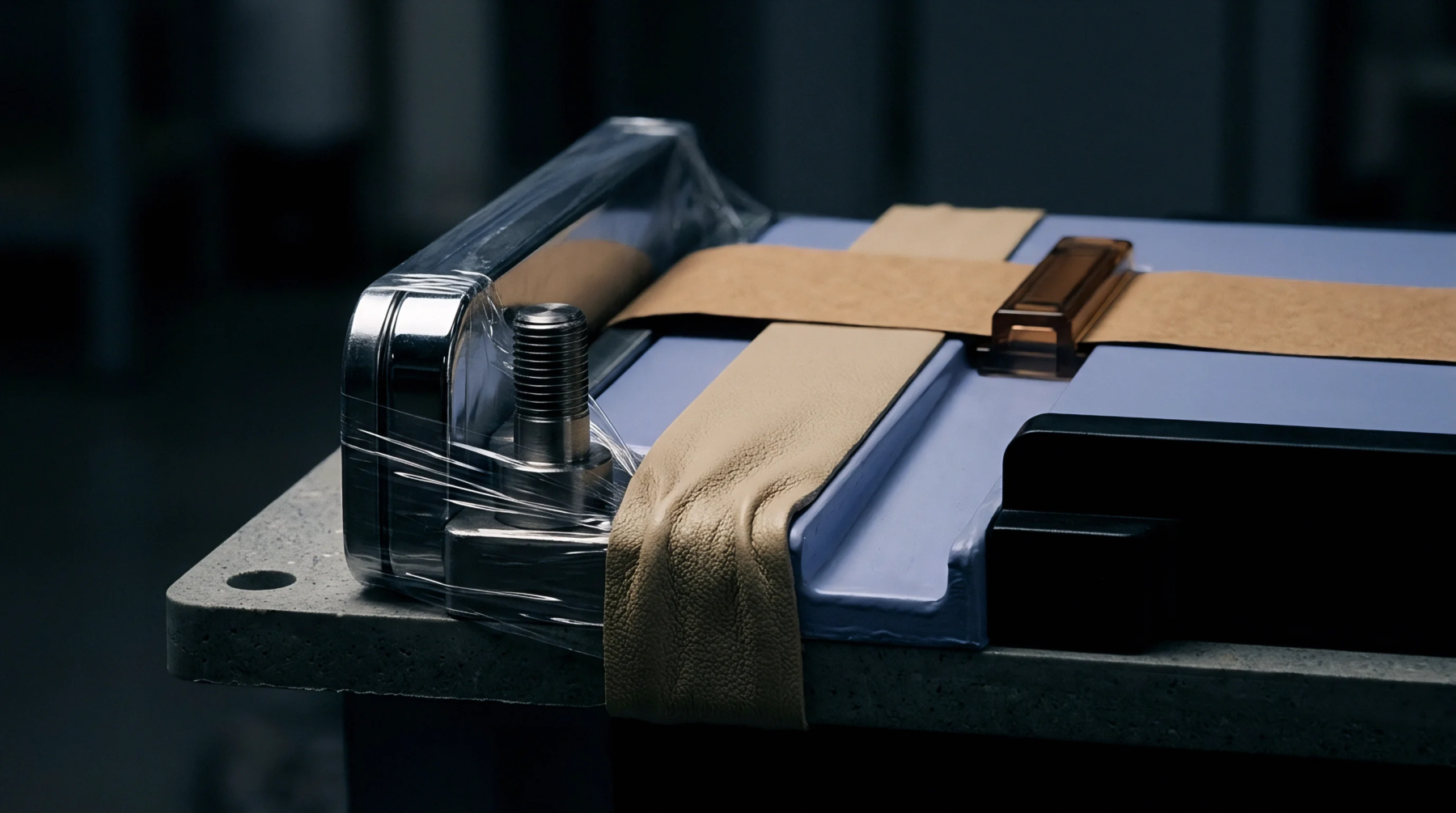
Foam compression set collapses baseline clamping force, shifting planar pressure to rigid edges, elevating thermal impedance, and risking tab fatigue.
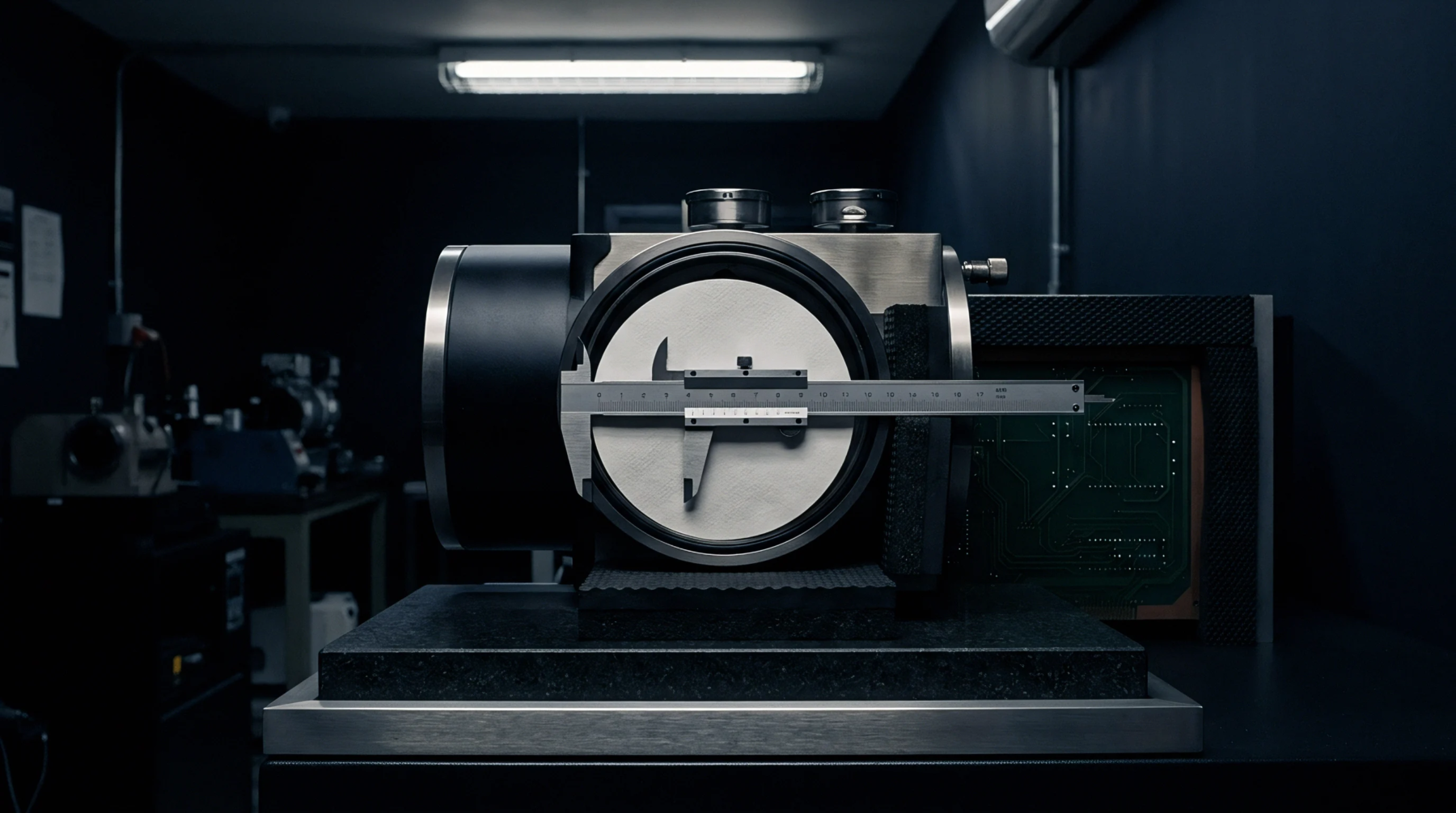
Busbar surface plating integrity requires verified multi-layer thickness control, low internal stress, and zero-defect adhesion to prevent joint degradation.
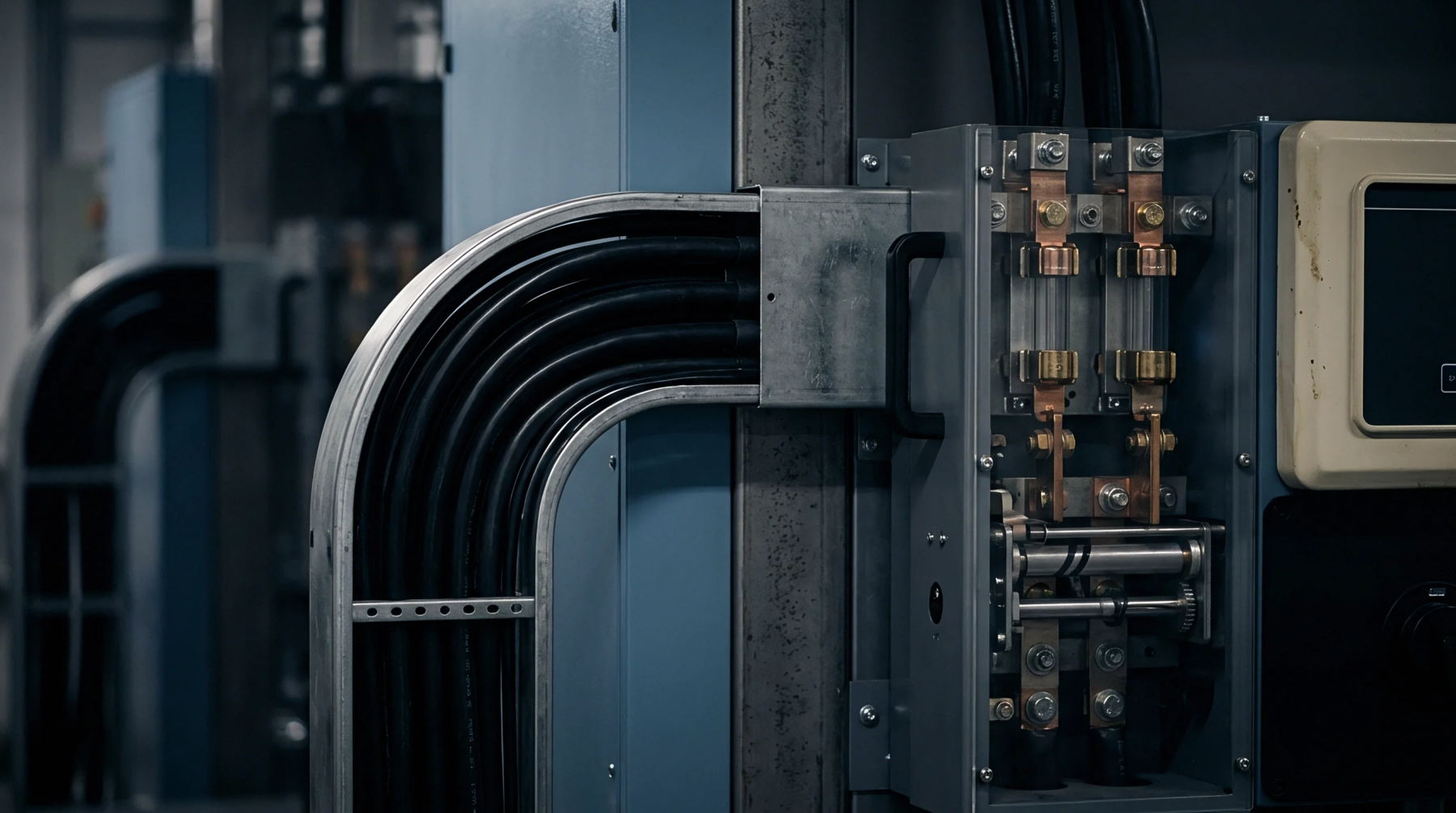
Electrochemical corrosion kinetics across dissimilar conductor interfaces accelerate through moisture condensation, demanding perimeter sealing and barrier plating.
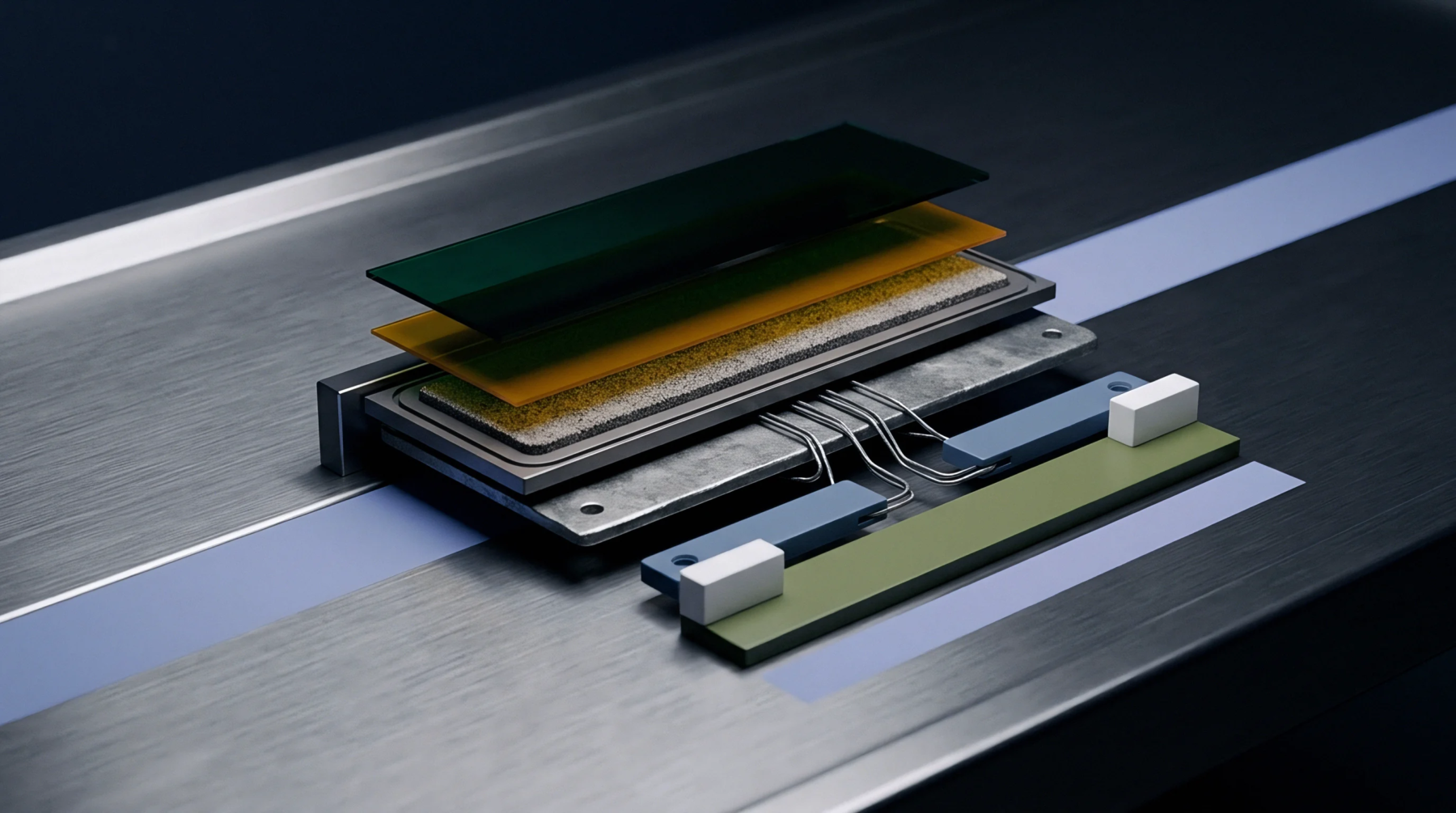
Variable thermal boundary layers create local cell temperature spreads that accelerate solid electrolyte interphase growth and void supplier warranties.

Incoming cell lot clearance requires zero-acceptance sampling combined with temperature-controlled K-value screening to intercept latent internal micro-shorts.

Galvanic corrosion across bare copper-aluminum busbar joints creates escalating thermal interfaces that erode pack life and trigger unbudgeted warranty claims.
Expertise is a utility, not a secret. sentiention™ publishes its working knowledge as open reference: intelligence layer covering the materials it sources, the markets it enters, and the reference that serves both.