Meaning
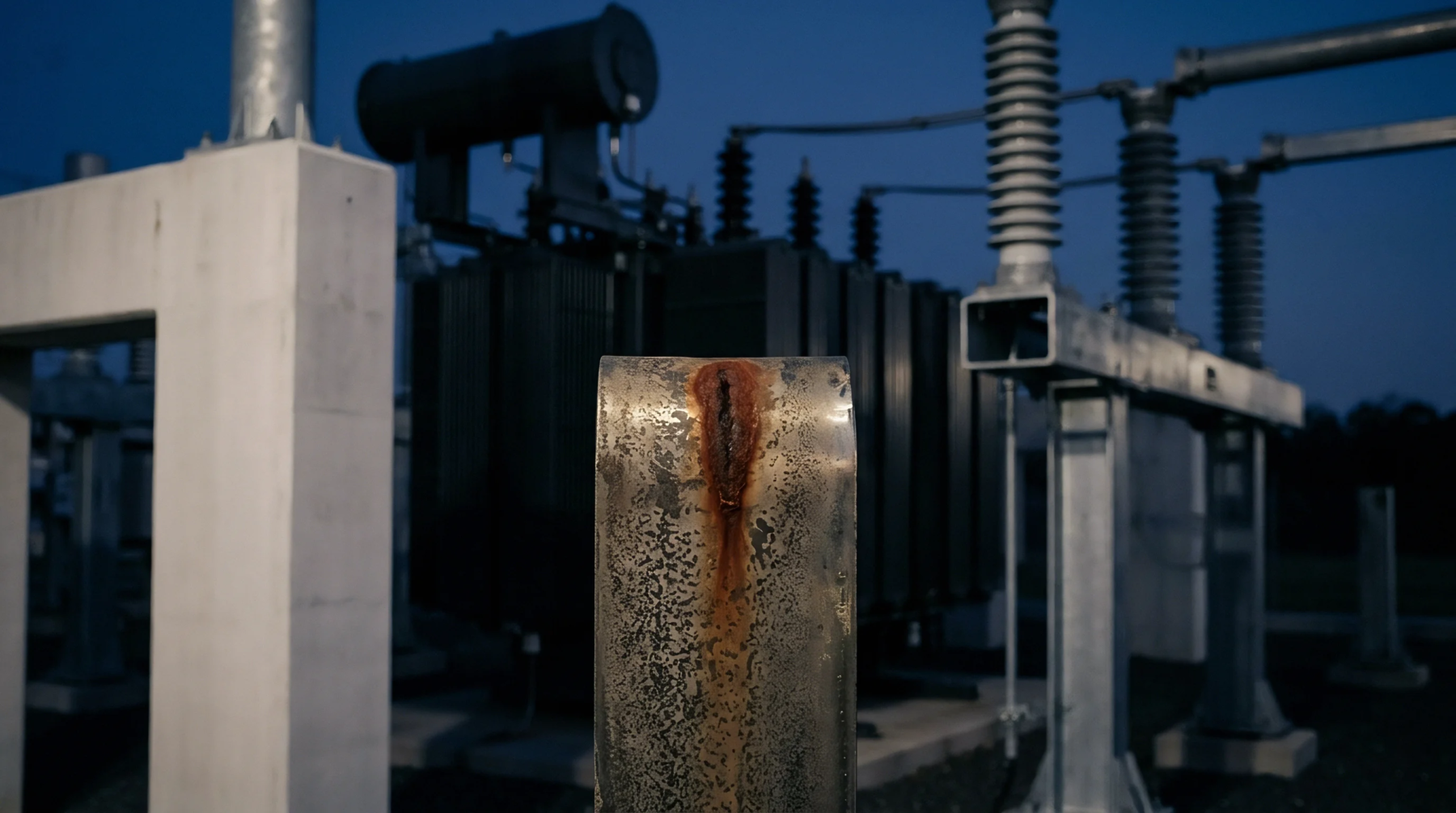
Atmospheric chemical degradation processes attack metallic surfaces through acid condensation in industrial environments containing airborne sulfur oxides. Electrochemical oxidation caused by sulfur dioxide corrosion forms soluble metal sulfates that break down protective oxide films on copper busbars and steel structures. The degradation mechanism requires ambient moisture to dissolve gaseous sulfur dioxide into sulfurous and sulfuric acids on exposed surfaces.
This environmental hazard governs material selection and enclosure IP ratings in industrial energy storage installations.
Acid Formation
Gas dissolution into moisture films generates active acid electrolytes. Sulfur dioxide corrosion accelerates under high relative humidity conditions above seventy percent.
Degradation Pathway
Acidic surface moisture dissolves passive metal oxides, exposing raw metallic substrates to oxygen. Soluble metal sulfate salts retain moisture, maintaining continuous electrolyte films that accelerate pit growth. Copper electrical contacts form high-resistance sulfide and sulfate scales, increasing joint operating temperatures.
Accelerated oxidation reduces conductor cross section and compromises structural frame integrity.
Enclosure Protection
Equipment housing specifications mandate sealed enclosures to protect electrical contacts from industrial atmospheres. Procurement standards specify conformal coatings or noble metal plating on busbars operated in sulfur-rich environments. Accelerated corrosion testing under ISO standards validates material durability before deployment in harsh industrial sites.
Environmental sealing prevents contact degradation and catastrophic electrical joint failure.