Meaning
Geometric condition where all electrical contact surfaces of a battery module lie within a single defined parallel plane ensures uniform pressure during busbar connection. Sourcing quality teams measure terminal coplanarity to prevent high-resistance contact points that can cause localized overheating in assembled high-voltage battery packs. This metric is expressed as a maximum allowable deviation in millimeters, with smaller values indicating a more precise manufacturing process.
It applies to the mechanical alignment of the module terminals before the busbars are bolted or welded.
Geometric Variance
Non-coplanar terminals force the rigid copper busbars to bend or twist during assembly, creating mechanical stress on the cell seals. Sourcing managers reject modules that exceed the specified flatness limits because this mechanical strain can cause the electrolyte to leak over time. This leakage leads to corrosion, electrical shorts, and a rapid decline in the capacity of the pack.
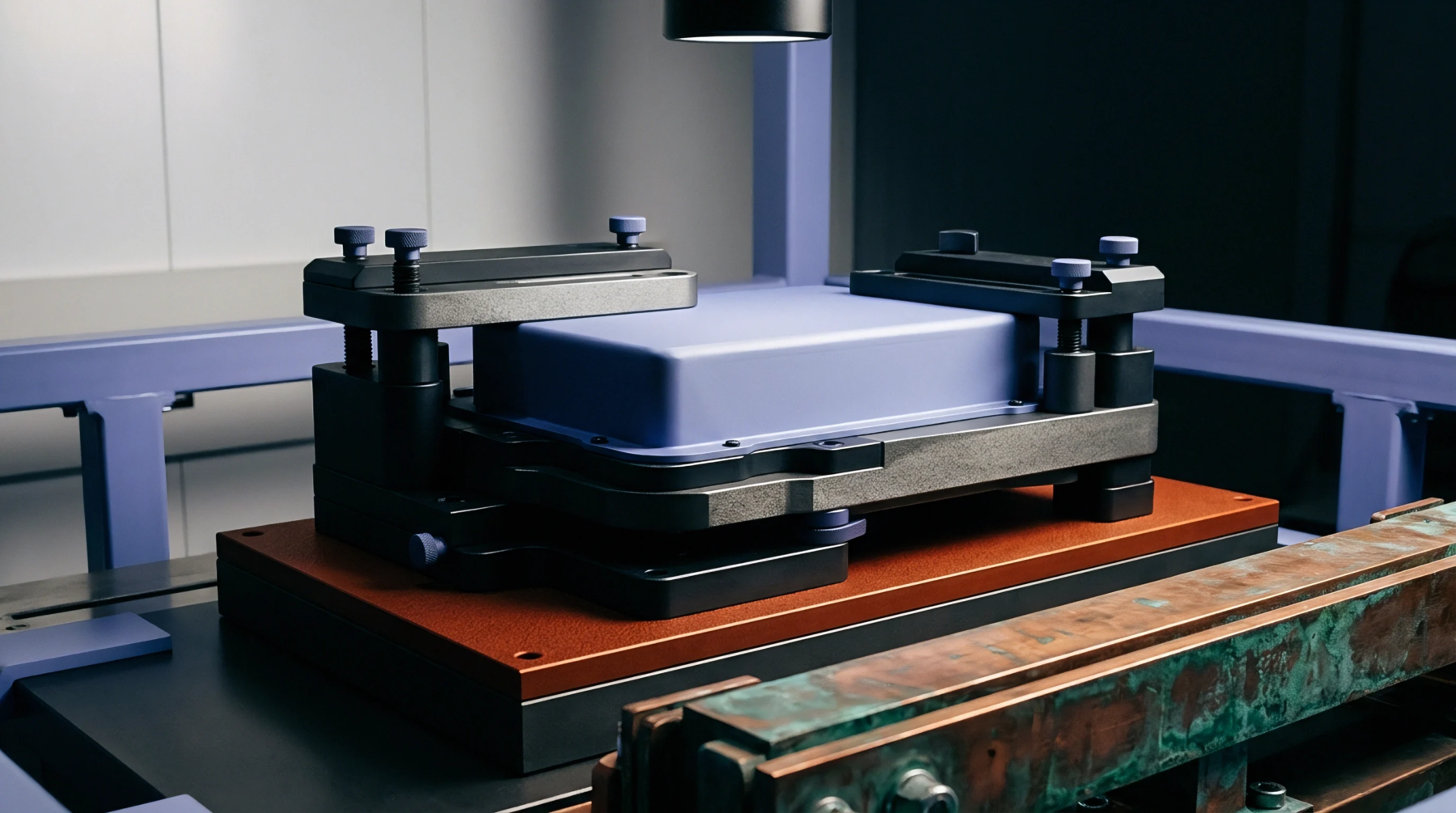
Measuring this flatness requires advanced optical scanners or precision coordinate measuring machines on the production line.
Mechanical Measurement
Achieving high coplanarity requires precise control over the assembly tolerances of the individual cells and the module enclosure. Sourcing contracts often include strict tolerances for this parameter, especially when automated laser welding is used to attach the busbars. Laser welding requires extremely close contact between the terminal and the busbar to create a strong, low-resistance joint.
Even minor deviations can result in weak welds that fail under the vibration of normal vehicle operation.
Quality standard
Sourcing high-quality modules with verified terminal alignment reduces the time and cost of pack assembly while improving field reliability. This precision decreases the risk of thermal hot spots developing during high-current charging and discharging cycles. These hot spots can lead to localized cell degradation and, in worst-case scenarios, initiate thermal runaway.
Monitoring this geometric metric is a key part of quality control for high-power battery systems.