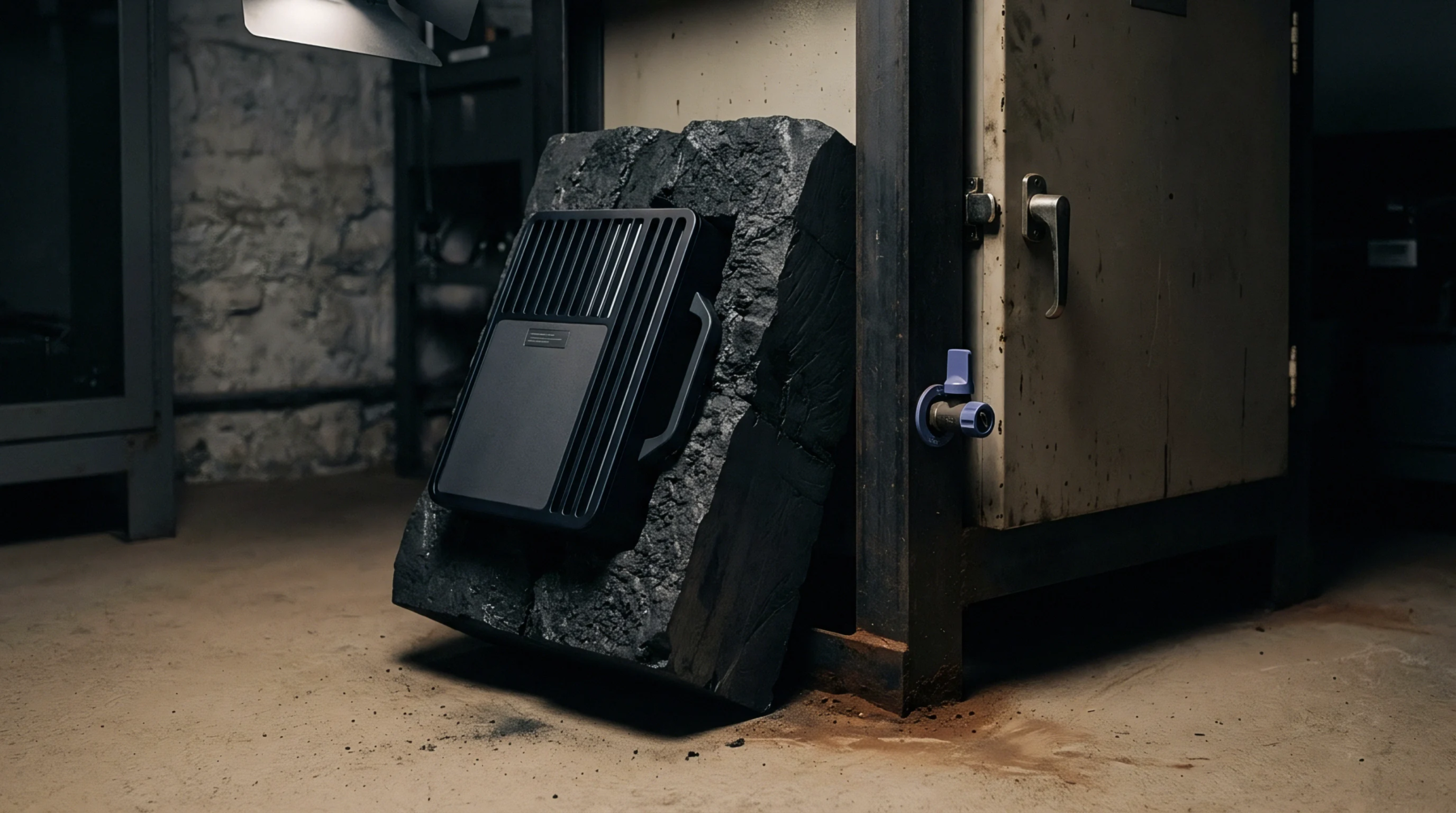
Designing Multi Temperature Thermal Soak Schedules for Commercial Battery Dossiers
Multi temperature thermal soak schedules isolate micro shorts and establish valid cell voltage decay dossiers prior to volume cell procurement.
Multi temperature thermal soak schedules isolate micro shorts and establish valid cell voltage decay dossiers prior to volume cell procurement.

Controlled mechanical clamping combines rigid platen bracing with elastomeric cushions to constrain cyclic lithium cell swelling stress between 0.2 and 0.5 MPa.

Isothermal differential capacity peak extraction requires microvolt sampling and sub-0.1 kelvin bath control to quantify specific cell degradation modes.

Operando impedance spectroscopy isolates interfacial growth from diffusion decay in single crystal cathodes to secure reliable long-term battery performance.

Advanced cathode interphase diagnostics combine cryogenic vacuum spectroscopy with operando gas analysis to prevent high-voltage capacity fade and regulatory transport rejections.

High voltage operation drives cathode surface phase restructuring into an insulating rocksalt layer, accelerating capacity loss and warranty exposure.
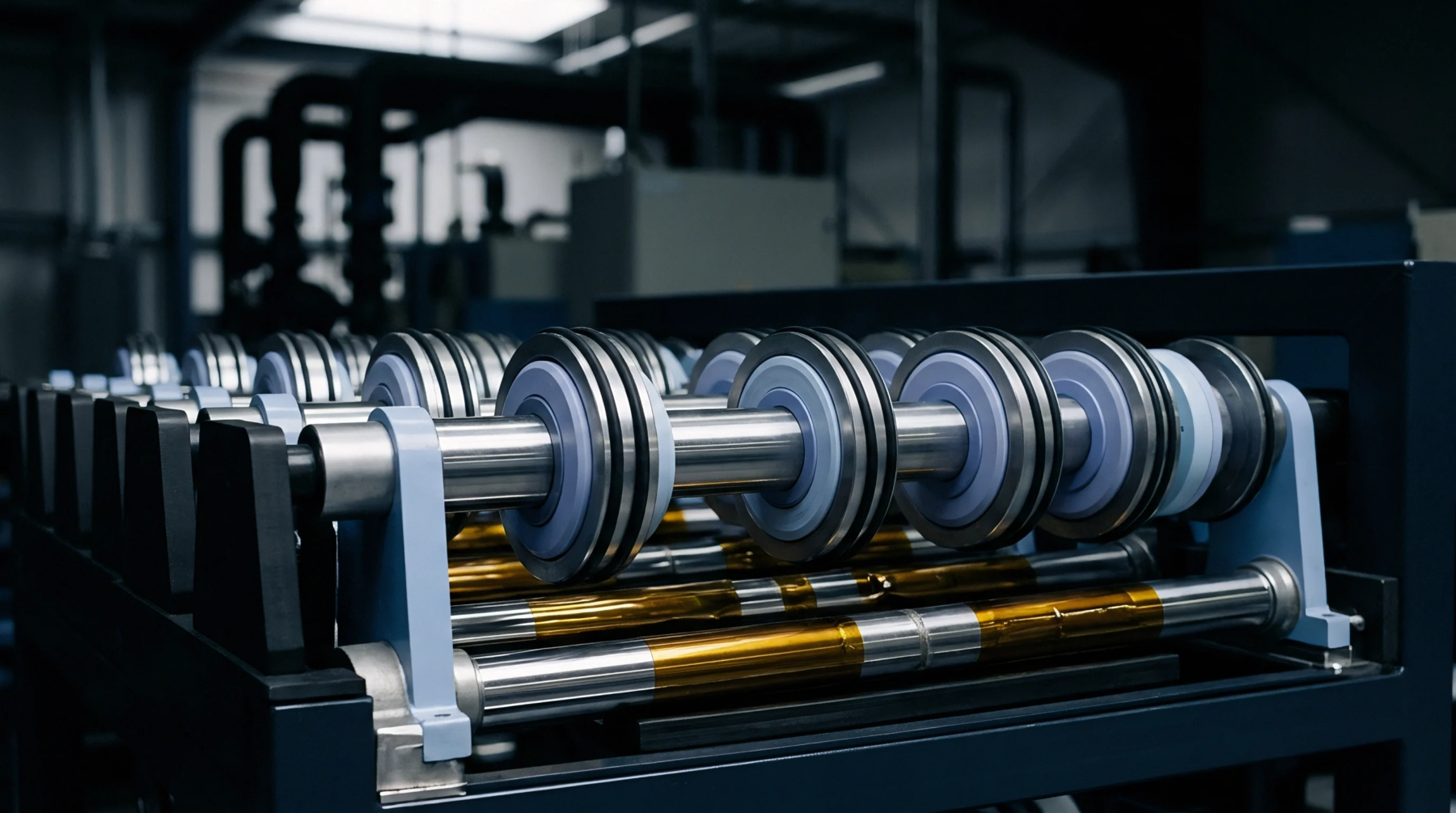
Sub-zero charging of high mass anodes causes localized salt precipitation and lithium plating, demanding strict mass loading caps and pre-heating protocols.

Fast screening of manganese substituted LFP requires separating rate polarization from permanent capacity loss to prevent improper cell grading.

Active pressure vacuum degassing during cell formation eliminates trapped gas voids in high capacity sodium electrodes to prevent local salt depletion and plating.

Operando fiber sensing decouples internal cell temperature and strain via multi-grating waveguides, detecting lithium plating onset before voltage deviations occur.

Dynamic cycling of solid-state cells demands active dynamic pressure retention fixtures to prevent interfacial voiding and early capacity loss.
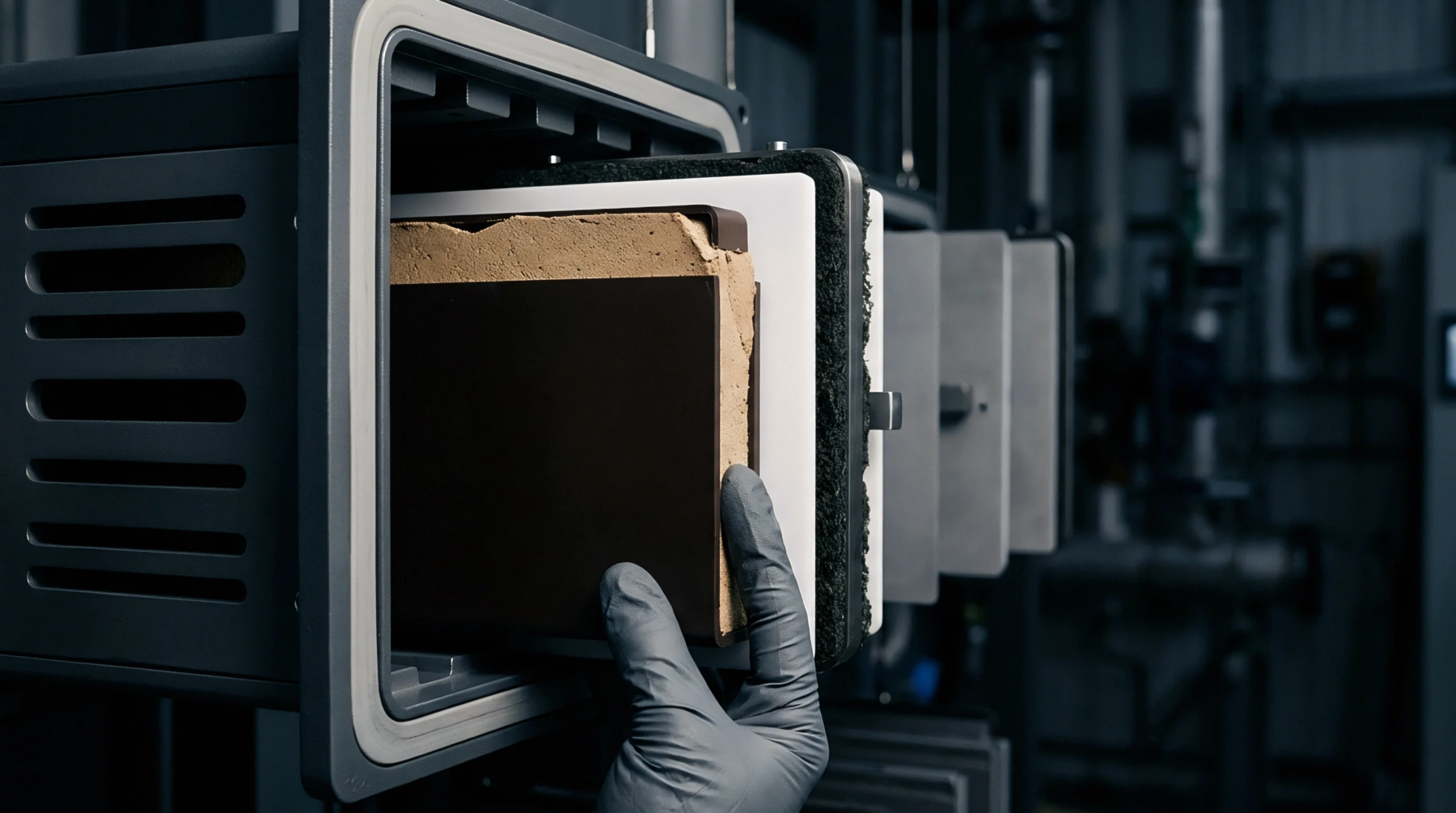
Integrating viscoelastic creep routines into thermomechanical transient solvers predicts separator mechanical collapse thresholds under battery thermal runaway conditions.
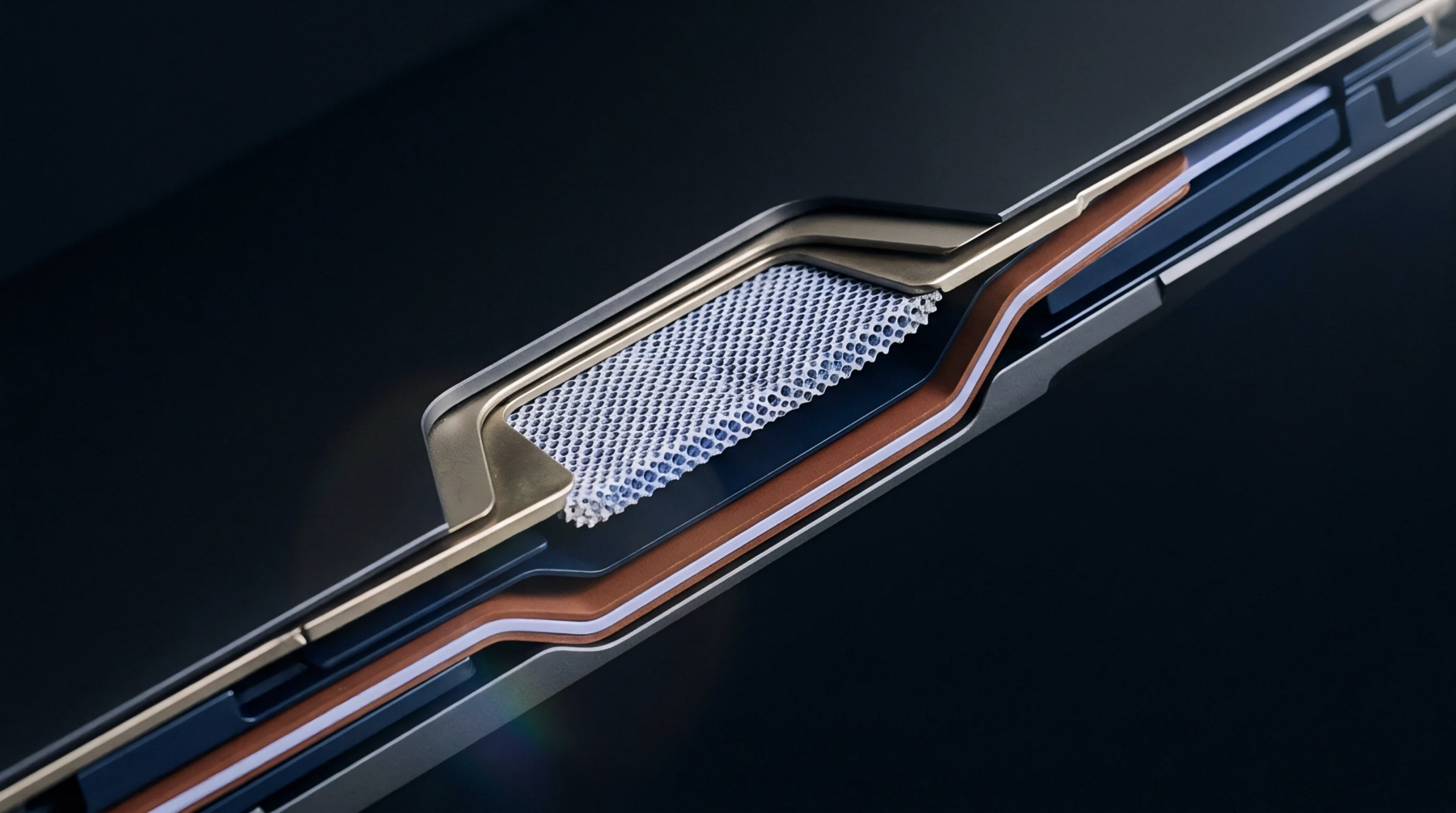
Deconvolution isolates activation, ohmic, and diffusion overpotentials, enabling exact boundary setting for fast charging without lithium plating risks.

Local overpotential gradients drive localized anode plating in high-capacity prismatic cells, requiring edge-welded tab designs and precise voltage margins.

Controlled initial reductive decomposition forms a dual-layer interphase that blocks electron tunneling while enabling lithium transport and transport compliance.

Importers bear strict legal liability under dangerous goods regulations for invalid UN 38.3 certificates issued by unaccredited subcontracted laboratories.

Bio-derived hard carbon performance depends on biopolymer ratio selection, acid demineralization, controlled carbonization temperatures, and surface passivation to maximize low-potential plateau capacity while maintaining high initial Coulombic efficiency.

Verify cross-border cell shipments at receiving docks using standardized DCIR pulse tests, platen compression gauges, and strict AQL sampling before invoice payment.

High-voltage cathode operation drives surface oxygen loss and rock-salt phase layer growth, raising charge resistance and requiring strict surface coating audits.

Intra-cell thermal gradients skew differential capacity signals, masking true health states and invalidating supply contract warranty baselines.

Commercial fleet cell sub-zero degradation claims require laboratory validation under dynamic thermal regimes to prevent premature capacity failure.

Turnkey engineering secures enclosure tooling and BMS firmware control, while white label sourcing locks hardware design and shifts compliance risk.
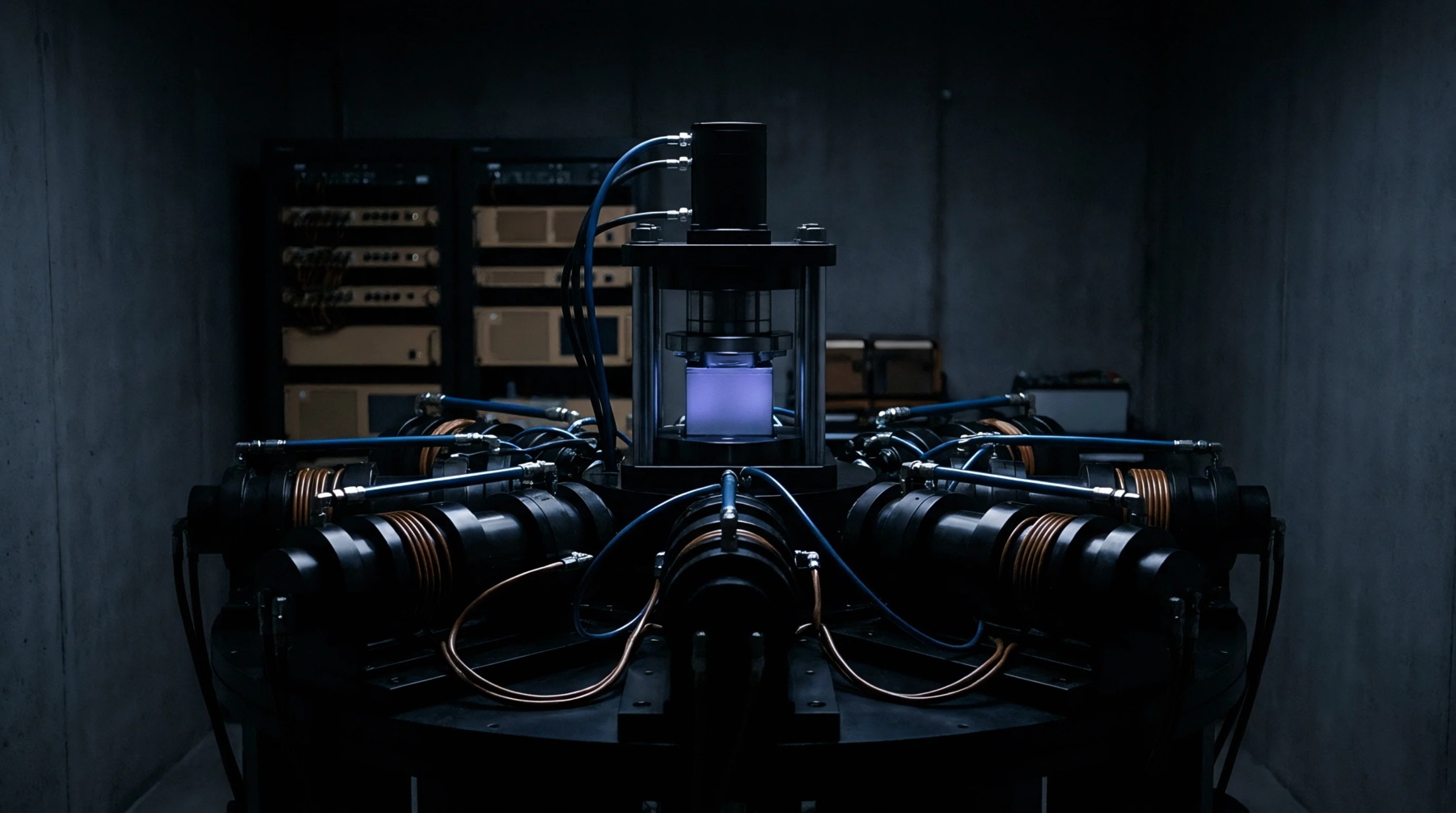
Sodium-ion cells require d002 interplanar spacing above 0.37 nm in hard carbon and stabilized O3/P2 cathode lattices to deliver low-cost zero-volt transport.
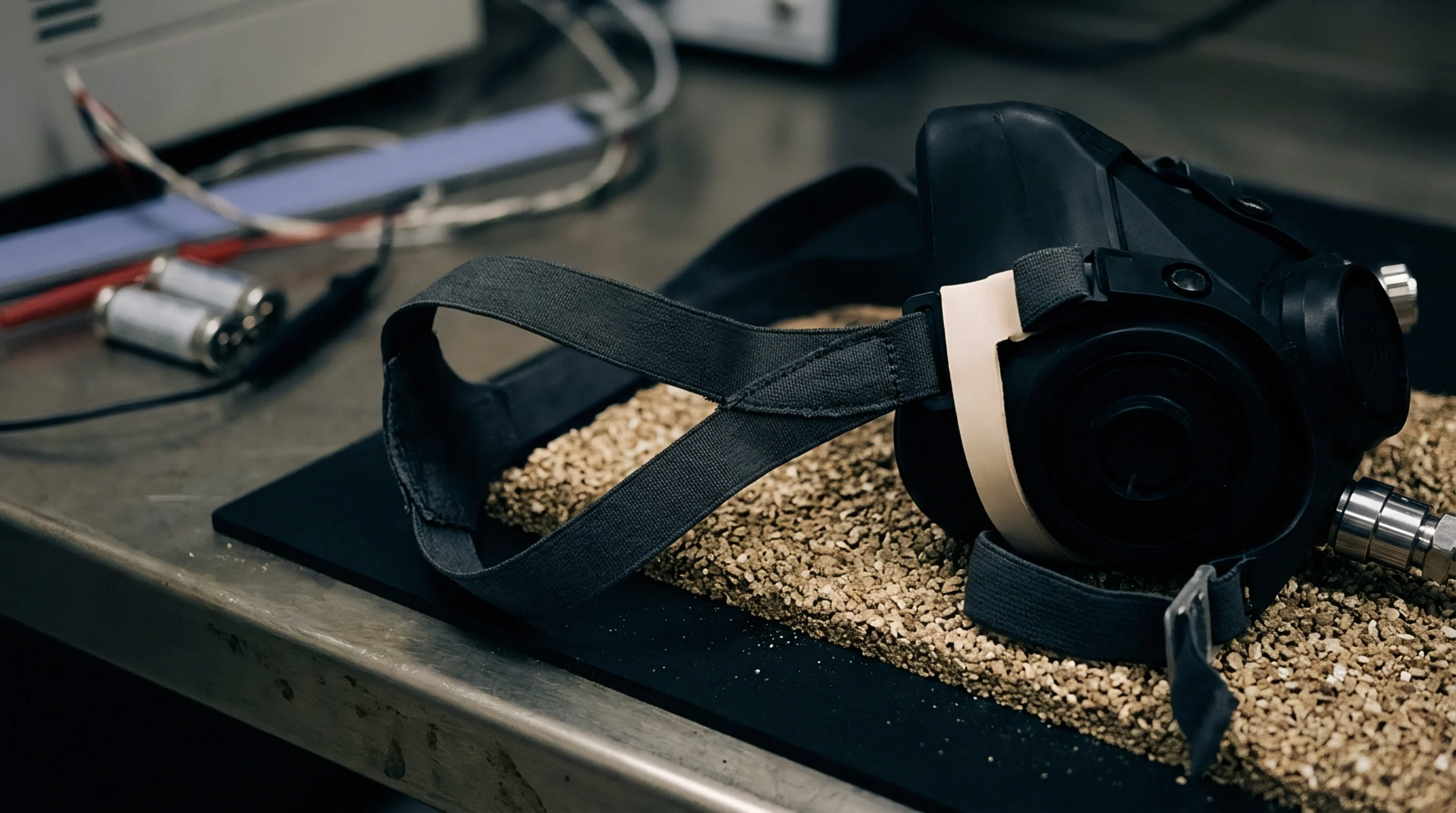
Transport certificates for fresh cells fail to cover chemically aged stock, exposing buyers to severe maritime customs rejections and uninsured liability.
Expertise is a utility, not a secret. sentiention™ publishes its working knowledge as open reference: intelligence layer covering the materials it sources, the markets it enters, and the reference that serves both.