Meaning
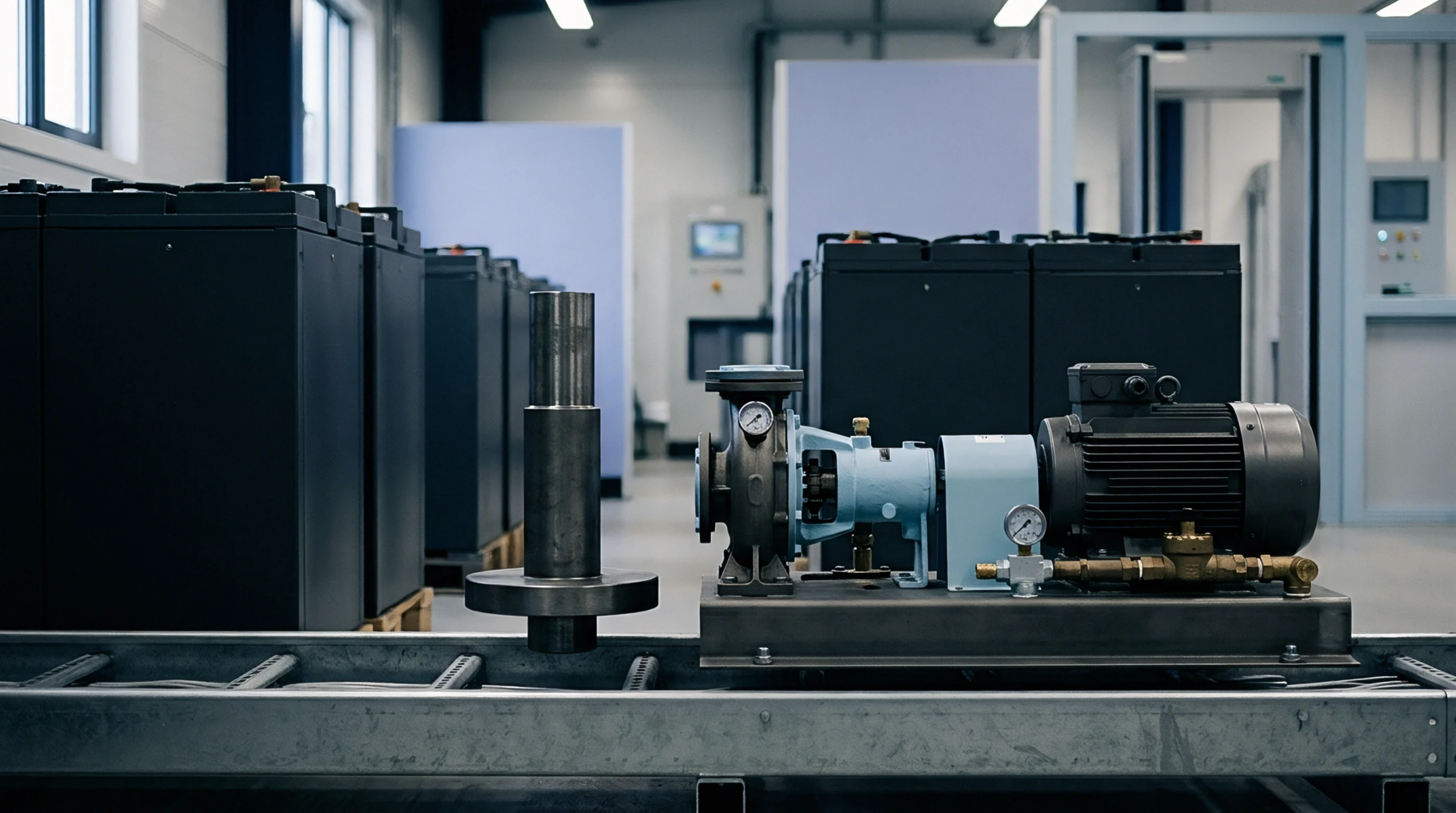
Industrial enclosure systems provide a specialized structure to house electronic instruments and batteries under controlled conditions for performance evaluation. A test cabinet often includes integrated heating and cooling systems to simulate the thermal environment of an electric vehicle. It protects the sensitive measurement electronics from the harsh conditions required for the cells being tested.
The physical build quality must withstand the corrosive gases or heat released in the event of a battery failure.
Environmental Control
Precise regulation of the internal atmosphere ensures that data is comparable across different batches of cells. A test cabinet uses insulated walls and forced-air circulation to maintain a uniform temperature throughout the interior. This uniformity is critical for identifying small differences in the capacity or resistance of the units under test.
Safety Barrier
Rugged construction contains fires or explosions that may occur during destructive battery testing. A test cabinet typically features pressure relief vents and fire suppression systems to mitigate the risks associated with thermal runaway. These safety features allow the testing process to occur within a laboratory environment without endangering personnel or other equipment.
Integration Layout
Internal racking systems organize the power supplies, loads, cooling fans and data acquisition modules for efficient cabling. Modern test cabinet designs prioritize ease of access for technicians while maintaining high electromagnetic shielding to protect signal integrity. Proper layout reduces the parasitic resistance of the wiring, which improves the accuracy of high-current measurement.