
Inbound Lithium Ion Cell Receiving Inspection and Standard Operating Procedures
Inbound cell receiving mandates thermal quarantine, UN 38.3 documentation verification, four-wire impedance sampling, and strict AQL defect thresholding.
Inbound cell receiving mandates thermal quarantine, UN 38.3 documentation verification, four-wire impedance sampling, and strict AQL defect thresholding.

Sacrificial additive depletion in commercial pouch cells follows pseudo-first-order kinetics, triggering gas evolution and rapid impedance rise when exhausted.

Excessive calendering line pressure crushes electrode mesopores below 10 nm, elevating ionic tortuosity and choking high-rate transport despite density gains.

Verify UN 38.3 test summaries against accredited lab databases and audit physical batch metrics at receiving to prevent demurrage and cargo seizure.

Elevated thermal stress converts high-nickel cathode calendar loss from parabolic SEI growth into rapid non-linear decay through surface phase degradation.
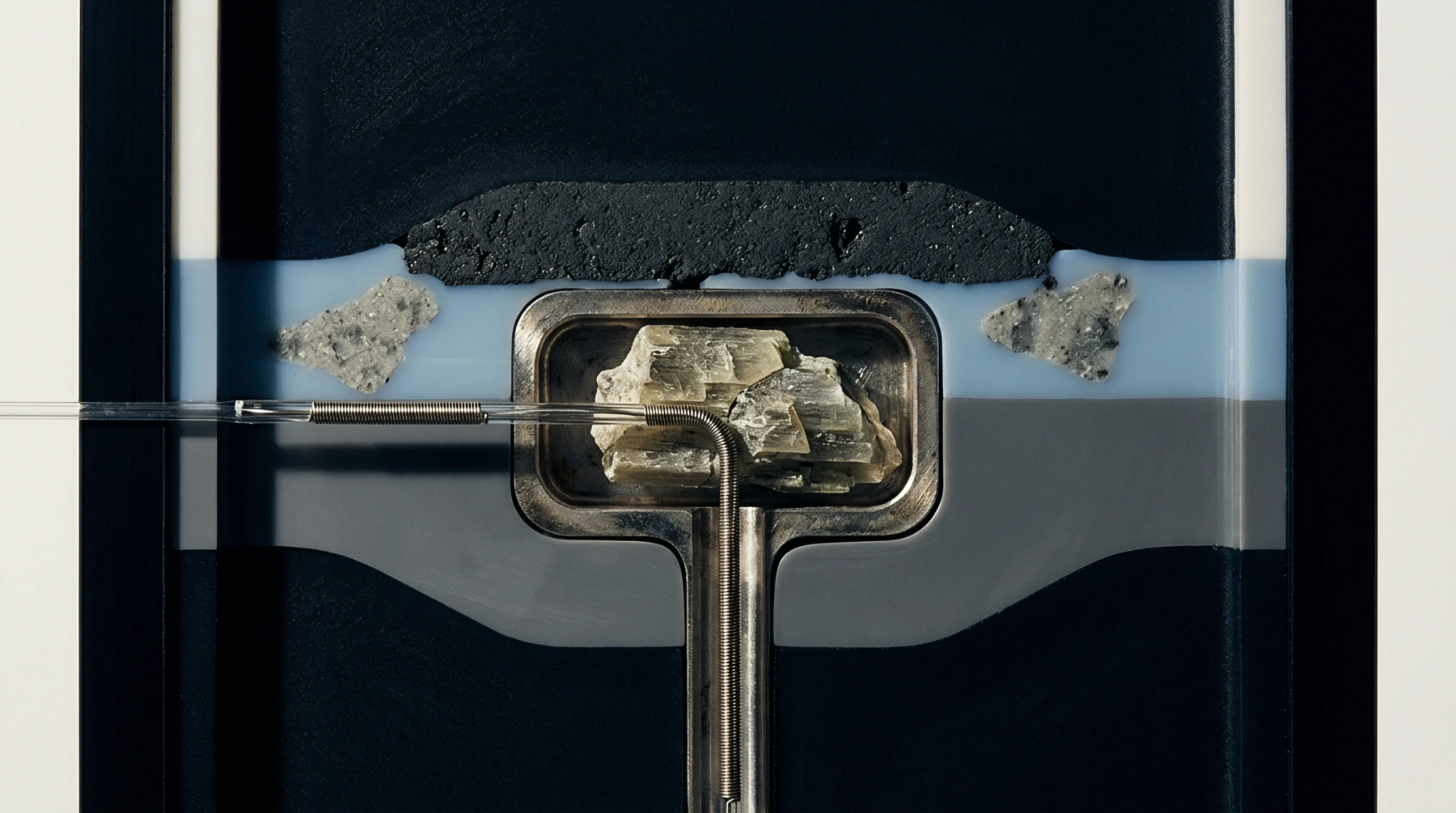
Combine non-destructive differential voltage analysis with high-resolution computed tomography to prove manufacturing defects and enforce cell lot warranty claims.

Electrochemical impedance spectroscopy detects subzero lithium plating by tracking charge-transfer resistance collapse and high-frequency phase angle shifts.
Cryogenic fast charging forces graphite surfaces to stoichiometric saturation, driving negative electrode potentials below zero and causing severe plating.

Dissimilar conductor interface kinetics demand barrier electroplating and perimeter seals to restrict moisture ingress and prevent joint resistance growth.

Dynamic stack pressure between 0.3 and 0.5 MPa suppresses microscale electrode delamination while avoiding current collector tearing under thermal cycles.
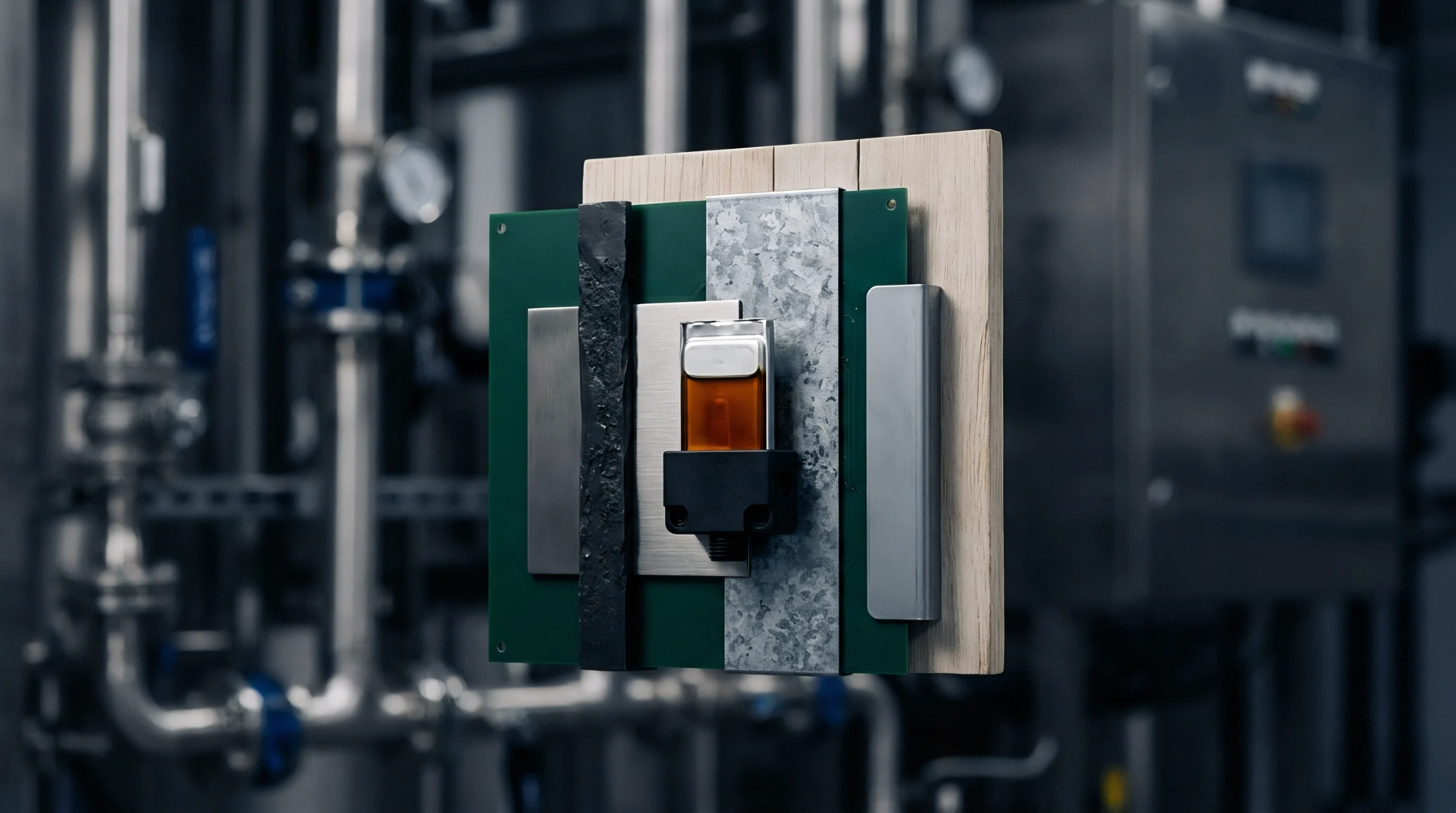
Electrolyte selection below minus twenty degrees Celsius requires low viscosity esters and imide salts to prevent lithium plating and maintain cell discharge capacity.
High-nickel cathode rollover stems from high-voltage H2-H3 phase strain and microcracking; contractually bound dQ/dV and resistance growth limits protect assets.
Combined high voltage and thermal stress drives exponential electrolyte salt consumption, causing localized concentration starvation and sudden capacity cliff drops.

High voltage thermal cycling accelerates cathode surface reconstruction and metal dissolution, doubling impedance and driving capacity fade.
Thermally corrected degradation mode quantification decouples kinetic impedance masking from true lithium inventory loss to prevent false warranty claims.
Maintaining active spring load above zero point three megapascals prevents localized pressure drop and anode lithium plating in oversized prismatic cells over extended service life.
Operando impedance spectroscopy isolates interfacial growth from diffusion decay in single crystal cathodes to secure reliable long-term battery performance.

Sacrificial sodium preloading compensates hard carbon initial capacity loss, lowering desolvation resistance when inorganic sodium fluoride inner films dominate.
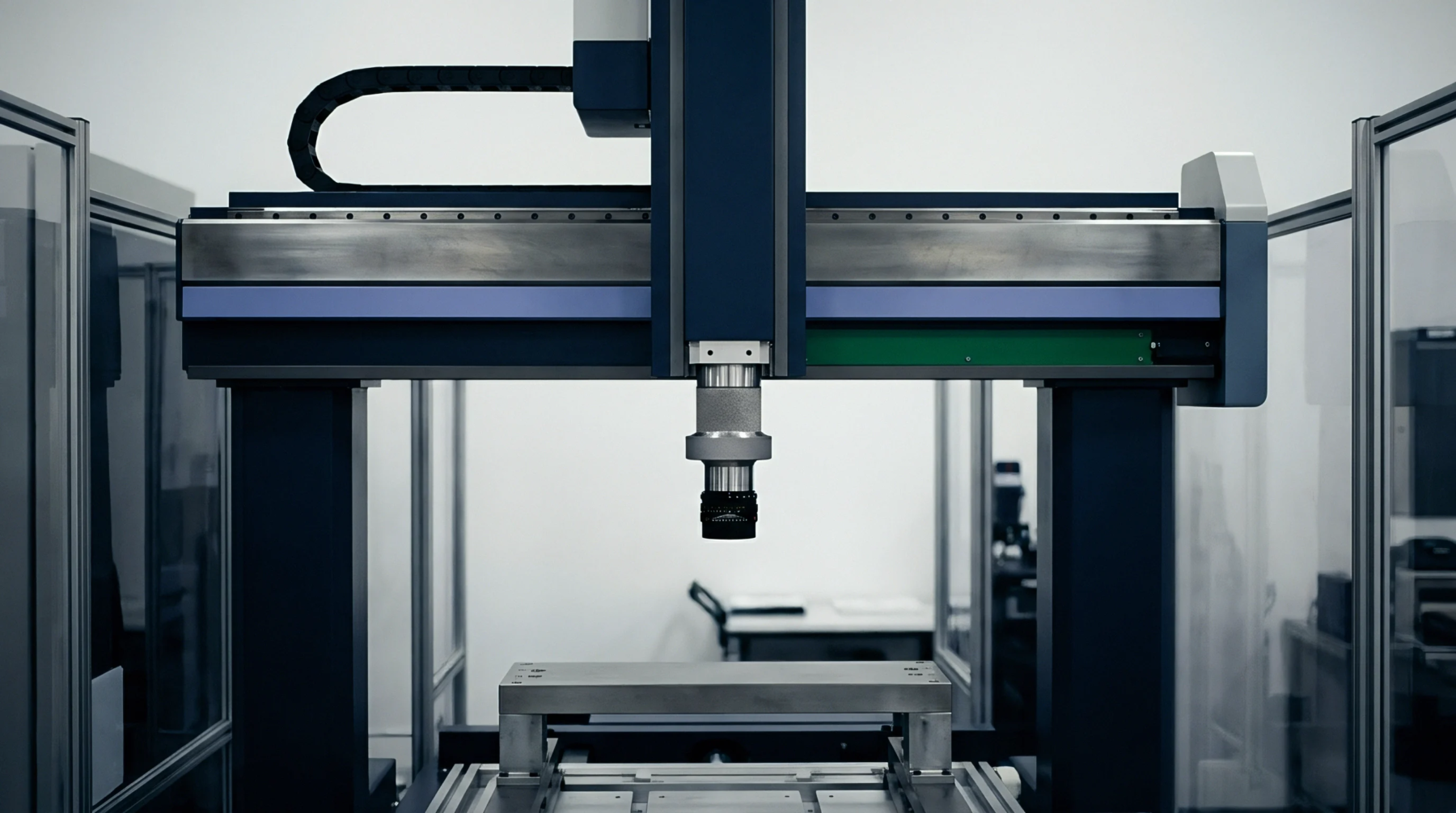
Sub-zero charging forces anode potentials below zero volts, causing metallic lithium plating that requires real-time telemetry and strict current derating.
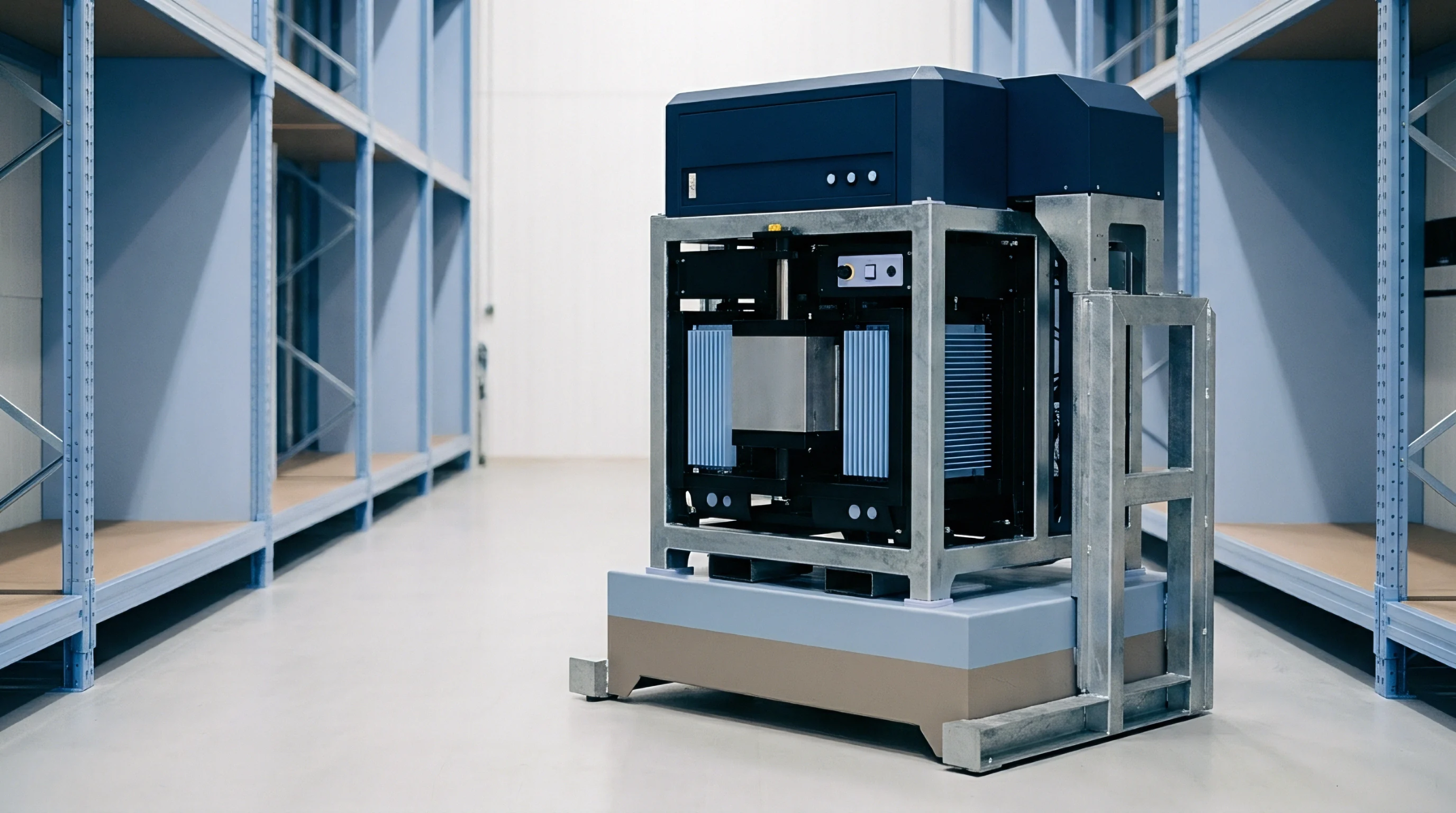
Quantifying high-voltage cathode interfacial impedance via DRT spectroscopy isolates charge-transfer growth to establish batch quality rejection limits.

Structured silicon alloy kinetics depend on managing stress-driven diffusion back-pressure and silicide matrix creep under external mechanical stack confinement.

Advanced cathode interphase diagnostics combine cryogenic vacuum spectroscopy with operando gas analysis to prevent high-voltage capacity fade and regulatory transport rejections.

Controlled stack pressure suppresses terminal crystalline phase transitions in silicon alloy anodes, doubling cell cycle life through mechanical containment.

High voltage operation drives cathode surface phase restructuring into an insulating rocksalt layer, accelerating capacity loss and warranty exposure.
Expertise is a utility, not a secret. sentiention™ publishes its working knowledge as open reference: intelligence layer covering the materials it sources, the markets it enters, and the reference that serves both.