Meaning
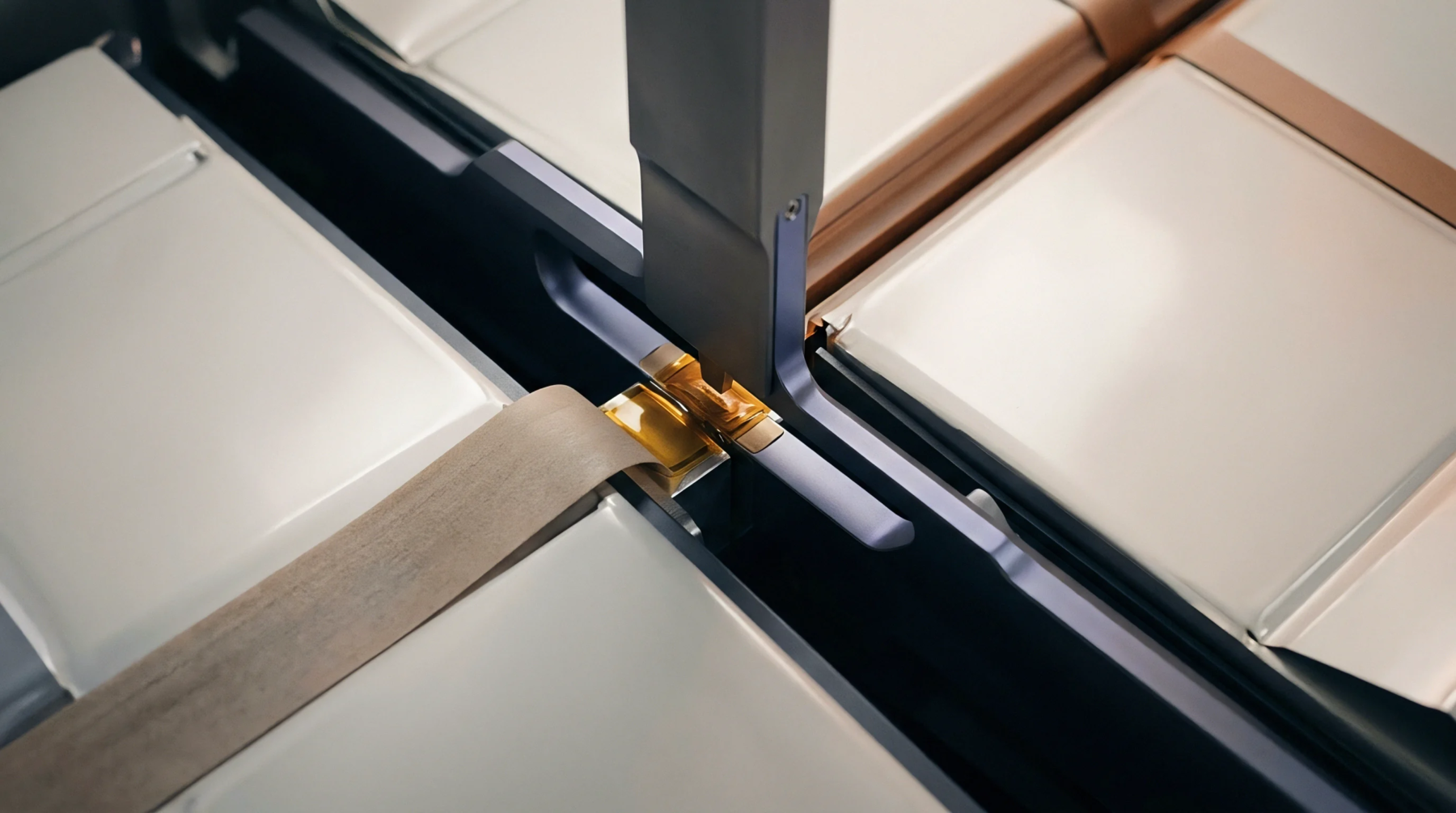
Systemic cooling layouts integrate various components to regulate the temperature of a battery pack during operation. The thermal management architecture defines how heat is moved from the individual cells to the external environment using liquid or air. Effective design prevents the accumulation of heat that could lead to accelerated aging or a thermal runaway event.
Heat Transfer
Moving energy away from the cell core requires a path with low thermal resistance. In a typical thermal management architecture, conductive plates or cooling ribbons are placed in direct contact with the cells to soak up excess heat. The choice of materials for these paths determines the speed at which the system can respond to a sudden increase in load.
High thermal conductivity is required for the interface materials.
Passive Control
Simple systems rely on the natural properties of the materials and the surrounding environment to stay cool. A passive thermal management architecture uses heat sinks and natural airflow to dissipate energy without the use of pumps or fans. This approach is common in small electronics or low-power storage where the heat generation is minimal.
While less complex and more reliable, passive systems have a limited ability to handle extreme temperatures or fast charging cycles.
Active Cooling
High-performance vehicles and industrial batteries require an intensive solution to maintain stability. An active thermal management architecture utilizes electric pumps and fans to force a coolant through the pack at a controlled rate. This allow the system to maintain a very narrow temperature range even under heavy use.
Sophisticated controllers adjust the cooling power based on the current and ambient conditions to maximize the efficiency of the entire system.