Meaning
Electrochemical degradation process where the host structure of an electrode can no longer participate in lithium-ion intercalation. Active material loss reduces the physical volume of sites available for energy storage, leading to permanent capacity decline. It primarily affects the cathode through structural fatigue or the anode through particle cracking and isolation.
This metric identifies the portion of the electrode that is electrically disconnected or chemically altered into an inactive phase. Procurement contracts often specify limits on this loss over a set cycle count to ensure long-term power delivery. It stops applying when the cell reaches its end-of-life threshold, where mechanical failure typically supersedes electrochemical decay.
Degradation Mechanism
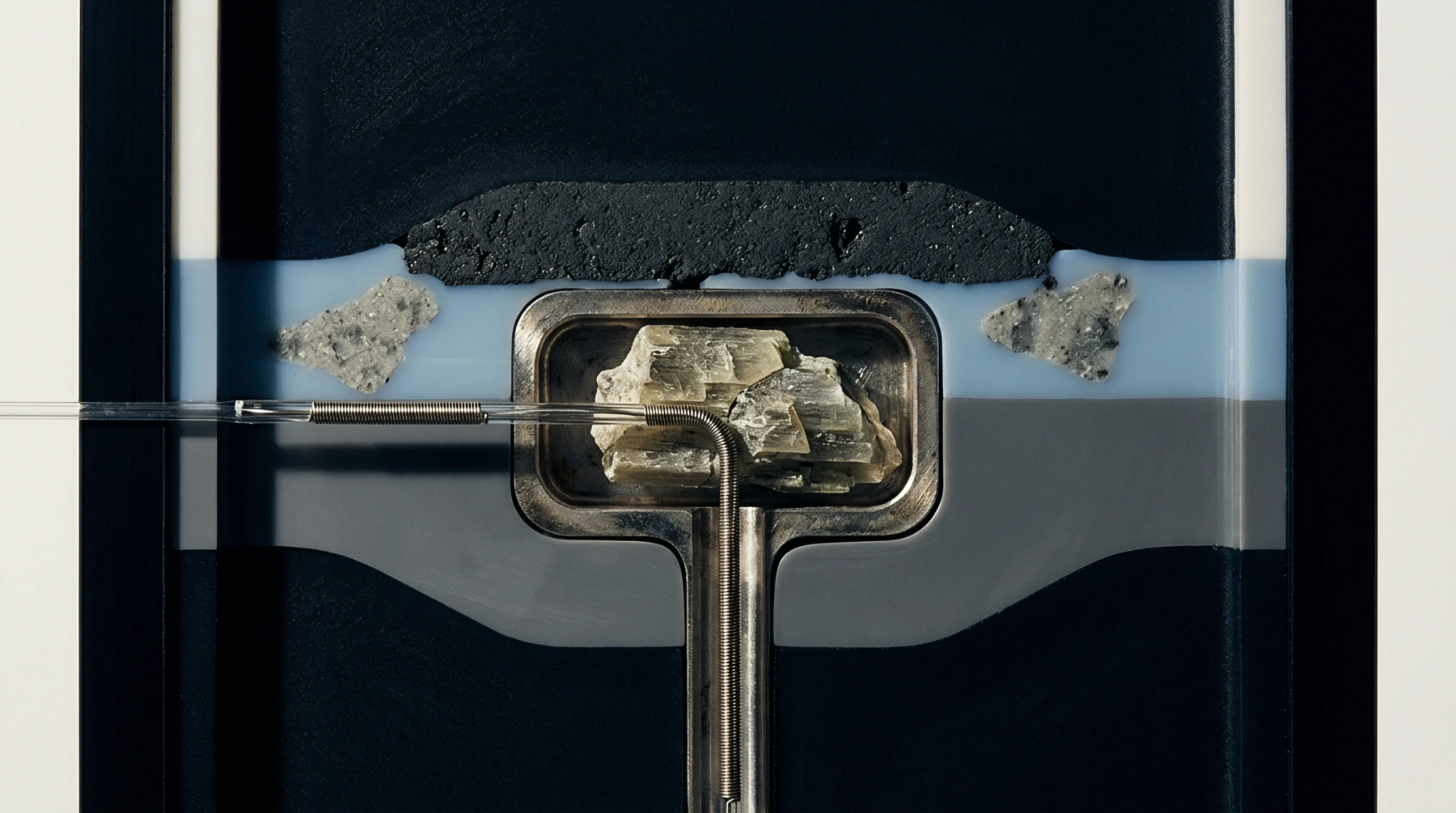
Mechanical stress during repetitive charging and discharging induces lattice strain within the electrode particles. Over time, active material loss occurs when these stresses cause micro-cracks that sever the electrical pathway between the particle and the current collector. These isolated regions remain physically present but cannot contribute to the total energy output of the cell.
Chemical dissolution also plays a role when transition metals from the cathode migrate into the electrolyte and deposit on the anode surface. This specific pathway creates a secondary layer that blocks ion access to the remaining host sites. Engineers use post-mortem analysis to quantify the remaining active mass versus the initial loading.
Such data informs the design of binders and conductive additives that hold the electrode structure together under high pressure.
Commercial Impact
Cell manufacturers track this parameter to determine the warranty period for automotive or stationary battery packs. Excessive active material loss results in a steeper degradation curve, which forces operators to oversize systems to meet performance guarantees. High rates of loss indicate a mismatch between the electrode chemistry and the intended application.
Sourcing teams compare results from different suppliers to evaluate the structural integrity of the supplied cells. A lower rate of loss suggests a more stable crystal structure or a better-engineered coating on the electrode particles. This information influences the total cost of ownership by extending the operational lifespan of the asset before replacement becomes necessary.
Testing Boundary
Precise measurement requires specialized equipment such as incremental capacity analysis or ultrasonic inspection during cycling. While active material loss contributes to capacity fading, it is distinct from the depletion of the lithium inventory itself. Standard discharge tests provide the total capacity but cannot isolate the specific cause of the decline without further diagnostic steps.
Environmental factors like extreme temperatures accelerate the rate of structural breakdown within the electrodes. The metric remains valid as long as the cell maintains its physical hermetic seal and internal pressure. Once a cell undergoes thermal runaway or venting, the electrochemical definitions of loss become irrelevant to the safety assessment.