Meaning
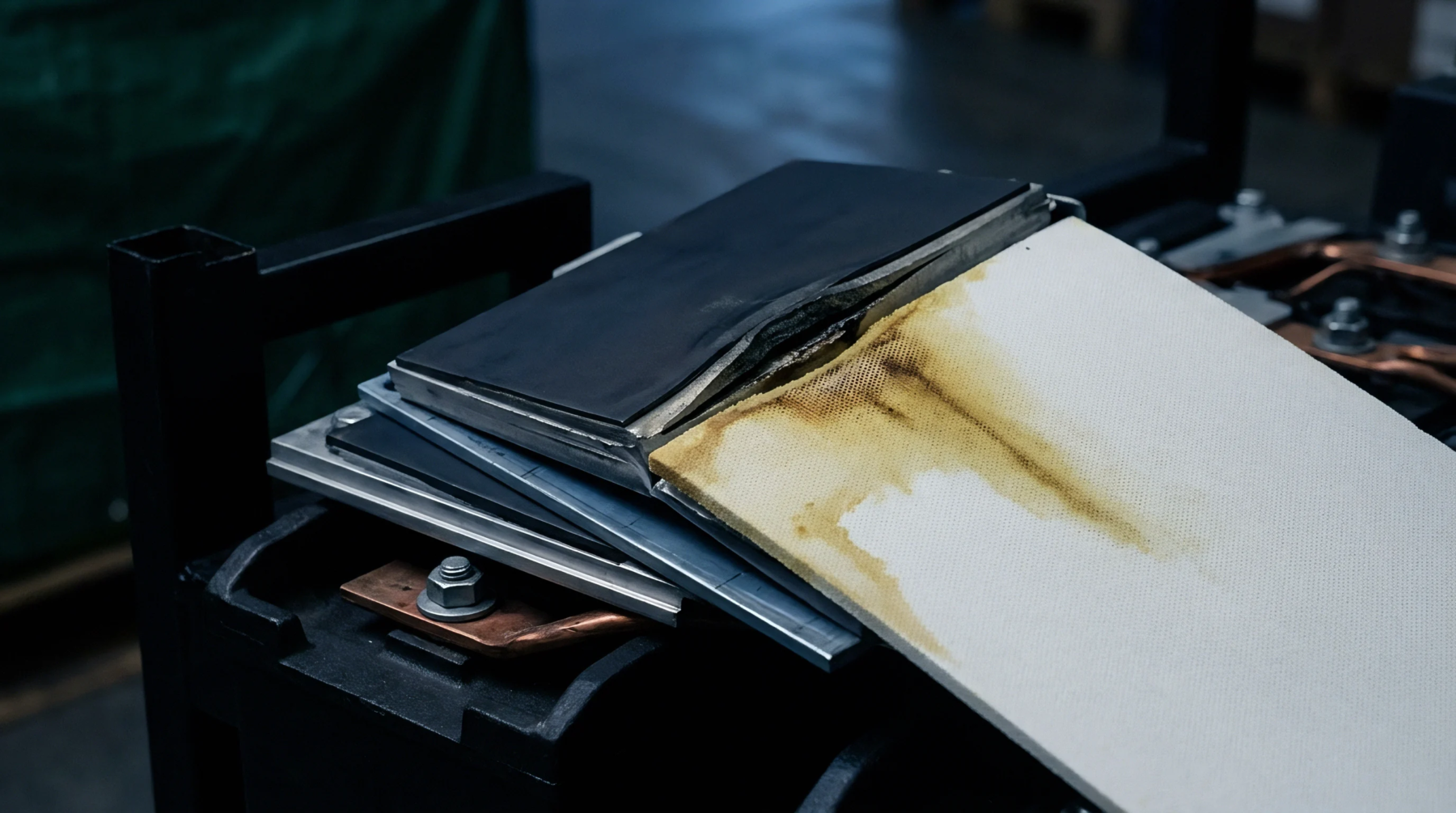
Set of mechanical stress benchmarks established by Underwriters Laboratories to verify that electric vehicle batteries remain safe after severe external impact. Manufacturers must meet the ul 2580 crush requirements to receive safety certification for the north american market. The test involves applying a massive force to the battery pack using a specialized hydraulic press.
This simulates the forces that would occur if the vehicle were involved in a serious crash. The battery must not catch fire or explode during or after the application of the load. It is a critical hurdle for any new battery design.
Force Application
Testing laboratories follow a strict protocol to ensure the results are consistent and defensible. During the evaluation of ul 2580 crush requirements, a semi cylindrical tool is often pressed into the side of the battery housing. The force is increased until it reaches a value based on the weight of the vehicle or a fixed limit defined in the standard.
This test targets the structural integrity of the enclosure and the internal cells. The speed at which the load is applied is also controlled to prevent artificial results. Data from temperature sensors and voltage monitors is collected throughout the duration of the test.
Containment Success
Pass criteria for the test focus on the prevention of hazardous conditions for the passengers and emergency responders. Compliance with ul 2580 crush requirements means the battery remains stable for at least six hours after the impact. No toxic gas should be released into the cabin area, and no flames should be visible outside the enclosure.
The mechanical structure must prevent the internal short circuits from spreading through the entire pack. While the battery is expected to be destroyed by the test, it must fail in a safe manner. Verification of these outcomes is done by expert observers and data analysis.
Certification Boundary
Regulatory approval for electric vehicles depends on the successful completion of these and other related safety tests. The ul 2580 crush requirements are specific to the battery pack and its integration into the vehicle. This standard does not cover the individual cells on their own, as they are tested under different protocols.
Suppliers must demonstrate that their design can withstand the rigors of the real world before they can sell their products to major car manufacturers. The final certificate provides the evidence needed for insurance and consumer safety ratings.