Meaning
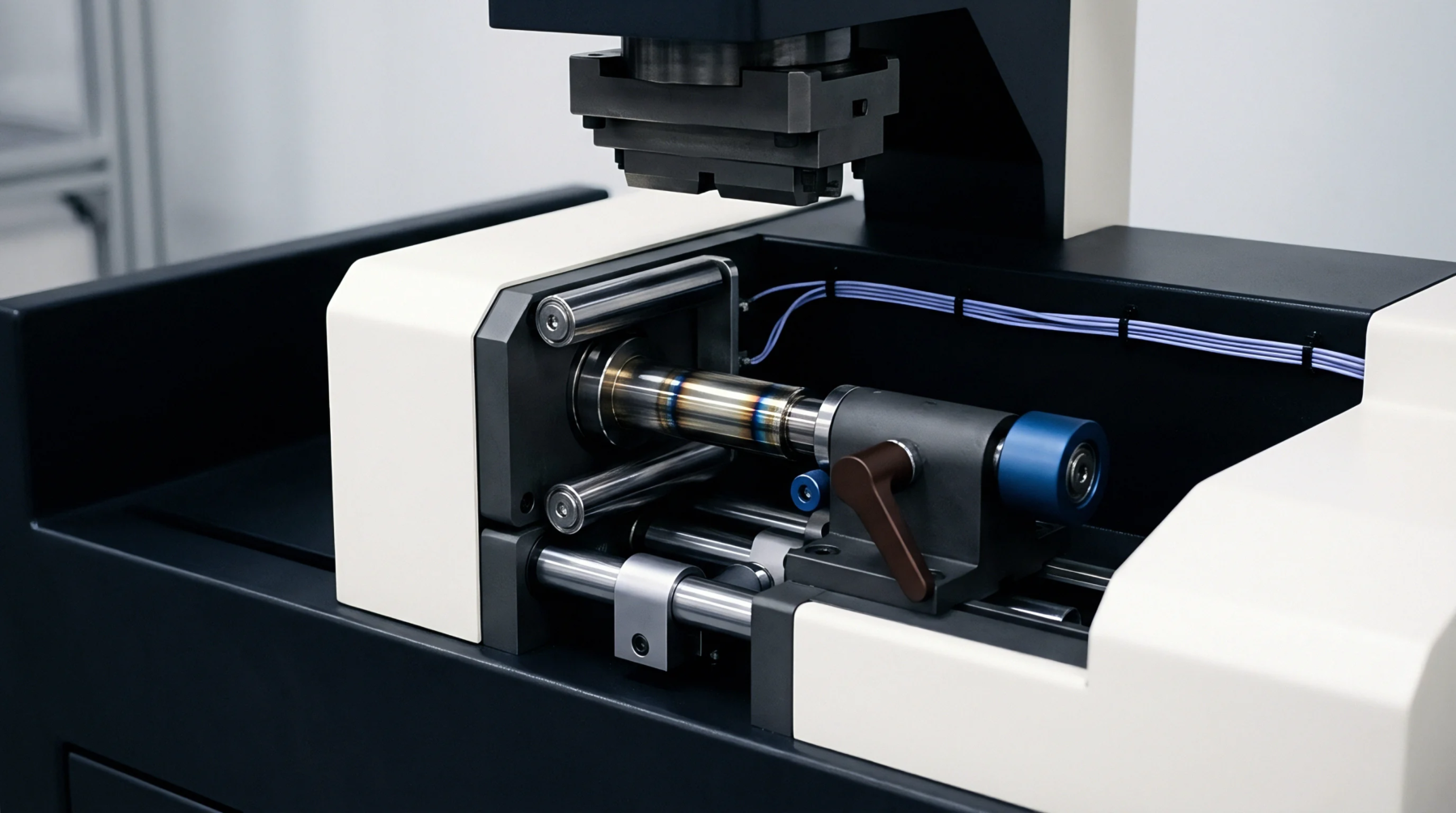
Specific sub-test within the United Nations manual of tests and criteria that evaluates the resistance of lithium batteries to physical shock. Compliance with UN 38.3 T4 is a mandatory requirement for the safe transport of lithium cells and packs by air, road, or sea. The test simulates the high-acceleration shocks that can occur during handling.
Sourcing Impact
Sourcing agreements require that all incoming cells and packs have passed this specific testing protocol before shipment. Sourcing managers must verify that the testing documentation from the supplier is complete and comes from an accredited laboratory. Transport of non-compliant batteries is illegal and carries severe financial penalties.
Physical Protocol
Test samples are subjected to a series of high-g shocks of short duration in three orthogonal directions. Each shock simulates a drop or sudden deceleration that could occur during shipping. To pass, the sample must show no mass loss, no leakage, and no venting or open circuit voltage drop.
Compliance Verification
Sourcing contracts require that third-party test reports are provided as part of the initial cell qualification package. Sourcing departments rely on these reports to ensure that the cells can be safely shipped to the pack assembly factory. Failing this test requires a redesign of the cell’s internal mechanical support structures.
This documentation is a primary gating item before volume shipments can begin.