Meaning
Placement of cargo containers inside internal vessel holds beneath closed, weather-tight hatch covers isolates consignments from direct maritime elements. Under-deck stowage governs container positioning in compliance with the International Maritime Dangerous Goods Code and carrier vessel safety plans. The scope applies to container slots bounded by the ship double bottom, structural transverse bulkheads and weather deck hatch covers, excluding exposed deck-top container stacks.
Thermal Shielding
Direct solar radiation on weather-deck container stacks can drive interior cargo temperatures above sixty degrees Celsius during tropical transits. Under-deck stowage eliminates direct solar heating, maintaining stable ambient conditions inside cargo holds. Mechanical hold ventilation systems expel accumulated gases, dissipate residual heat and limit ambient humidity.
Enclosed hold positioning shields containers from sea spray, preventing terminal corrosion and packaging degradation. Temperature-sensitive lithium batteries benefit from stable thermal conditions that suppress accelerated calendar aging during voyages. In the event of an internal container fire, closed hatch covers allow the activation of fixed hold fire-extinguishing systems.
Safety Integration
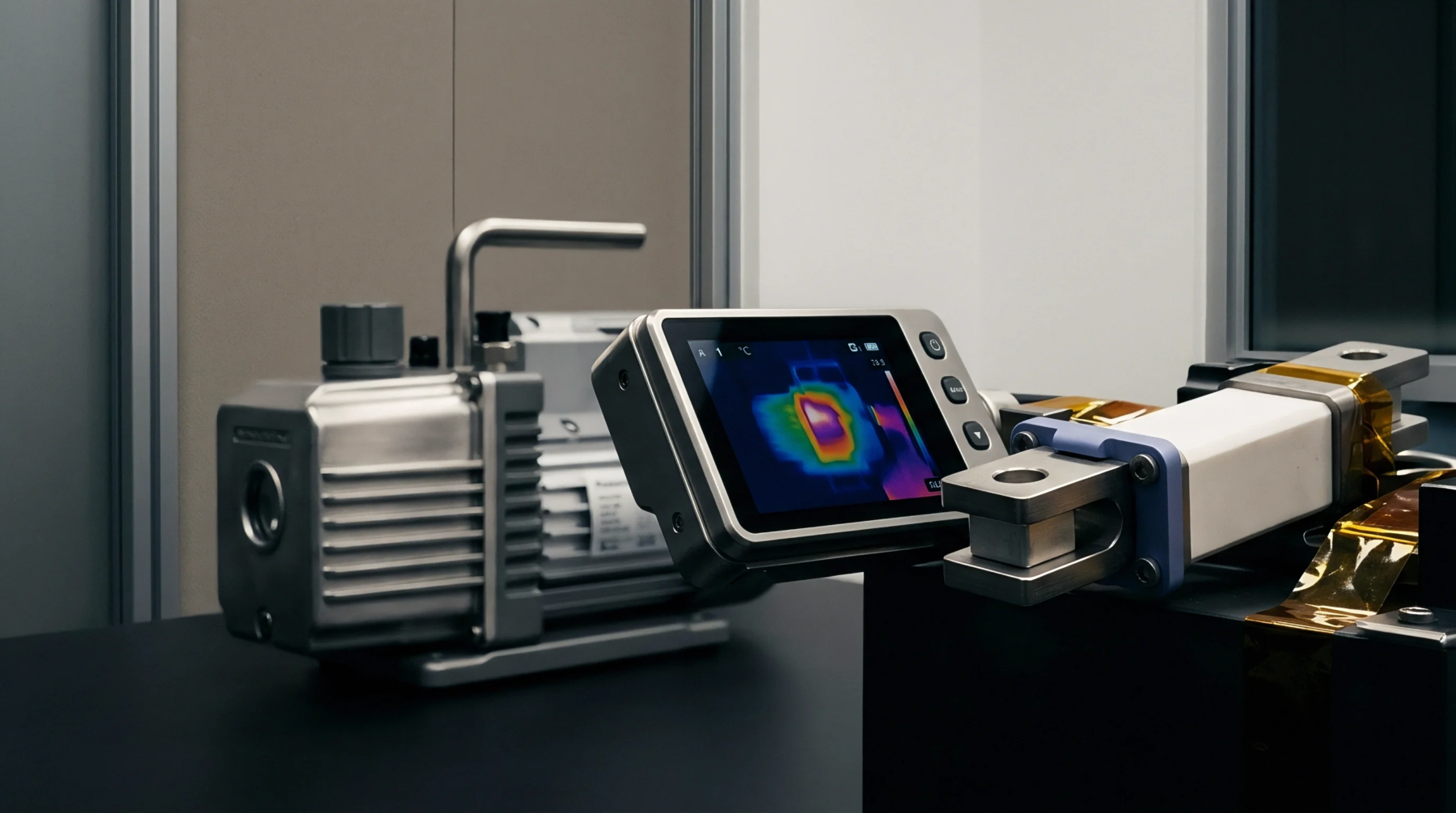
Fixed high-pressure carbon dioxide or water-mist fire suppression systems cover enclosed under-deck cargo compartments. Air sampling smoke detection arrays monitor cargo hold atmospheres for combustion byproducts, giving early thermal warnings. Thermal imaging systems installed in modern holds scan container faces to locate abnormal temperature signatures before open fires ignite.
Stowage segregation tables isolate dangerous goods consignments from incompatible materials, such as acids or flammable gases.
Stowage Assignment
Dangerous goods transport declarations determine container hold assignments based on hazardous classifications. Vessel planners reserve interior hold slots away from hot machinery spaces and heated fuel oil tanks. Carrier booking confirmations specify hold locations, noting bay, row and tier slot coordinates.
Pre-loading port inspections verify container door seals before containers drop into internal hold cell guides. Hazardous goods regulations mandate under-deck container placement to safeguard sensitive battery shipments against weather extremes and environmental degradation.