Meaning
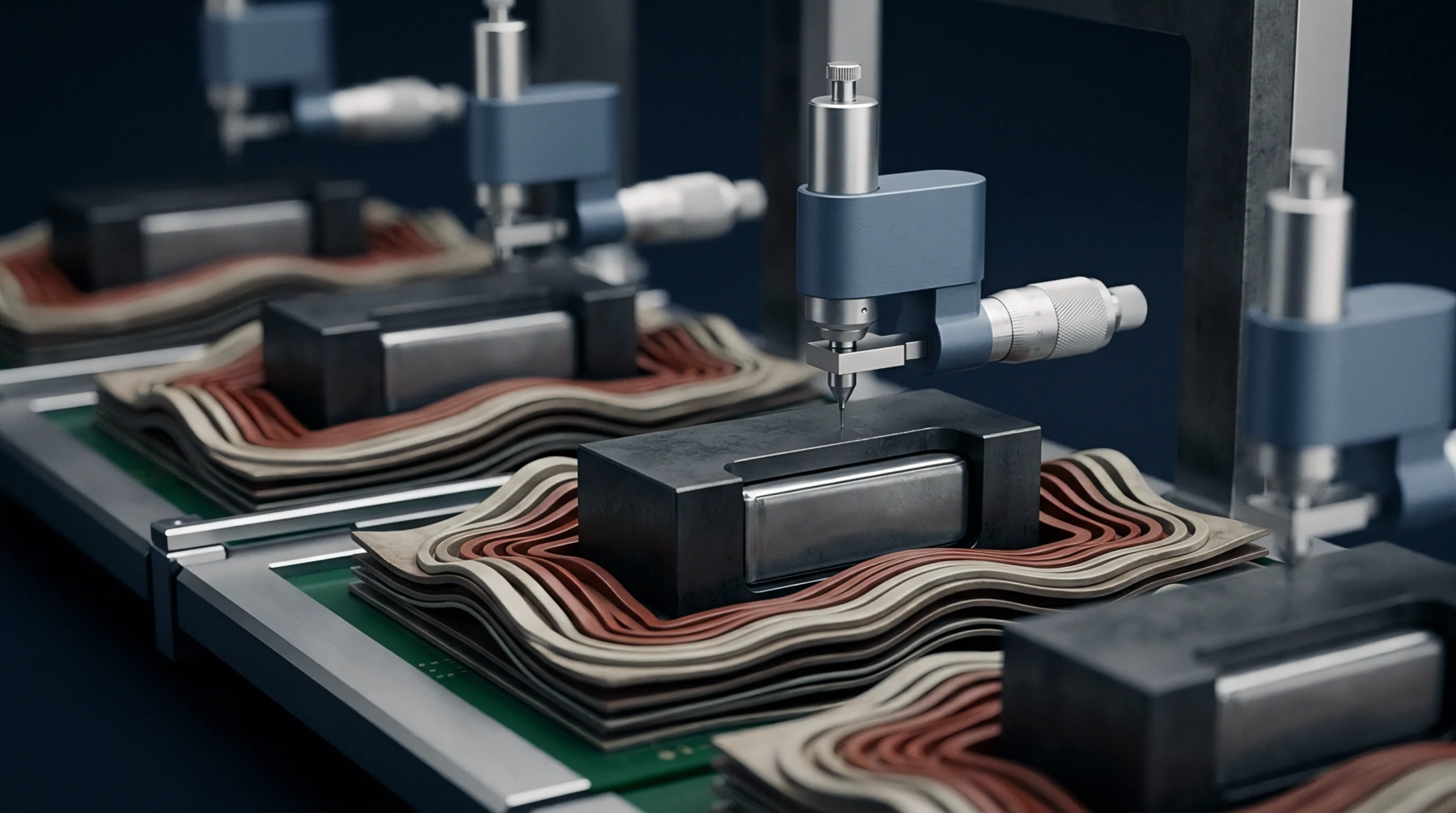
Mechanical resistance quantifies the physical force required for a needle to penetrate the polymer film located between battery electrodes. A separator puncture value defines the structural integrity of this porous membrane by identifying the load threshold at which a catastrophic short circuit occurs due to internal contact. It provides a baseline for evaluating how effectively the material prevents physical dendrite growth or particle migration from reaching the opposing electrode during thermal or mechanical stress events.
Load Mechanics
Operators determine this figure by pushing a standardized probe at a constant velocity into a fixed sheet of the polymer. The force increases until the material yields and the probe breaks through the surface, marking the limit of the internal safety barrier. Manufacturers record this measurement in Newtons to establish the upper bound of structural endurance for the cell.
Safety Application
Production lines monitor separator puncture to guarantee that thin membranes survive the high pressure applied during cell assembly. Consistent values across batches reduce the risk of internal faults caused by localized defects or uneven thickness. Stable material performance under load correlates with higher yields and improved reliability in commercial energy storage systems.
Integrity Threshold
Higher force limits indicate a more durable substrate that resists physical deformation during the winding or stacking process. Thin materials often show lower resistance to damage, necessitating a design trade off between electrical conductivity and mechanical stability. A separator puncture value above the target floor ensures that the final assembly maintains a safe distance between electrodes under normal operating conditions.