Meaning
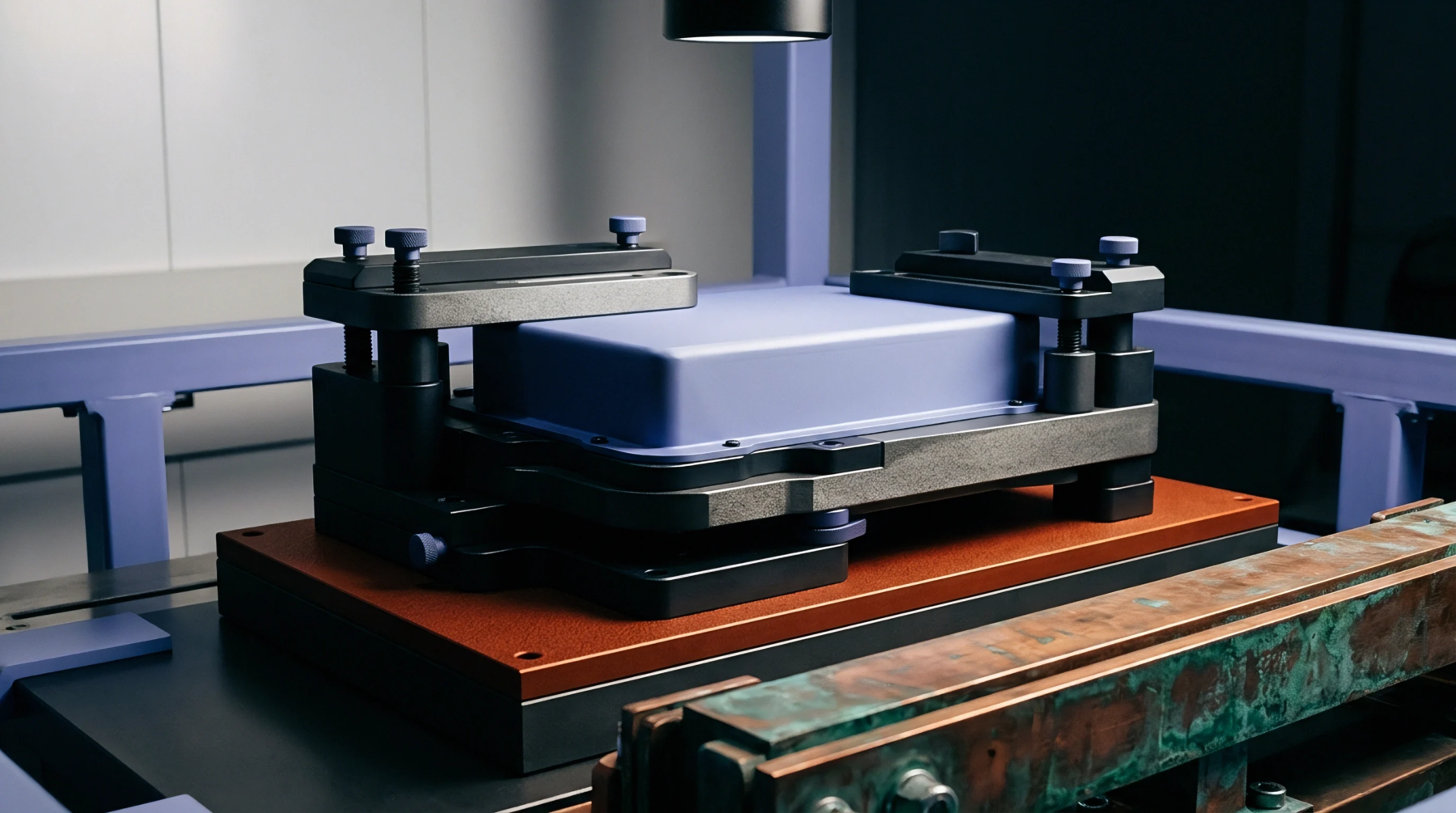
Final surface preparation uses a vibrating bowl and specific chemicals to remove fine scratches and sub surface deformation from samples intended for high resolution electron microscopy. This technique places specimens in a slurry of colloidal silica where rapid oscillations allow abrasive grains to skim across the surface with minimal downward force. It stands as a superior alternative to traditional manual polishing for materials that are prone to mechanical damage or chemical oxidation.
Within the battery sector, vibratory polishing creates the perfect finish required for successful ebsd mapping of tool steels and foil cross sections. The process is slow but produces results that are nearly free of any induced plastic stress.
Mechanical Action
Specimens are weighted and placed flat down inside the reservoir of the machine. Electromagnetic motors underneath create high frequency movements that cause the parts to rotate slowly while the entire plate vibrates. This action continuously brings fresh abrasive under the sample while washing away debris.
Because the weight of the sample is the only vertical pressure, edges do not round off as they might during high speed rotation. Sharp interfaces remain flat across the boundary between soft polymers and hard metals.
Preparation Benefits
Surface quality determines whether subtle diffraction patterns from crystal grains will be clear enough for automated computers to read. Traditional grinding can smear metal layers which hides the real grains underneath a thin skin of deformed material. Vibratory polishing removes this layer atom by atom until the pristine lattice is exposed to the beam.
It is especially useful for aisi m2 steels where several types of hard carbides must stay in place without pitting. Achieving this flat state is necessary for images where topography would interfere with chemical signals.
Efficiency Bounds
Cycle times often extend for several hours or even overnight depending on the hardness of the material. Analysts must monitor the concentration of the colloidal silica to ensure it does not dry out and scratch the specimens. After the run is finished, samples must be rinsed immediately in warm water or ultrasonic baths to remove remaining particles.
This step is the bottleneck in most high grade metallography labs because each bowl holds only a few items at once. Despite the duration, the resulting clarity cannot be matched by faster traditional grinding methods.