Meaning
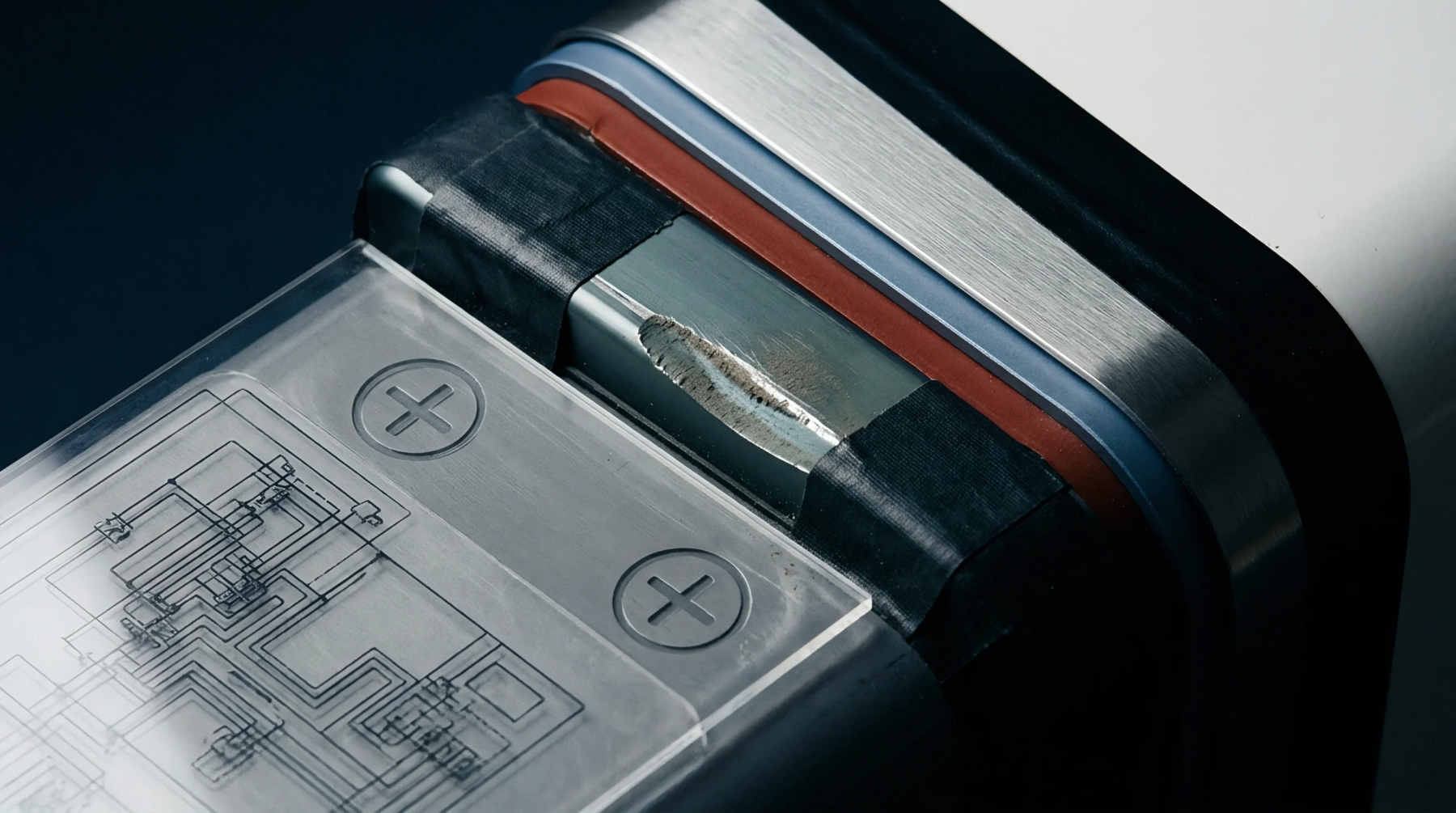
Progressive degradation of metallic or polymer components exposed to cyclic thermal loads and chemical oxidation in a circulating mixture of water and ethylene glycol defines this failure mode. In electric vehicle battery cooling systems, water-glycol coolant fatigue affects the aluminum cooling plates and plastic connectors that experience temperature swings during thermal management cycles. This degradation is accelerated by the corrosive nature of the fluid at elevated temperatures, which can weaken the protective oxide layer on metal surfaces.
The boundary of this fatigue mechanism is reached when the coolant is kept at a constant temperature and contains effective corrosion inhibitors that prevent chemical degradation of the containing materials.
Chemical Corrosion
Exposure to the glycol mixture at high temperatures leads to the gradual depletion of the corrosion inhibitors and the formation of acidic byproducts. As the coolant degrades, it becomes more corrosive, attacking the internal walls of the aluminum cooling channels and forming localized pits. These pits act as stress concentrators that accelerate the initiation of cracks under the cyclic pressure and temperature changes experienced during operation.
The combination of electrochemical corrosion and mechanical stress creates a synergistic degradation effect that is far more severe than either mechanism alone. This interaction can cause thin-walled cooling plates to rupture, which leads to coolant leaks into the battery module. Such leaks can cause electrical shorts and trigger thermal runaway in the surrounding cells, making the monitoring of coolant chemistry a necessary safety requirement.
Thermal Stress
Cyclic temperature fluctuations drive the mechanical strain that works in tandem with the chemical degradation. When the battery system switches between heating and cooling modes, the aluminum plates expand and contract, which generates cyclic stresses at the welded joints and mounting points. These thermal stresses are concentrated at any regions already weakened by coolant corrosion, which drives crack propagation through the material thickness.
This mechanical fatigue is further aggravated by the pressure pulses generated by the coolant pump as it adjusts flow rates to meet thermal demands.
Preventive Measure
Mitigating this failure mode requires the use of high-grade corrosion inhibitors and the selection of materials with superior resistance to glycol degradation. Regular coolant maintenance and replacement ensure that the fluid maintains its protective chemistry and does not become acidic over time. Implementing welding techniques and minimizing stress concentrations in the design of the cooling plates also help resist crack initiation.
These engineering controls extend the lifetime of the cooling system and protect the battery pack from moisture-related failures.