Meaning
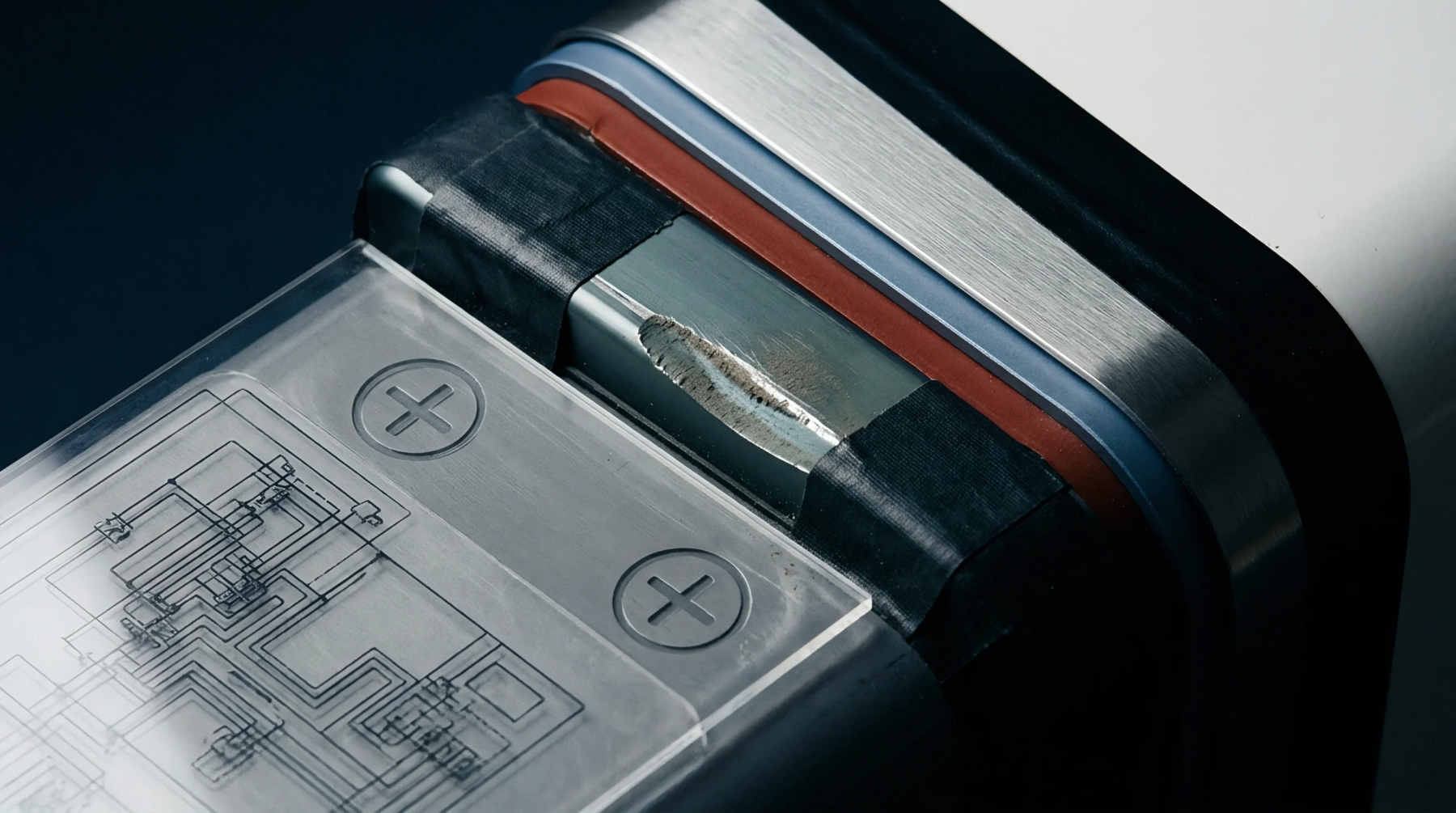
Liquid cooling technology utilizing metal plates with internal flow channels transfers heat away from high power density electronic components. Active systems rely on cold plate thermal management to maintain semiconductor temperatures below their functional limits. The fluid, typically a water glycol mixture or dielectric oil, circulates through the plate to absorb energy via convection.
Performance depends on the contact area and flow rate.
System Architecture
Mechanical mounting of the device to the cooled surface ensures the conductive path remains unbroken. Effective cold plate thermal management requires a flat interface and an interface material to fill microscopic air gaps. Clamping pressure must be uniform to prevent hot spots or mechanical warping of the processor.
Design Variable
Channel geometry determines the pressure drop and heat transfer coefficient of the unit. Small diameter passages in cold plate thermal management increase the surface area.
Performance Metric
Thermal resistance values quantify the efficiency of the heat extraction process. Because the fluid temperature rises as it moves through the plate, cold plate thermal management exhibits a gradient along the flow path. High performance designs minimize this gradient to ensure all chips on a board experience similar cooling.
The flow rate is the primary control for temperature stability.