Meaning
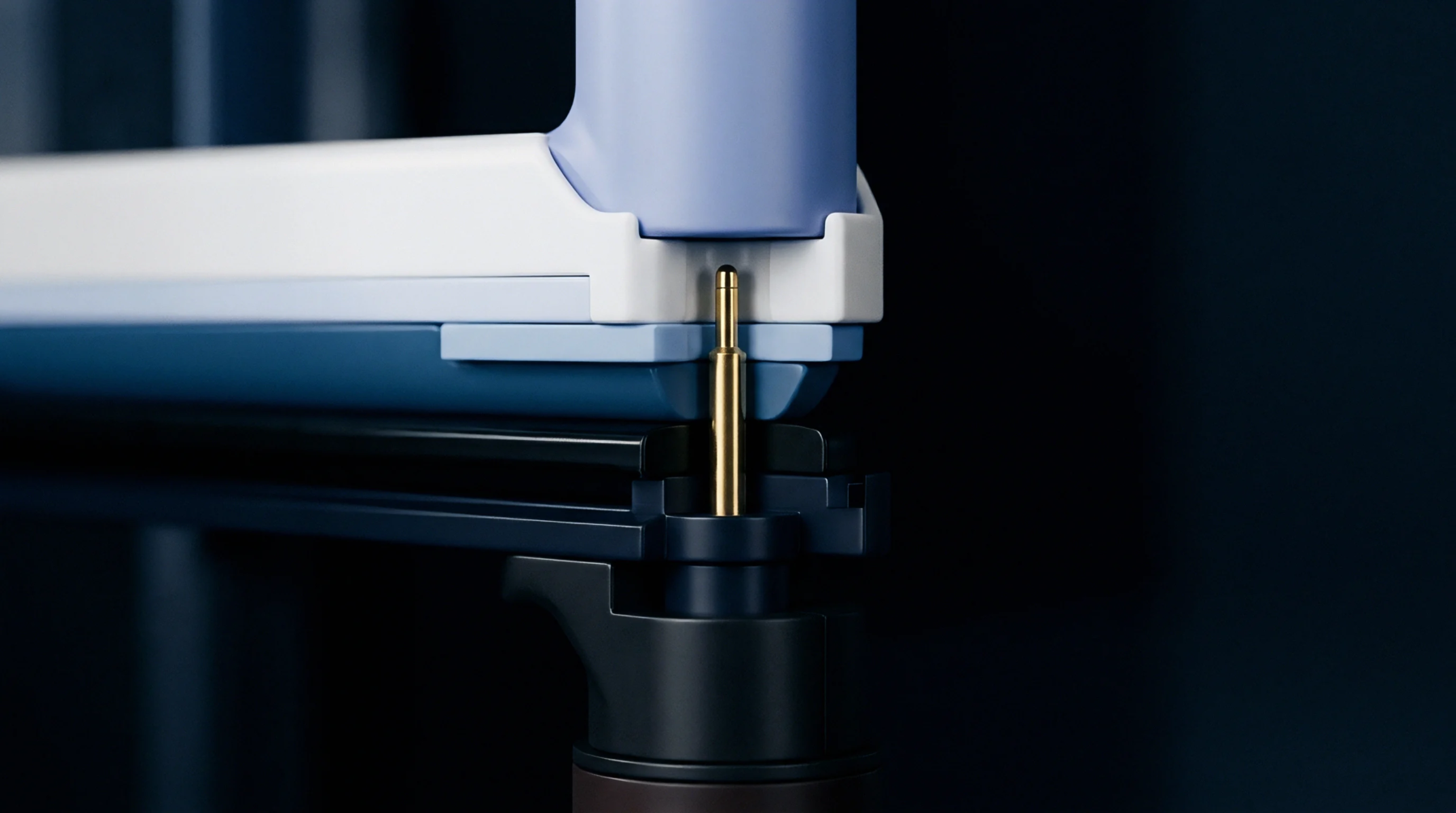
Compressive forces applied by wave-shaped metallic springs to a stack of components establish the initial contact pressure required for stable mechanical and electrical interfaces. In cell contact systems, the wave spring preload maintains continuous pressure on the electrical busbars and terminal joints to prevent vibration-induced disconnects. This forces the electrical junctions to remain in close contact even under high dynamic loads.
Interface Stability
Electrical joint performance depends on continuous surface contact to minimize resistance and prevent overheating. The wave spring preload ensures that the busbar connections do not loosen when the pack is subjected to heavy road vibrations. This mechanical stability prevents arcing and reduces the risk of thermal damage to the cell terminals.
Dynamic Compliance
Thermal expansion and contraction can cause variations in the spacing of the module components over time. A calibrated wave spring preload accommodates these changes by compressing or expanding while maintaining a relatively constant force. This compliance prevents high stress peaks that could damage the delicate electrical sensors or the cell pouch seals.
Component Specification
Procurement specifications for these precision springs define the required spring rate and the nominal force at the compressed working height. Sourcing managers verify the wave spring preload limits to ensure that the springs provide sufficient force without being crushed into their flat state. This verification process prevents assembly defects and ensures long-term electrical reliability.
Technical documentation from spring manufacturers must specify the durability limits of the steel alloy to prevent force loss over the life of the vehicle.