
Solid State Battery Cell Stack Pressure Qualification Manual
Solid-state cell qualification demands continuous stack pressure mapping within strict electro-chemo-mechanical limits to prevent voiding and dendrite failure.
Solid-state cell qualification demands continuous stack pressure mapping within strict electro-chemo-mechanical limits to prevent voiding and dendrite failure.

Laser-welded 3003 aluminum cell headers under sulfide swelling require lower bead tensile stress below fifty megapascals to prevent stress corrosion cracking.
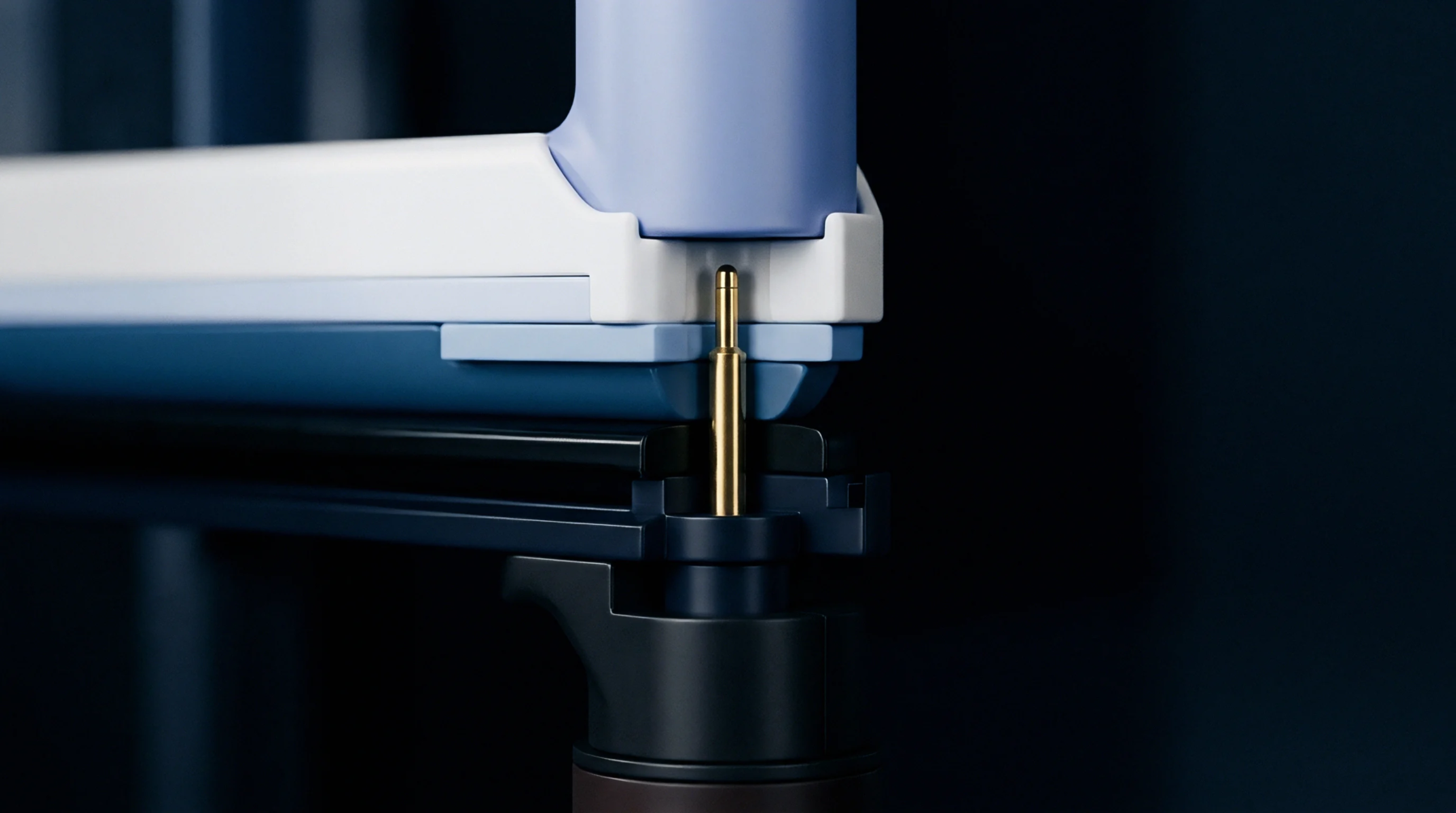
Solid state spring plate allowances absorb 10 to 18 percent cell volumetric strain while bounding contact pressure between 1.0 and 4.0 MPa across cell life.

Dynamic cycling of solid-state cells demands active dynamic pressure retention fixtures to prevent interfacial voiding and early capacity loss.
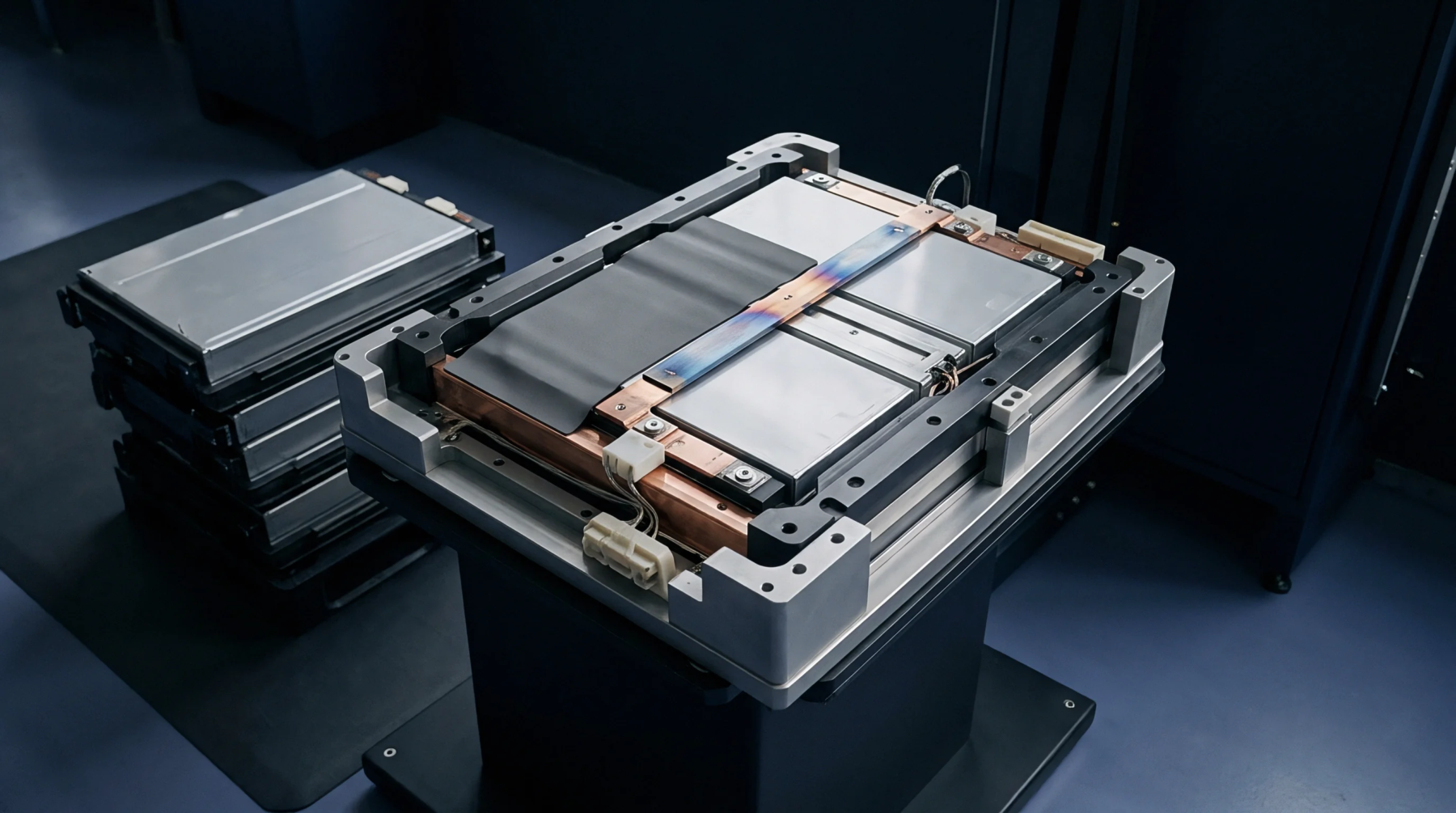
Solid-state prismatic cell swelling generates edge rotation bending strain at header weld roots, requiring wobble laser trajectories and compliant header contours to prevent premature fatigue failure.
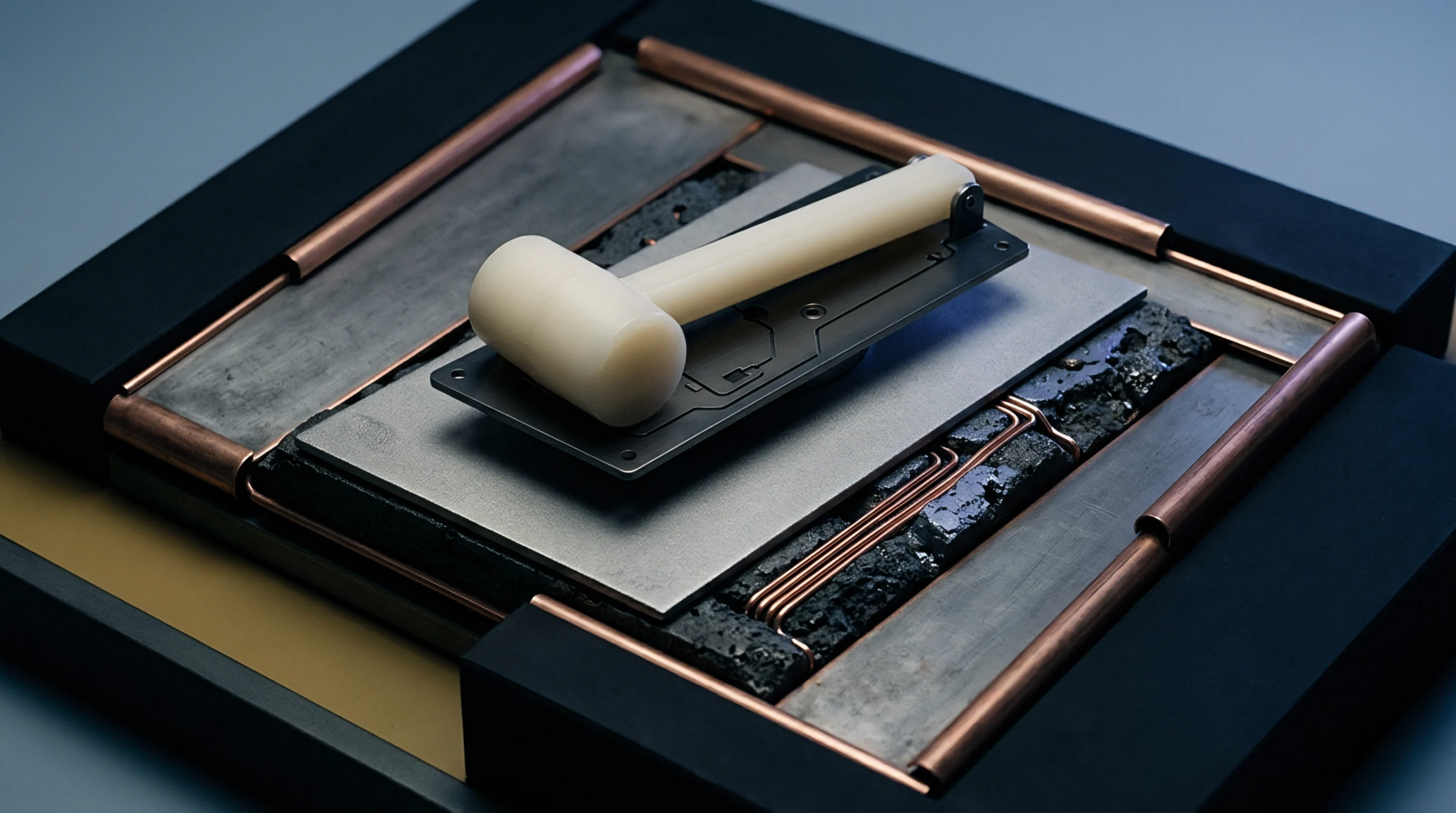
Establishing baseline solid-state cell thickness demands constant pressure fixtures with fixture compliance subtraction and zero-state reference at SOC zero.

Initial lithiation drives permanent and reversible solid-state cell thickness expansion requiring continuous Servo-regulated platen pressure during formation.

Solid-state prismatic expansion demands dynamic stack compression and strict header weld strain limits to prevent interfacial delamination and capacity fade.
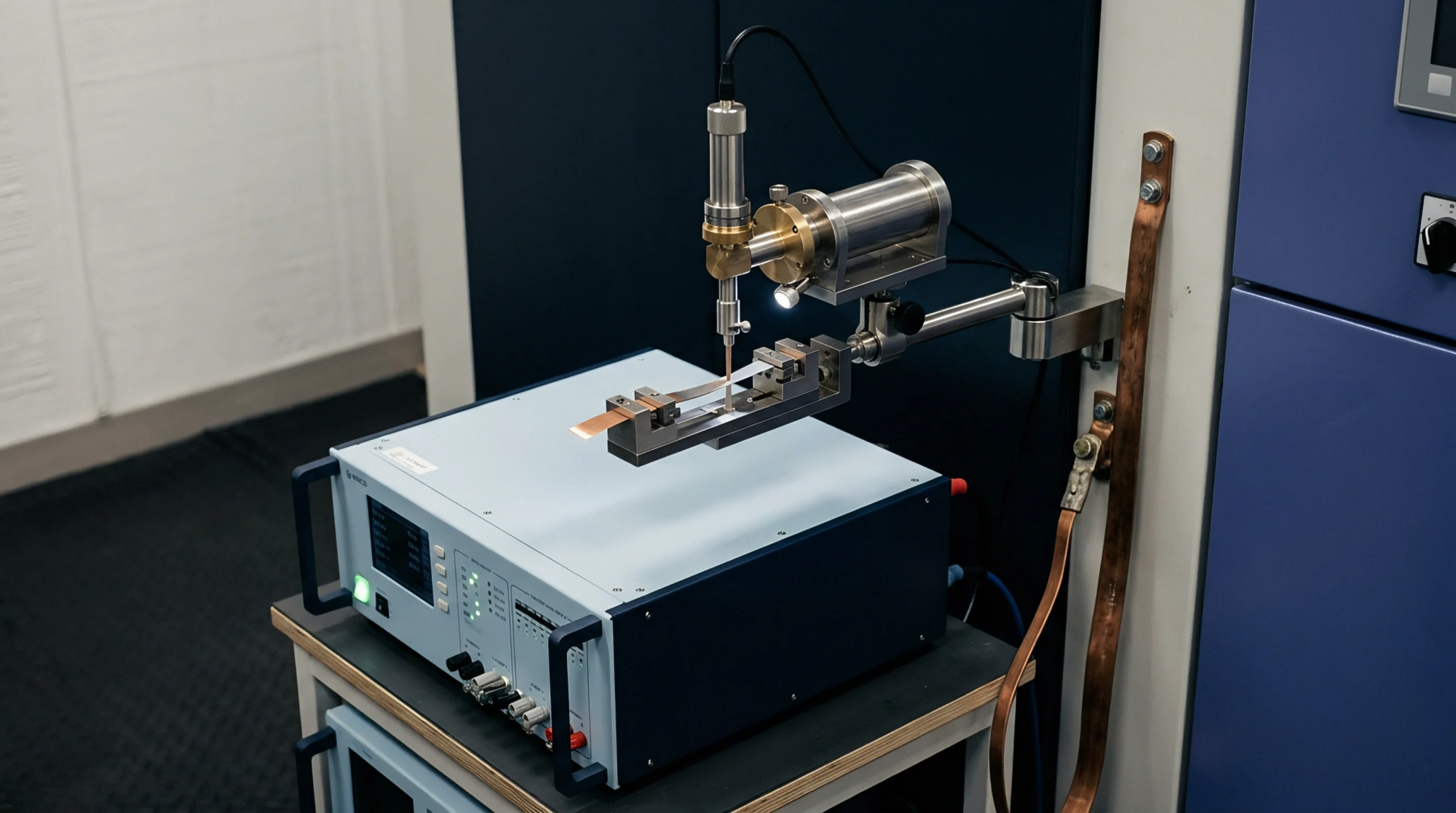
Optimal mechanical constraint extends lithium cell cycle life by suppressing electrode delamination while avoiding separator pore collapse and intergranular cathode fracture
Expertise is a utility, not a secret. sentiention™ publishes its working knowledge as open reference: intelligence layer covering the materials it sources, the markets it enters, and the reference that serves both.