Contractual Risk Allocation Mechanisms in Prototype Lithium Cell Freight Bookings
Prototype cell shipments require competent authority permits and Packing Group I containment while contracts shift all carrier diversion risks to shippers.


Permit
Air waybills for developmental energy storage come with severe legal encumbrances before freight ever touches an airport apron. When a lab tenders electrochemical hardware that has not completed the full testing sequence in the United Nations Manual of Tests and Criteria, Section 38.3, standard common-carrier terms no longer apply. The cargo enters international transport under United Nations numbers UN 3480 or UN 3481, but without the standard test summary document required for commercial production lots.
That missing paperwork immediately disqualifies the booking from standard consolidation services.
Regulatory frameworks accommodate these uncertified articles solely through specific derogations. The International Civil Aviation Organization Technical Instructions and International Air Transport Association Dangerous Goods Regulations set out Special Provision A88 for prototype lithium cells flown prior to type-qualification, while ocean freight under the International Maritime Dangerous Goods Code relies on Special Provision 310. Securing a booking requires explicit approval issued by the competent national authority of the origin state, along with matching bilateral approvals from transit states and the destination jurisdiction.
Shippers frequently discover that commercial airlines operate carrier variations that flatly refuse Special Provision A88 cargo, regardless of state permits.

Can Prototype Cells Fly under Commercial Air Waybills?
Cargo airliners reject incomplete dossiers. Major integrators maintain published carrier variations within the Dangerous Goods Regulations that bar any battery lacking a fully certified UN 38.3 test summary. Even when an origin state issues a competent authority exemption, airlines retain absolute discretion under standard air waybill conditions to turn down freight they consider hazardous to airframe safety.
Booking pre-production cells through digital forwarder portals that automate document verification usually results in immediate cancellation.
Special Provision A88 requires bilateral competent authority approvals from every jurisdiction along the flight path before a carrier accepts uncertified developmental energy storage.
Booking uncertified articles demands a dedicated charter agreement or a bespoke contract negotiated directly with hazardous materials specialists at cargo airlines. Confirmation hinges on presenting a valid approval document alongside a signed shipper’s declaration certifying compliance with all packaging conditions set by the issuing authority. Forwarders acting as indirect air carriers routinely insert contract disclaimers shifting all liability for regulatory rejection back to the booking party.
| Transport Mode | Regulatory Gateway | Required Documentation | Packaging Mandate | Carrier Discretion Level |
|---|---|---|---|---|
| Passenger Aircraft | Forbidden outright | None permitted | Not applicable | Total prohibition |
| Cargo Aircraft | IATA SP A88 / PI 910 | Competent authority approval and test dossier | PG I metal or rigid outer with non-combustible insulation | High rejection rate via operator variations |
| Maritime Vessel | IMDG SP 310 / P910 | Competent authority certificate and safety data sheet | Hermetic inner packagings with thermal cushioning | Discretionary container stowage on deck |
| Road ADR | ADR SP 310 / P910 | National transport permit and hazard declarations | Tested drop-rated containment with impact dissipation | Moderate acceptance with dangerous goods surcharge |
Carriers taking on uncertified chemistry routinely insist on specific master service addenda. These documents remove statutory liability caps under the Montreal Convention or the Hague-Visby Rules for damage caused by cell failure. A shipper signing standard air cargo space commitments without reading the dangerous goods rider assumes strict, uncapped indemnification obligations toward both the carrier and every co-loaded cargo owner on that manifest.
Standard dangerous goods contracts bind the shipper through a mandatory warranty line stating that any cargo booked under Special Provision A88 conforms precisely to the chemical parameters in the state exemption certificate. Any unexpected thermal event then becomes an automatic breach of warranty that voids all forwarder liability.
Drum
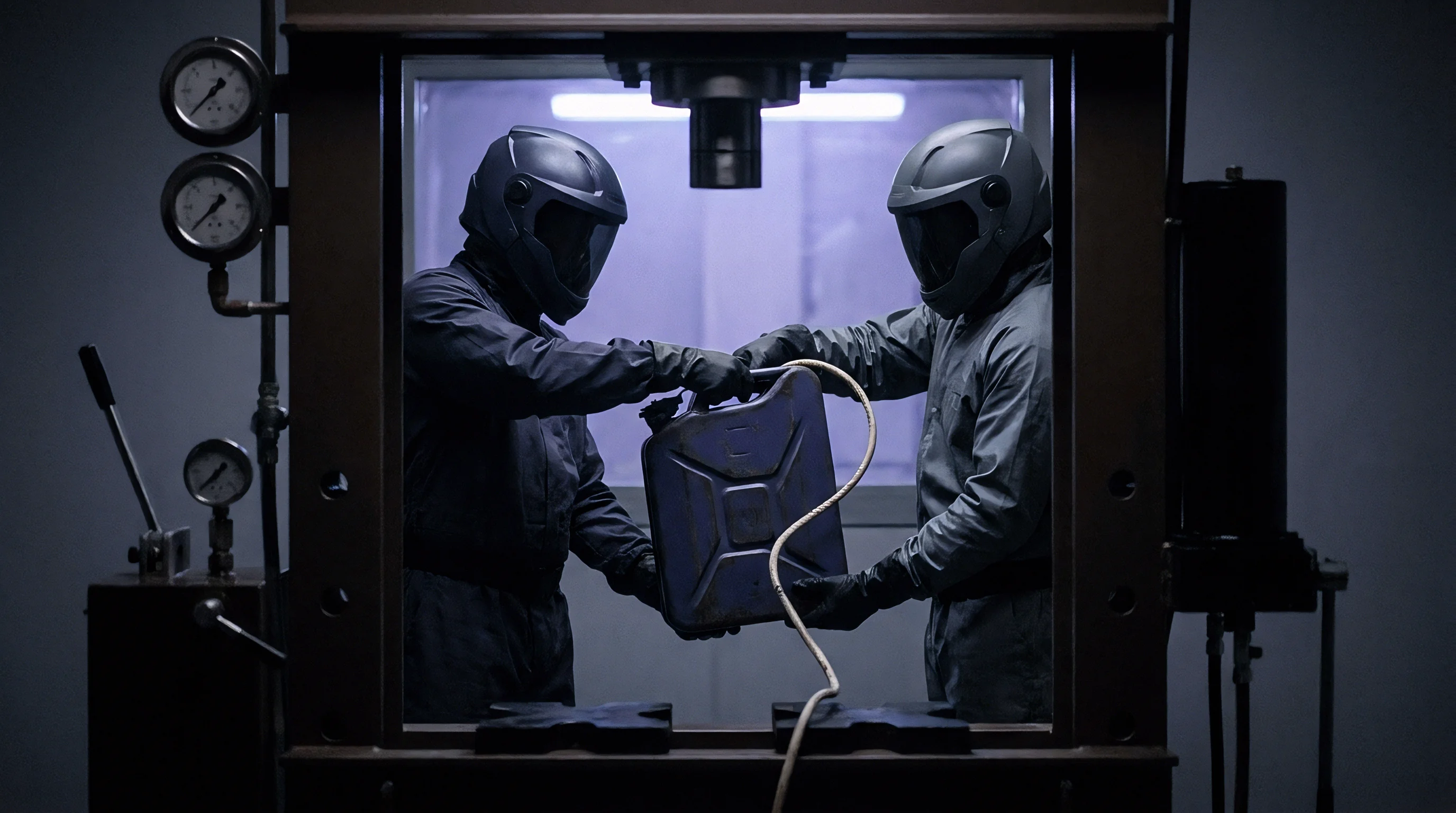
Packaging specifications for pre-production chemistries eliminate conventional single-wall corrugated boxes from the supply chain. Packing Instruction 910 under the International Civil Aviation Organization framework and Packing Instruction P910 in the maritime code dictate that prototype cells must sit inside United Nations performance-rated outer enclosures built to Packing Group I standards. Steel drums, heavy-gauge aluminum containers, or impact-resistant plywood cases serve as the outer barrier against transit shocks and punctures.
Inside the rigid outer vessel, each uncertified cell requires individual isolation. Liquid electrolyte formulations in pre-production runs frequently show higher chemical volatility, lower flashpoints, or incomplete formation cycles that raise the risk of internal short circuits. Pouch cells vent along seam seals.
Cylindrical formats rely on internal current interrupt devices that can fail under experimental current collectors. Packaging design therefore shifts from simple containment to active thermal mitigation.
Packing Instruction 910 mandates outer metal drums certified to United Nations Packing Group I standards with complete non-combustible cushioning surrounding every individual cell.
Cushioning must consist of non-combustible, non-conductive thermal insulation, such as mineral wool, vermiculite, or specialized ceramic micro-granulates. The volume of absorbent material must be sufficient to absorb all free liquid electrolyte released during a total cell rupture. Shippers selecting packaging must provide empirical burn tests or thermodynamic modeling proving that the outer surface of the drum stays below one hundred degrees Celsius even if an inner prototype undergoes full thermal runaway.
- Pyrophoric Containment Vessels isolate high-nickel or lithium-metal cells using hermetically sealed inner steel canisters packed with intumescent graphite wrap.
- Expanded Vermiculite Fill delivers both mechanical shock dampening and liquid electrolyte capture across long maritime voyages.
- Ceramic Fiber Blankets prevent cell-to-cell thermal propagation inside the outer casing by maintaining barrier integrity beyond one thousand degrees Celsius.
- Pressure Relief Vents discharge built-up hydrocarbon off-gassing into filtered scrubbers to eliminate explosive rupture risks inside the cargo bay.
Tarmac temperatures accelerate side reactions. When an aircraft sits during mid-route transfers, hold temperatures fluctuate substantially, testing the thermal stability of experimental separator films. Mechanical vibration during transcontinental carriage exerts cyclic strain on prototype tab welds.
If an engineer uses substandard potting material to immobilize prototypes inside the drum, vibration fractures the terminal joints, generating sparks adjacent to volatile organic solvent vapors.
A shipping entity that fails to verify the absolute drop-test and pressure-differential rating of its outer drums faces immediate rejection at port inspection stations, followed by mandatory quarantine of the container at the consignor’s direct commercial expense.
Covenant
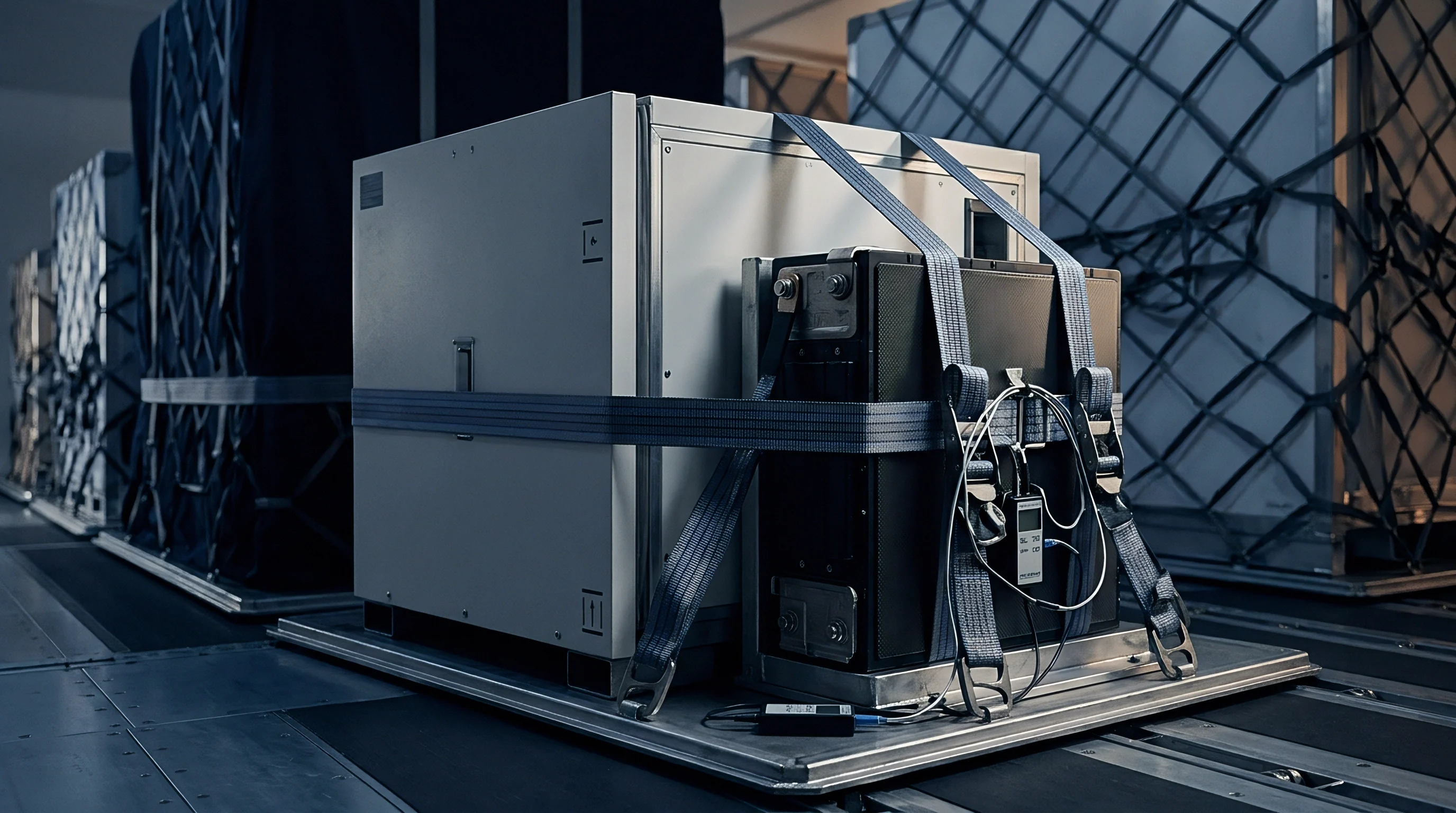
Bespoke freight agreements for developmental battery hardware differ profoundly from ordinary transport paper. Forwarders aware of the catastrophic liability linked to lithium fires demand explicit risk-shifting covenants before reserving hold space. These covenants operate to extinguish normal commercial defenses, ensuring that the customer absorbs every dollar of direct, indirect, and consequential exposure arising from an uncertified battery shipment.
The primary contractual lever is the hazardous materials warranty. Under this clause, the booking entity warrants that the developmental cells do not exhibit tendencies toward uncontrollable exothermic decomposition under normal transport conditions. The entity also warrants that its safety dossiers reflect genuine bench-test measurements rather than unverified computational estimates.
A breach of this single covenant triggers immediate liability for all clean-up, vessel decontamination, and aircraft grounding losses.
Shippers seeking booking allocations face extensive indemnification schedules. If a developmental cell initiates a thermal event inside an intermodal container, the ocean line incurs emergency diversion costs, port refuge charges, specialized firefighting team deployment, and multi-million-dollar vessel repair fees. The carrier’s hazardous goods covenants hold the booking party strictly liable for these sums without regard to fault, barring any claim of carrier handling negligence unless gross misconduct meets evidentiary standards.
Hazardous cargo riders strip carriers of ordinary transit fault assumptions and force booking parties into strict liability for all emergency diversion expenses.
Demurrage provisions in prototype bookings contain compressed free-time allowances and punitive fee structures. Ports regularly deny entry to vessels carrying damaged or suspected hazardous containers. If customs or port authorities order an uncertified container held for chemical verification, storage fees escalate daily.
A prototype lot stranded under regulatory hold rapidly generates port storage and chassis rental charges exceeding the intrinsic developmental value of the cells themselves.
- Hazardous Declaration Execution involves the signing of transport documents certifying that the prototype packaging satisfies every condition of the relevant special provisions.
- Carrier Technical Review entails the assessment of the chemical safety dossier by the carrier’s dangerous goods team, taking upwards of ten business days.
- Space Commitment Booking secures vessel or aircraft space under an unamendable dangerous goods rider containing uncapped loss exposure.
- Port Acceptance Verification requires terminal gate inspection where hazardous labels, outer drum certification marks, and transport emergency response cards face physical audit.
- Contingency Hold Funding sets aside an irrevocable bank guarantee or escrow deposit to pay port demurrage if the shipment experiences documentation quarantine.
Prototype shipment terms shift containment failure costs to the client because freight rates cover transport alone, rather than insuring a laboratory’s experimental chemistry.
Peril
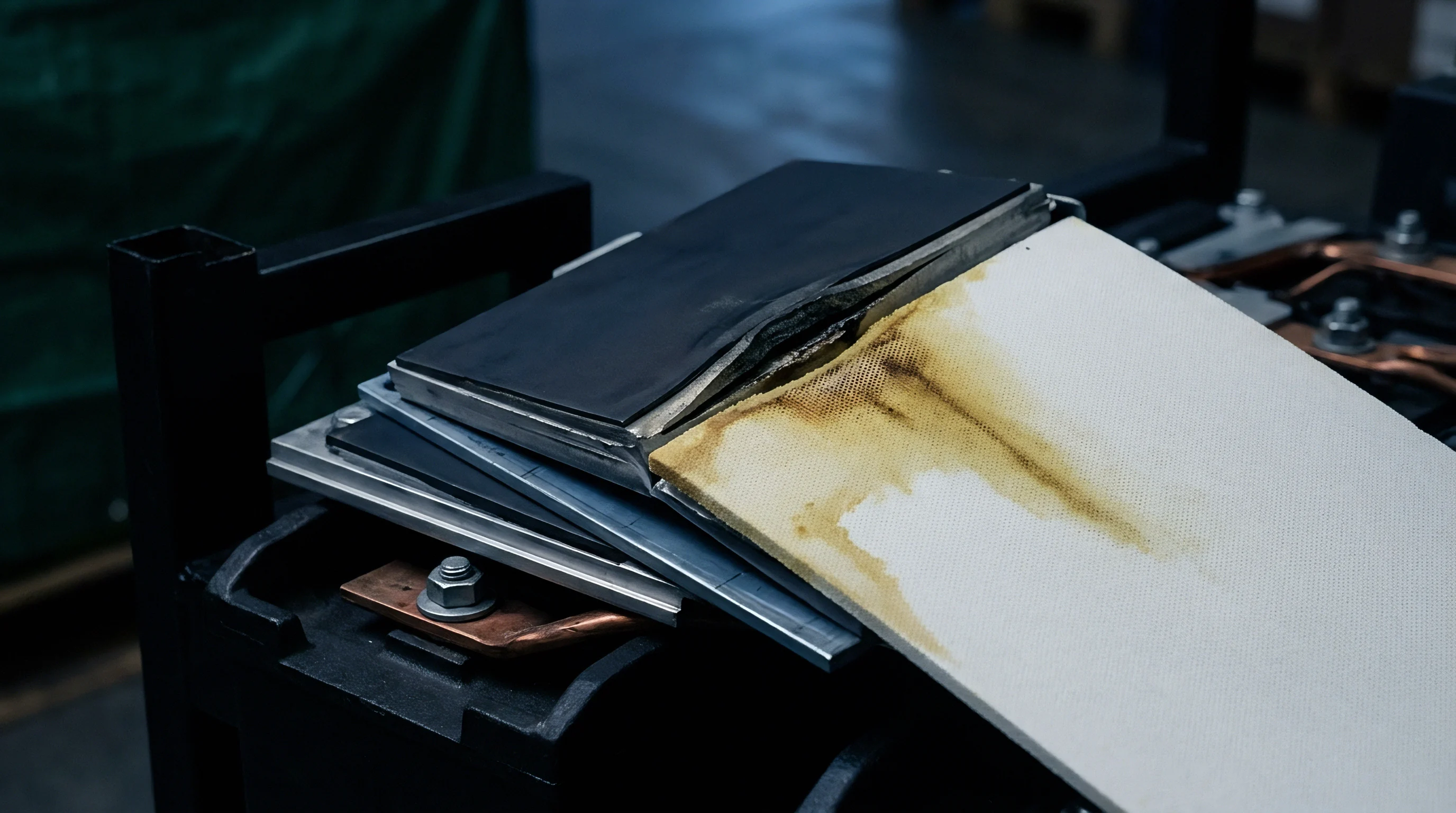
Commercial Incoterms dictate where legal title and physical risk migrate between trading partners, yet they perform poorly when applied to uncertified dangerous cargo. Parties executing an international purchase order for custom prototype cells often select Delivered at Place or Cost, Insurance and Freight terms without recognizing how these rules intersect with mandatory dangerous goods shipping laws. Under hazardous materials transport statutes, the entity listed as the shipper on the dangerous goods declaration remains strictly liable for regulatory infractions, irrespective of commercial Incoterms terms.
Incoterms 2020 allocates export clearance and transport arrangements, but it does not reassign statutory environmental or public safety duties. If a buyer arranges carriage under Ex Works or Free Carrier, that buyer becomes the technical shipper of record. The buyer thereby assumes criminal and administrative liability for packaging non-compliance, even if the seller’s factory sealed the steel drums incorrectly.
Special approvals take twelve weeks. If approvals lapse while the shipment crosses borders, the party acting as importer of record faces vessel diversion fees and customs seizures.
Whose Policy Pays When Thermal Runaway Destroys Cargo?
Underwriters void uncertified cell coverage. Standard marine cargo insurance policies written under the Institute Cargo Clauses (A) contain explicit exclusions for loss or damage caused by inherent vice, insufficiency of packaging, or willful misconduct. Because prototype cells lack UN 38.3 certification, marine underwriters treat any spontaneous exothermic reaction as an inherent vice of unproven chemistry, refusing coverage when thermal runaway damages the shipment or adjacent containers.
| Incoterm | Shipper of Record | Packaging Compliance Risk | Port Demurrage Exposure | Commercial Recommendation |
|---|---|---|---|---|
| Ex Works (EXW) | Buyer / Integrator | Transferred to buyer without factory oversight | Direct buyer liability | Extremely perilous for uncertified hardware |
| Free Carrier (FCA) | Seller at departure terminal | Seller handles loading and initial hazardous paper | Transfers at terminal gate | Acceptable if carrier contract isolates indemnity |
| Carriage Paid To (CPT) | Seller contracts transport | Seller maintains packaging chain | Transfers on handover to carrier | Exposes buyer to transit hazards without cargo control |
| Delivered at Place (DAP) | Seller remains liable | Seller controls pack design and transport chain | Seller absorbs demurrage until delivery | Optimal for buyers testing external chemistry |
Bunkering delays compound thermal drift. When ocean transit stretches from thirty days to sixty days due to canal blockages or port congestion, developmental cells remain in uncontrolled thermal environments. Prototype pouch formats frequently display elevated self-discharge rates and gradual gas evolution during prolonged storage.
Marine transit multiplies shock cycles. If an extended voyage degrades the internal separators, the risk of a catastrophic event rises exponentially while the cargo sits inside an insulated container.
Marine underwriters and freight courts leave unresolved the fundamental question of whether experimental cells shipped under competent authority permits constitute goods of an intrinsically dangerous nature under international maritime conventions, which would grant shipowners the absolute legal right to jettison the cargo at sea without compensation.
Default
When an uncertified energy storage shipment encounters regulatory rejection, terminal quarantine, or thermal damage, formal default procedures activate immediately. Contracts for prototype freight bookings must anticipate these breakdown mechanics with precision. Without pre-negotiated dispute mechanisms, commercial parties enter multi-jurisdictional litigation involving ports, terminal operators, charter airlines, ocean carriers, and multiple tiers of logistics intermediaries.
Subrogated underwriters pursue negligent shippers. If an insurer covers collateral hull damage under a general average declaration following a vessel fire, that underwriter immediately files subrogation actions against every party named on the hazardous goods manifest. To insulate against catastrophic exposure, development agreements establish explicit liquidated damages caps, technical arbitration venues, and clear procedures for cargo abandonment.
Disposal costs for compromised prototype lithium batteries represent an open financial hazard. If an uncertified cell pack demonstrates thermal instability or electrolyte leakage in transit, environmental authorities prohibit its continued movement. The cargo cannot be returned to the country of origin without a fresh competent authority permit, which authorities will not grant for a damaged, leaking battery.
The owner must contract certified hazmat response teams to perform high-temperature incineration or chemical neutralization on-site.
Abandonment clauses in prototype freight agreements determine who holds the financial burden when a shipment becomes legally or physically unmovable. Port authorities clear abandoned containers by executing against the forwarder, who immediately draws down on the irrevocable letter of credit or cash bond posted by the shipper at the time of booking. A comprehensive freight agreement allocates these salvage, remediation, and disposal costs strictly to the party responsible for chemical design verification.
Cargo handlers that separate legal ownership of prototype chemistry from technical authority over packaging specifications invariably absorb the financial catastrophe when a container begins to smoke on the quay.