Contractual Temperature Control Thresholds and Diagnostic Protocols for Imported Cathode Chemistries
Enforce continuous cold-chain logging and dockside dQ/dV diagnostic screening to reject thermally degraded imported cathode shipments before customs duty payment.

Envelope
Marine container shipments of battery materials encounter severe thermal swings during transit. Cross-border ocean routes expose cargo to environmental extremes inside unventilated reefer holds and deck-stacked containers. Active cathode precursor powders and finished lithium-ion cells react differently to ambient heat and sub-zero cold.
Establishing rigid temperature boundaries in supply contracts prevents latent chemical degradation from compromising downstream manufacturing yields.
Heat accelerates electrolyte degradation. High-nickel cathode formulations like NMC 811 and NCA exhibit rapid transition metal dissolution when exposed to sustained temperatures above thirty-five degrees Celsius. Dissolved manganese, nickel, or cobalt ions migrate across the separator to the graphite anode, poisoning the solid electrolyte interphase layer.
This chemical cascade causes permanent capacity decay and elevated internal resistance before the cells arrive at domestic receiving docks.
Thermal Limits for Overseas Transit
Refrigerated ocean containers maintaining set points between fifteen and twenty-five degrees Celsius preserve chemical stability. Shipping active materials or cells outside this narrow thermal range alters the crystal lattice structure of cathode active materials. At temperatures above forty-five degrees Celsius, cathode powders undergo micro-cracking due to localized thermal expansion.
Moisture ingress combined with heat drives hydrofluoric acid formation, degrading particle surfaces.
Sub-zero storage introduces lithium plating risks. Shipping fully or partially charged lithium-ion cells at temperatures below minus ten degrees Celsius causes electrolyte salt precipitation. Hexafluorophosphate salts drop out of liquid solution, reducing ionic conductivity.
When cold-exposed cells undergo voltage screening or charging during dockside receiving, metallic lithium dendrites form on the anode surface, creating severe internal short-circuit hazards.
Continuous exposure of NMC811 cells to 45°C for fourteen days increases internal resistance by eighteen percent compared to room-temperature baseline storage.
| Cathode Format | Upper Limit (°C) | Lower Limit (°C) | Shipping SOC (%) | Primary Degradation Mechanism |
|---|---|---|---|---|
| NMC 811 Cylindrical Cells | 35 | -10 | 30 | Transition metal dissolution and gas generation |
| NMC 622 Pouch Cells | 40 | -15 | 30 | Solid electrolyte interphase growth and binder swelling |
| LFP Prismatic Cells | 45 | -20 | 40 | Iron dissolution and electrolyte salt precipitation |
| High-Nickel pCAM Powder | 30 | 0 | N/A | Moisture adsorption and surface carbonate formation |
| Na-ion Hard Carbon / Cathode | 35 | -10 | 20 | Lattice contraction and inter-planar spacing collapse |
Cathode Sensitivity across High Nickel and Iron Chemistries
Nickel-rich formulations with eight parts nickel to one part manganese and cobalt suffer structural instability when stored above thirty-five degrees Celsius. The unstable trivalent nickel ions reduce to a divalent state, releasing oxygen gas into sealed cell enclosures. This internal pressure buildup damages gas release vents and destabilizes protective separator coatings.
Iron phosphate chemistry displays superior thermal tolerance up to forty-five degrees Celsius, yet remains susceptible to iron ion leaching under elevated moisture conditions.
Moisture destabilizes cathode active powders rapidly. Unprocessed cathode material shipped in bulk bags absorbs atmospheric humidity if temperature fluctuations breach the dew point inside shipping containers. Moisture titration tests reveal that un-complexed water content exceeding three hundred parts per million triggers rapid phase transformation from active layered structure to electrochemically inactive metal hydroxides.
- Transition Metal Dissolution drives cathode capacity loss through irreversible structural phase transitions at elevated temperatures.
- Solid Electrolyte Interphase Thickening consumes active lithium stock while elevating high-frequency ohmic resistance across cell terminals.
- Electrolyte Salt Precipitation occurs when sub-zero freight conditions reduce lithium salt solubility within organic carbonate solvent blends.
- Lattice Oxygen Loss triggers micro-void formation within high-nickel primary particles subjected to prolonged thermal stress.
Failure to enforce strict ocean transit thermal boundaries transfers millions of dollars in unrecoverable cell degradation directly onto the buyer’s balance sheet.


Logging
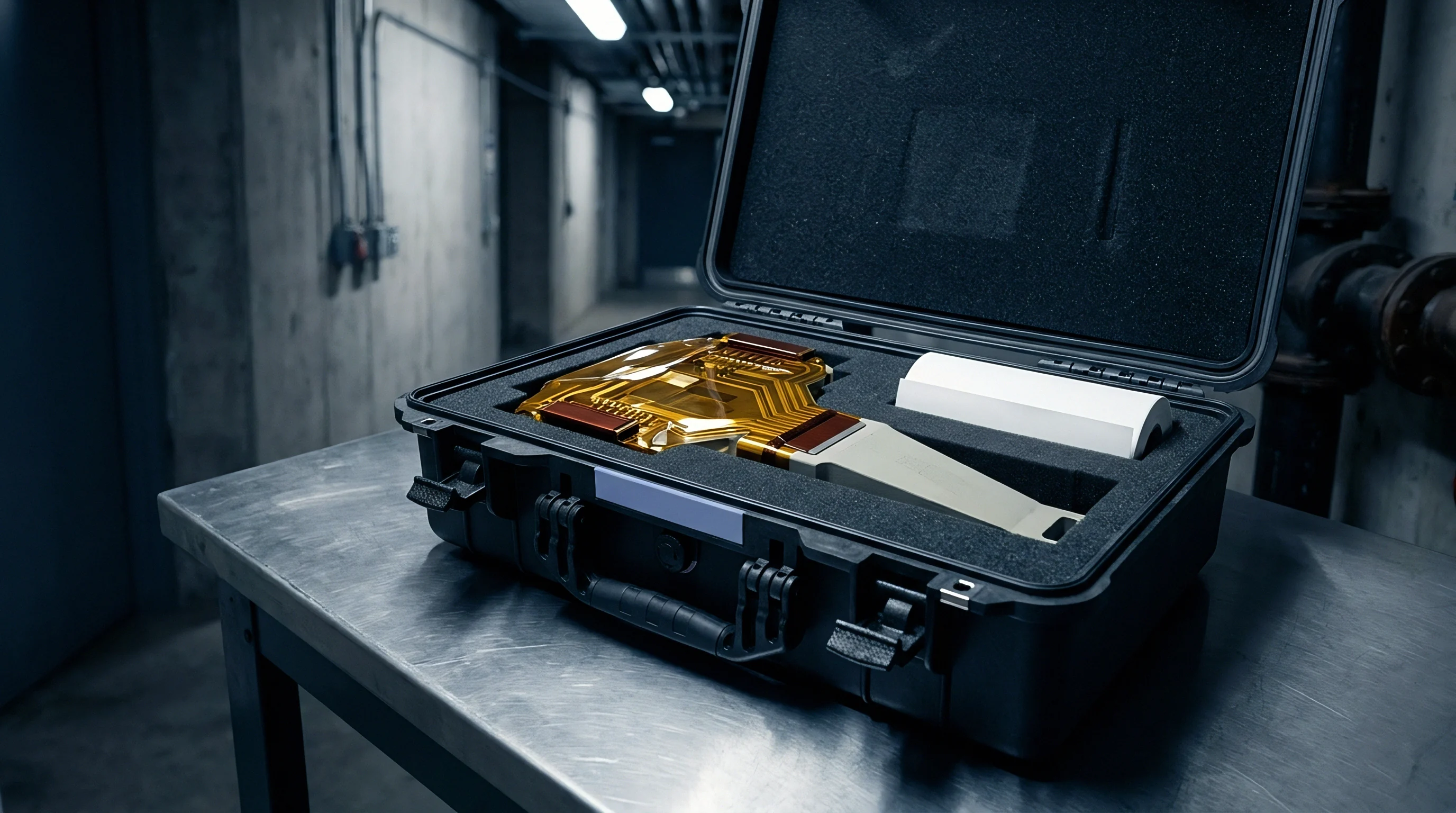
Continuous monitoring instruments track environmental parameters inside sealed freight containers. Cold-chain documentation forms the foundational evidence needed to enforce warranty protections or reject damaged cargo. Modern logistics contracts demand cryptographic data loggers placed within shipping crates rather than relying on container ambient air sensors.
Telemetry loggers record ambient container conditions. Standard logistics protocols mandate multi-sensor arrays placed at upper, middle, and bottom cargo locations. Temperature variations inside a single forty-foot ocean container reach up to seven degrees Celsius between the air supply duct and the container door region, making sensor placement critical to measurement accuracy.
Data Telemetry and Sensor Placement
Digital recording units mounted directly to shipping pallets provide granular physical readings throughout ocean freight journeys. Temperature loggers must capture data at sample intervals no longer than ten minutes. High-frequency logging captures rapid thermal spikes occurring during port crane transfers, customs inspections, and terminal staging under direct sun exposure.
Because uncalibrated sensors corrupt test evidence, purchasing specifications stipulate that all thermal loggers hold valid ISO 17025 calibration certificates with traceability to national standards. Loggers lacking accredited calibration curves allow ocean carriers and cell suppliers to challenge environmental breach claims during arbitration.
Section 6.8 of IEC 62133-2 voids container-level compliance certification when temperature logs exhibit uncalibrated gaps exceeding forty-eight continuous minutes.
Audit Requirements for Temperature Breach Evidence
Legal disputes regarding cargo damage depend on chain-of-custody documentation for digital records. Automated telemetry units write encrypted temperature, humidity, and shock logs to non-volatile memory. Supply contracts specify that data extraction occurs exclusively at the destination port under joint supervision of buyer and seller representatives.
- Attach calibrated temperature sensors to four corners of every shipping pallet.
- Set data logger sample intervals to ten minutes throughout ocean passage.
- Seal recorder units inside water-tight housings before container loading begins.
- Export telemetry files directly upon container arrival at port receiving facilities.
- Cross-reference logged timestamp excursions against carrier reefer ambient environmental files.
Cold-chain gaps invalidate factory quality guarantees. When data loggers register continuous temperatures exceeding thirty-five degrees Celsius for longer than six hours, receiving inspectors flag the entire container lot for diagnostic quarantine. Supplier contracts define whether cumulative thermal exposure or peak transient spikes constitute a formal contractual breach.
Elevated container readings can reflect localized ambient humidity fluctuations rather than true internal chemical heat generation.

Probe
Receiving inspections require immediate electrochemical screening before transferring imported shipments into main storage facilities. Standard open-circuit voltage checks fail to reveal subtle structural damage caused by transit thermal excursions. Advanced diagnostic protocols evaluate surface film growth, lithium inventory loss, and lattice distortion in incoming cell lots.
Staging imported cell lots in temperature-controlled receiving bays for a fourteen-day quarantine permits precise measurement of voltage self-discharge rates, exposing internal short circuits. Calculating the daily voltage loss, designated as the K-value, flags cells with internal micro-shorts induced by sub-zero lithium plating or high-temperature separator shrinkage.

Electrochemical Impedance and Voltage Drift Analysis
Non-destructive testing at dockside receiving pinpoints structural degradation inside imported cells. Electrochemical Impedance Spectroscopy decomposes total internal resistance into distinct physical contributions. High-frequency real-axis intercepts quantify electrolyte ohmic resistance, while the mid-frequency semi-circle reflects charge-transfer resistance across cathode interfaces.
Elevated charge-transfer resistance following ocean transport confirms that high temperatures degraded cathode active material contact with aluminum current collector foils, signaling binder oxidation. Screening sample cells across a frequency range from ten kilohertz to ten millihertz identifies shipments suffering from thermal aging before cell integration.
An elevated high-frequency resistance measurement at dockside screening indicates electrolyte decomposition prior to any visible cell swelling.
| Diagnostic Parameter | Testing Methodology | Baseline Acceptance Window | Excursion Breach Standard |
|---|---|---|---|
| Voltage Decay Rate (K-value) | 14-Day OCV Tracking | Less than 0.15 mV/day | Exceeds 0.40 mV/day |
| Charge Transfer Resistance | Electrochemical Impedance | 1.2 to 1.5 mΩ | Increase greater than 25% |
| Differential Capacity Peak Shift | 0.05C Galvanostatic Cycling | Peak shift under 5 mV | Peak shift exceeds 15 mV |
| Active Powder Moisture Content | Karl Fischer Titration | Below 200 ppm | Exceeds 350 ppm |
| Gas Release Vent Pressure | Pneumatic Decay Testing | 1.8 to 2.2 MPa | Leak rate above 10^-5 mbar·L/s |
Differential Capacity Diagnostics at Port Entry
Incremental capacity curves derived from low-rate cycling highlight active material loss. Plotting dQ/dV against voltage converts flat discharge plateaus into sharp, diagnostic electrochemistry peaks. A shift in the primary cathode reduction peak toward lower potential indicates active site loss and transition metal dissolution caused by transit heat.
Imported cathode powders undergo structural verification using X-ray diffraction and Karl Fischer titration. Powder samples extracted from sealed transport drums must exhibit sharp (003) crystal plane reflection peaks. Peak broadening indicates lattice degradation.
Moisture titration confirming water content above three hundred parts per million mandates immediate batch rejection prior to electrode slurry preparation.
A cell showing rapid early voltage decay during initial quarantine screening will consistently fail long-term cycle standards.


Dispute
Commercial contracts allocate financial exposure between overseas sellers and domestic buyers when cargo suffers environmental damage. Terms governing temperature thresholds, sampling frequencies, and rejection remedies determine which party bears the cost of degraded shipments. Precise legal drafting eliminates ambiguity regarding dockside test findings.
Rejection thresholds protect downstream pack builders. Supply agreements incorporate Acceptance Quality Limit tables based on ISO 2859-1 standards. A thermal excursion logged during transit automatically lowers the acceptable defect threshold for incoming inspection, shifting testing costs onto the supplier.
Contractual Remedy Allocation and Reject Limits
Purchase agreements establish explicit baseline performance standards for incoming material batches. Contracts specify that recorded temperatures exceeding forty degrees Celsius for longer than twelve hours entitle the buyer to reject the entire shipment lot, rather than settling for partial credits or individual cell screening.
Incoterms define liability transition points. Shipping under Delivered Duty Paid terms holds the overseas manufacturer responsible for cargo condition until final delivery at the buyer warehouse. CIF or FOB terms transfer transit damage risks to the buyer upon container loading, necessitating specialized marine transit insurance endorsements for chemical thermal degradation.
Freight forwarders reject liability for cathode active material degradation when shipment temperature logs show ambient marine terminal storage within agreed bill-of-lading parameters.

Worked Cost Model for Ocean Freight Excursion Rejection
Consider a twenty-container shipment carrying forty-eight thousand cylindrical 21700 NMC 811 cells per container, totaling nine hundred sixty thousand cells at a contract price of three dollars and fifty cents per cell. Total FOB invoice value equals three million three hundred sixty thousand dollars. Marine reefer failure subjects the containers to forty-five degrees Celsius for seventy-two hours during equatorial transit.
Diagnostic screening at the destination port reveals average charge-transfer resistance growth of thirty-two percent across tested sample lots. Under contractual rejection terms, the buyer refuses delivery. Scrapping the degraded cells locally incurs hazardous waste disposal costs of forty cents per cell, totaling three hundred eighty-four thousand dollars.
Ocean freight and customs duties add two hundred ten thousand dollars in unrecoverable expenses.
If the contract specifies DDP terms with mandatory thermal telemetry compliance, the buyer withholding final payment avoids three million three hundred sixty thousand dollars in direct capital losses. The supplier forfeits cell value, absorbs disposal fees, and pays dockside quarantine storage charges. Under ambiguous contract terms lacking explicit diagnostic breach definitions, the buyer faces months of legal arbitration while carrying holding costs.
- Baseline Calibration Clauses require pre-shipment impedance measurements from factory floor quality certificates.
- Rejection Threshold Metrics specify maximum allowable capacity loss percentages upon dockside diagnostic arrival.
- Data Integrity Covenants mandate continuous temperature logging without uncalibrated time gaps throughout transport.
- Quarantine Storage Allocations establish clear financial responsibility for port warehouse delay fees during dispute testing.
Incorporating Annex B of the EU Battery Regulation into supply agreements shifts burden of proof for transit thermal damage from importer of record directly back to the ocean carrier.


Dock
Port terminals require specific physical procedures when handling thermal hazard alerts. Receiving inspectors must isolate suspect battery containers before customs clearance releases goods into domestic commerce. Dangerous goods handlers deploy specialized thermal imaging and gas monitoring equipment to assess container stability.
When thermal runaway threatens, ocean containers displaying skin temperatures elevated above ambient levels undergo immediate relocation to specialized hazardous storage yards. Port safety teams monitor volatile organic compound off-gassing to detect electrolyte vent leakage before opening container doors.
Quarantine Protocols and Port Safety Operations
Isolation holding zones equipped with continuous off-gas detection keep compromised shipments separate from main port cargo. Specialized quarantine bays feature blast-deflection barriers and dedicated water-deluge containment pits. Staging degraded shipments in standard warehouse rows violates dangerous goods safety rules and voids marine insurance coverage.
To prevent port facility contamination, hazardous materials teams enforce thirty-day holding periods while independent laboratories execute diagnostic sampling. Testing procedures follow UN 38.3 transport safety criteria to verify whether thermal excursions compromised internal cell safety vents or separator insulation integrity.

Customs Clearance and Safety File Integration
Border enforcement agencies inspect regulatory filings including test summaries under UN 38.3 before granting entry. Custom officers withhold release when transit temperature records indicate potential product degradation that invalidates existing dangerous goods safety documentation. Re-testing compromised batches at certified domestic laboratories extends customs clearance times by four to six weeks.
Because importers bear ultimate dockside liability, submitting verified cold-chain telemetry along with incoming diagnostic test reports streamlines customs entry approval. Integrating thermal monitoring records directly into the electronic safety data dossier ensures compliance with international dangerous goods transport regulations.
Clear dangerous goods documentation combined with verified temperature records allows port inspectors to release non-damaged cargo without delaying production lines.