
Modeling Particle Surface Concentration Gradients to Correct State Lookup Errors
Particle surface concentration gradients distort terminal voltage lookups; embedded reduced-order diffusion models decouple surface and bulk states to prevent drift.
Particle surface concentration gradients distort terminal voltage lookups; embedded reduced-order diffusion models decouple surface and bulk states to prevent drift.

Solid phase diffusion creates surface concentration gradients that bias terminal voltage lookups, producing massive SOC estimation errors in flat OCV cells.

Low temperature storage freezes phase boundary migration in commercial cells, producing artificial capacity loss that resolves through controlled thermal dwell.
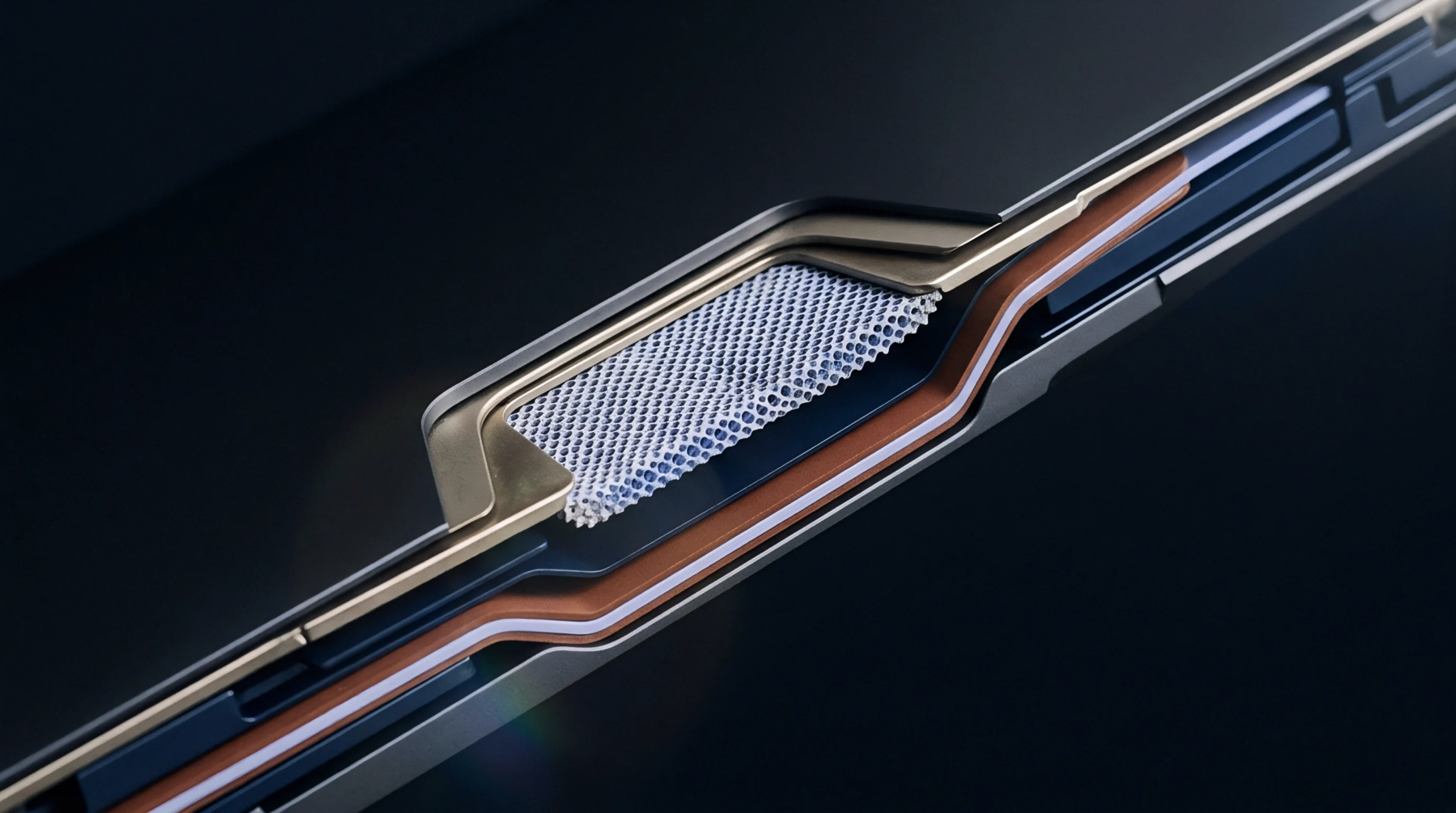
Internal temperature gradients trigger localized current crowding and plating; tab cooling and real-time core thermal estimation mitigate premature cell failure.

Multi-terminal differential voltage slope discrepancies arise from geometric foil potential drops, requiring dedicated Kelvin sensing to prevent false rejection.
Cathode cracking and lithium trapping separate through relaxation voltage plateaus, acoustic emission bursts, and differential voltage inventory shifts.

Differential capacity peak extraction identifies degradation modes and lot variance by converting raw voltage curves into trackable phase transition peaks.
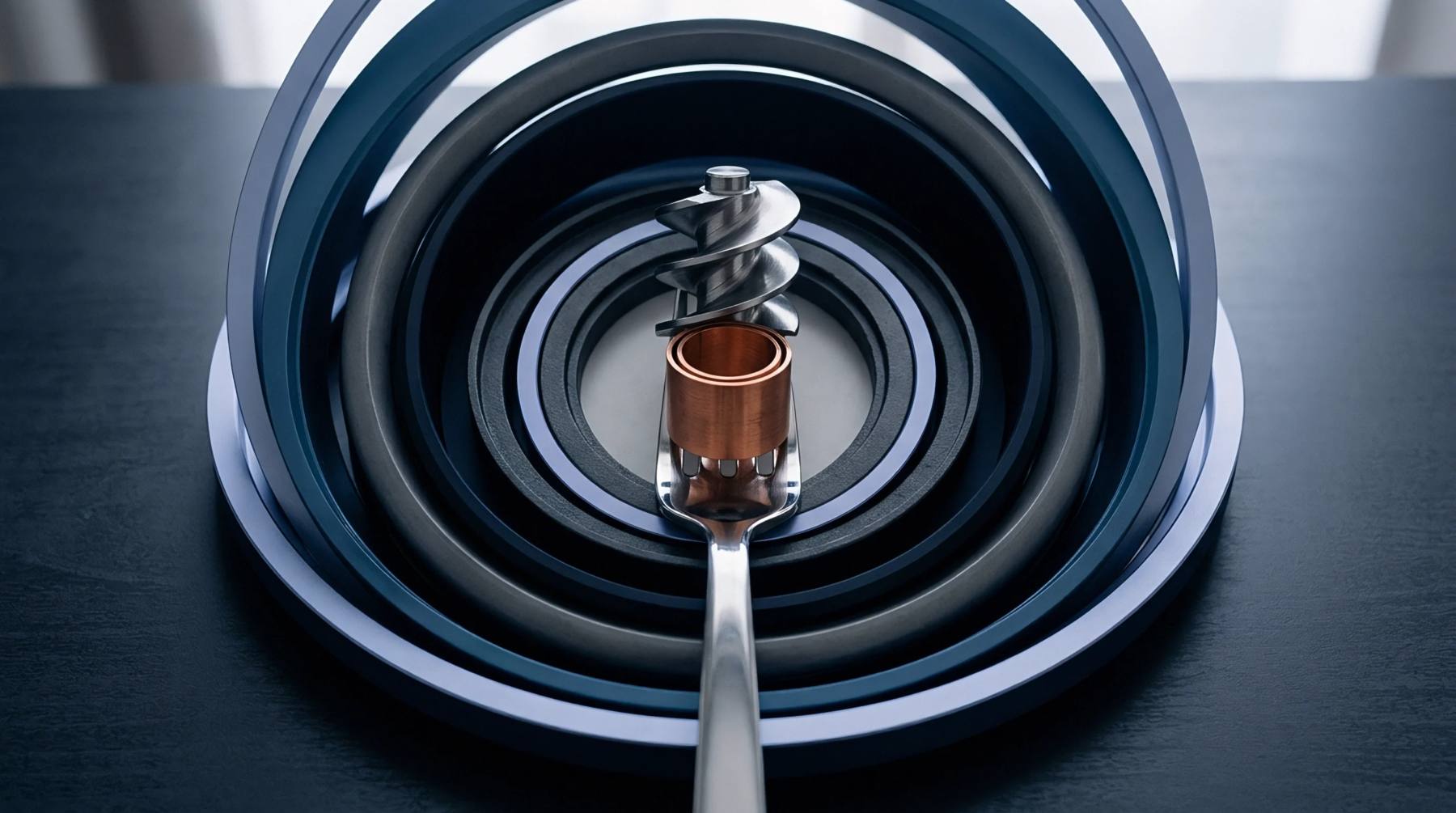
Prismatic cell swelling force escalates nonlinearly across cycle aging, demanding compliant inter-cell cushioning to prevent separator crushing and weld fatigue.

Algorithmic drift correction isolates instrumentation bias from true electrochemical fade using thermodynamic phase anchors to protect warranty claims.

Precursor internal cavities retard lithium solid diffusion, demanding extended calcination cycles and risking residual salt slurry gelation downstream.
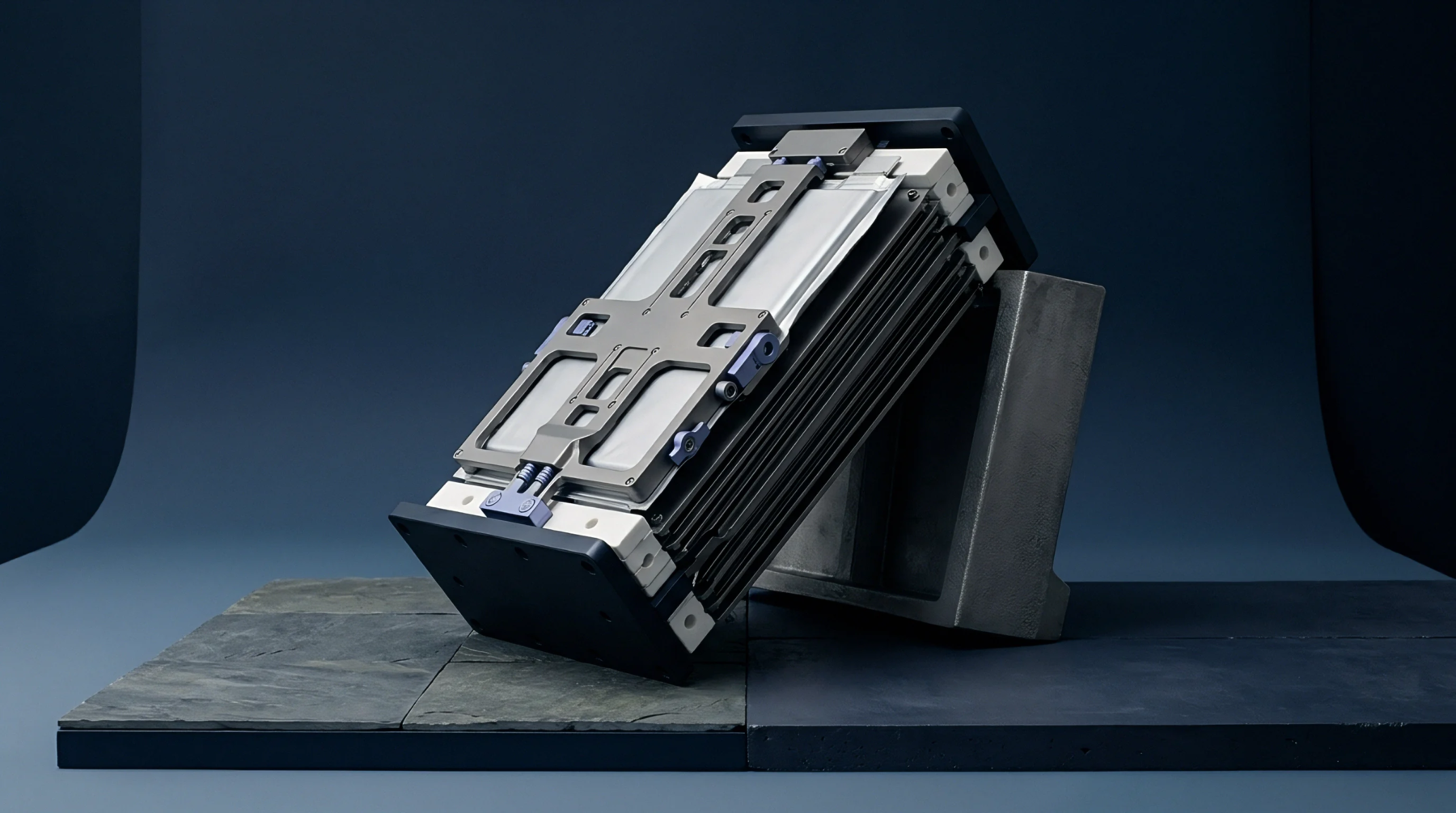
Optimize module stack compression between 0.20 and 0.50 MPa to balance active layer contact against separator pore collapse and impedance growth.
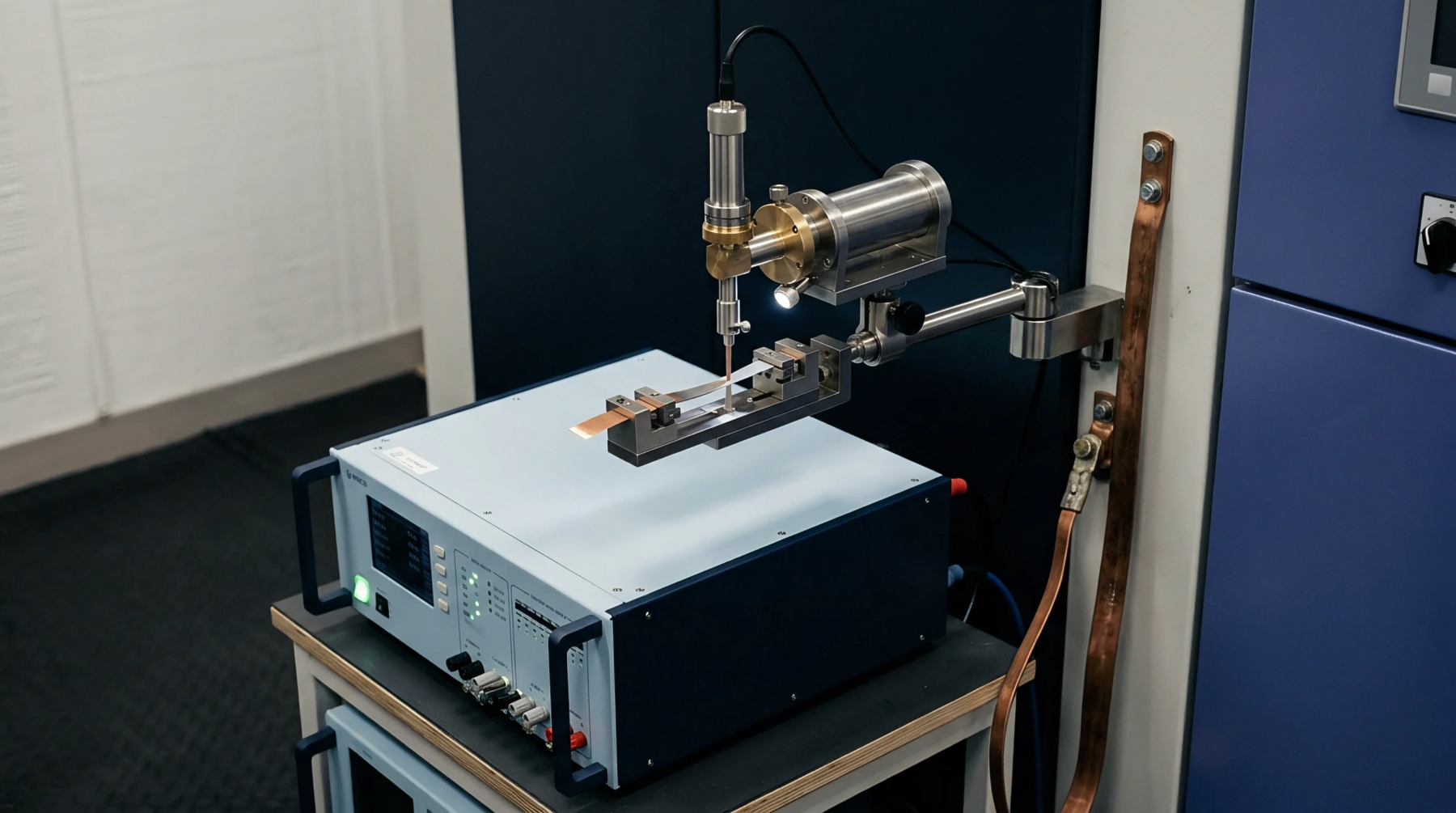
Evaluate end-of-life cell swelling by testing under module-equivalent spring compliance to balance initial interfacial contact against structural failure limits.

Dynamic temperature compensation and probe wear modeling prevent contact impedance drift from corrupting high-throughput production cell classification.

High background nickel activity limits solvent extraction selectivity, demanding precise temperature control and aggressive scrubbing to stop impurity carryover.

Statutory IMDG compliance permits maritime transport, but carrier-specific safety rules dictate vessel loading, requiring matched dossiers before gate-in.

Compensate high nickel voltage hysteresis using particle diffusion observers to prevent 8% state of charge drift and recover stranded pack energy.

Closed-loop impedance feedback tracks subzero charge-transfer resistance to throttle charging current, preventing anode overpotential from inducing lithium plating.
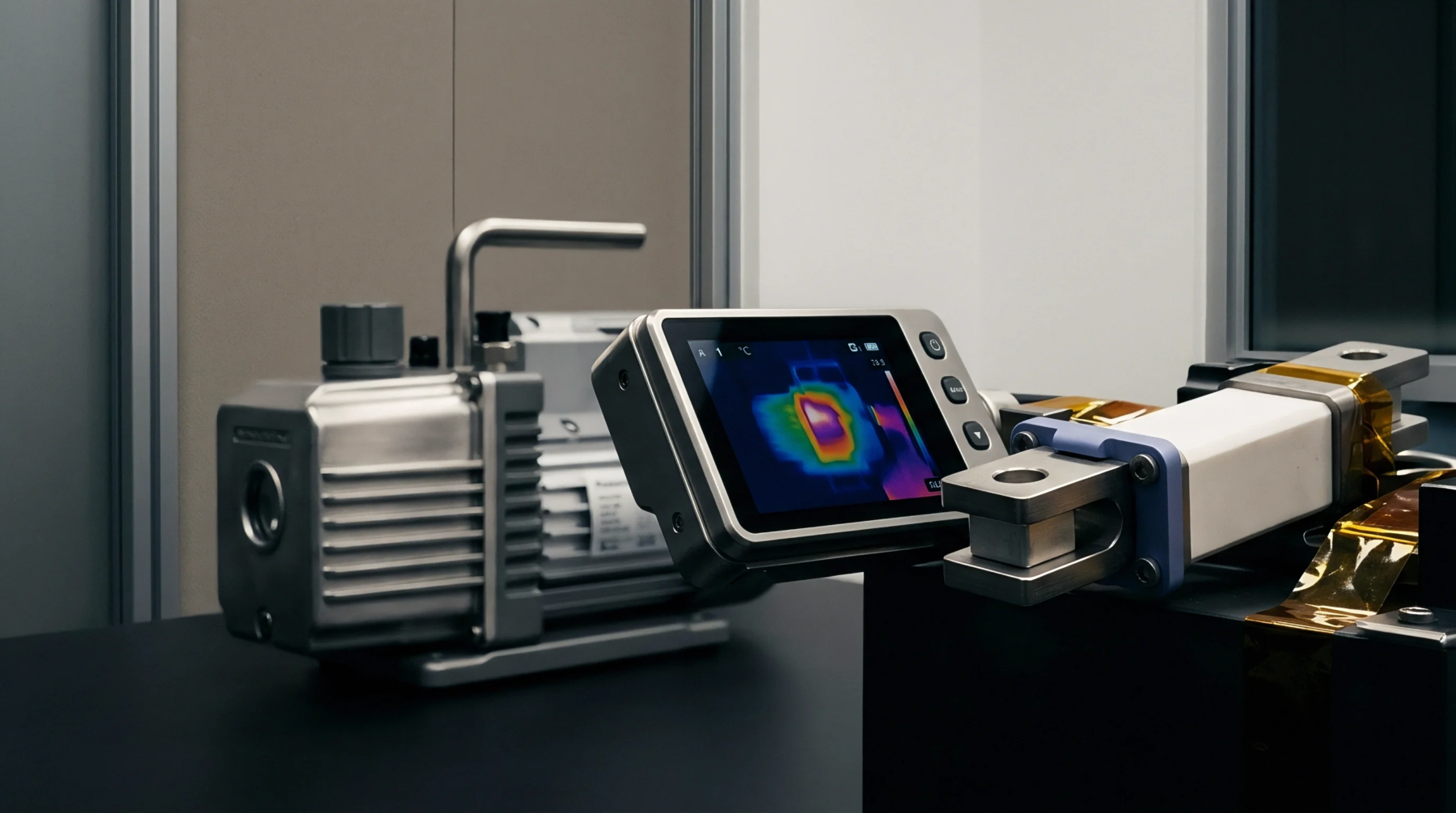
Operando voltage relaxation spectrum analysis deconvolves rest transients into discrete time constants, isolating kinetic, diffusion, and plating degradation.

Operating layered oxide cathodes above four point two volts generates singlet oxygen, triggering structural phase decay and thermal hazards that reduce pack life.

Ultra high nickel cathodes degrade via severe anisotropic lattice collapse beyond 4.15 V, driving intergranular cracking, surface rock-salt reconstruction, and outgassing.
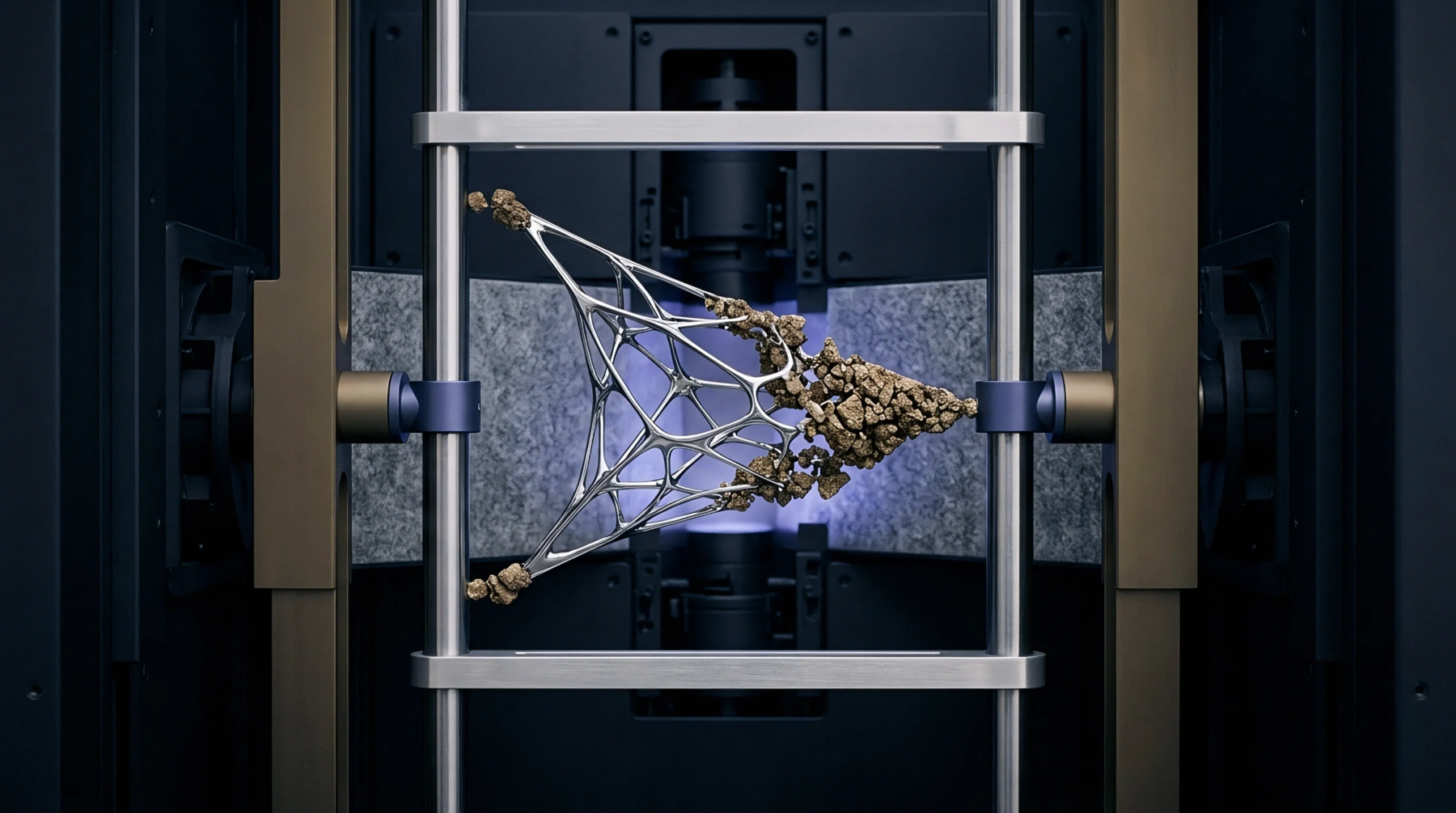
Lattice strain quantification in regenerated NMC requires operando diffraction to control anisotropic c-axis collapse and mitigate microcracking above 4.35V.
Recycled pCAM for high-nickel cathode synthesis requires strict impurity caps below 10 ppm for Cu and 20 ppm for Zn to prevent cell shorting and capacity fade.

Cross-border battery transport requires verified UN 38.3 test summaries, sub-30-percent aviation charge limits, and modal UN packaging marks to clear customs.

Early cycle screening uses high-precision coulometry and differential voltage peak shifts over five cycles to catch cell defects before pack integration.
Automated pouch cell degassing requires matching chamber vacuum dwell to exact gas evolution rates of 12 to 18 mL/Ah to prevent seal contamination.

High precision derivative spectroscopy quantifies active phase stability and isolates lithium inventory losses to identify premature cell rollover failures.

Differential capacity analysis detects metallic lithium plating on high-current graphite cells by identifying distinct stripping peaks during low-rate discharge.

Controlled sweep gas kinetics and balanced heating ramps prevent outgas entrapment, eliminating resistive rocksalt phase reconstruction in sintered cathodes.
Expertise is a utility, not a secret. sentiention™ publishes its working knowledge as open reference: intelligence layer covering the materials it sources, the markets it enters, and the reference that serves both.