Quantifying Phase Transition Enthalpy Decoupling Efficiency in High Voltage Double Tab Cooled Commercial Pouches
Double tab cooling combined with phase change enthalpy buffers extracts terminal heat spikes, maintaining pouch core temperatures below 55 degrees Celsius.

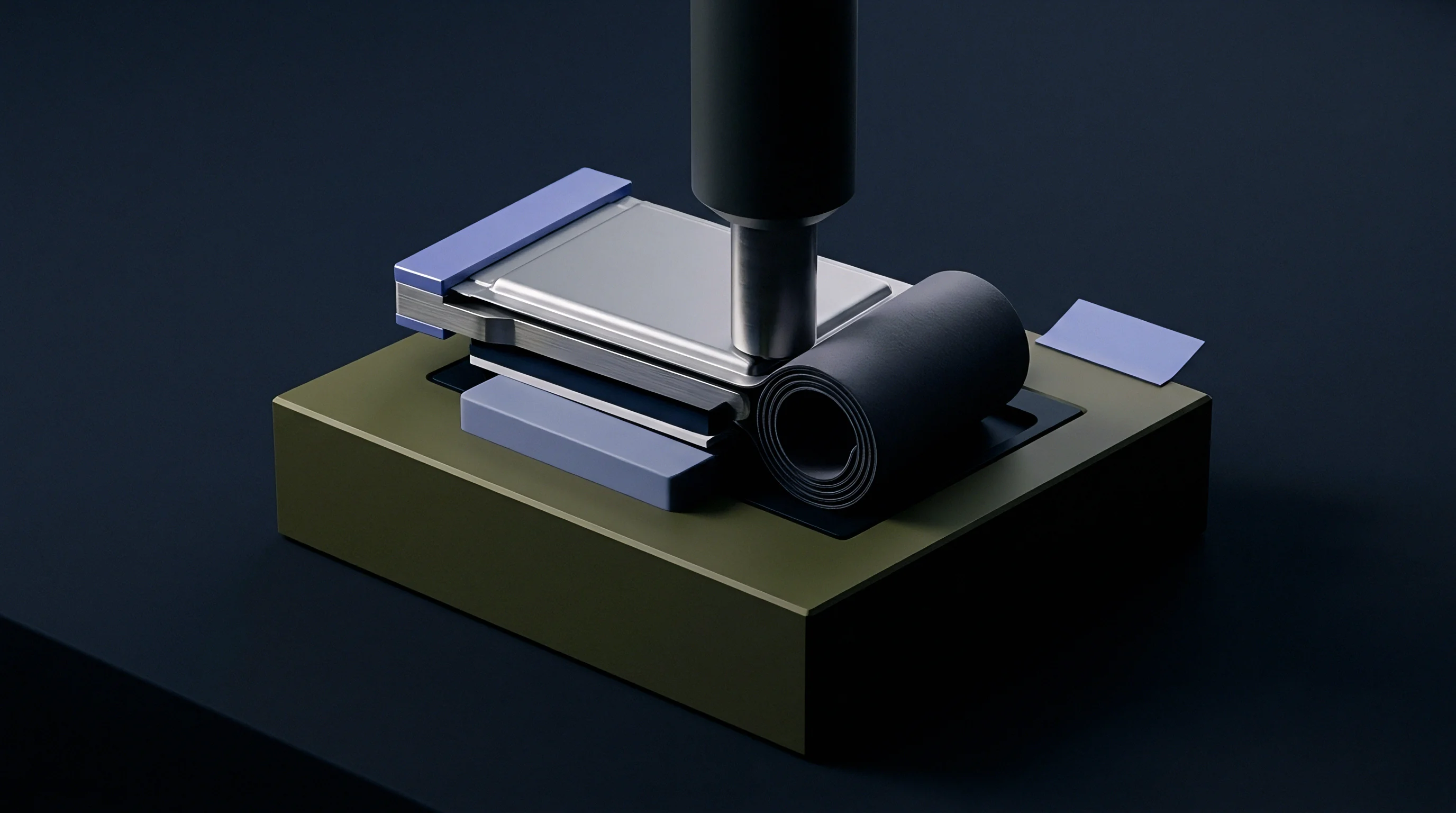
Sink
High voltage lithium pouch cells operating above 400V architecture experience disproportionate thermal generation localized at terminal tabs during high-current charge and discharge cycles. In electric vehicle battery packs, double tab cooling attaches active or passive thermal management components directly to both cathode and anode tabs, establishing direct heat extraction paths from the internal electrode foil stack.
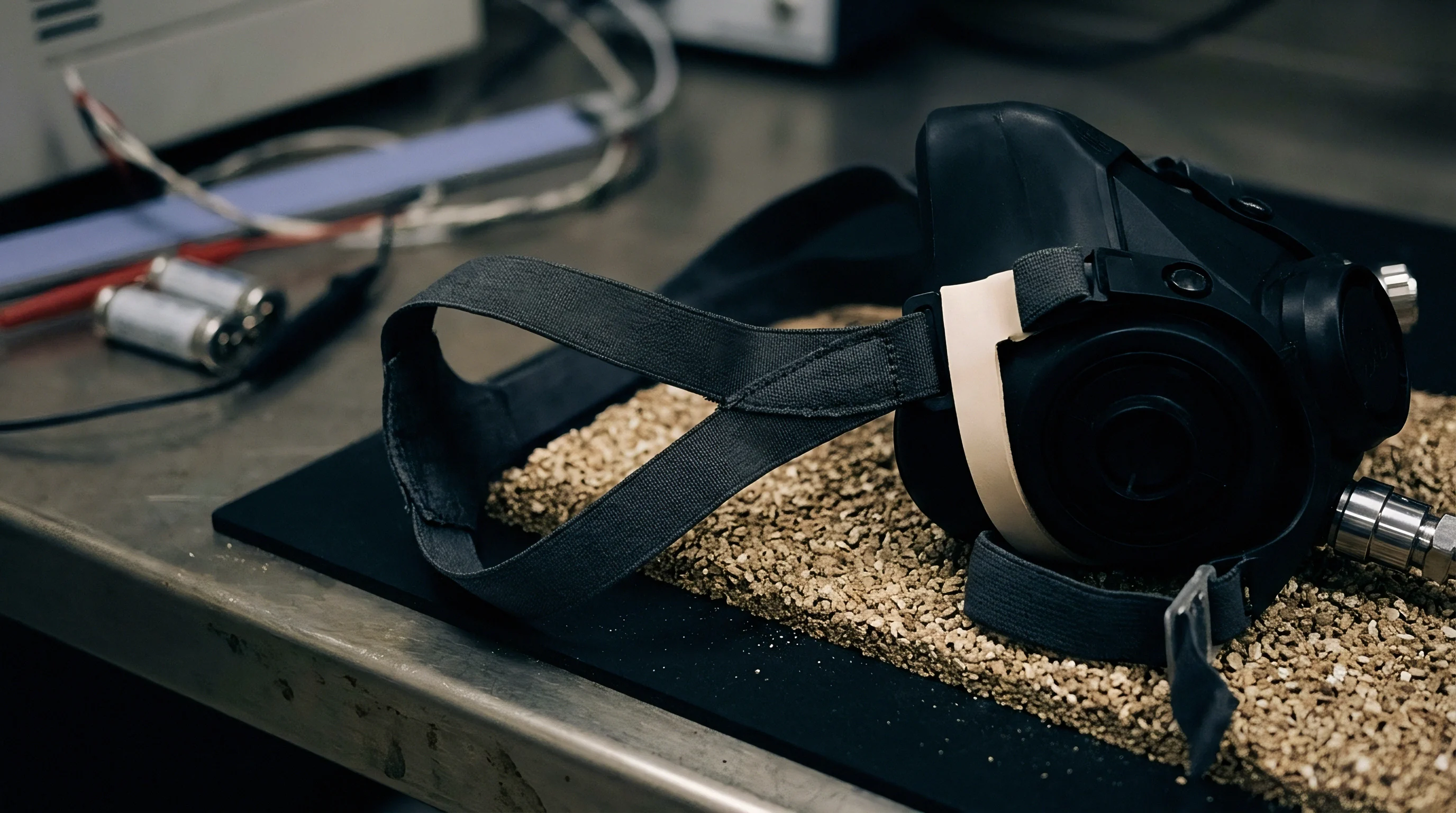
Tab Heat Generation Mechanics in High Voltage Pouches
Copper tabs conduct heat rapidly. Aluminum tabs provide lower thermal conductivity than copper. Current collectors converge at pouch tab welds, where electrical contact resistance and high C-rate currents generate intense local Joule heating.
Joule heating scales quadratically with current, calculated as current squared multiplied by resistance. At 400 Ampere fast-charging currents, a combined tab-to-busbar contact resistance of 0.5 milliohms generates 80 Watts of localized continuous heat concentrated in a metallic volume of less than two cubic centimeters.
Internal heat generation inside the pouch core includes both ohmic resistance losses and reversible entropic heat changes. Entropic heat contributions vary as a function of state of charge and intercalation stoichiometry. Reversible entropic heating dominates at low to moderate C-rates.
Ohmic dissipation dominates at high discharge rates. Tab thermal extraction targets localized ohmic generation at terminal junctions before that energy diffuses across internal separator layers.
Double tab cooling extracts up to 65 percent of total cell heat generation during a 5C fast charge pulse when coolant supply temperature remains at 25 degrees Celsius.
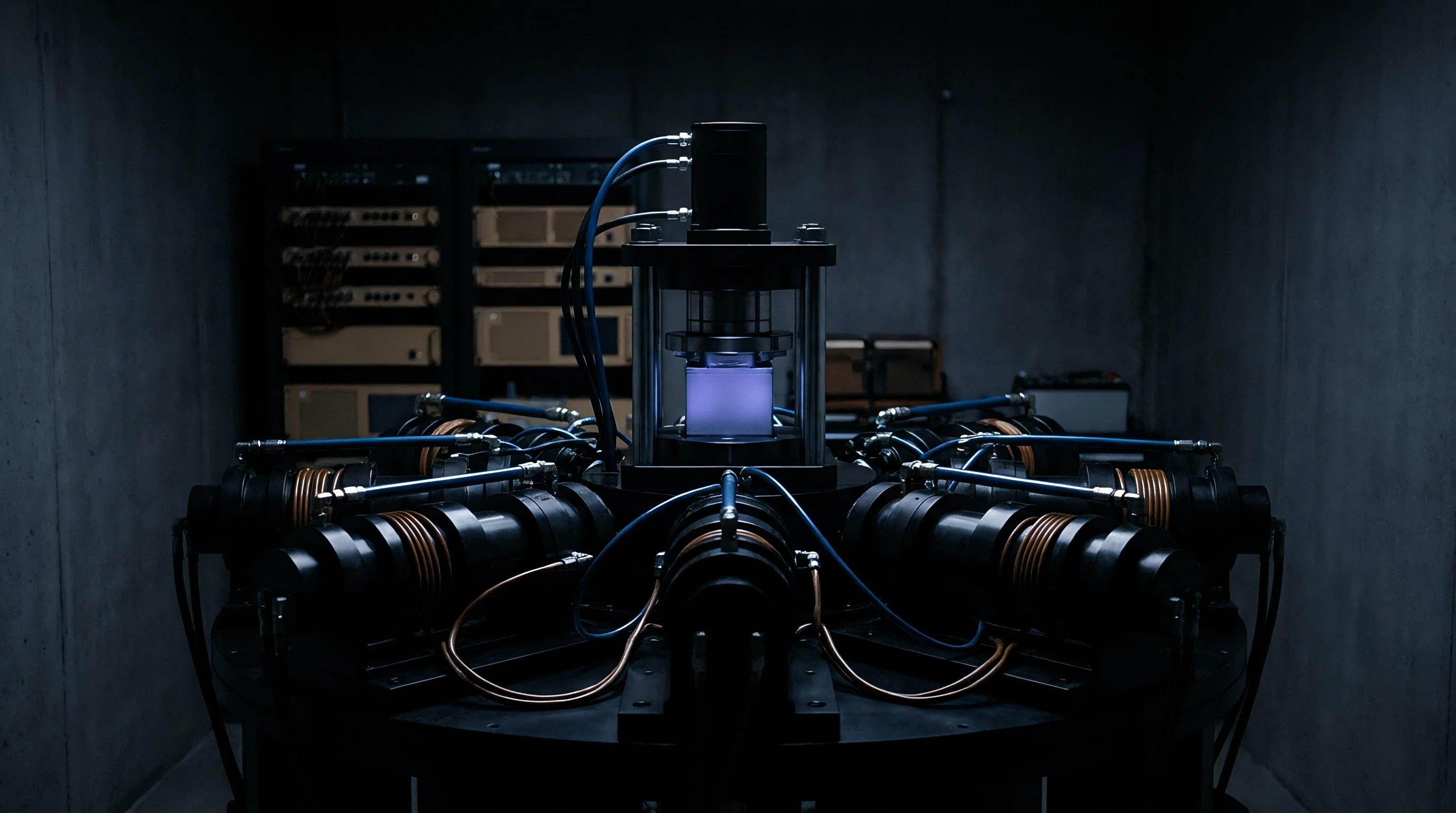
Dual Terminal Conductive Pathways
Positioning liquid cold plates or solid conductive blocks on positive and negative terminals shortens internal thermal transport routes across the electrode stack. Heat flows through copper anode current collectors at approximately 385 Watts per meter-Kelvin, while aluminum cathode current collectors transfer thermal energy at roughly 237 Watts per meter-Kelvin. Heat transfer perpendicular to the electrode layers is restricted by low cross-plane thermal conductivity of porous separators and liquid electrolyte, which typically ranges from 0.5 to 1.2 Watts per meter-Kelvin.
Double tab configuration allows heat to bypass the low cross-plane conductivity barrier by conducting energy along the high-conductivity metallic foils. Contact resistance creates local heat. Thermal conduction along the foil plane exhibits a Biot number below 0.1, indicating that internal thermal resistance along the foil is low relative to surface convection.
The terminal tabs act as primary thermal routes, relieving thermal load from the pouch broad surfaces.
Interfacial thermal resistance between metallic tabs, dielectric isolation materials, and liquid cooling plates governs overall heat extraction rates. Compression pressure applied to tab cooling clamps alters microscopic surface contact area. Clamping pressures between 0.3 and 0.8 Megapascals reduce interfacial thermal contact resistance from 2.5 to below 0.8 square-centimeter-Kelvin per Watt.
- Tab Seal Degradation Electrolyte leakage occurs when localized tab overheating melts the polypropylene seal film during repetitive 4C rapid charge events.
- Intra-Cell Thermal Gradients Temperature differences exceeding 8 degrees Celsius between the pouch center and terminal tabs cause uneven lithium plating across electrode margins.
- Welding Interface Fatigue Thermal expansion cycles stress ultrasonic tab welds, raising electrical contact resistance across pack operational lifetimes.
Cell suppliers frequently assert that elevated tab temperatures remain within safe operating envelopes because factory quality control testing evaluates short-duration pulse loads rather than sustained high-voltage fast charging profiles under maximum ambient thermal conditions.
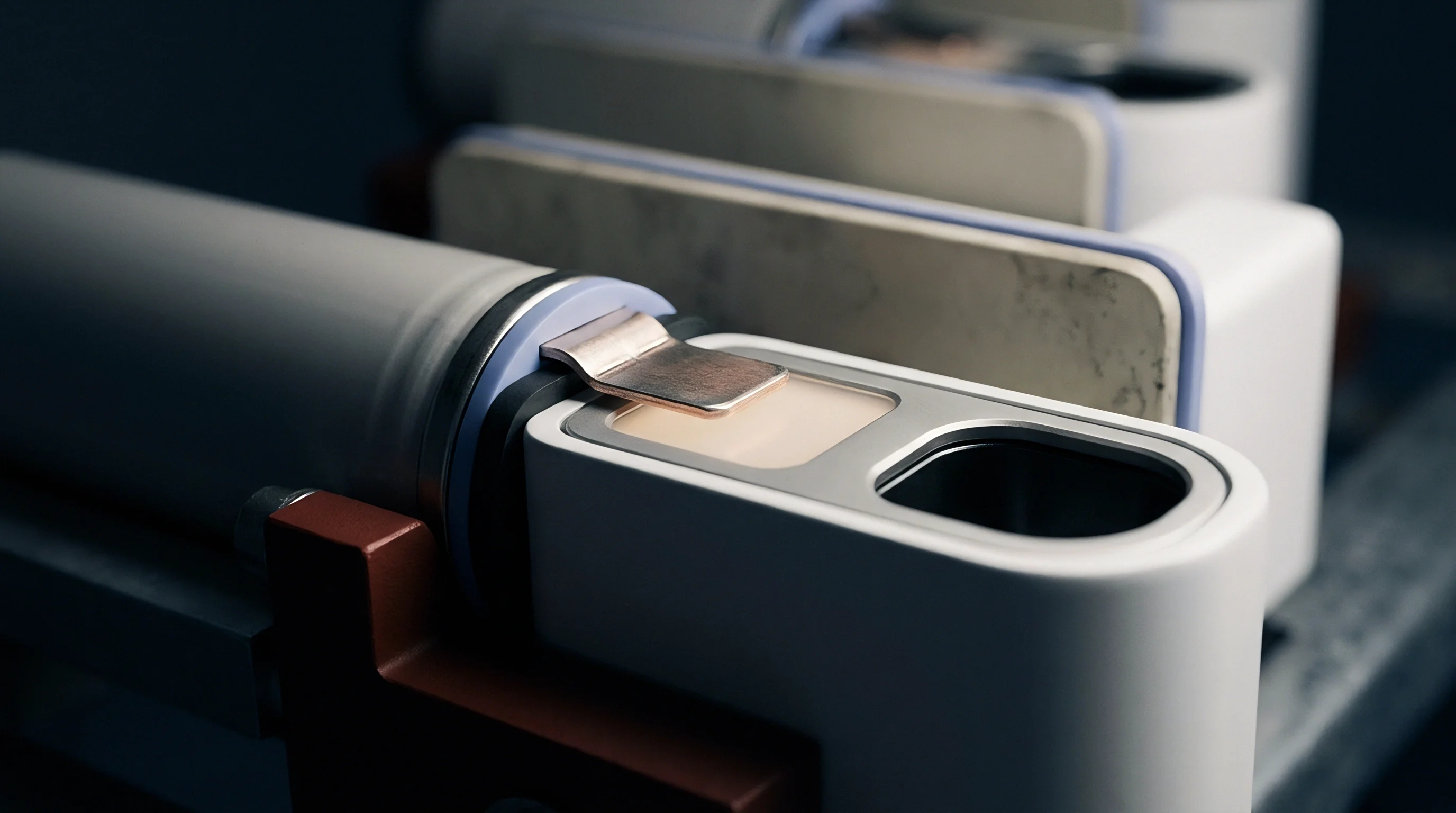

Buffer
Incorporating phase change materials adjacent to double tab assemblies introduces a thermodynamic heat absorption reservoir that mitigates transient temperature spikes. Phase transition material layers act as temporary thermal buffers, absorbing excess heat during high C-rate pulses and releasing that enthalpy to active liquid cooling channels during lower load operational periods.
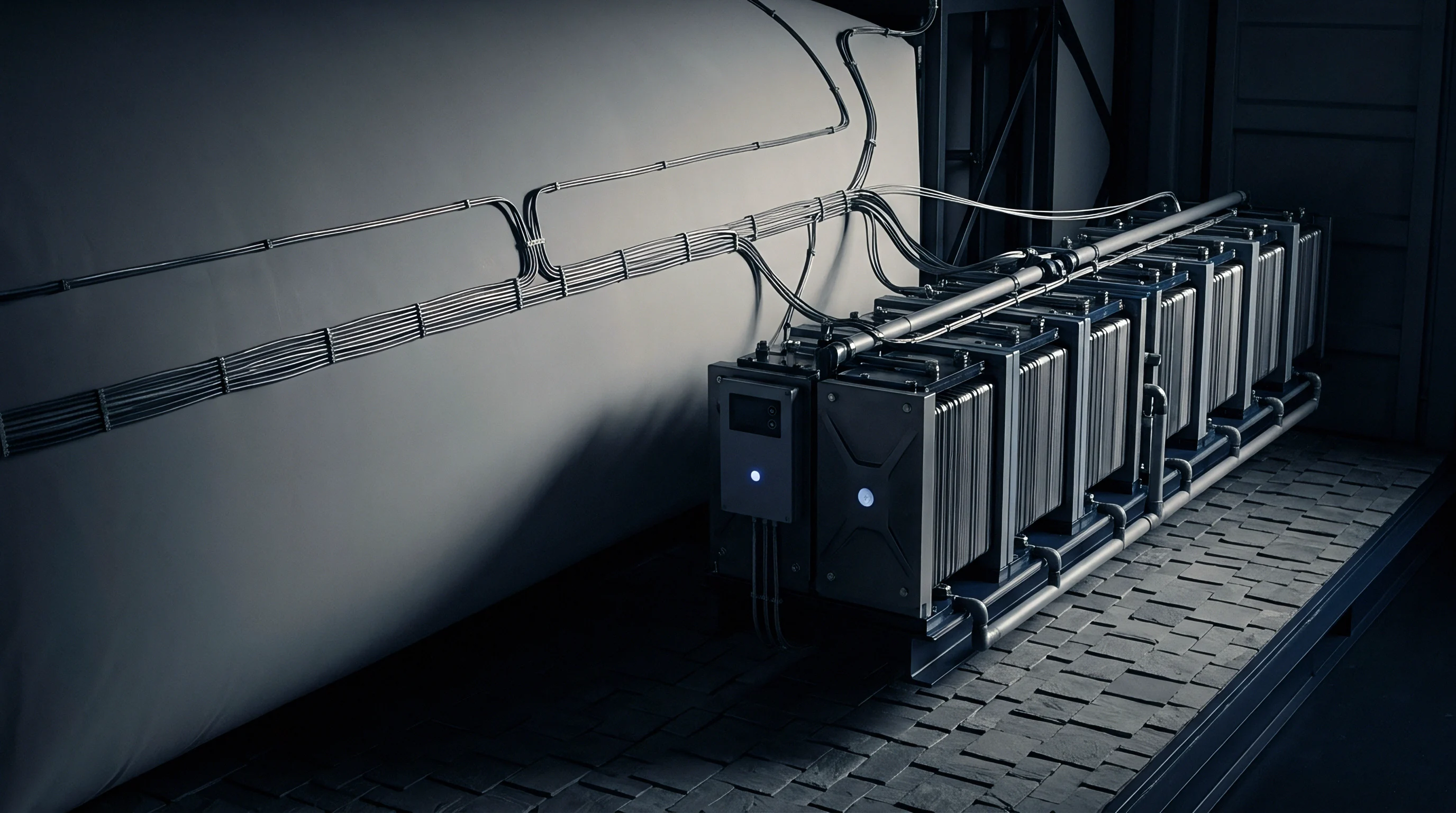
Latent Enthalpy Absorption at Terminal Interfaces
Solid-to-liquid and solid-to-solid physical phase transitions absorb thermal energy at constant temperatures, dampening rapid heat surges from tab resistance. Latent energy absorbs thermal surges. Latent enthalpy of fusion provides substantial volumetric heat absorption capacity without requiring temperature increases that accelerate cell degradation.
Integrating a phase transition buffer at the tab connection interface isolates the pouch seal from short-duration thermal excursions.
Phase transition material placed around terminal tabs absorbs transient Joule heat, creating an enthalpy decoupling barrier. Decoupling efficiency measures the proportion of peak transient thermal power captured by phase change enthalpy relative to total heat generated at the terminal tab. High decoupling efficiency maintains tab interface temperatures within narrow isothermal bands during 4C to 6C rapid charge events.
Sizing phase transition mass to absorb peak transient tab heat prevents cell core temperatures from entering non-linear degradation regimes during fast charging cycles.

Phase Material Selection and Temperature Windows
Paraffin waxes, fatty acids, and hydrated salts yield distinct enthalpy capacity densities ranging between 180 and 260 Joules per gram near target battery thermal limits. Paraffin density changes during melting. Organic phase change compositions provide chemical stability and predictable phase transformation dynamics between 40 and 50 degrees Celsius, matching the safe operating limit of commercial lithium pouches.
| Material Phase Buffer Type | Transition Temp (deg C) | Latent Enthalpy (J/g) | Thermal Conductivity (W/m-K) | Volumetric Density (g/cm3) |
|---|---|---|---|---|
| Paraffin Wax Composite | 44.5 | 210 | 1.8 | 0.88 |
| Microencapsulated PCM Gel | 42.0 | 185 | 2.4 | 1.05 |
| Fatty Acid Eutectic | 47.2 | 195 | 1.2 | 0.92 |
| Salt Hydrate Solution | 48.0 | 240 | 0.6 | 1.45 |
Thermal conductivity enhancement additives raise pure organic wax performance. Adding graphite flakes, carbon nanotubes, or expanded metal foam matrices increases composite thermal conductivity from 0.2 Watts per meter-Kelvin to over 3.0 Watts per meter-Kelvin. High composite thermal conductivity allows fast thermal energy transfer into the latent storage mass before tab weld temperatures exceed 60 degrees Celsius.
- Phase Transition Temperature Latent heat absorption aligns with maximum tab operating thresholds between 42 and 48 degrees Celsius to prevent thermal acceleration.
- Volumetric Enthalpy Capacity Compact tab cavities demand energy storage densities above 200 Joules per cubic centimeter to minimize module package growth.
- Thermal Conductivity Augmentation Metallic matrices or graphene additives raise pure paraffin conductivity from 0.2 to over 3.0 Watts per meter-Kelvin for rapid heat intake.
- Chemical Compatibility Packaging materials resist chemical degradation when exposed to organic phase change compounds over ten-year service periods.
Matching the phase transition temperature window to the upper threshold of normal electrochemical operation ensures latent capacity absorbs peak transient heat loads without depleting thermal margin during passive standby phases.

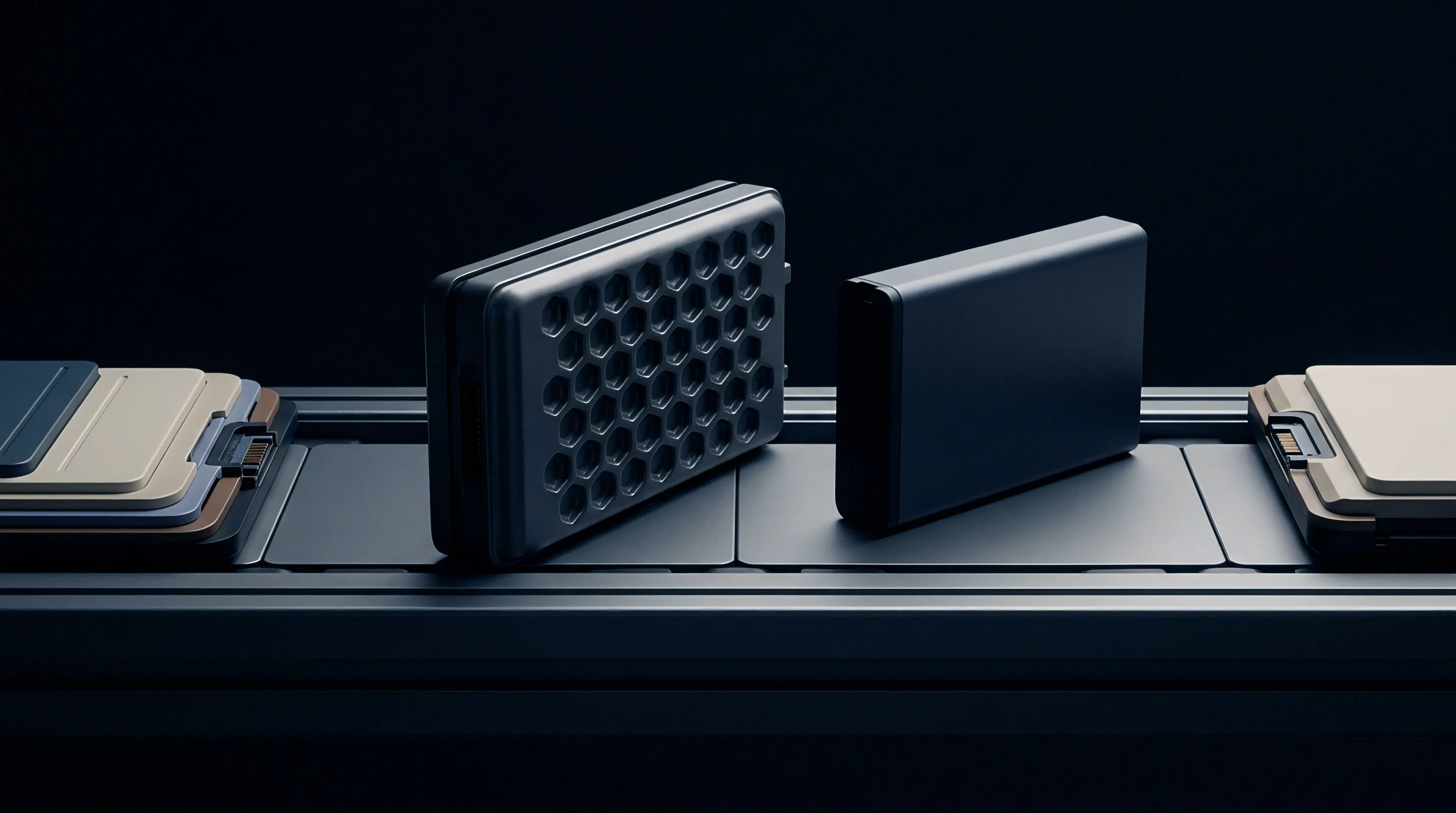
Flux
Calorimetric measurement isolates the portion of thermal energy absorbed by latent phase transition mass from heat transferred directly into active liquid cooling fluid. Heat flow splits across pathways. Thermal flux measurements across double tab assemblies require calibrated heat flux sensors and isothermal titration calorimetry setups to separate transient storage terms from steady-state conduction rates.

How Does Tab Cool Enthalpy Decoupling Scale under Rapid Charge?
Increasing current density from 1C to 6C alters heat generation ratios between tab Joule dissipation and internal core electrochemical impedance. At low C-rates, core entropic heat dominates total thermal generation. At high C-rates, tab resistive losses dominate total heat production.
Cold plates extract steady flux. Double tab liquid cooling channels extract steady thermal flux, while phase change enthalpy buffers handle transient heat generation surges during rapid acceleration or fast charging.
Enthalpy decoupling efficiency decreases when phase transition material melts completely during prolonged high-current operations. Once latent heat capacity reaches full saturation, phase change material acts as a sensible thermal conductor, passing thermal energy directly to adjacent liquid cooling blocks. Sizing phase change mass to match specific duty cycles prevents premature phase saturation.
| Charge Rate (C-Rate) | Total Heat Generation (W) | Tab Heat Ratio (%) | PCM Absorption (W) | Decoupling Efficiency (%) |
|---|---|---|---|---|
| 1.0 C | 14.2 | 22.5 | 2.8 | 87.5 |
| 2.0 C | 38.6 | 38.1 | 11.9 | 81.0 |
| 4.0 C | 124.8 | 54.2 | 49.4 | 73.0 |
| 6.0 C | 262.5 | 68.0 | 112.5 | 63.0 |
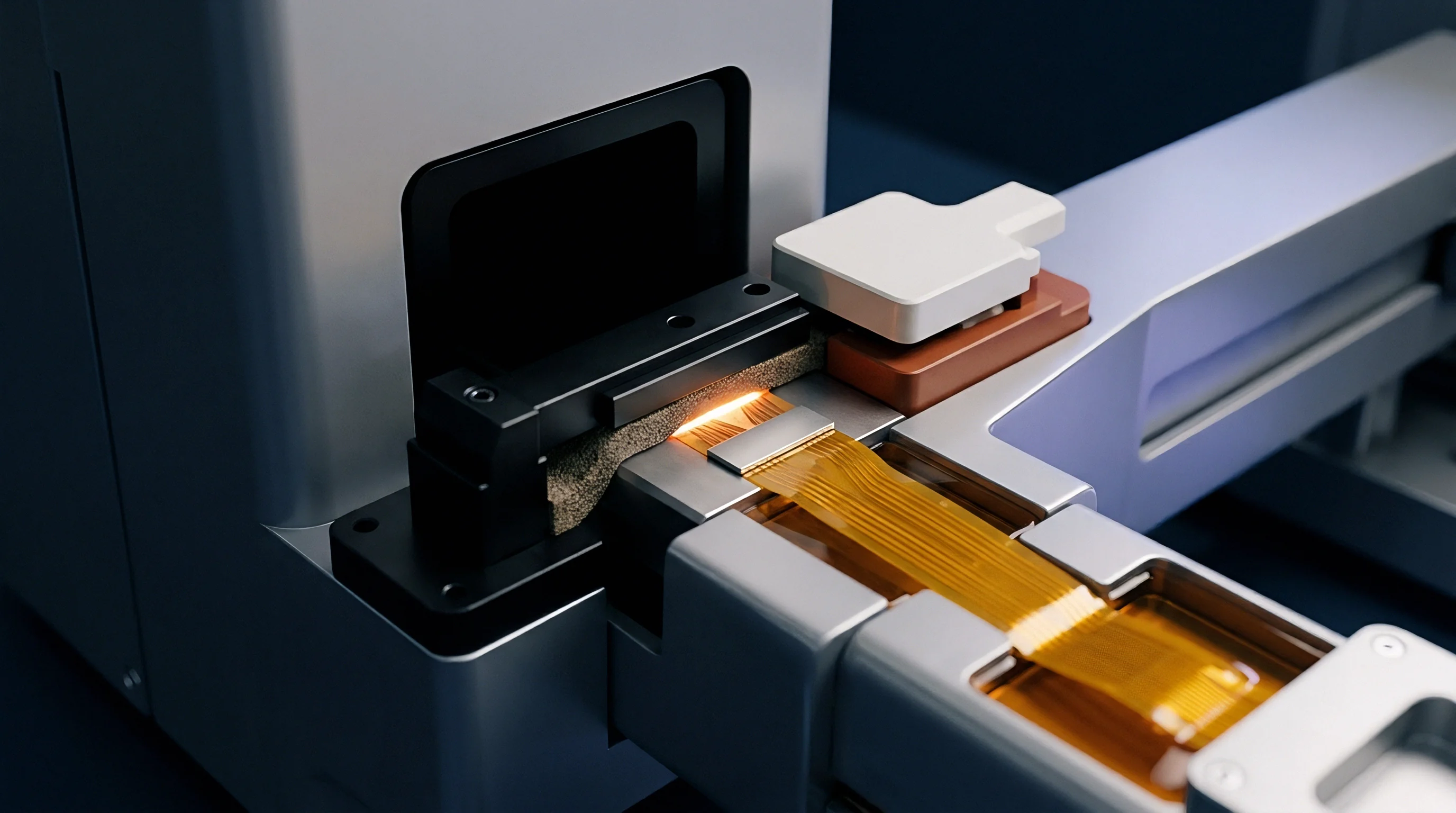
Worked Enthalpy Decoupling Calculation
Evaluation of a 60 Ampere-hour NMC811 commercial pouch cell under a 250 Ampere fast-charge pulse establishes exact heat partitioning values across double tab cooling pathways. Calorimetry resolves transient energy flows. Take a cell with an internal core resistance of 0.7 milliohms, a combined tab resistance of 0.4 milliohms, and a 40-gram paraffin composite phase change buffer attached to both tabs.
The phase change composite exhibits a latent enthalpy of fusion of 210 Joules per gram and a melting temperature of 44 degrees Celsius.
Assume a continuous 250 Ampere fast charge pulse applied for 300 seconds. Total tab heat power generation equals current squared multiplied by tab resistance, generating 25 Watts of continuous heat at the tab assembly. Total heat energy generated at the tabs over the 300-second pulse equals 7,500 Joules.
The phase change mass provides a maximum latent storage capacity of 40 grams multiplied by 210 Joules per gram, yielding 8,400 Joules of latent heat storage capacity.
During the first 240 seconds of the pulse, tab interface temperature rises from 25 degrees Celsius to the phase transition melting temperature of 44 degrees Celsius, consuming sensible heat. Once reaching 44 degrees Celsius, phase change material absorbs 6,000 Joules of heat at constant temperature over the remaining 60 seconds of the pulse. Active liquid cooling channels remove 1,200 Joules of heat concurrently across the thermal interface.
Enthalpy decoupling efficiency during the phase transition period equals latent heat absorbed divided by total tab heat generated during that period, yielding 83.3 percent decoupling efficiency. The phase change buffer prevents tab seal temperatures from rising past 46 degrees Celsius throughout the 250 Ampere charging pulse.
The degree to which microencapsulated phase change slurries retain latent heat absorption capacity after several thousand thermal cycling transitions under high tab mechanical clamping pressure remains an active subject of empirical durability investigation.

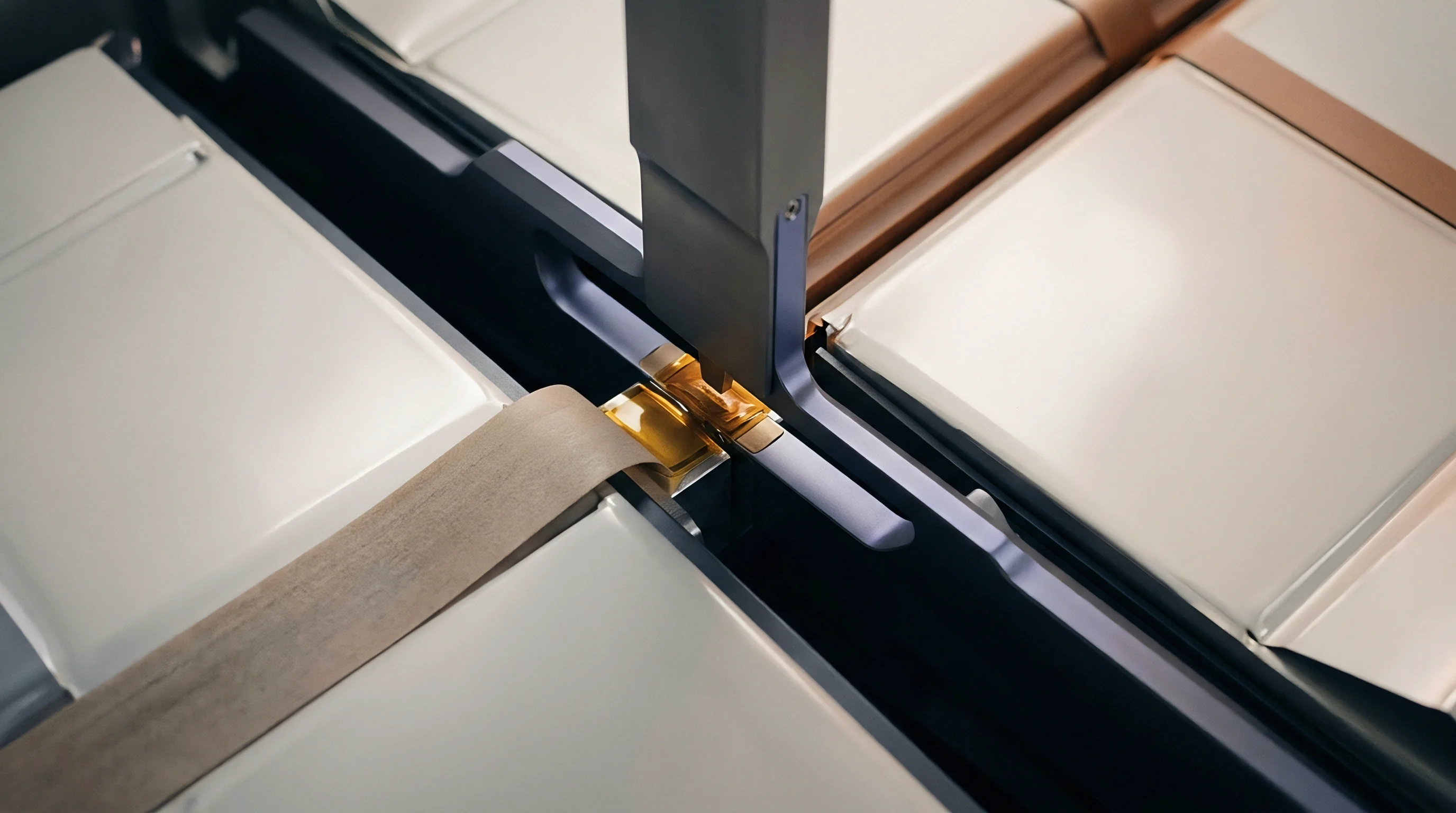
Rejection
Sustained high-voltage operation accelerates chemical breakdown when double-tab thermal extraction systems fail to manage local boundary layer temperature spikes. High currents accelerate thermal aging. Non-uniform heat removal causes localized degradation near tab weld zones, leading to electrolyte depletion, gas generation, and cell swelling.
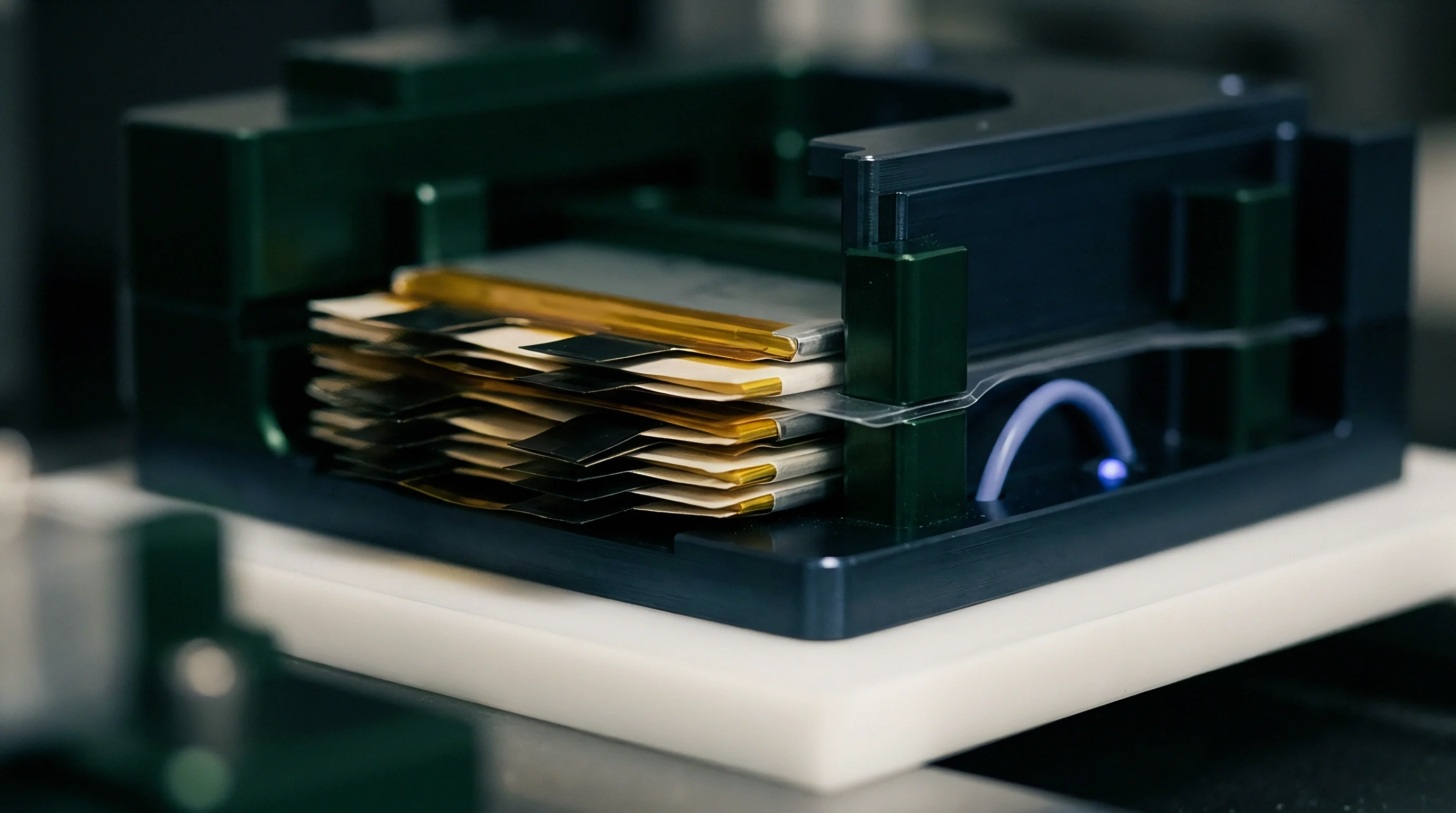
Thermal Stress and Pouch Seal Integrity
High temperature exposure weakens the multilayer aluminum laminate bond strength along pouch heat-seal perimeters. Polypropylene softens above ninety degrees. Polypropylene sealing layers experience creep and seal thinning under sustained thermal stress above 70 degrees Celsius.
Seal failure releases internal gas. Double tab cooling maintains tab junction temperatures below dangerous polymer softening points, preserving hermetic seal integrity over extended operational lifecycles.
Polymer seal thinning leads to moisture ingress and electrolyte solvent venting. Moisture ingress reacts with lithium hexafluorophosphate salt, forming hydrofluoric acid that degrades cathode active materials and corrodes tab metallic foils. Proper tab thermal management prevents localized hot spots that initiate this degradation cascade.
UN 38.3 test summary certification becomes invalid if structural cell alterations or modified thermal management interfaces alter the documented safety testing envelope.
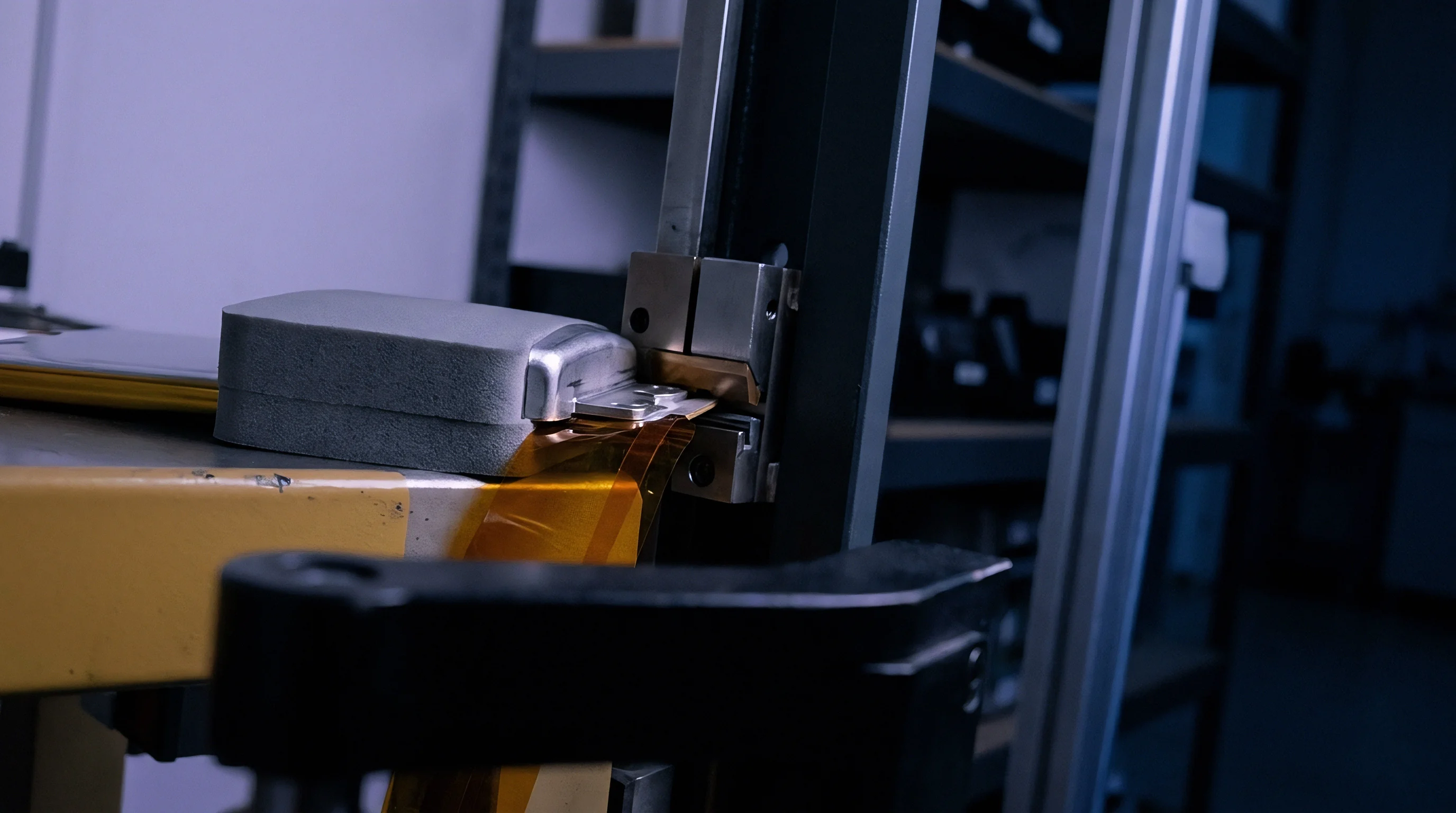
Standardized Safety Testing under Extreme Thermal Loads
Mandatory transport and safety testing evaluates cell resilience under severe mechanical, electrical, and environmental stress profiles. UN 38.3 test protocols evaluate cell performance under altitude simulation, thermal cycling, vibration, shock, external short circuit, impact, overcharge, and forced discharge. Double tab cooling designs must withstand mechanical shock and thermal shock without physical seal failure or loss of internal electrical isolation.
Verification of tab cooling performance requires physical testing under standardized procedures. The following steps delineate standard testing procedure for assessing tab thermal performance under extreme current loads:
- Thermocouple placement at positive tab weld, negative tab weld, and geometric center of pouch casing.
- Application of 4C fast charge current inside isothermal calorimeter maintained at 25 degrees Celsius.
- Continuous measurement of tab heat rejection rate, phase transition mass enthalpy absorption, and core surface temperature rise.
- Post-test helium leak detection along tab polymer seal perimeters to verify packaging integrity.
Failure to maintain tab seal thermal boundaries below manufacturer limits causes premature electrolyte solvent evaporation, accelerating internal capacity atrophy and triggering catastrophic seal rupture during UN 38.3 altitude and thermal test sequences.

Audit
Sourcing commercial pouch cells for high-voltage double tab cooled battery modules requires rigorous review of regulatory certificates, test reports, and factory quality records. Carrier desks inspect shipping summary documents. Uncertified cell batches face rejection.
Buyers verify compliance documentation before accepting cell deliveries or integrating pouches into high-voltage pack assemblies.
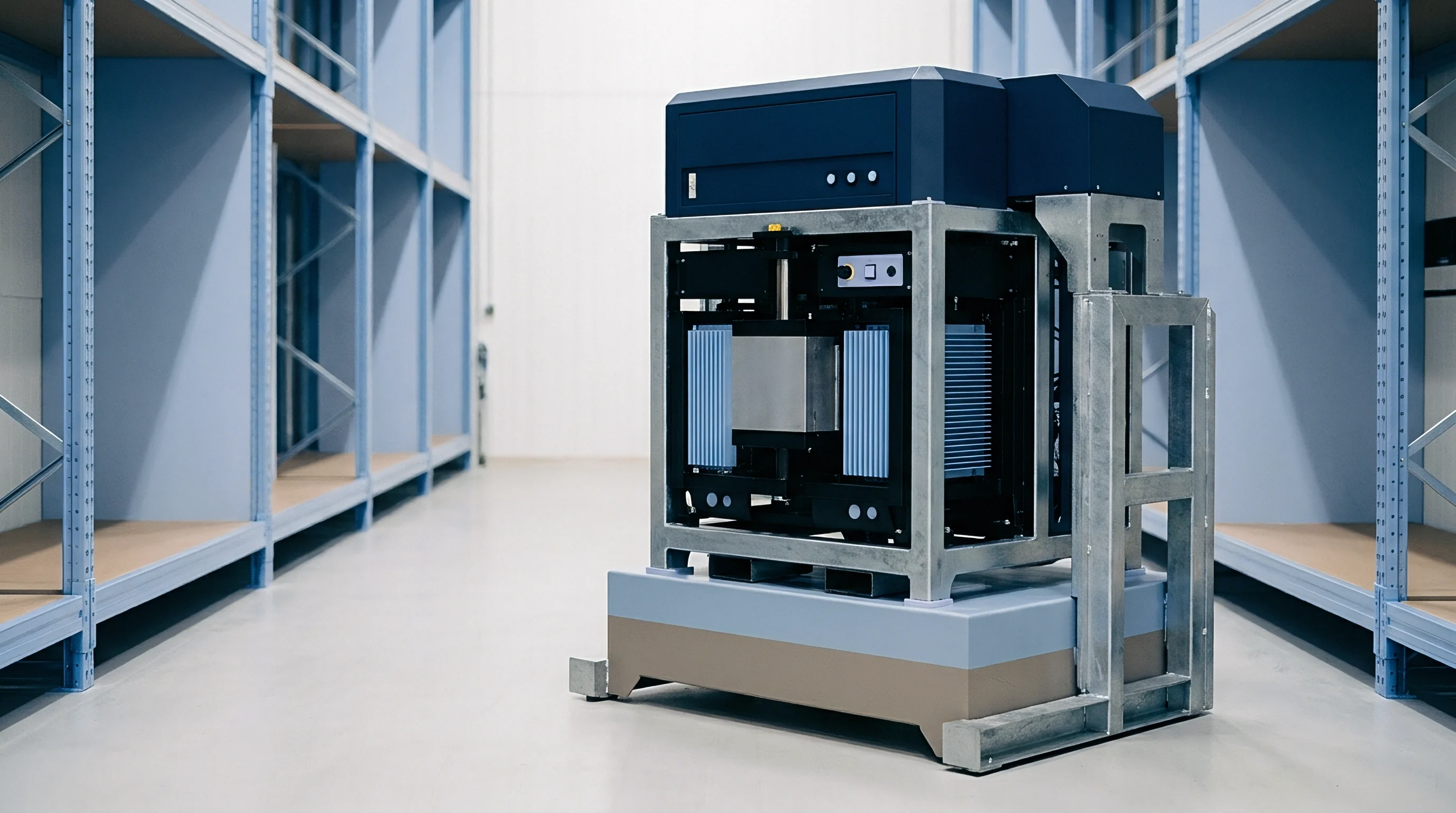
Regulatory File Requirements for Cooled Modules
International transport provisions mandate that lithium cell shipments carry verified test summaries proving compliance with UN 38.3 requirements prior to commercial transit. Test summaries document cell model parameters, mass, watt-hour ratings, testing laboratory accreditation, and individual test pass results. Modifying tab thermal interfaces or adding phase change materials to cell assemblies requires verification that shipping safety test summaries cover the exact delivered configuration.
| Standard Designation | Scope and Focus Area | Key Thermal / Electrical Test Clause | Commercial Compliance Effect |
|---|---|---|---|
| UN 38.3 | Transport Safety Certification | T.4 Shock and T.5 External Short Circuit | Mandatory for air, sea, and land cargo transit |
| IEC 62133-2 | Industrial Alkaline / Lithium Safety | Clause 7.3.6 Overcharge and Clause 7.3.7 Thermal Abuse | Required for European market placement and CE mark |
| UL 1642 | Component Cell Safety Standard | Section 17 Heating Test and Section 20 Short Circuit | Prerequisite for North American insurance underwriting |
| ISO 6469-1 | EV On-board Energy Storage | Clause 6.2 Thermal Shock and Cycle Stress | Automotive OEM component qualification threshold |

Warranty Allocation and Supply Contract Drafting
Defining commercial liability between cell manufacturers and pack integrators hinges on establishing precise operating temperature boundaries for dual tab assemblies. Thermal boundaries define contract liabilities. Supply contracts specify maximum allowable tab weld temperatures during peak fast-charging events.
If a pack integrator fails to maintain tab cooling within contracted parameters, cell manufacturers disclaim warranty obligations for premature capacity degradation.
- UN 38.3 Test Summary Clause 38.3.5 specifies test data, lab accreditation numbers, and cell configuration parameters for all transportable lithium battery designs.
- IEC 62133 Compliance Certificate Section 7 testing confirms pouch cell mechanical and electrical safety under abnormal thermal exposure and external short circuit conditions.
- Material Safety Data Sheet Section 9 physical details accurately reflect electrolyte formulation, flame retardant additives, and volatile organic compound limits.
- Incoming Inspection Log Quality assurance records document seal strength verification, tab thickness tolerances, and initial AC internal resistance values.
Incorporating UN Manual of Tests and Criteria Section 38.3.5 compliance clauses into purchase agreements shifts financial responsibility for cargo detention and re-testing costs directly to the supplier whenever shipping documents lack verified thermal testing parameters for double tab module configurations.