Contractual Allocation of Environmental Remediation Liabilities for Seized Hazardous Battery Cargo Disposals
Importers lower hazardous cargo clean-up liability by structuring purchase escrows and drafting explicit hazardous waste indemnities.
Importers lower hazardous cargo clean-up liability by structuring purchase escrows and drafting explicit hazardous waste indemnities.
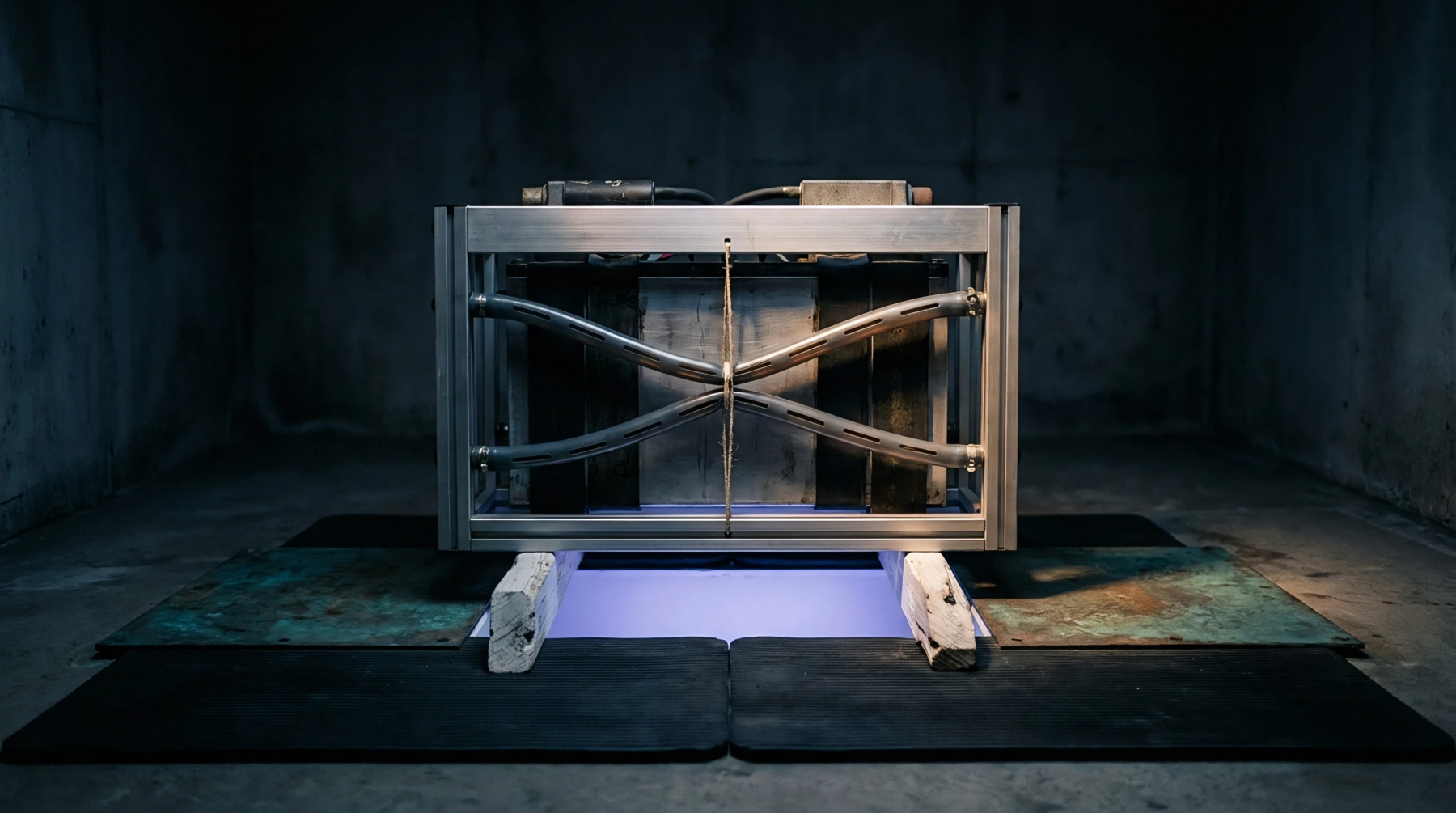
Compressive creep and viscoelastic stress relaxation in thermal interface materials drop contact pressure, triggering thermal impedance spikes across battery plates.
Reconciling module test reports with final pack enclosure safety documentation requires mapping insulation resistance, UN 38.3 metrics, and transport state-of-charge data.
Stationary storage battery CE marking requires mapping voltage rules, passing IEC 62619 safety tests, and selecting Module A or Notified Body routes under EU 2023/1542.

Stationary storage spatial clearance requires balancing NFPA 855 baseline setbacks against UL 9540A fire test metrics to optimize usable site acreage.

Choosing between cylindrical and prismatic cell formats demands balancing tooling capital, thermal conduction interfaces, and structural face pressure limits.

Cell level UN 38.3 certification does not cover assembled packs; modified multi-cell batteries require independent pack level retesting before transport.

Buyers secure full indemnification and third-party laboratory verification before accepting lithium transport summaries to prevent impoundment liabilities.

Off-the-shelf battery assembly selection requires auditing cell impedance matching, verifying continuous thermal limits, and locking the bill of materials.
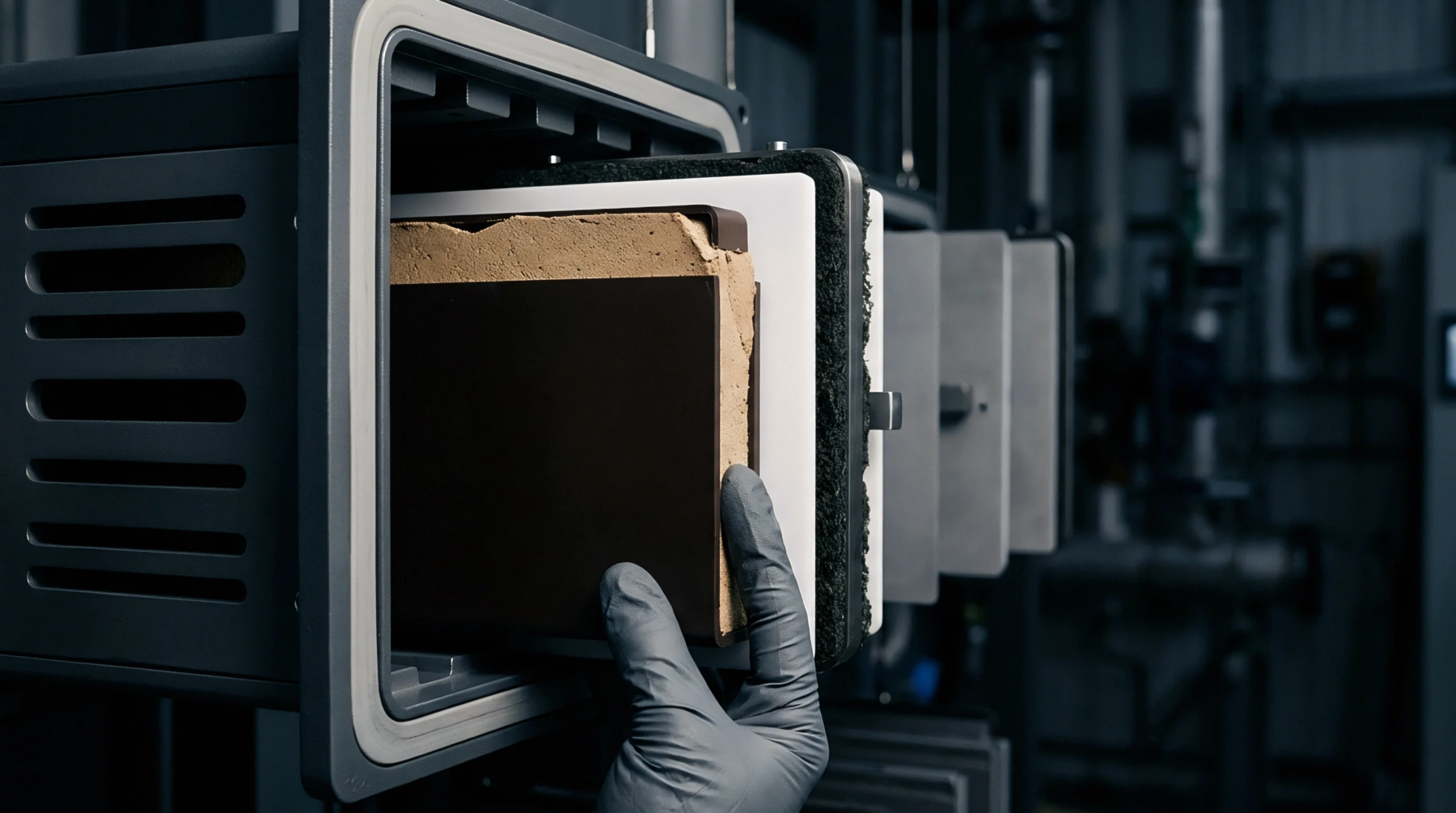
Integrating viscoelastic creep routines into thermomechanical transient solvers predicts separator mechanical collapse thresholds under battery thermal runaway conditions.

Prismatic cell initial mechanical preload limits must balance interfacial contact impedance suppression at 0.15 to 0.35 MPa against EOL structural frame stress.
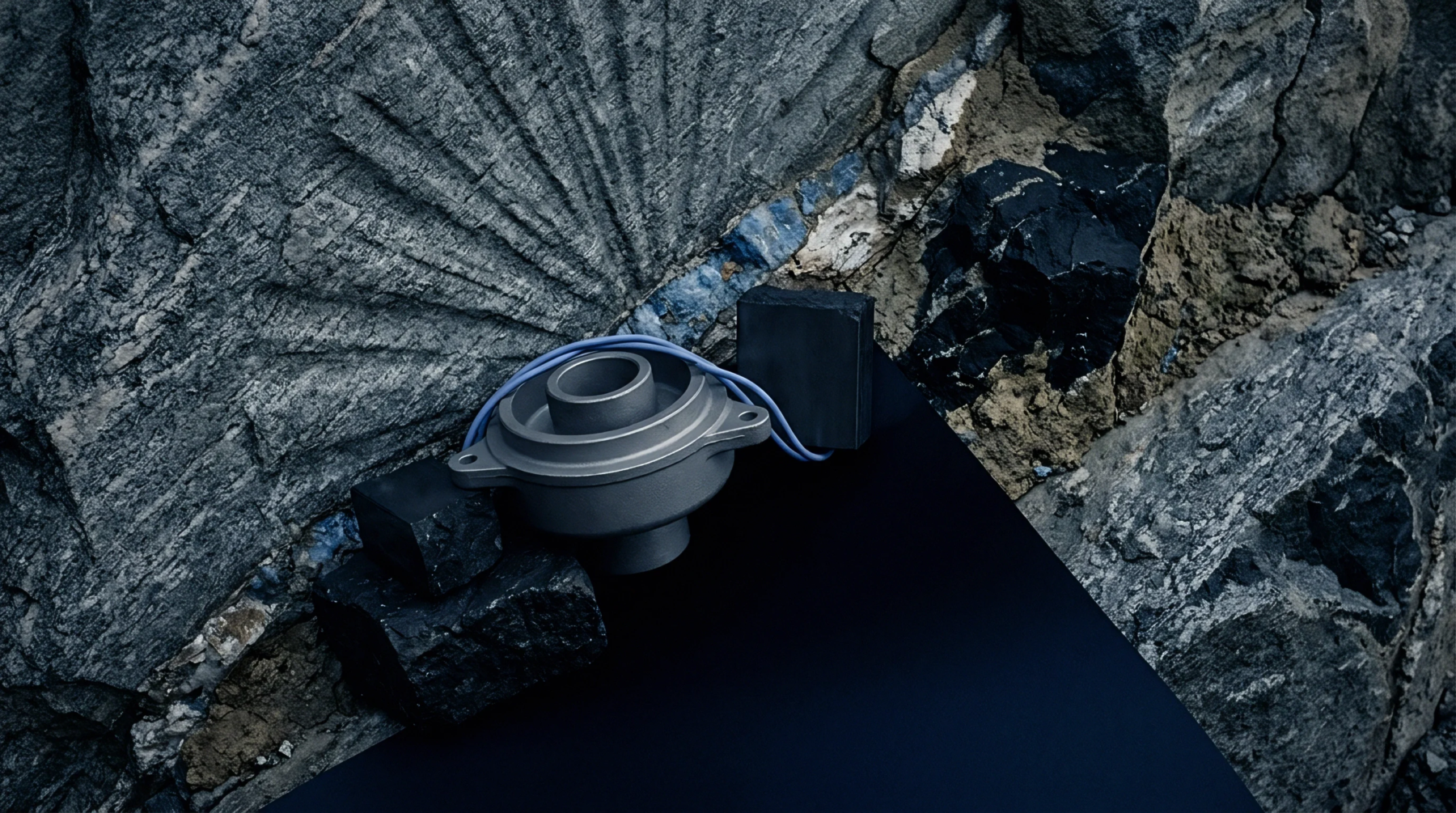
Cross-border market surveillance enforcement targets domestic importers directly, requiring pre-funded bank guarantees and authenticated safety dossiers for recourse.
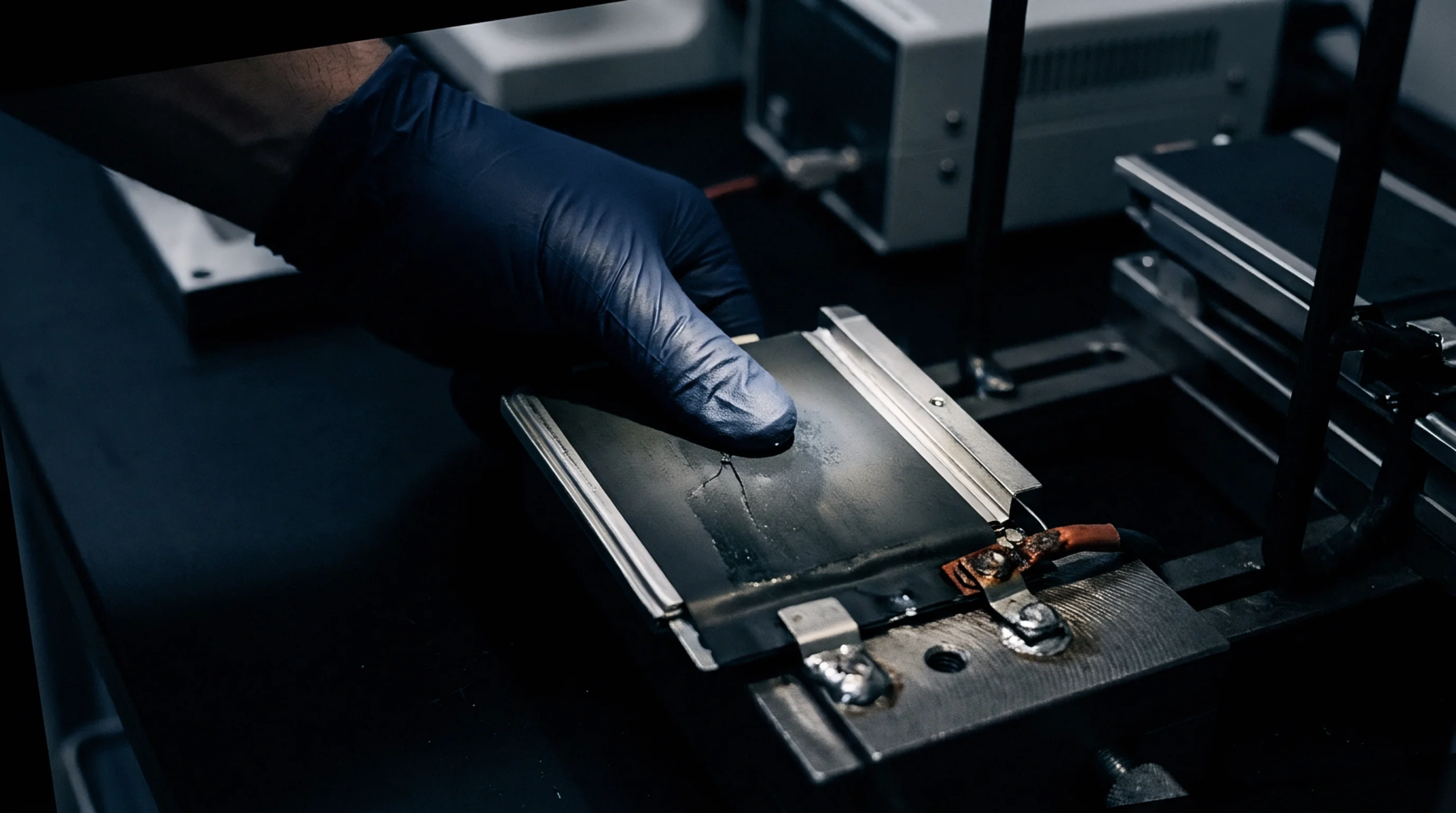
Unit-level UL 9540A test data unlocks reduced ESS clearances when peak heat release stays below 250 kW and target panel radiant flux remains under 1.5 kW/m².

Dynamic drop tower qualification of consolidated battery tubs requires controlling impactor kinetic energy, strain-rate sensitivity, and elastic intrusion limits.
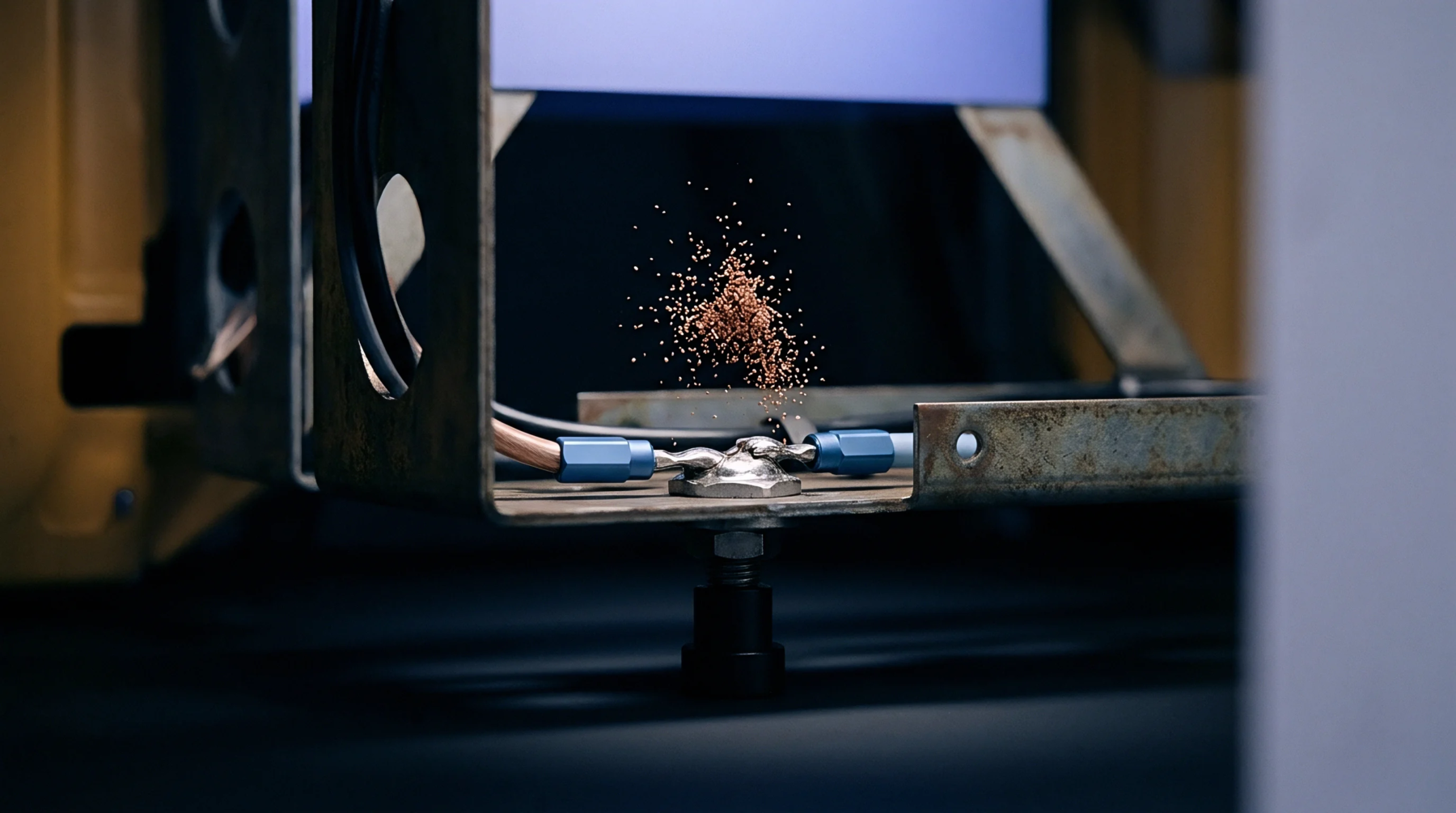
Validating ISO 17025 ILAC accreditation scopes for UN 38.3 test summaries before shipment prevents carrier refusals and port impoundments.
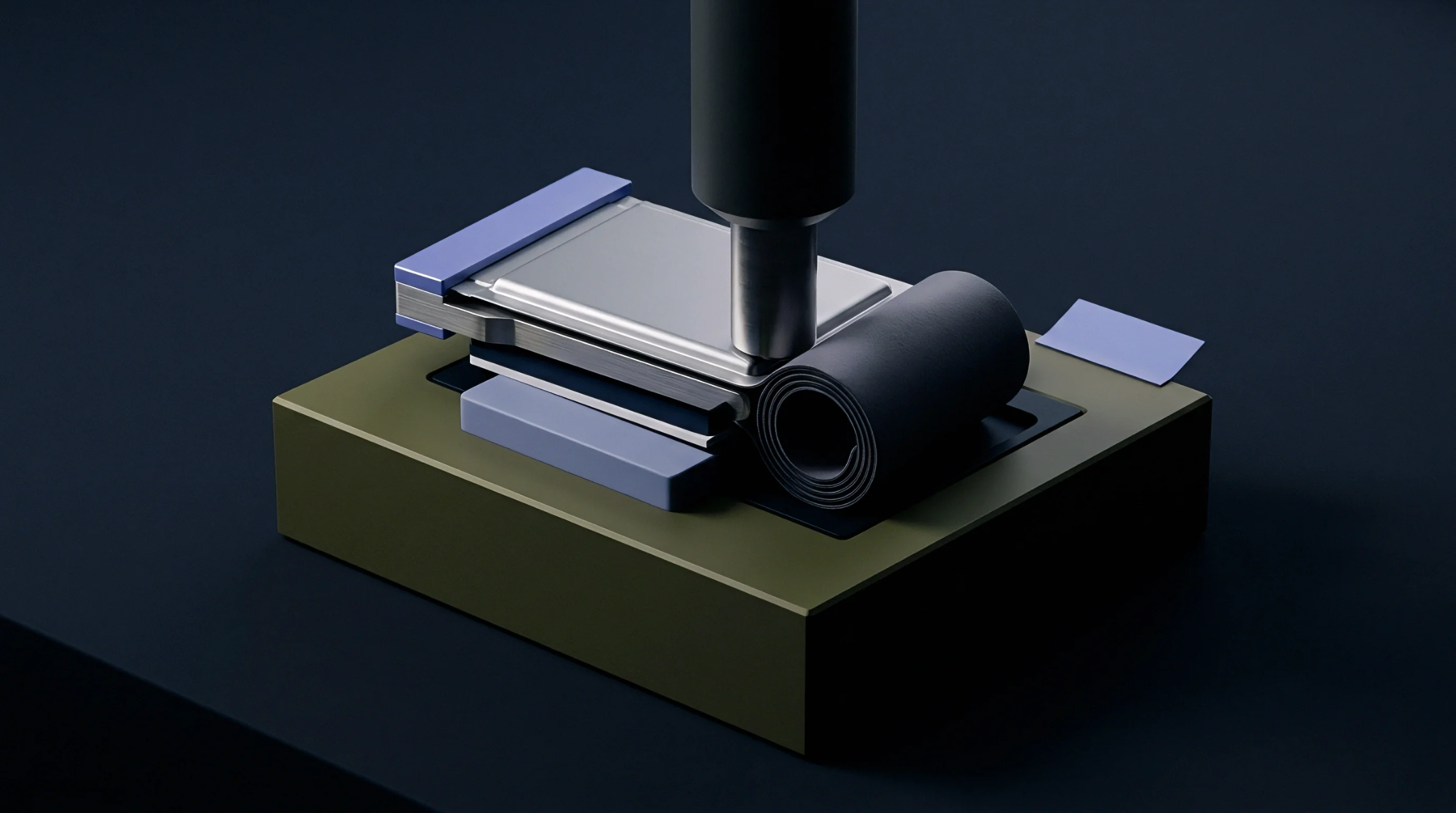
Format selection dictates tooling capital, cooling architecture, and mechanical containment: cylindrical cells minimize stack stress, while prismatic cells maximize spatial fill.
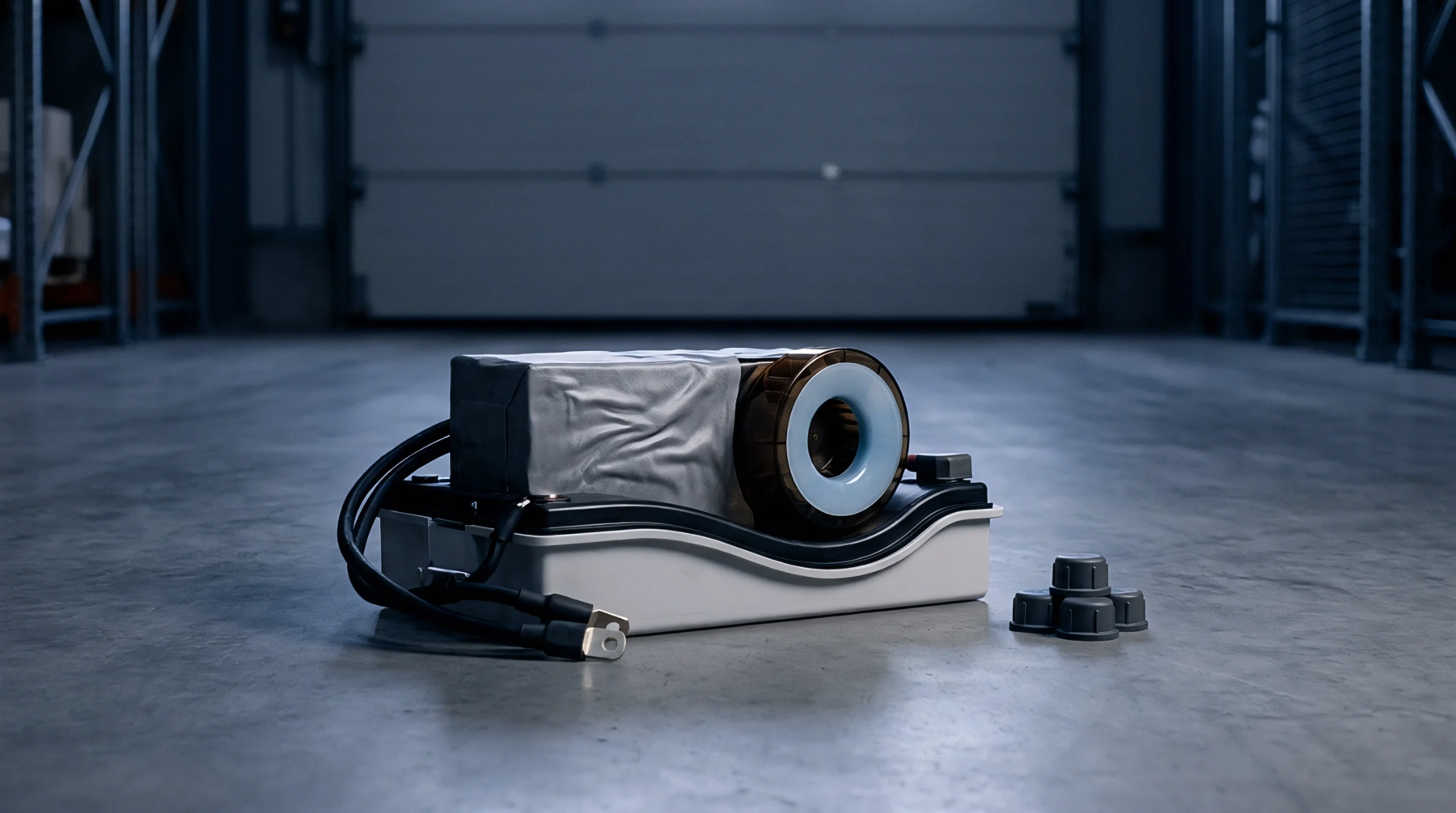
Statutory liabilities for European Union battery storage importers span joint product liability, extended producer responsibility, and customs hold financial risk.
Tightening housing floor machining planarity below 0.2 mm slashes thermal paste volume requirements, preventing multi-million dollar annual BOM overruns.
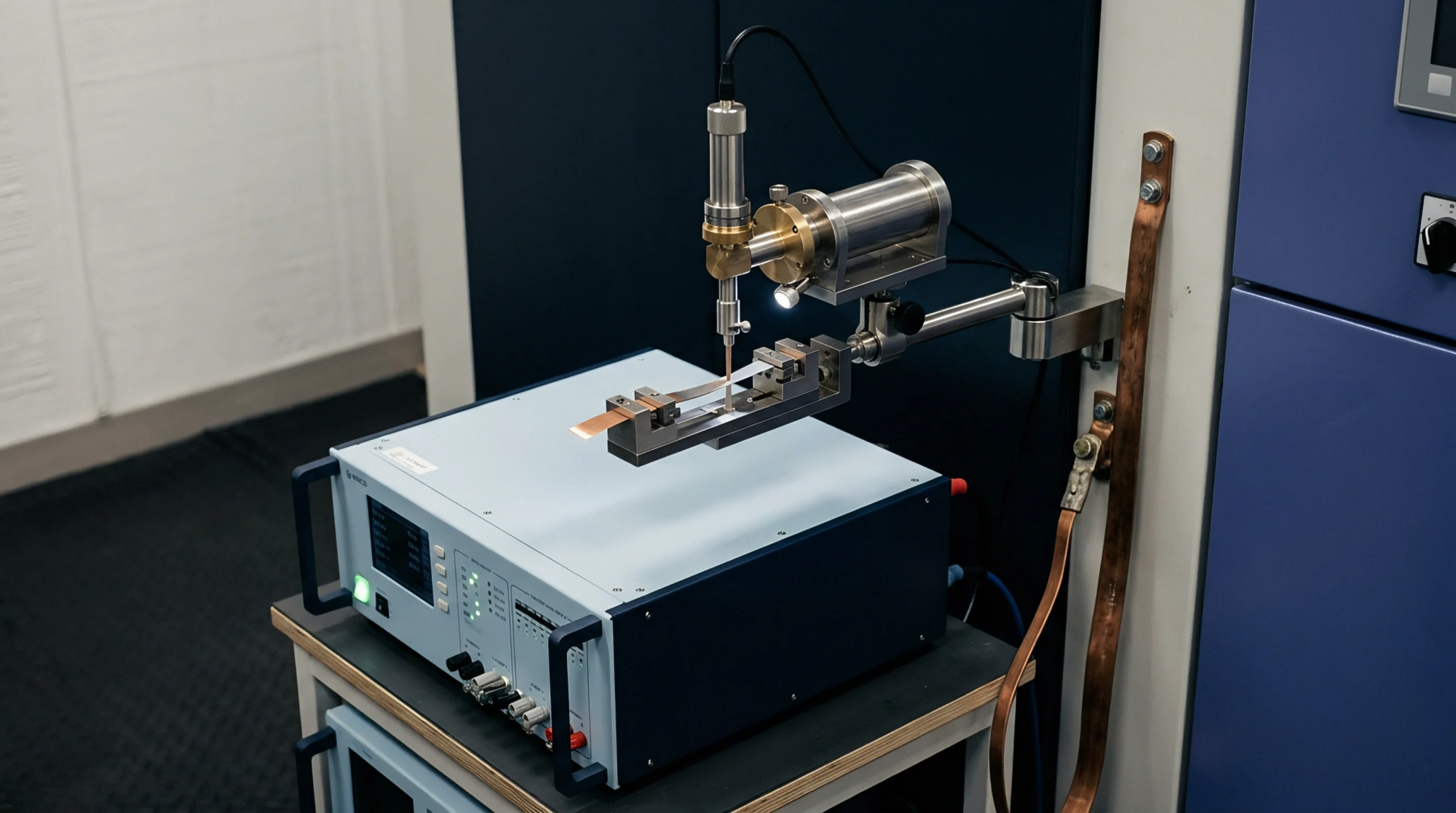
Optimal mechanical constraint extends lithium cell cycle life by suppressing electrode delamination while avoiding separator pore collapse and intergranular cathode fracture
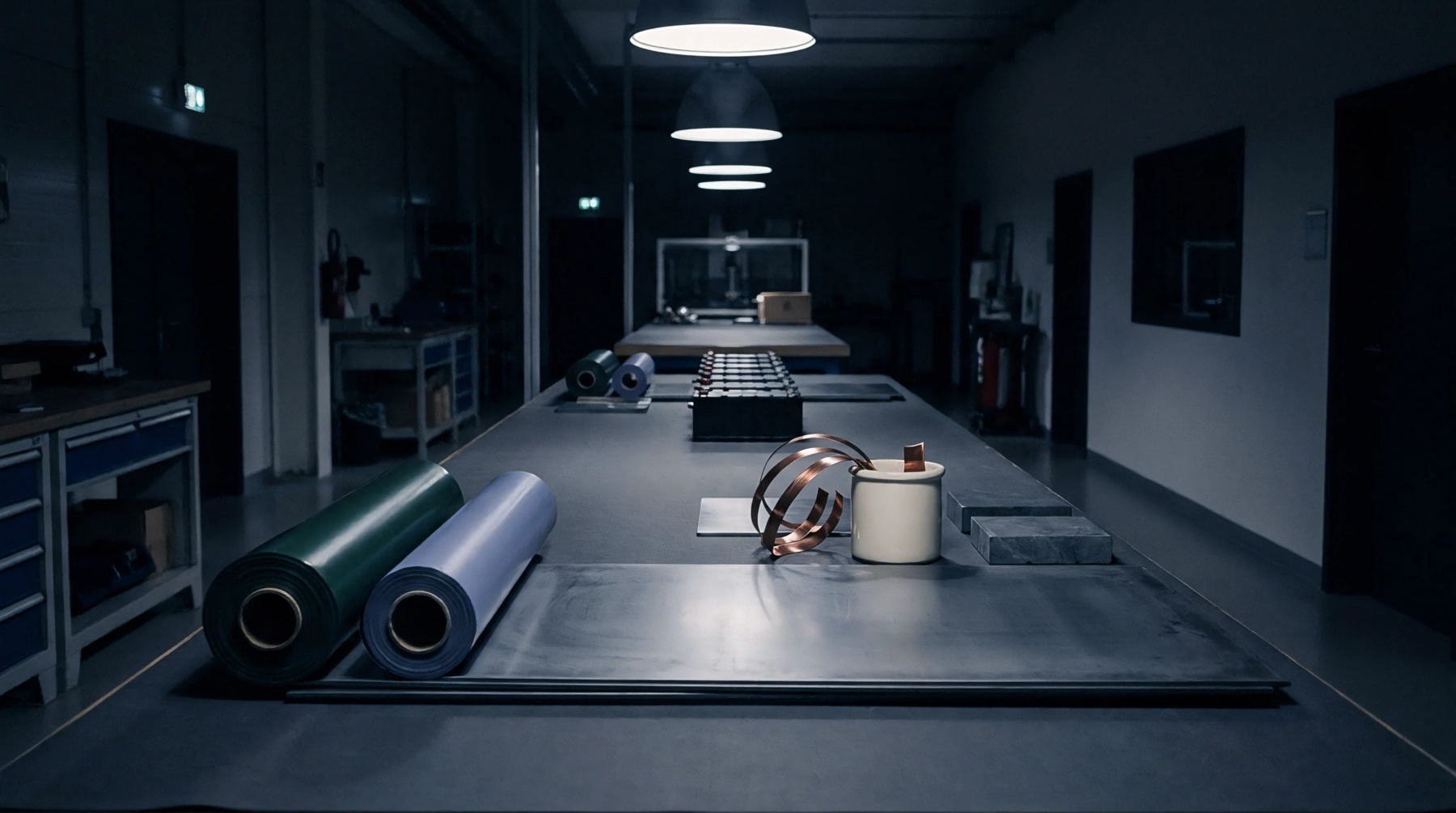
Shipping defective battery hardware requires Special Provision 376 packaging and surface transport because air carriage is legally blocked for high-risk cells.
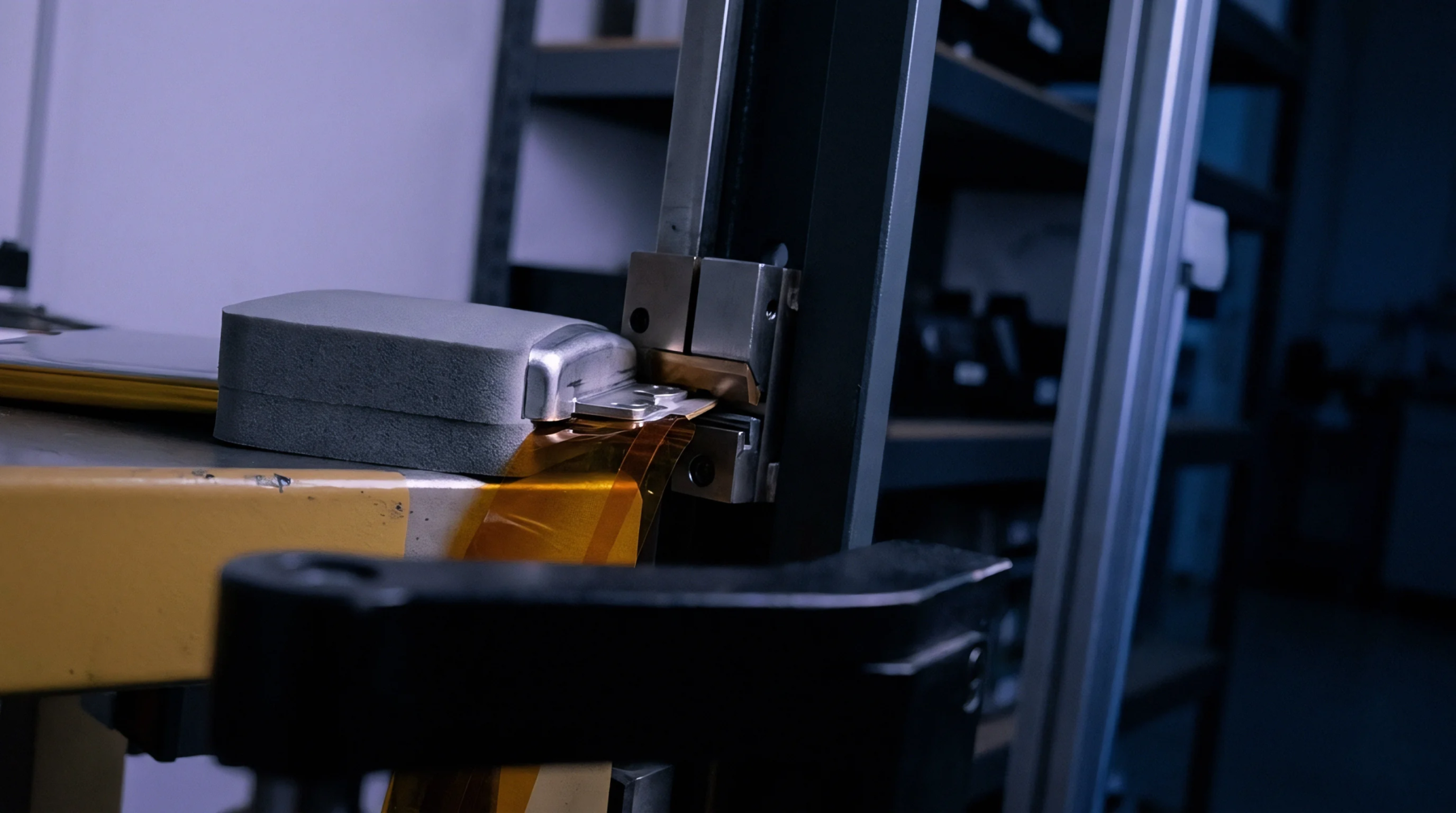
Fix format, compression pads, NRE tooling costs, and BMS regulatory boundaries before signing supply contracts to avoid costly re-tooling and unhedged liability.
Expertise is a utility, not a secret. sentiention™ publishes its working knowledge as open reference: intelligence layer covering the materials it sources, the markets it enters, and the reference that serves both.