Resolving Border Impoundment Risks from Discrepant Lithium Cell Dangerous Goods Transport Documentation
Border impoundments resolve by matching outer package markings, cell casing etchings, and UN 38.3 test summaries prior to carrier tender.
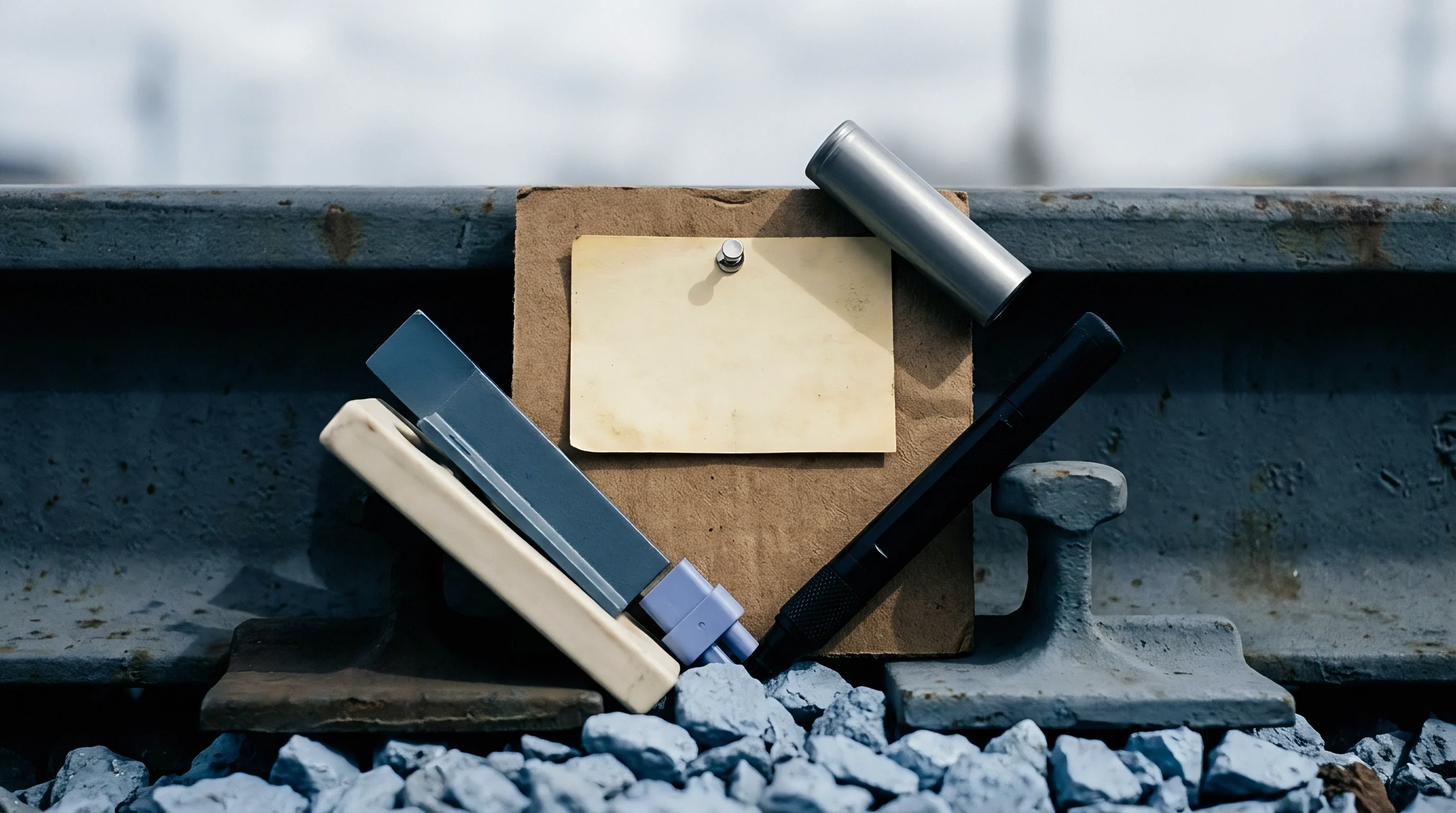
Crate

Discrepancy Triggers on Packaging and Outer Marking
Customs authorities and freight acceptance agents compare outer box labels directly against the Dangerous Goods Declaration and the UN 38.3 Test Summary. Discrepancies between these three data sources trigger immediate cargo holds at border entry points. A single digit mismatch in the cell part number printed on the carton versus the test summary invalidates the transport file.
Inspectors view any incongruity as an undeclared hazardous material risk under regional transport laws such as the US 49 CFR or European ADR regulations.
Physical inspections focus on three specific items: the outer UN Specification packaging code, the hazard class 9 lithium battery mark, and the net weight calculations on the bill of lading.
- Part Number Discrepancies surface when cell manufacturers update internal revision suffixes without reissuing the accompanying UN 38.3 Test Summary document.
- Mass Limit Exceedances occur when cargo declarations list gross package mass rather than the net mass of lithium cells required under Packaging Instruction 965.
- Watt-Hour Rating Variations arise when nameplate ratings on cell casings reflect nominal capacity while shipping declarations list maximum operational energy values.
- Mislabeled Cargo Classifications happen when standalone lithium ion cells are tendered under UN 3481 for equipment packaging instead of UN 3480 standalone cargo lines.
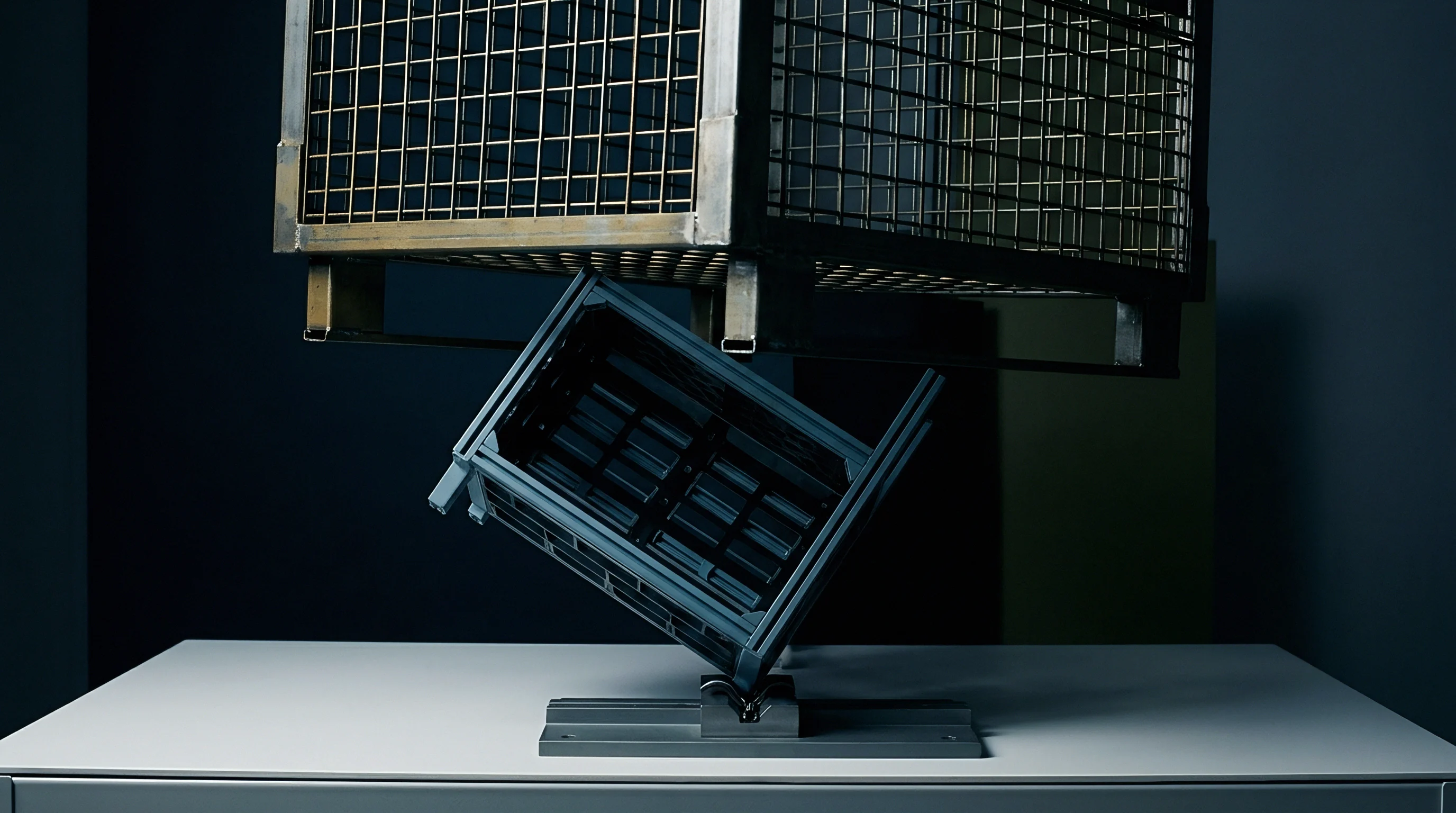
Watt-Hour Rating Disparity between Document and Cell Casing
Cell watt-hour ratings derive directly from nominal voltage and rated amp-hour capacity. A lithium nickel manganese cobalt oxide cell stamped at 3.6V nominal voltage and 3.0Ah capacity yields a 10.8Wh rating. If the shipping manifest calculates the cell at 11.2Wh using an upper charging limit of 4.2V, border inspectors flag the shipment as falsified documentation.
Standard transport declarations must align with IEC 61960 nominal rating conventions.
A documented cell capacity exceeding physical casing stamps creates an immediate regulatory presumption of an uncertified battery design.
Laser-etched markings on individual cylindrical or prismatic casings provide ground truth for border officials. When these etchings diverge from the declared test summary specifications, customs officers halt transit. Getting the shipment moving again requires a verified manufacturer attestation letter or a full physical re-inspection inside a bonded warehouse.
In commercial practice, clearing customs requires absolute, character-for-character consistency across every layer of packaging.


Validation
Verification of UN 38.3 Section 38.3.5 Test Summaries
Documentary review starts with the test summary requirements defined in the UN Manual of Tests and Criteria Revision 7. Section 38.3.5 sets out ten mandatory elements that must appear on the document before a shipment enters commercial freight channels. Omitting any one of them leads to automatic rejection during carrier compliance reviews.
| Required Document Element | UN 38.3.5 Clause Standard | Primary Customs Rejection Cause |
|---|---|---|
| Cell or Battery Manufacturer Details | 38.3.5 (a)-(c) | Address or contact details fail to match invoice origin |
| Testing Laboratory Identification | 38.3.5 (d) | Laboratory lacks verifiable contact records or ISO 17025 listing |
| Unique Test Report Number and Date | 38.3.5 (e) | Report date predates cell model design change or chemistry update |
| Detailed Description of Cell or Battery | 38.3.5 (f) | Missing physical description, mass, or nominal watt-hour rating |
| List of Tests Completed and Results | 38.3.5 (g) | Omission of T.1 through T.8 individual pass indicators |
| Signatory Title and Authorized Signature | 38.3.5 (j) | Unsigned documents or generic corporate digital stamp without name |
Third-party laboratories often issue summaries under commercial trading names rather than the legal entity tied to the production facility. Customs officers check business registries to confirm these corporate relationships. If an unlisted trading entity appears on the UN 38.3 Test Summary without clear contractual documentation linking it back to the licensed manufacturer, port authorities treat the cargo as non-compliant.

Laboratory Accreditation Chains and ISO 17025 Scope Checks
Port agencies routinely cross-reference testing facilities against international accreditation records. The regional bodies participating in the International Laboratory Accreditation Cooperation Mutual Recognition Arrangement publish active directories of certified labs.
An auditor verifies the laboratory accreditation file using a strict sequential procedure before approving transport tender.
- Locate the national accreditation body logo and registration number listed on the UN 38.3 test report header.
- Access the official online database of the relevant accreditation body to confirm active laboratory status.
- Review the laboratory scope of accreditation to ensure UN Manual of Tests and Criteria Section 38.3 sits within approved testing capabilities.
- Cross-check the physical address of the test facility where cell testing occurred against the address on the test summary.
- Confirm that test completion dates fall strictly within the active validity window of the laboratory ISO 17025 certificate.
Any missing link in this chain voids the legal presumption of conformity. If border officials encounter unverified credentials, the freight remains impounded until an approved facility runs the entire UN 38.3 series from T.1 to T.8 from scratch. The importer bears the cost of quarantine, transport handling, and testing fees.
A test summary lacking verifiable ISO 17025 scope references for UN 38.3 criteria exposes the importer of record to immediate cargo impoundment.
Pulling stranded cargo for laboratory evaluation means drawing production cells straight from the bonded facility under customs supervision. Labs need between 16 and 24 intact cells to run the complete sequence: altitude simulation, thermal cycling, vibration, shock, external short circuit, impact, overcharge, and forced discharge. That re-certification cycle typically consumes four to eight weeks while daily demurrage charges run.
Tendering shipments on the back of unchecked factory test summaries routinely triggers disastrous supply chain costs.

Voltage

State of Charge Rules for Passenger and Cargo Aircraft
International Air Transport Association regulations cap standalone lithium ion cells at a 30 percent state of charge based on rated capacity. Packaging Instruction 965 Sections IA and IB apply this restriction to UN 3480 shipments moving on freighter aircraft, while passenger flights cannot carry standalone cells under any circumstances. Flight operations staff turn away pallets whenever open-circuit readings indicate an average potential above that 30 percent ceiling.
| Transport Mode | Regulatory Reference | State of Charge Limit | Package Quantity Limit |
|---|---|---|---|
| Cargo Aircraft (Section IA) | IATA PI 965 IA | Maximum 30% nominal SOC | 35 kg net cell weight per package |
| Cargo Aircraft (Section IB) | IATA PI 965 IB | Maximum 30% nominal SOC | 10 kg net cell weight per package |
| Maritime Vessel (Full Container) | IMDG Code SP 384 | Recommended maximum 30% SOC | No rigid mass limit per outer packaging |
| Road / Rail Freight | ADR / RID Clause 2.2.9 | No explicit regulatory limit | Subject to gross weight transport limits |
Lithium iron phosphate cells present unique verification hurdles because their open-circuit voltage profile stays nearly flat from 20 to 70 percent capacity. Assessing an LFP cell requires careful resting voltage measurements at controlled ambient temperatures. Lithium nickel manganese cobalt formulations, by contrast, trace a predictable linear voltage slope, allowing customs officers to confirm charge states with a straightforward multimeter check.

Open Circuit Measuring Procedures at Border Inspection Posts
When manifest declarations look inconsistent with declared charge states, customs officers pull packages at random. Inspection teams open cartons inside climate-controlled hazard containment rooms.
The standard screening routine involves checking ten individual cells per pallet. On an NMC cell bounded by a 4.2V upper limit and a 2.8V cutoff, a reading above 3.72V flags the unit as exceeding the 30 percent ceiling. Because temperature shifts the reading, inspectors correct voltage values using standard conversion tables whenever the ambient room departs from 20 degrees Celsius.
While factory burn-in procedures may require higher resting potentials to stabilize the solid electrolyte interphase over weeks at sea, civil aviation security inspectors do not accept manufacturer storage requirements as an excuse. Aviation safety provisions operate on absolute physical parameters rather than supplier storage preferences. Non-compliant shipments face immediate ground impoundment or mandatory discharge at an approved local remediation site.
Quarantine
Which Authority Orders Destructive Testing during Border Holds?
National dangerous goods inspectorates, maritime port authorities, and civil aviation regulators hold independent statutory powers to seize suspect battery consignments. If administrative discrepancies suggest uncertified cell construction or misleading marks, these agencies can require physical teardowns. Directives go straight to the warehouse operators and clearing brokers handling the lot.
Test notices transfer the selected inventory to state laboratories or designated university research departments. Technicians take sample cells from the impounded lot for nail penetration, mechanical crush, or differential scanning calorimetry evaluations, establishing whether the cells present an active thermal runaway hazard. Once an agency issues a formal intervention order, the importer cannot halt the testing process.

Customs Bonded Storage and Demurrage Escalation
Detained batteries cannot remain in standard freight sheds; they transfer directly into class 9 bonded dangerous goods warehouses. Municipal fire codes and insurance restrictions prevent ordinary logistics facilities from holding non-compliant lithium stock, and these specialist class 9 locations charge steep daily premiums compared to general cargo storage.
Class 9 hazardous cargo detention fees accumulate at four to six times the rate of standard dry freight demurrage charges.
Costs mount quickly when documentation stalls clearance. A 20-foot container holding 15,000 units of 21700 cells held at an entry port in Europe offers a typical case: standard demurrage sits near 150 Euros a day, but hazardous storage surcharges, terminal transfers, and safety monitoring push that to 850 Euros daily. A four-week paperwork delay generates 23,800 Euros in non-recoverable port fees, wiping out the operating margin on the underlying merchandise.
Procurement agreements that leave regulatory risk undefined force the importer of record to absorb these charges. Terms like Delivered Duty Paid assign customs formalities to the vendor, yet port operators look exclusively to the local entity recorded on customs declarations for settlement. The importer must pay the port authority directly before attempting to recover funds from an offshore manufacturer.
Under standard logistics terms such as Clause 14.2, the merchant guarantees that all freight handed over for carriage satisfies relevant dangerous goods regulations. That explicit warranty passes downstream liabilities back to whichever party produced the faulty shipping papers.

Remediation

Documentary Corrections versus Physical Lot Re-Tendering
Handling an impounded consignment depends on whether the defect is clerical or physical. Simple typos on a Dangerous Goods Declaration ~ like transposed digits in an emergency contact number ~ can clear through an official amendment letter from the original certified shipper. The carrier desk checks the update, collects the re-filing fee, and releases the hold.
Physical mismatches are much harder to resolve. If the numbers etched onto the cell casing do not match the watt-hour values on the UN 38.3 summary, customs will not accept replacement paperwork. The importer must hire an accredited hazardous materials handling contractor to unpalletize the goods inside the bonded facility, apply new regulatory labels, or repack the lot into compliant UN-rated cartons under customs oversight.
If packaging fixes cannot resolve the core certification problem, the container must either be shipped back to origin or scrapped where it sits. Environmental laws forbid landfill disposal, and industrial hazardous waste processors charge between 3.50 and 6.00 Euros per kilogram of net cell mass to incinerate lithium batteries, forcing severe write-downs on stranded inventory.

Contractual Allocation of Customs Impoundment Expenses
Managing border risk starts with writing clear liabilities into the purchase order long before factory dispatch. Suppliers often default to standard Cost, Insurance, and Freight terms, which leave documentation obligations vague once the vessel passes the arrival terminal.
- Pre-Shipment Safety File Signoff requires the seller to deliver certified copies of UN 38.3 test summaries, ISO 17025 lab scope documents, and safety data sheets thirty days prior to port tender.
- Documentation Verification Hold-Harmless establishes that cargo will not leave the origin factory gate until the buyer dangerous goods safety adviser verifies paper-to-casing alignment.
- Customs Detention Indemnity Clause mandates that the seller reimburses all class 9 storage fees, daily demurrage charges, and lab re-testing expenses arising from paper discrepancies within fourteen calendar days.
- Right of Cargo Abandonment Mandate provides the buyer authority to abandon non-compliant cargo to the seller or local port authorities if documentation holds exceed twenty-one days without resolution.
Contracting under Free On Board or Ex Works terms gives the buyer direct authority over the freight forwarder. An experienced dangerous goods forwarder checks the regulatory file before taking custody at origin, stopping flawed documentation before containers reach a vessel or cargo plane. Running independent inspections at the source plant confirms that cell etchings, carton labels, and carrier declarations line up before the invoice is paid.
Tying this documentary validation directly to letter of credit payment releases gives the buyer real leverage against improper transport paperwork.