
Factory Storage K Value Calculation Procedure for Prismatic Cells
Factory K value measures prismatic cell voltage decay rate over storage dwell to screen out internal micro-shorts through high-resolution multimeter gates.
Factory K value measures prismatic cell voltage decay rate over storage dwell to screen out internal micro-shorts through high-resolution multimeter gates.
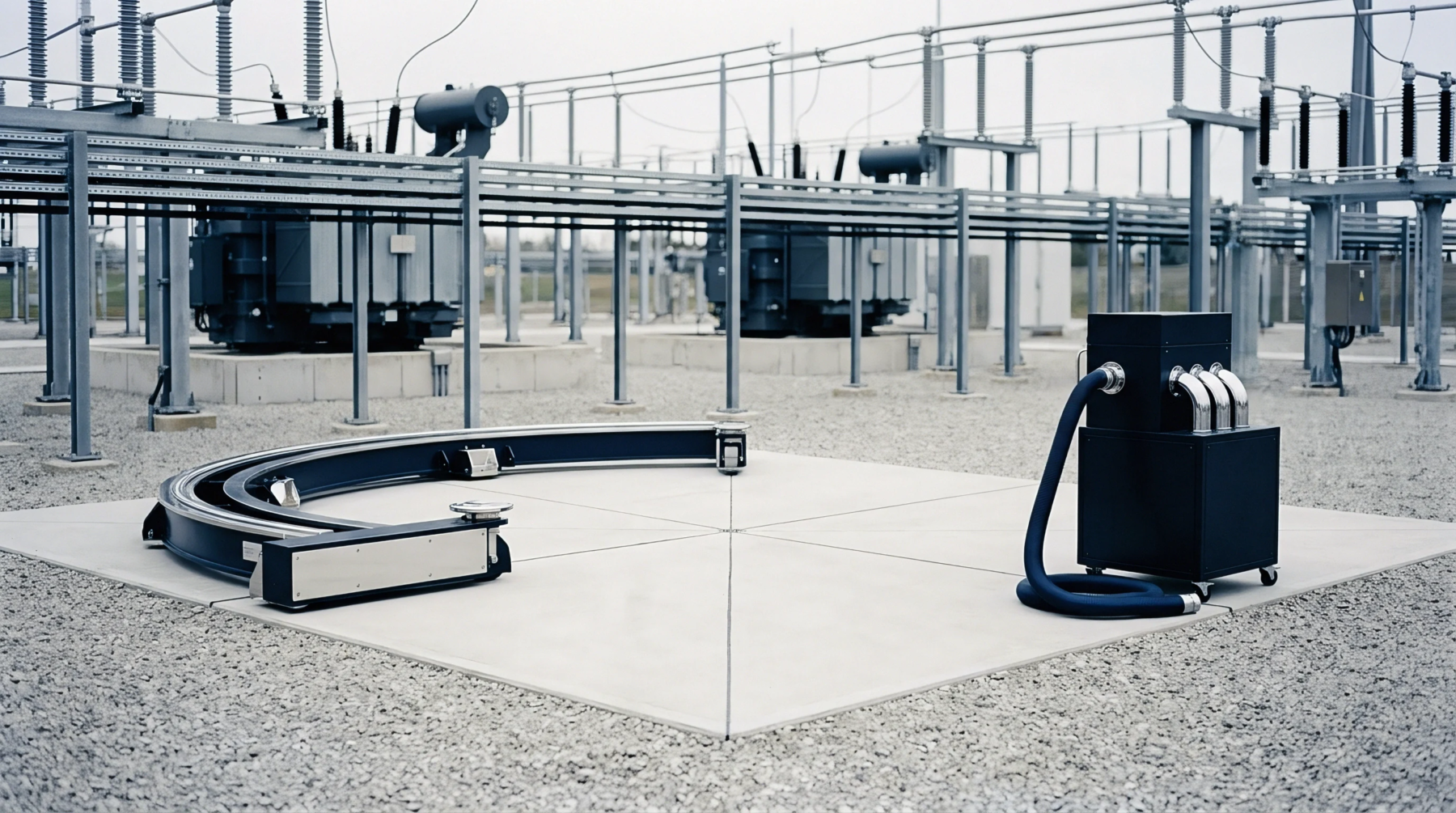
Quantifying warehouse off-gas flammability requires testing-derived constituent volumes, Le Chatelier LFL kinetics, and rapid plume dilution.

Galvanostatic relaxation protocols decouple ohmic, interfacial, and transport overpotentials in prismatic cells to identify electrolyte starvation.

Standard capacity retention metrics separate reversible self-discharge from irreversible capacity fade through verified post-storage conditioning cycles.

Maintain beginning of life cell preload between 0.08 and 0.15 MPa to prevent electrode delamination while preventing separator collapse and end plate deformation.
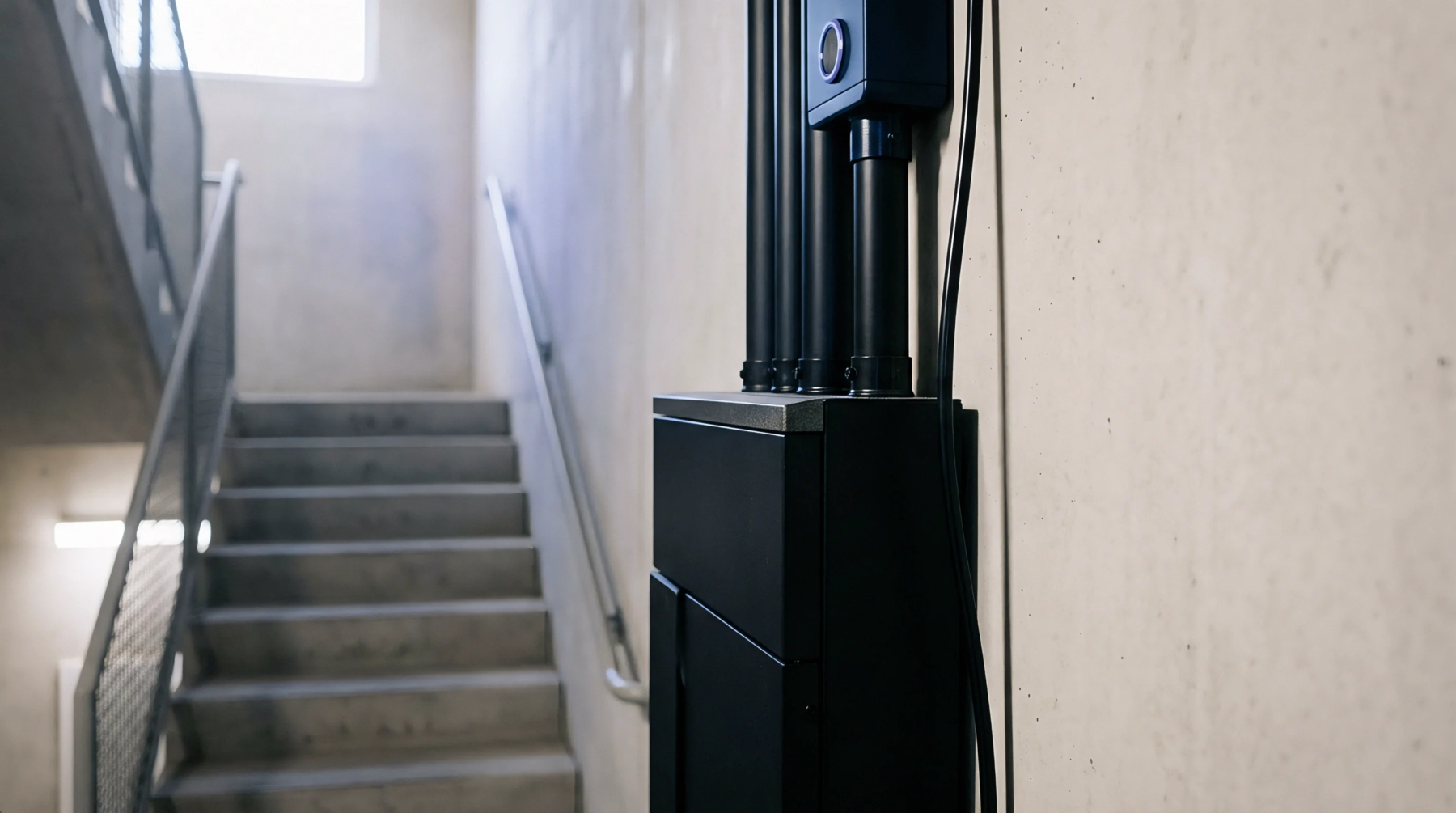
IFC Chapter 12 caps indoor lithium-ion storage at 20 kWh unless UL 9540 listing, UL 9540A testing, 2-hour partitions, and 3-foot clearances permit higher limits.

Integrating insurer loss survey telemetry into cell contracts converts ambient transit logging into binding warranty triggers that assign liability immediately.

Electrochemical impedance spectroscopy and high-speed DC pulses isolate interfacial resistance, enabling rigorous incoming cell quality verification.

Prismatic cell swelling combines SOC-driven expansion and permanent SEI growth, demanding calibrated module compression between 0.1 and 0.3 MPa to preserve cycle life.

Prismatic cells show 20-fold anisotropic thermal conductivity, demanding ISO 22007-2 or ASTM C177 testing under precise 0.3 MPa preload to model pack cooling.

Inline electromagnetic filtration combined with dual-stage high-temperature K-value screening stops microscopic iron inclusions before cell shipment.
Prismatic cell mechanical preload management balances initial zero point two megapascal compression against elastomeric spacer deflection to prevent capacity fade.

Verify cell voltage stability after relaxation to certify thirty percent state of charge limits on dangerous goods ocean shipping manifests.

Asymmetric base cooling drives internal equalization currents up to 0.28C across large prismatic cells, requiring lateral thermal paths to avert lithium plating.
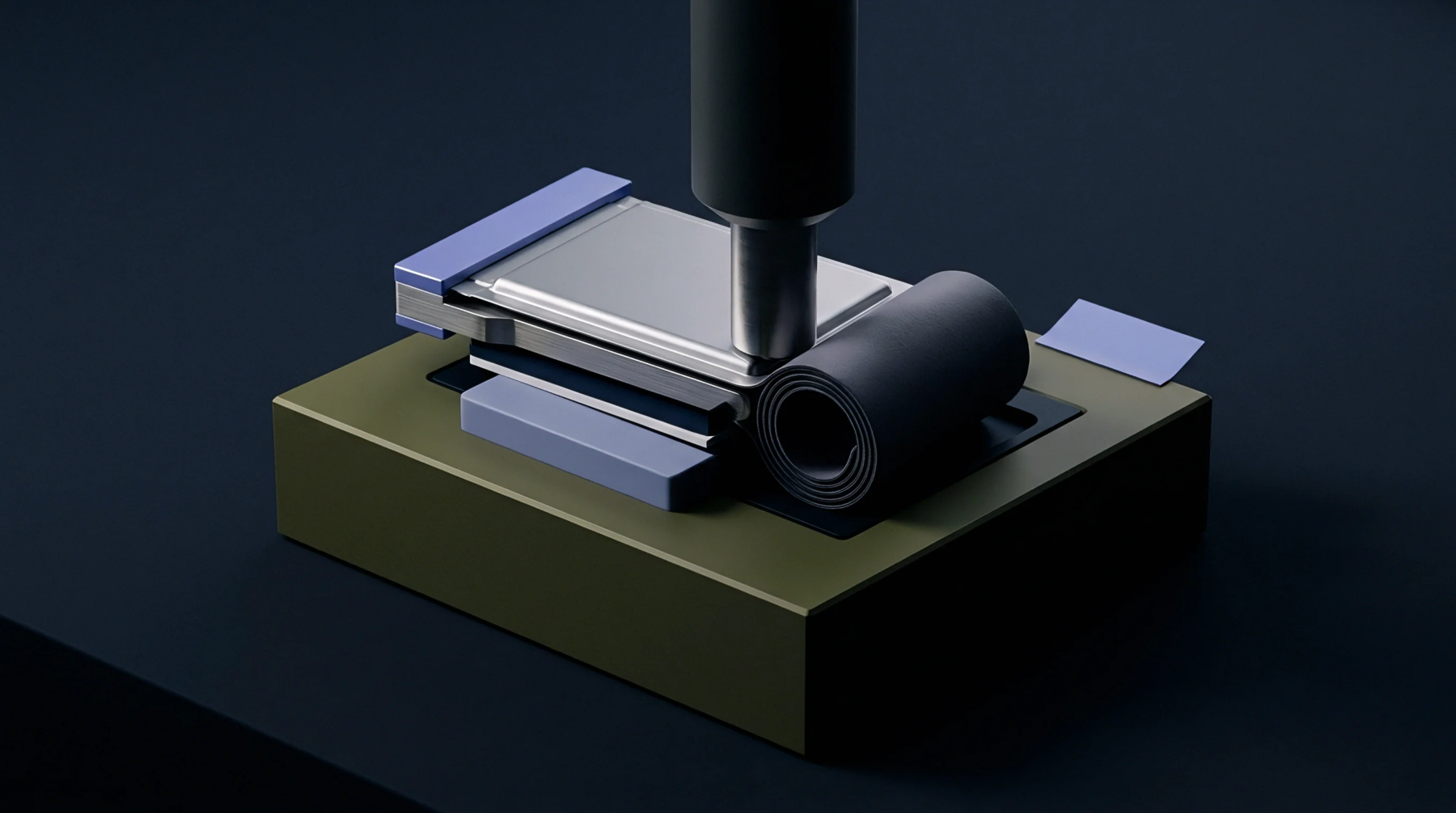
Calendar resistance growth in stored prismatic cells stems from passive film thickening and contact relaxation, identifiable via relaxation time deconvolution.

Marine cell freight degrades inventory through thermal acceleration, terminal oxidation, and micro-motion fatigue; mitigate via under-deck DAP terms.

Battery open circuit voltage profiling measures relaxed cell equilibrium potentials to map thermodynamic state metrics, requiring strict rest criteria.
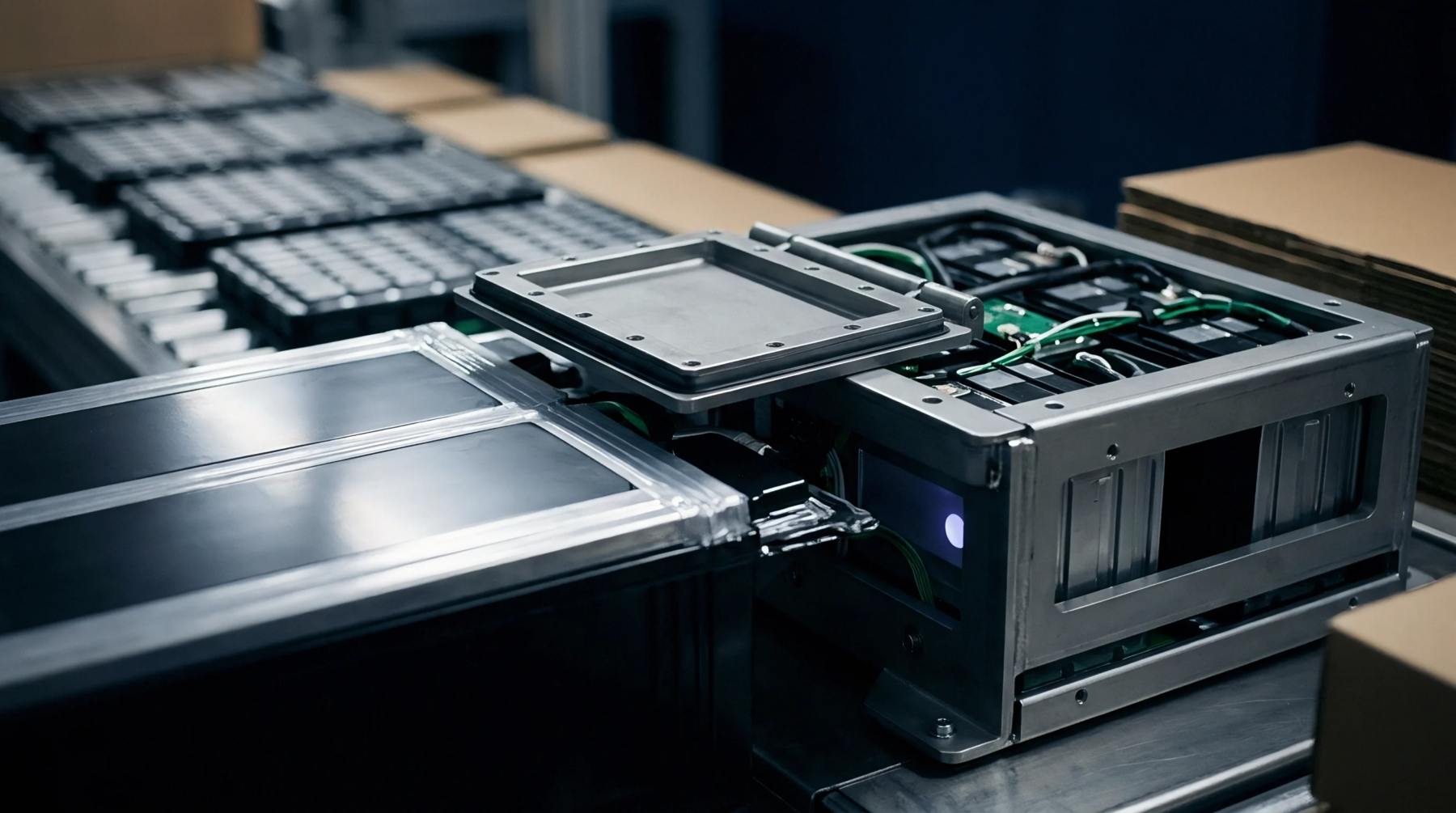
Intermittent preconditioning undershoots accelerate charge transfer resistance growth, driving rapid power fade and invalidating standard cell warranty terms.
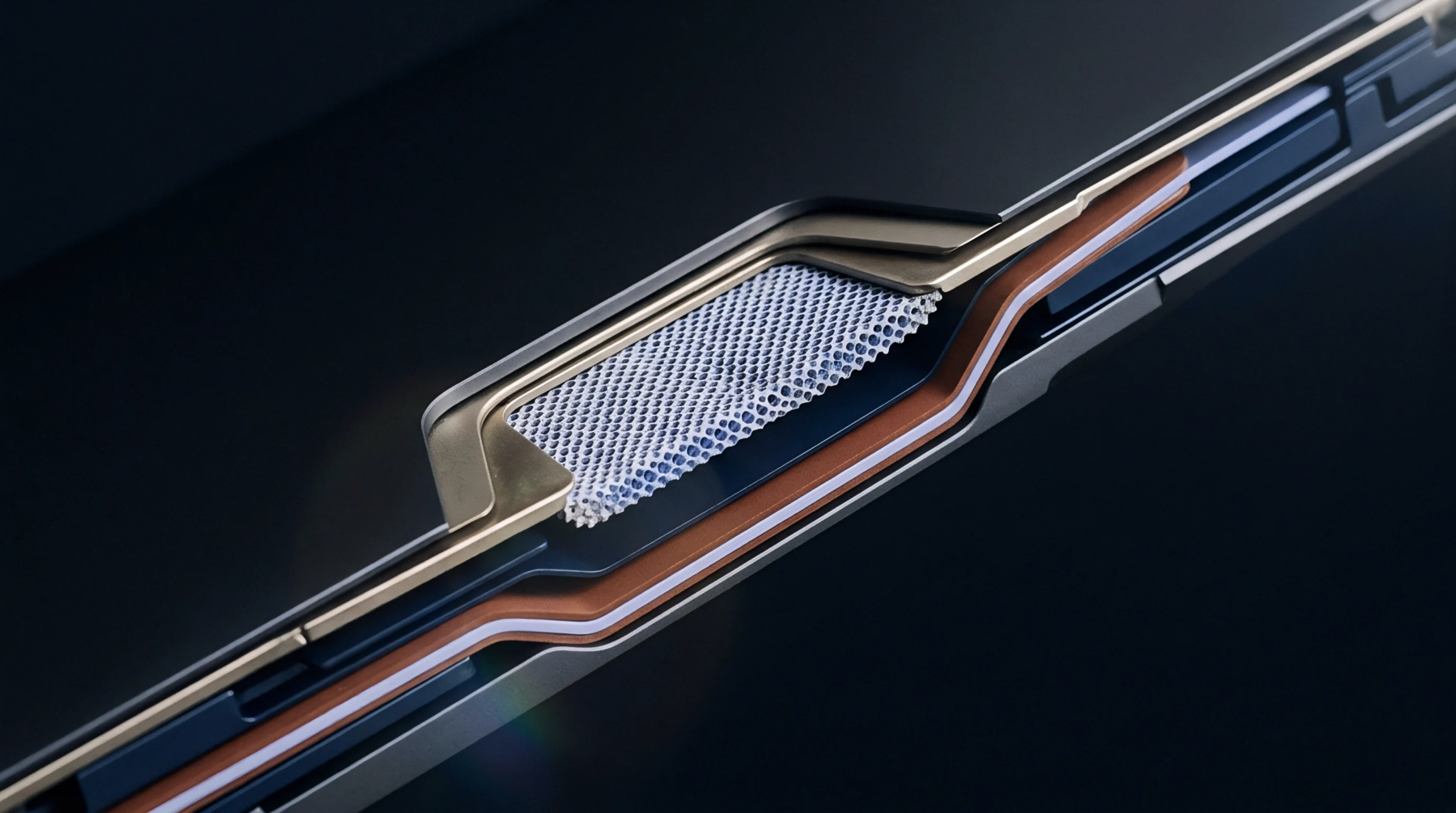
Dynamic voltage drift screening at elevated temperature separates benign chemical decay from dangerous internal micro-shorts in received lithium cell lots.
Expertise is a utility, not a secret. sentiention™ publishes its working knowledge as open reference: intelligence layer covering the materials it sources, the markets it enters, and the reference that serves both.