Meaning
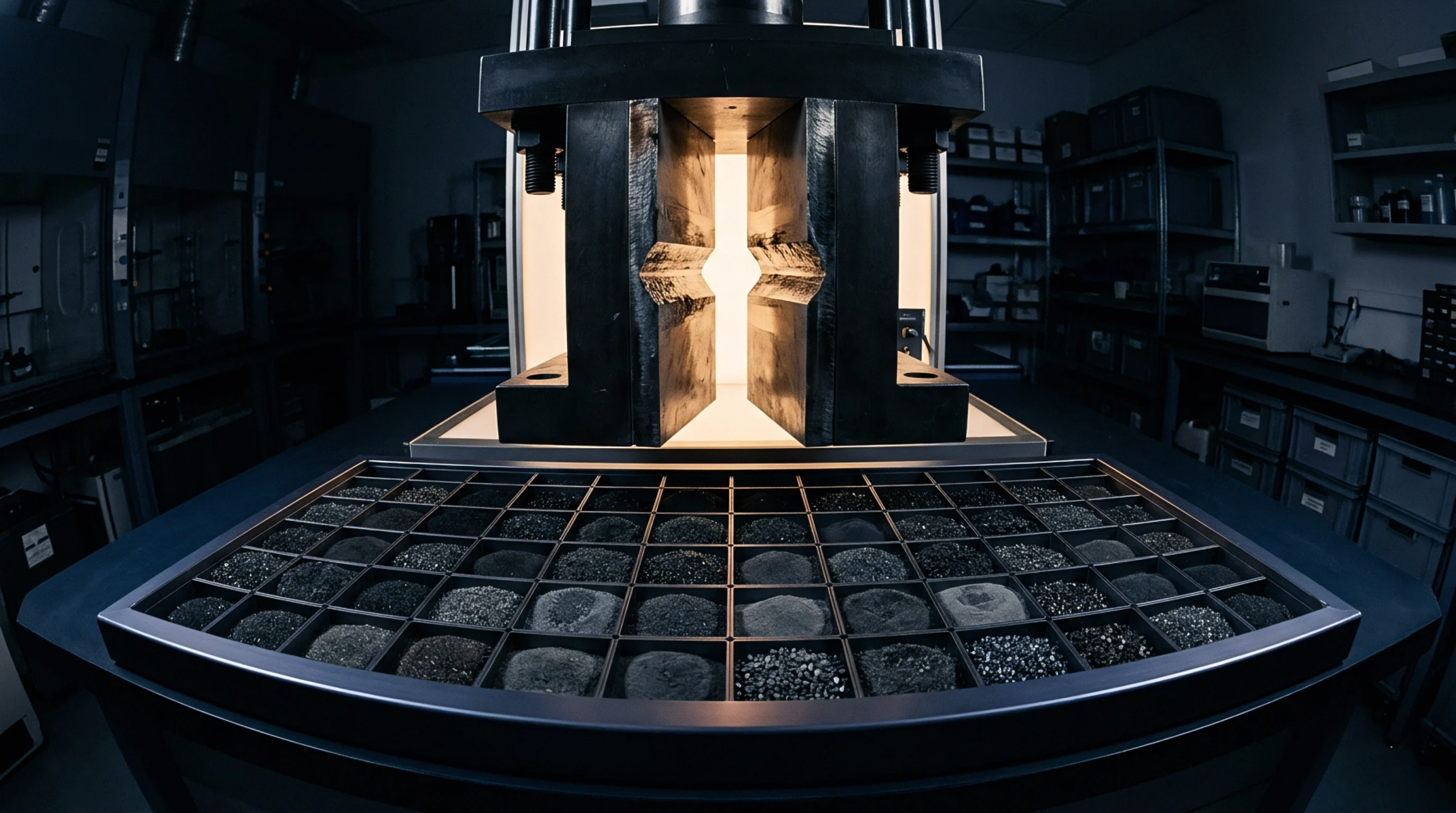
Industrial heating apparatus designed for the conversion of petroleum coke into high purity graphite utilizes resistive heating through a central core to achieve temperatures exceeding two thousand five hundred degrees Celsius. The acheson furnace operates by passing a massive electrical current through a core of granular carbon surrounded by the material to be graphitized. This process relies on the resistive properties of the carbon core to generate the intense heat required for structural transformation.
As the temperature rises, the carbonaceous feedstock undergoes a series of physical and chemical changes that result in a highly ordered crystalline structure. The furnace remains a standard in the industry for producing large volumes of synthetic graphite for battery anodes and industrial electrodes. This heating method is specifically used for bulk carbon materials and does not apply to the production of natural graphite or low temperature carbonization.
Thermal Profile
Heat distribution within the furnace is non-uniform because the energy originates at the central resistive core and radiates outward through the charge. Temperature levels are highest at the center and decrease toward the outer walls, necessitating a long soaking period to ensure that the material at the periphery reaches the minimum threshold for graphitization. Because the acheson furnace lacks active cooling systems, the thermal mass of the insulating material retains heat for several days after the current is disconnected.
This slow cooling rate is beneficial for stress relaxation in the formed graphite blocks but extends the total cycle time of the production batch. Monitoring of the electrical input provides the only indirect measure of the internal temperature during the peak firing phase.
Structural Evolution
Atomic rearrangement begins as the temperature passes one thousand five hundred degrees Celsius, causing the disordered carbon atoms to migrate into more stable hexagonal configurations. The acheson furnace provides the sustained thermal energy needed to drive out residual volatile matter and metallic impurities that would otherwise degrade the performance of the final graphite product. As these impurities vaporize, they create a porous pathway through the outer coke breeze which acts as both an insulator and a filter.
The growth of crystallites is most pronounced in the regions closest to the core, where the d002 interlayer spacing decreases toward the theoretical limit of three point three five four angstroms. This reduction in spacing correlates directly with an increase in electrical and thermal conductivity. Large grains form as the carbon layers align and stack, creating the characteristic plate-like morphology of synthetic graphite.
The degree of crystallinity achieved depends on the peak temperature and the chemistry of the petroleum coke precursor used in the initial loading. Solid phase transformation ensures that the resulting material possesses the high degree of anisotropy required for efficient lithium ion intercalation in battery applications.
Operational Boundary
Production limits are primarily set by the massive energy requirements and the environmental impact of the process gases. Each batch consumes several megawatt hours of electricity, making the acheson furnace sensitive to local power costs and grid stability. Emissions of sulfur dioxide and particulate matter require extensive secondary treatment systems to comply with air quality standards.
While newer continuous graphitization methods offer better energy efficiency, the reliability and scale of the traditional batch furnace keep it relevant for specific grades of high density graphite. Quality control involves sampling material from different radial positions to account for the variance in thermal history across the furnace volume.