Meaning
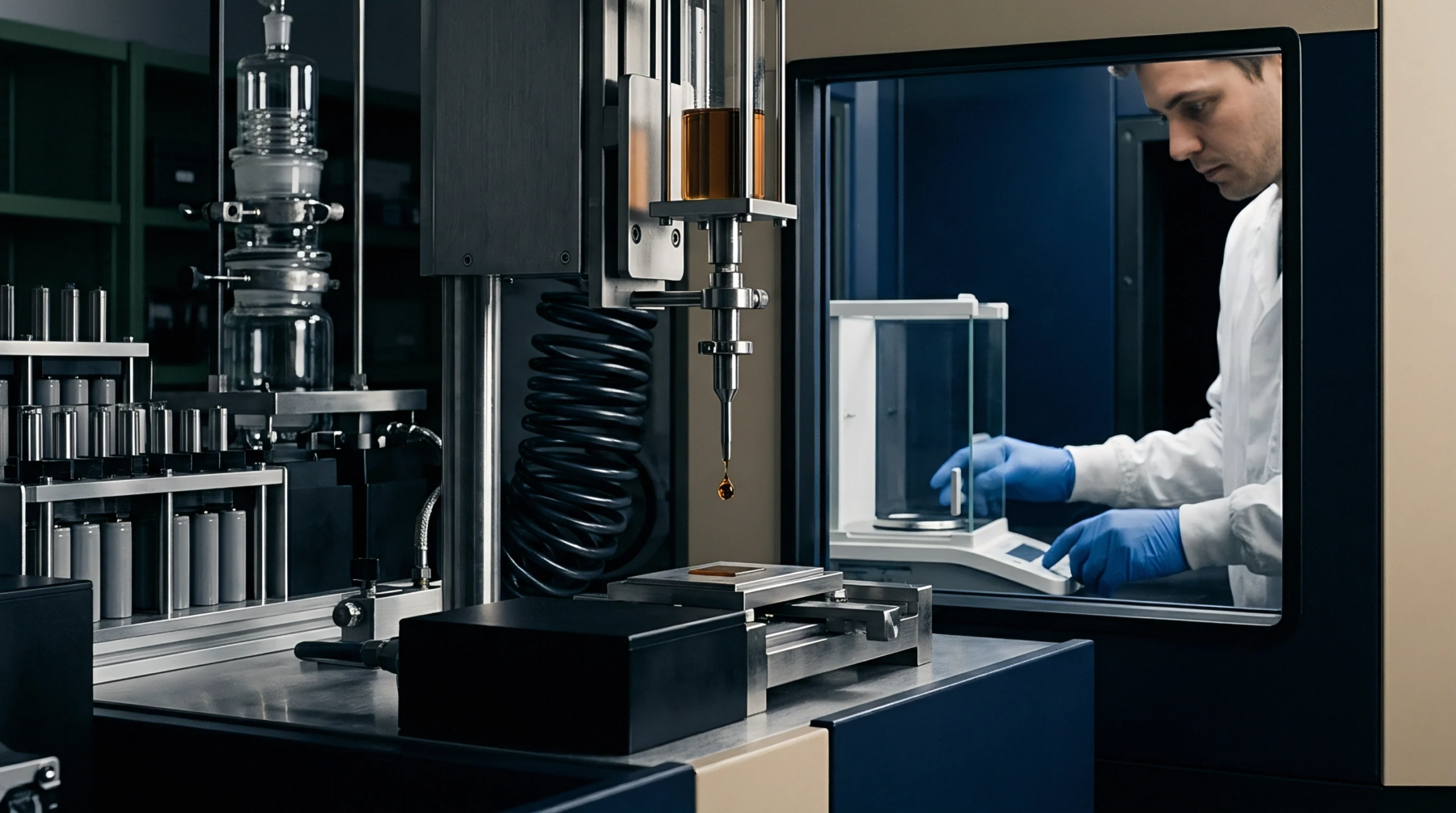
Phenomenon of capturing unwanted gas bubbles within a viscous fluid or adhesive during deposition or dispensing processes. Uncontrolled air void entrapment occurs when high viscosity materials such as thermal pastes are applied at high speeds. This action prevents the fluid from wetting the substrate completely and leaves microscopic gaseous pockets.
Physical Mechanism
High shear rates at the dispensing nozzle can draw ambient air into the fluid stream as it exits the orifice. This air void entrapment occurs more readily when the fluid exhibits a high surface tension or when the dispensing height is incorrect. Viscous forces prevent these small bubbles from rising and escaping, locking them permanently within the deposited bead or layer.
Changes in pressure during material transport can cause dissolved microbubbles to expand and coalesce into larger cavities within the bulk material.
Quality Defect
Entrapped gas pockets act as thermal barriers that reduce heat transfer in gap fillers. This disruption creates hot spots.
Mitigation Process
Vacuum degassing of the material prior to dispensing removes dissolved gases and prevents bubble formation under pressure changes. Using a low dispensing height and optimized feed rates reduces the opportunity for air to become locked beneath the material during application. System pressure must remain constant during the entire cycle to avoid pressure drops that can draw air back into the nozzle.