Meaning
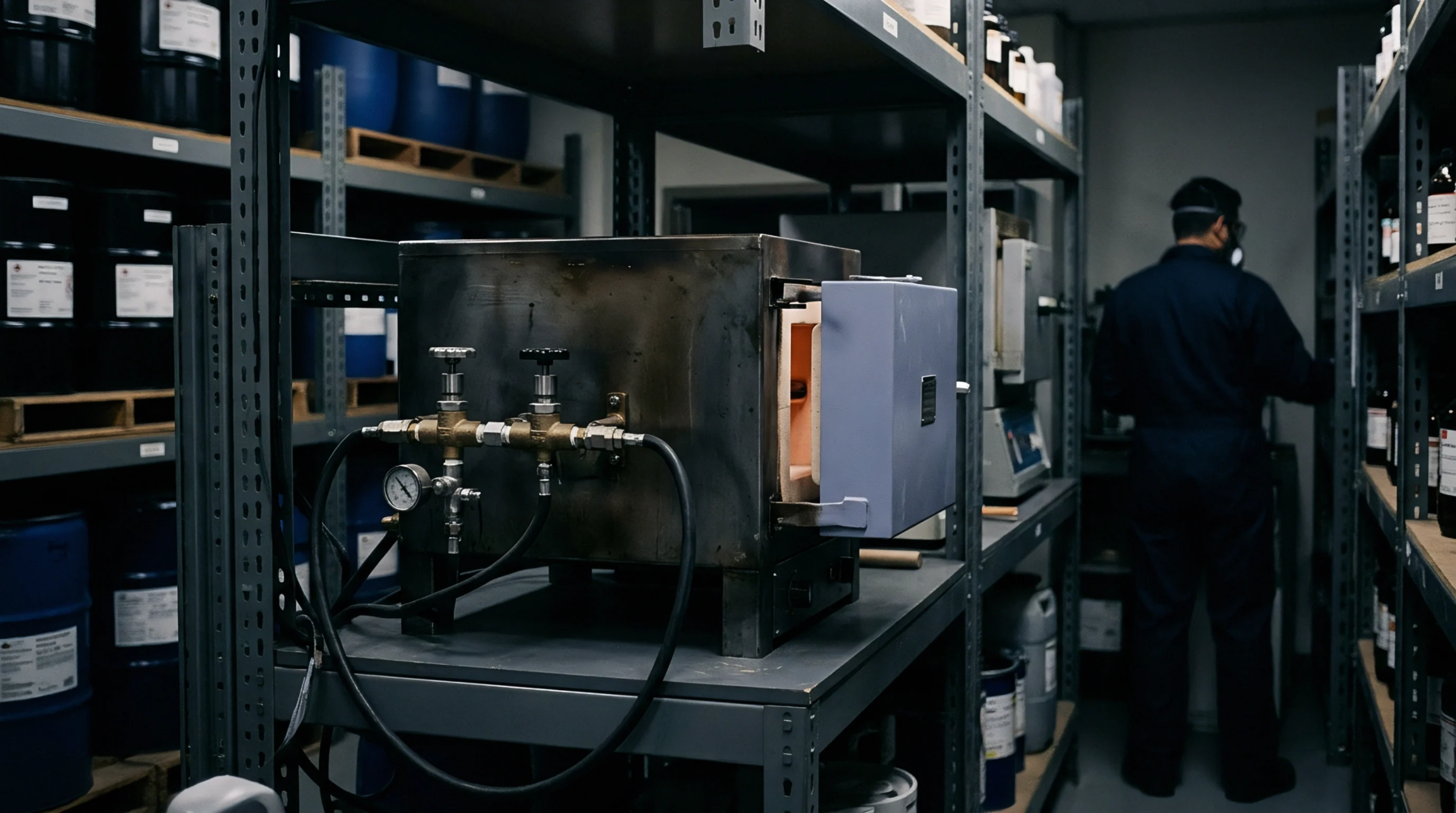
Inorganic residue remaining after the complete high temperature oxidation of battery grade carbonaceous materials and electrode binders. Ash content quantifies residual mineral matter, metal oxides, and silica contaminants present within synthetic graphite powders, petroleum coke precursors, and specialized conductive additives. Analytical combustion protocols define the absolute boundary of the metric, driving samples to constant mass inside muffle furnaces at specific temperatures under controlled oxygen environments.
Exceeding specific impurity thresholds directly degrades electrochemical performance, accelerating capacity fade and triggering undesirable parasitic side reactions during cell formation.
Combustion Control
Analytical protocols standardize furnace parameters to ensure complete oxidation without volatilizing target mineral fractions. Operators place weighted powder samples into platinum or porcelain crucibles before heating the material gradually to high thermal plateaus. Temperatures must remain strictly regulated because excessive heat fuses mineral particles into insoluble slags while insufficient duration leaves unburned carbon fragments trapped inside the crucible.
Cooling occurs exclusively within desiccators to prevent ambient moisture absorption from distorting final gravimetric calculations. Laboratories record mass differentials with analytical balances possessing sub milligram precision to establish the exact residual weight percentage.
Quality Threshold
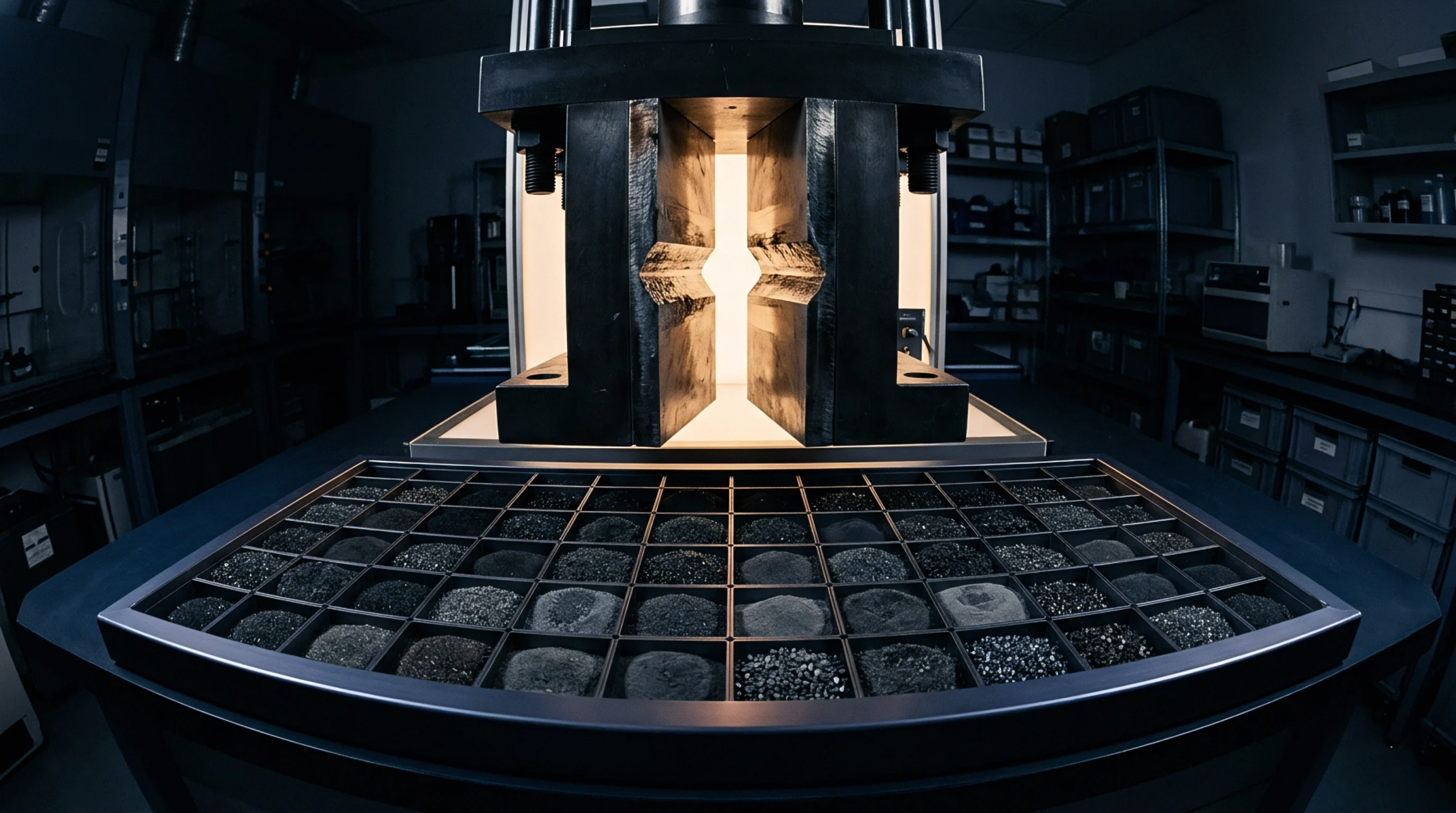
Procurement teams enforce strict contaminant limits within commercial material specifications to protect cell manufacturers from unexpected manufacturing defects. Excessive mineral impurities introduce foreign metallic particles that pierce battery separators and cause catastrophic internal short circuits during cycling. Sourcing contracts penalize material batches exceeding defined ash thresholds because unburned mineral residues reduce the effective active mass available for lithium intercalation.
Quality control engineers cross reference ash percentage reports against laser diffraction particle size data to verify material purity before electrode slurry mixing begins.
Impedance Impact
Residual mineral oxides trapped inside the carbon matrix alter local electronic conductivity and impede smooth lithium ion transport paths. Metallic contaminants catalyze electrolyte decomposition reactions at the graphite anode interface, generating resistive surface films that degrade Coulombic efficiency. Higher mineral fractions increase polarization resistance during high rate discharge cycles, limiting the power capability of finished energy storage devices.
Production facilities mitigate these operational risks by demanding certified impurity analyses for every delivered raw material lot.