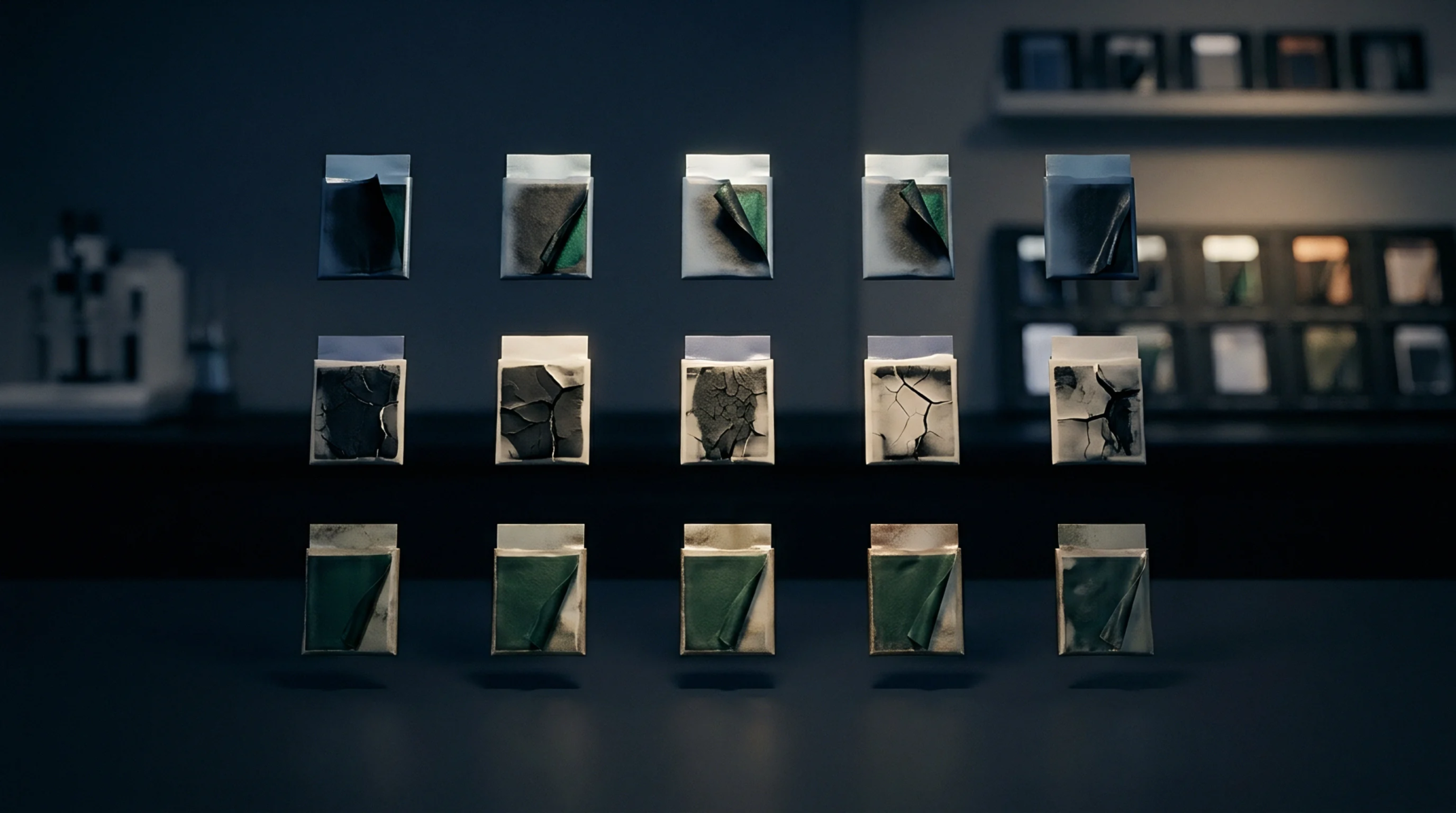
Defect Passivation Temperature Windows in Sodium Ion Anode Production
Optimal defect passivation windows between 1100°C and 1300°C balance hard carbon surface area reduction, initial efficiency, and long-term cycle degradation.
Optimal defect passivation windows between 1100°C and 1300°C balance hard carbon surface area reduction, initial efficiency, and long-term cycle degradation.
Hard carbon performance relies on precursor heteroatom crosslinking and tuned carbonization thermal ramps to maximize closed porosity and initial capacity.
Structural d002 degeneracy and closed pore collapse lower hard carbon plateau capacity and initial coulombic efficiency, requiring tight kiln thermal controls and compaction limits.
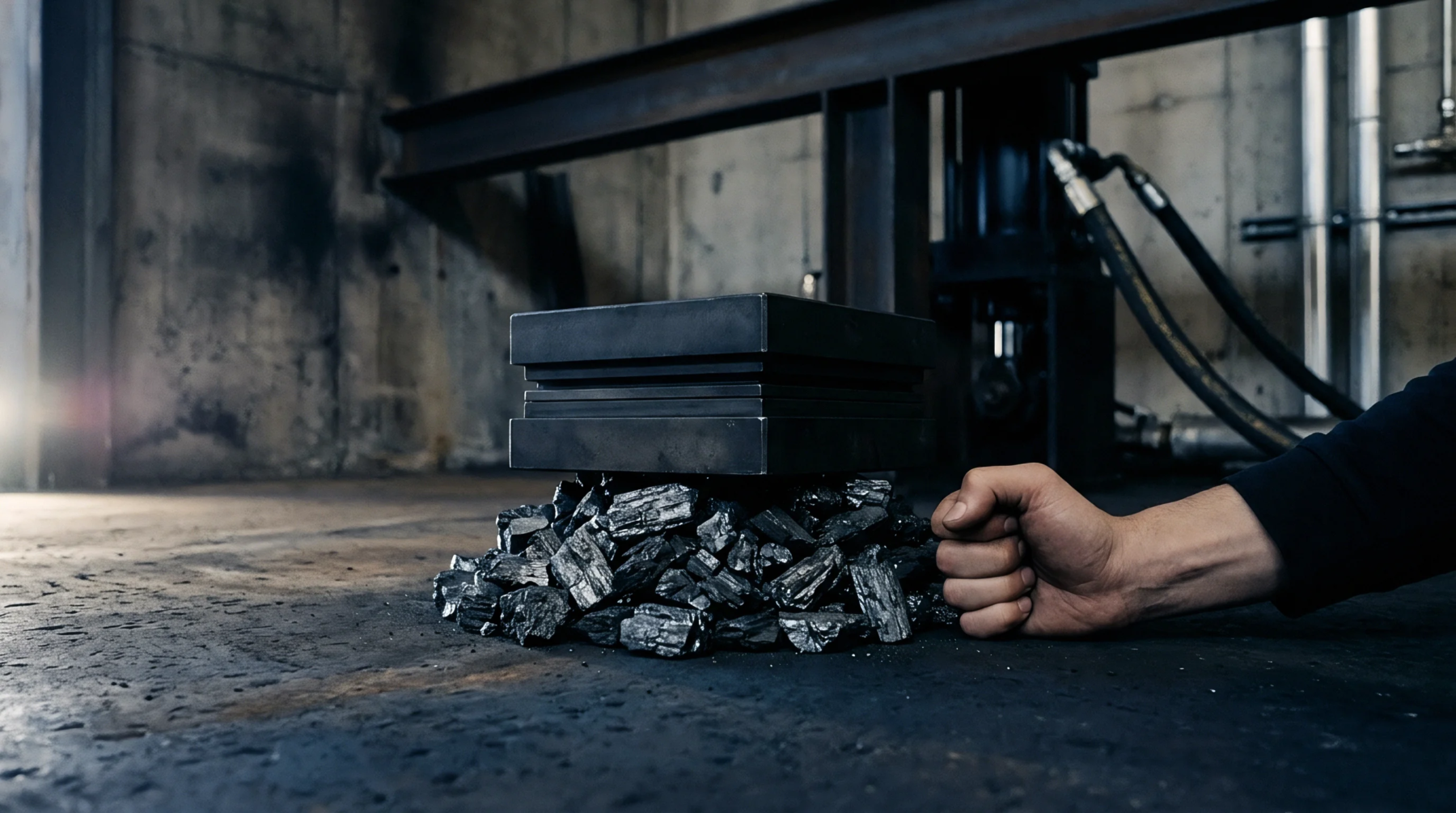
Hard carbon anode selection balances d002 spacing above 0.37 nm, BET area under 3 m2/g, and calender density below 1.05 g/cm3 to secure 88% initial efficiency.
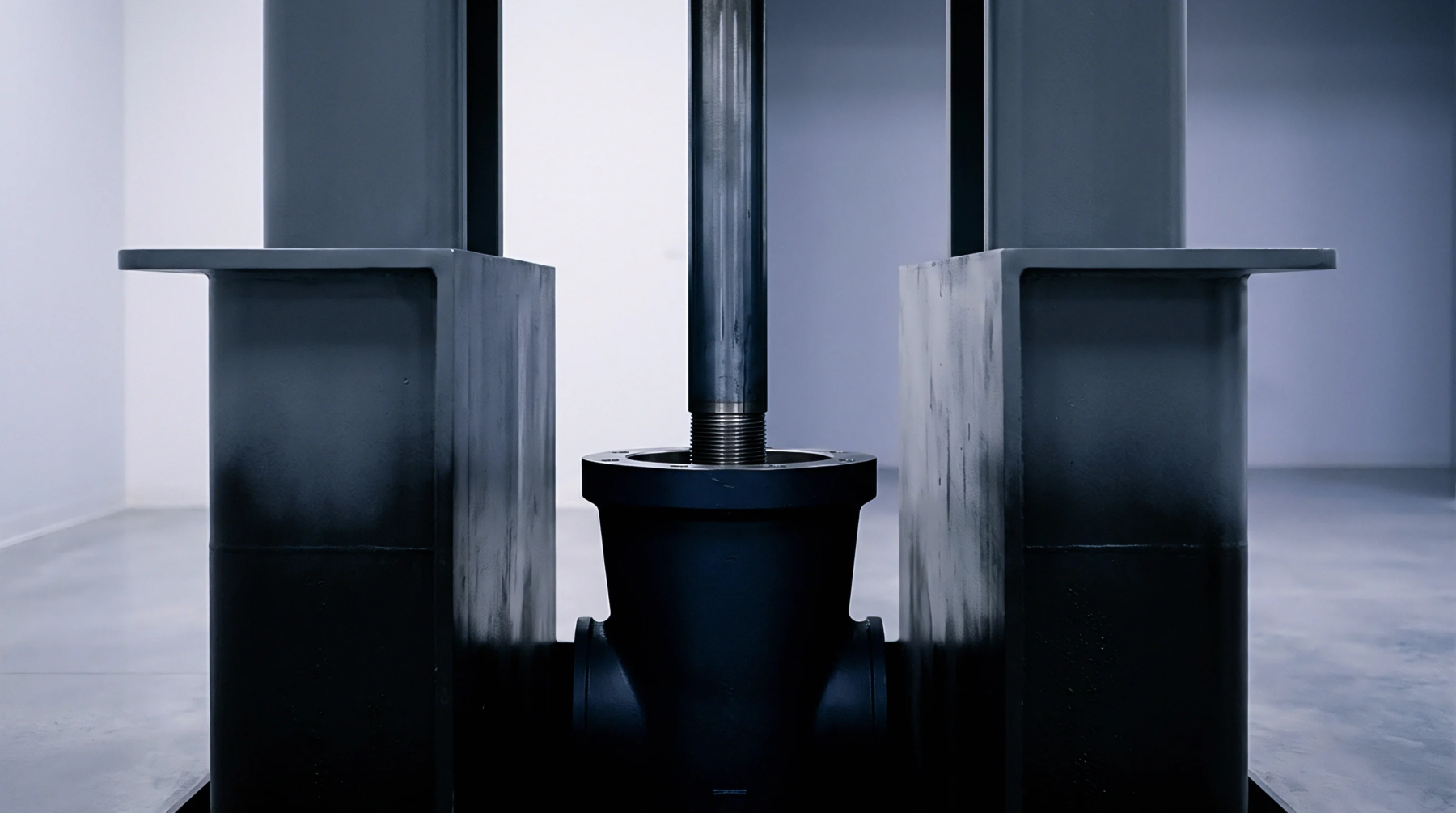
Calendering hard carbon anodes above 1.55 g/cm³ triggers mechanical collapse of closed nanopores, destroying low-potential plateau capacity and cycle life.
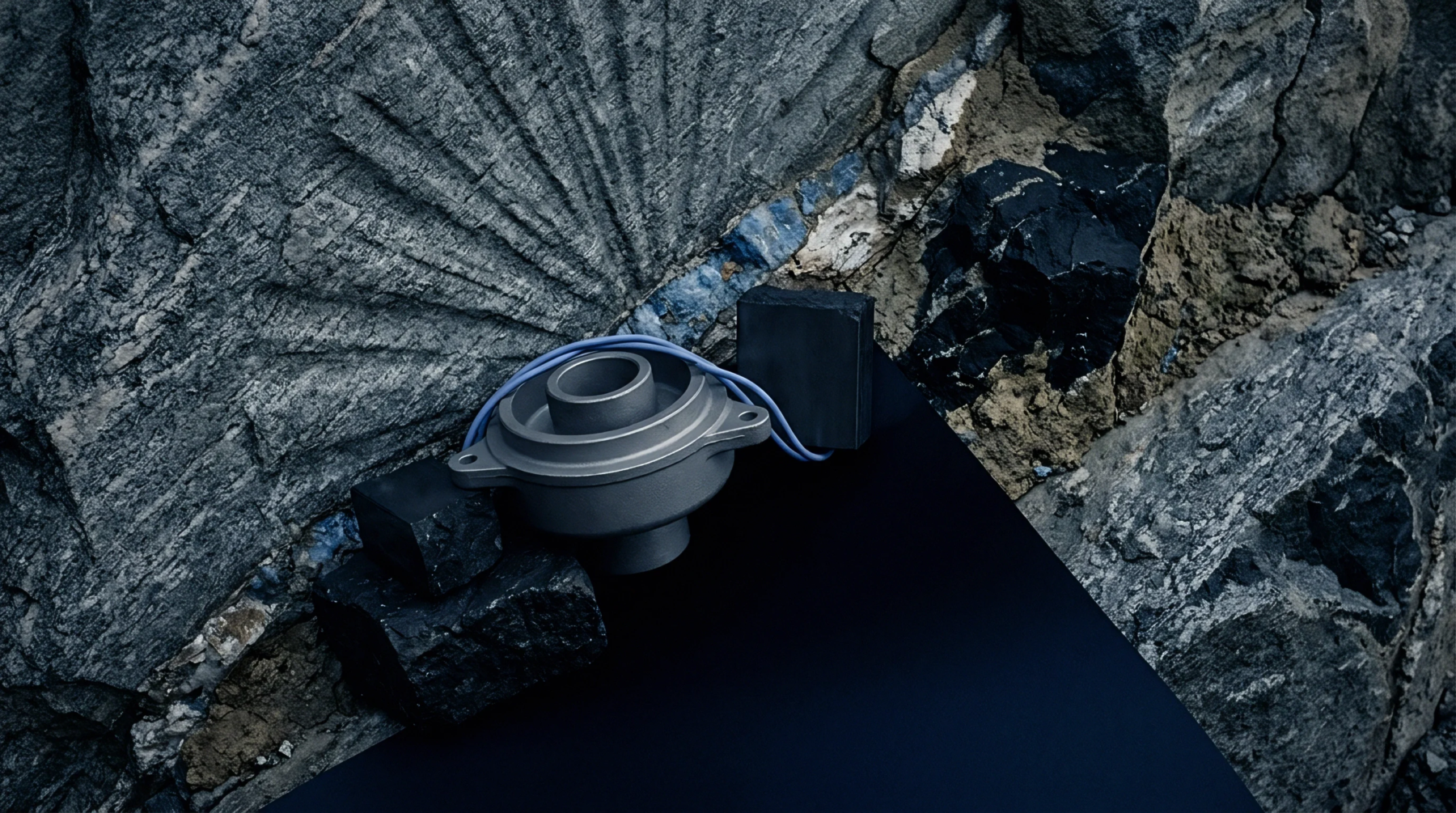
Closed pores dictate low-voltage plateau capacity in hard carbon; verify skeletal density via pycnometry and scattering to stop plating defects.
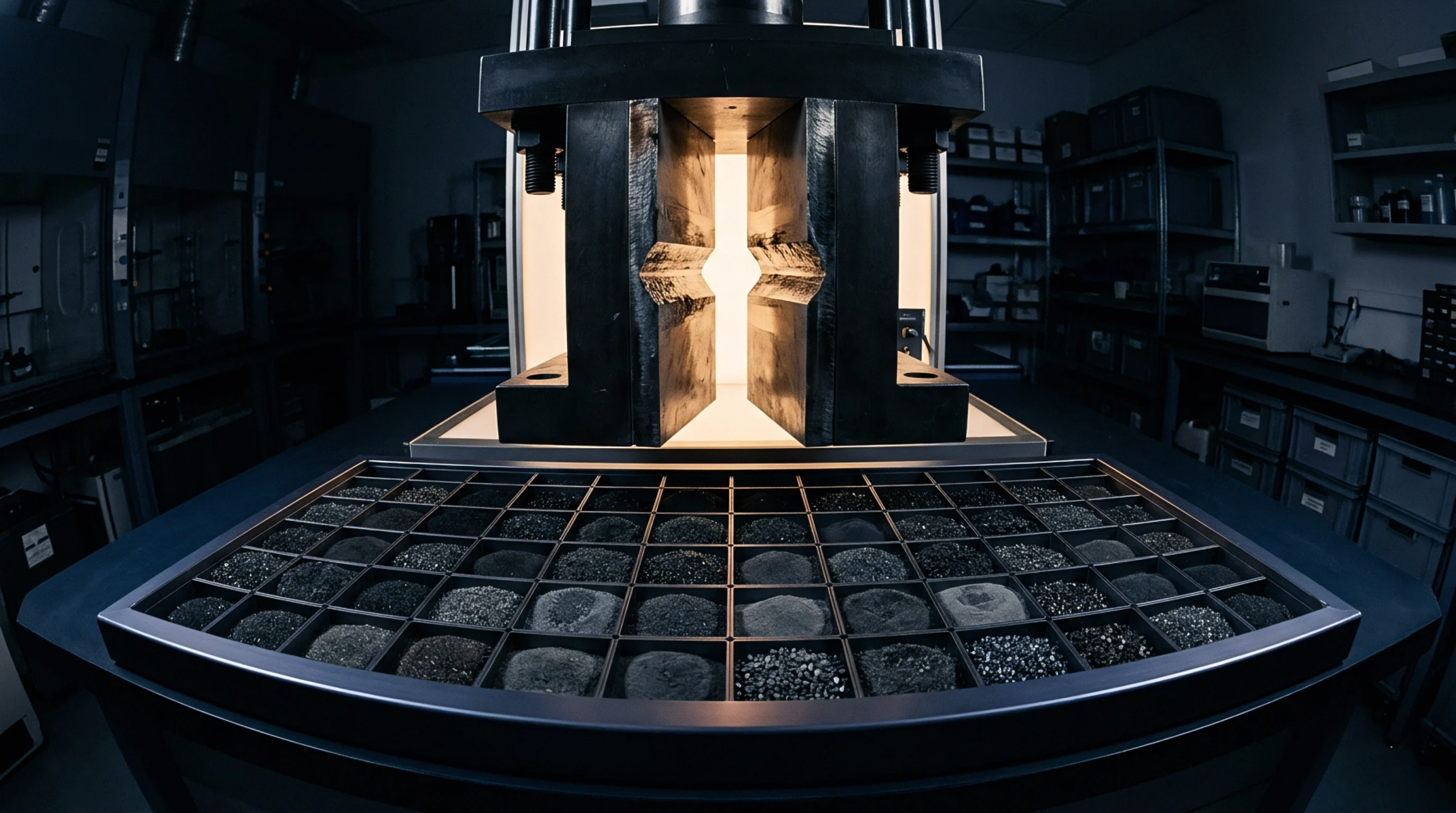
Sodium storage inside closed sub-nanometer carbon pores proceeds via quasi-metallic cluster nucleation stabilized positive of zero volts by Gibbs-Thomson spatial confinement.
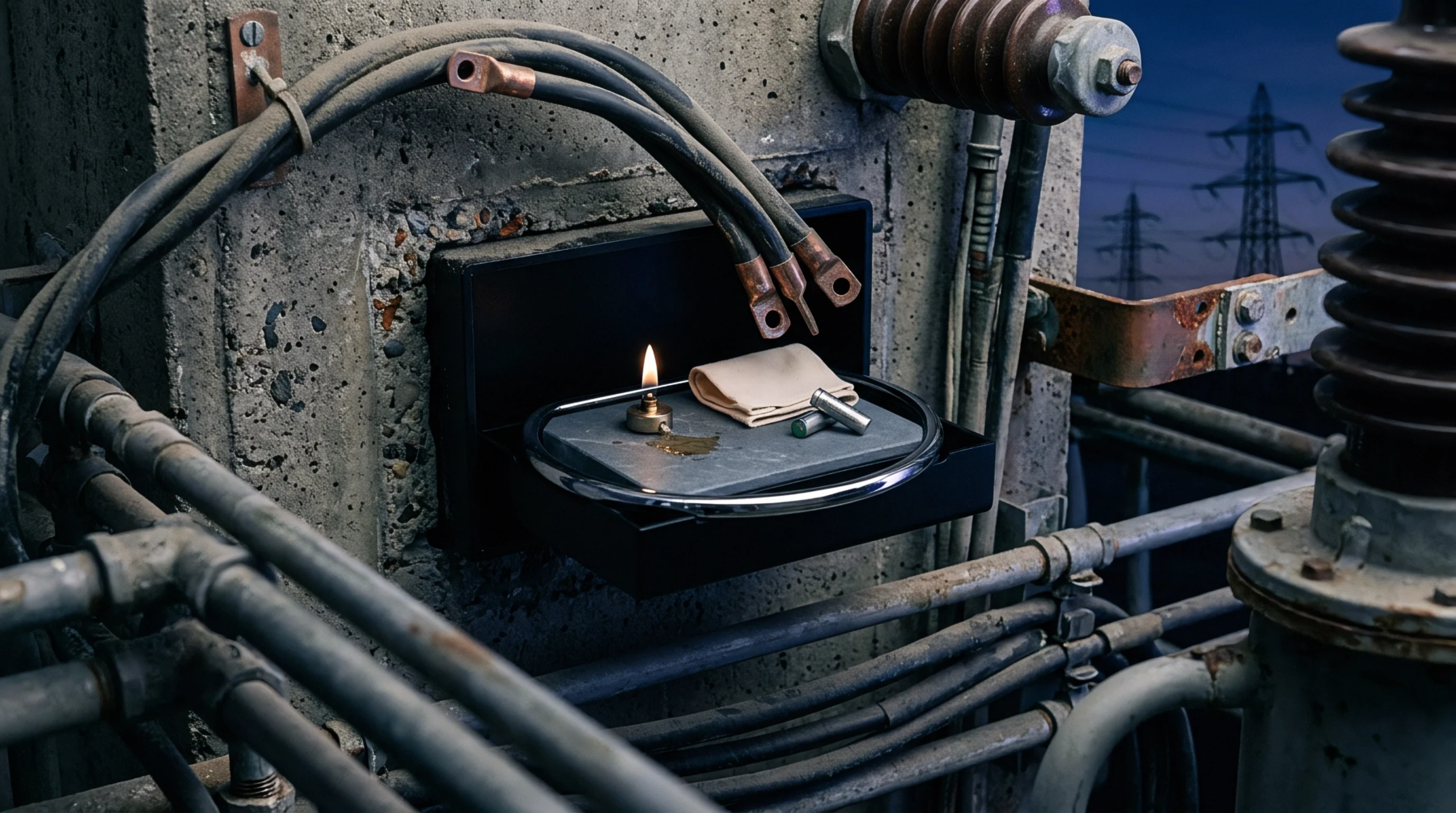
Controlling pitch air-oxidation at 260°C yields oxygen uptake above 8 percent, preventing mesophase growth and maximizing sodium storage plateau capacity.
Sub-zero cell performance requires selecting chemistries with low desolvation energy, active thermal pre-heating, and verified low-viscosity electrolytes.
Thermal treatment above 1400 degrees Celsius collapses hard carbon closed pores, shrinking plateau capacity below 100 mAh/g and reducing sodium storage efficiency.
Acid deashing and controlled oxygen removal during thermochemical dehydration reduce ash below 300 ppm to enable hard carbon initial coulombic efficiency above 85 percent.
Pyrolysis between 1100C and 1300C balances turbostratic interlayer spacing with closed pore volume to maximize plateau capacity while capping irreversible SEI losses.
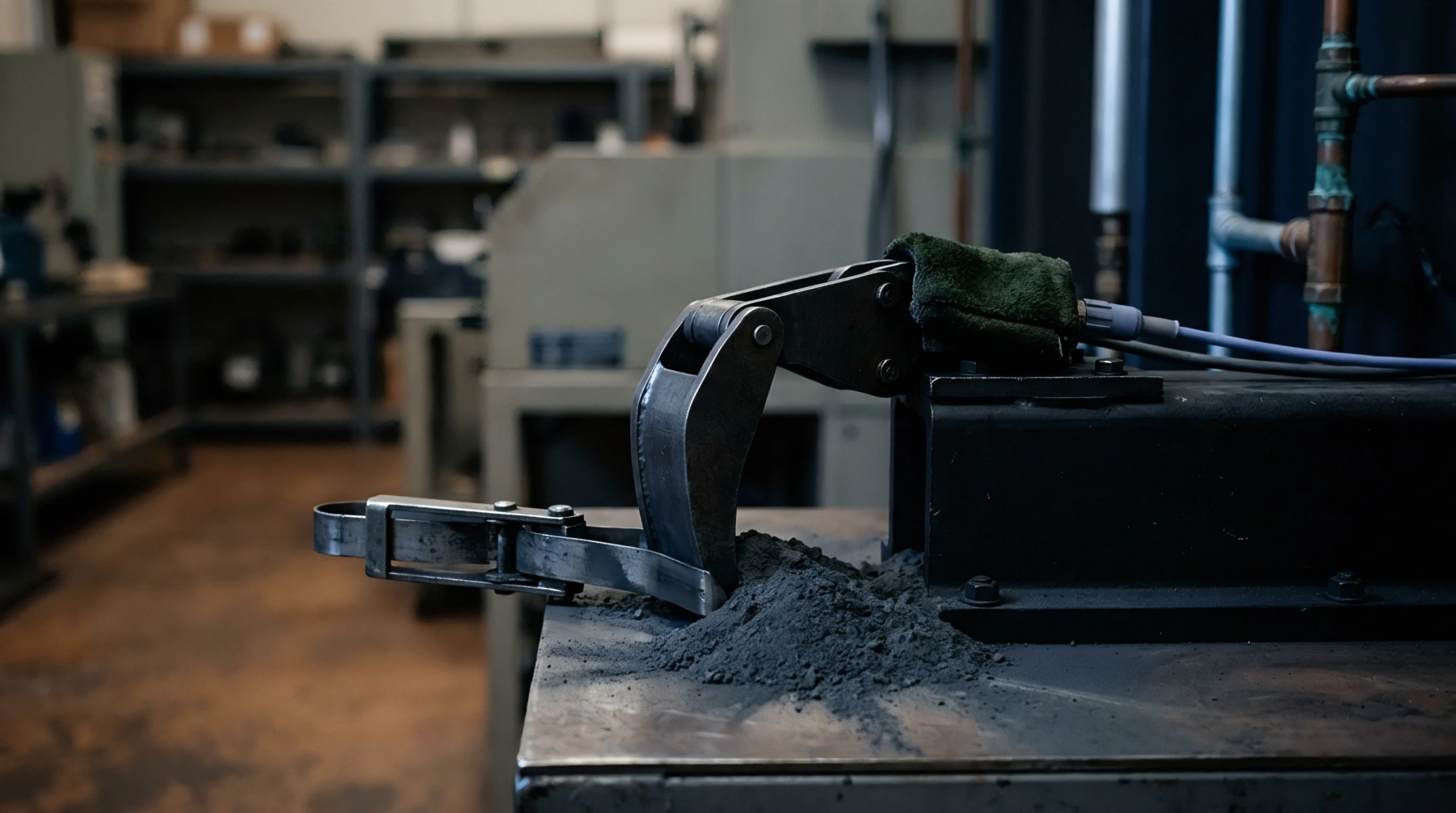
Continuous pyrolysis delivers lower manufacturing costs and stable hard carbon yields, whereas chemical pre-sodiation boosts efficiency at higher scrap and reagent expenses.
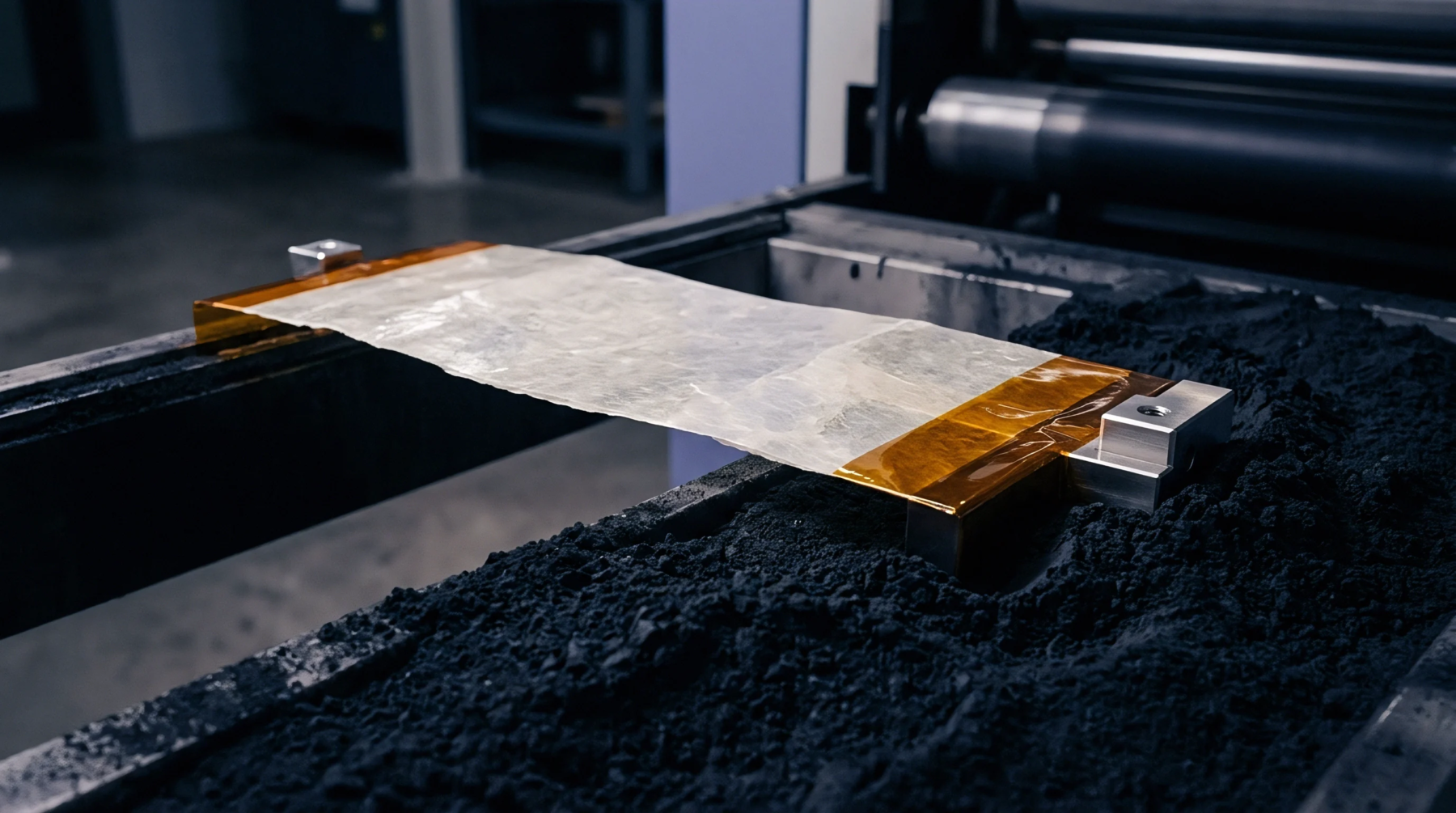
Thermomechanical strain relaxation at 1400 °C coupled with gas-phase defect passivation elevates hard carbon initial efficiency past 90 percent.
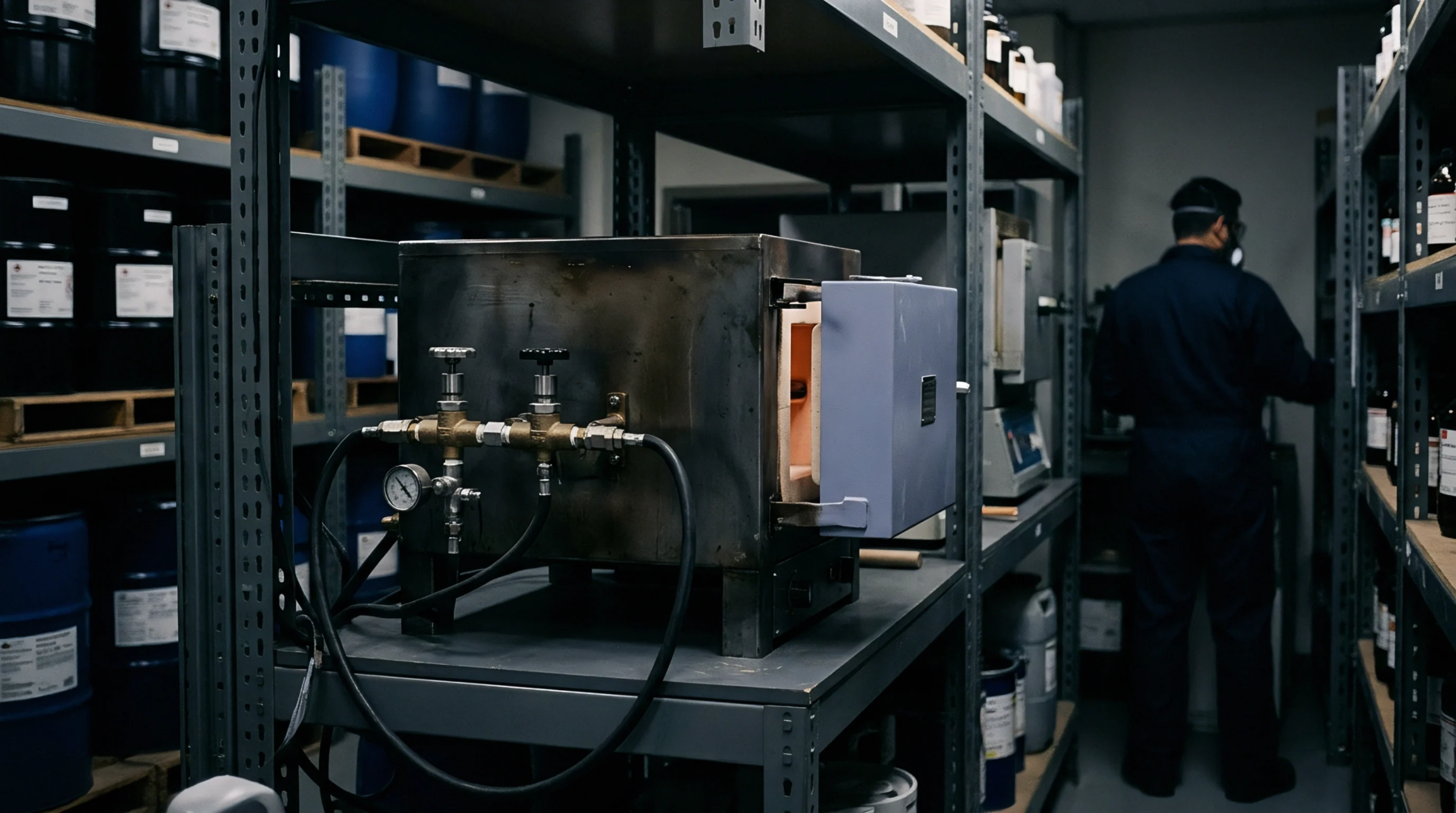
Thermal processing of hard carbon precursors regulates d002 interlayer spacing and closed microporosity to optimize sodium storage capacity and coulombic efficiency.

Continuous hard carbon graphitization requires tight thermal control to preserve closed nano-cavities, while pre-sodiation economics rely on holding web yield above 96 percent.
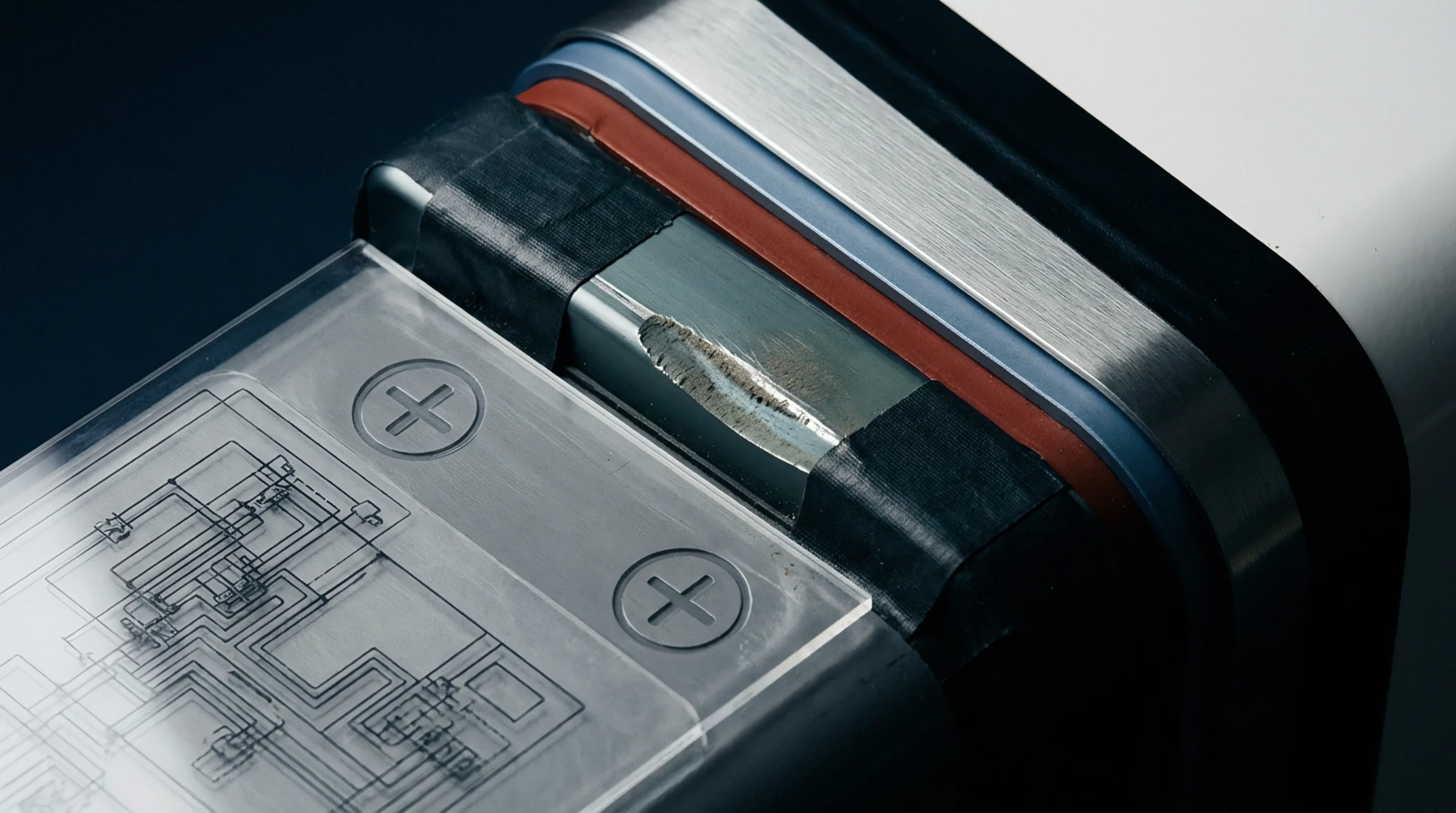
Thermal pyrolysis tuning and defect passivation reduce volumetric lattice strain while maximizing initial coulombic efficiency in hard carbon anodes.
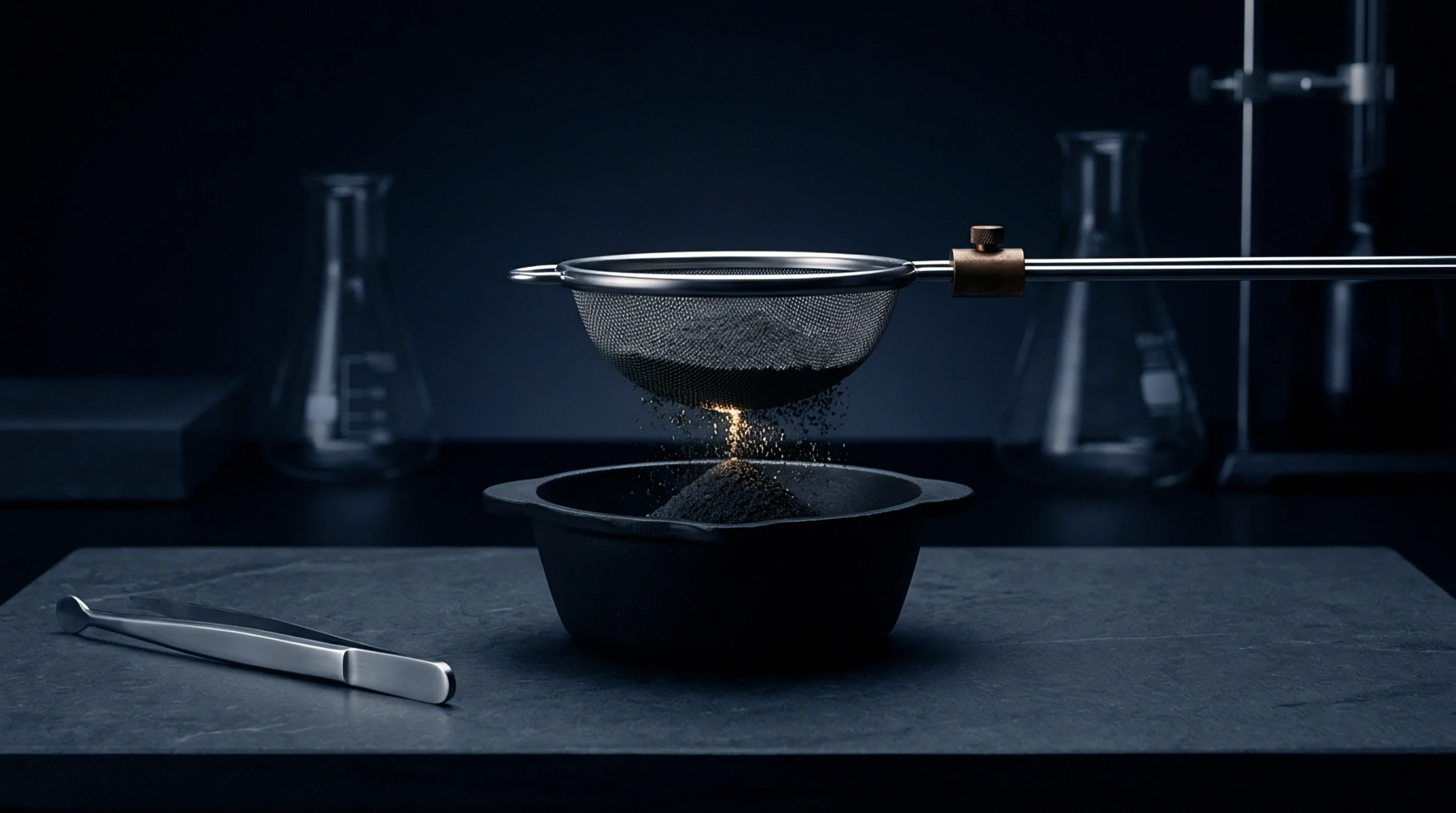
Controlling lignin crosslinking density locks aromatic voids into closed pores during carbonization, maximizing sodium storage plateau capacity and efficiency.
Bio-precursor pyrolysis creates hard carbon anodes whose closed void volume and interlayer spacing govern sodium capacity, initial efficiency, and cell cycle life.
Hard carbon precursor economics remain constrained by low pyrolysis yields and high calcination power costs, delaying sodium-ion cost parity with synthetic graphite LFP cells.
Expertise is a utility, not a secret. sentiention™ publishes its working knowledge as open reference: intelligence layer covering the materials it sources, the markets it enters, and the reference that serves both.